



Georgian Bookcase Unit
A georgian bookcase unit brings architectural harmony and rich timber tones into a room, offering practical display space.
Georgian Bookcase Unit
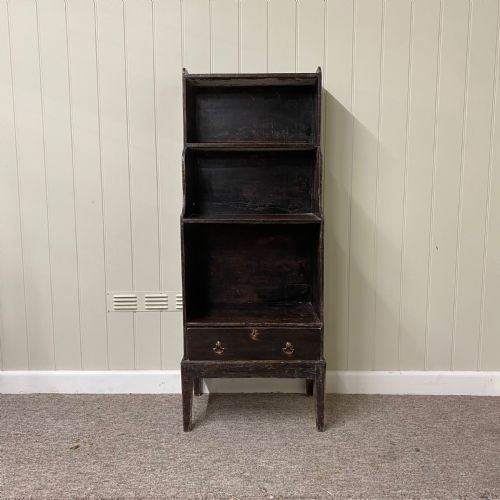
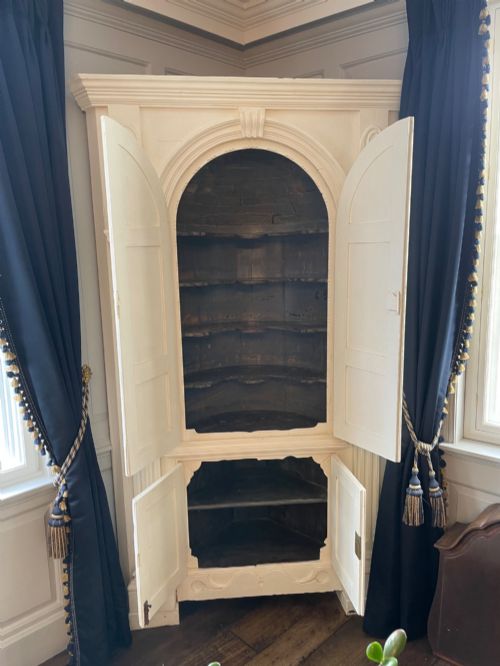
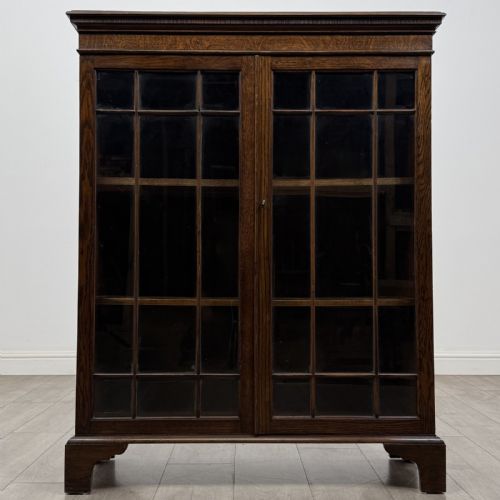
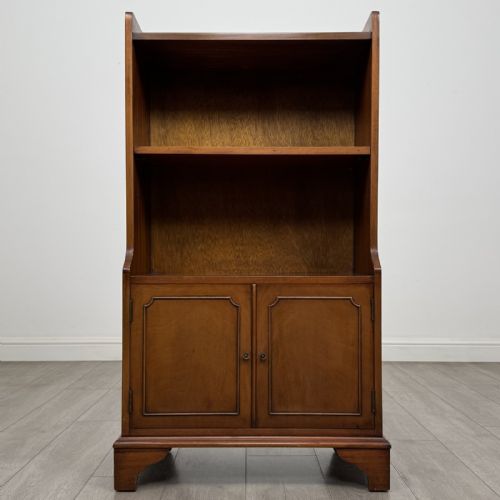
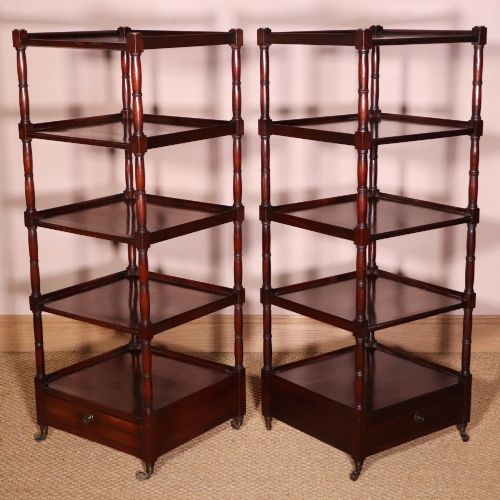
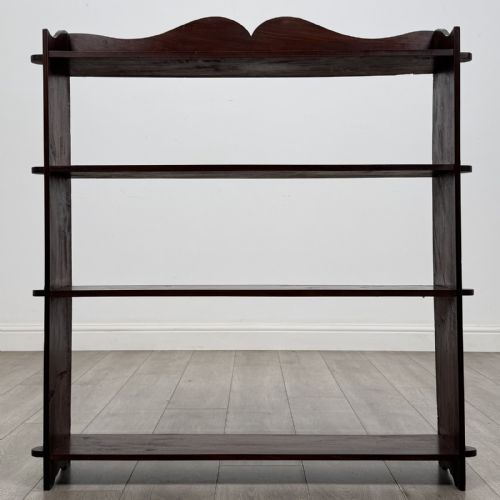
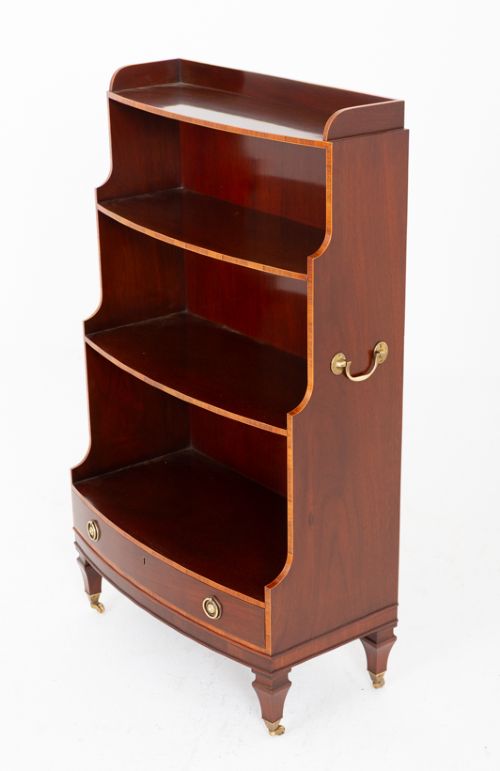
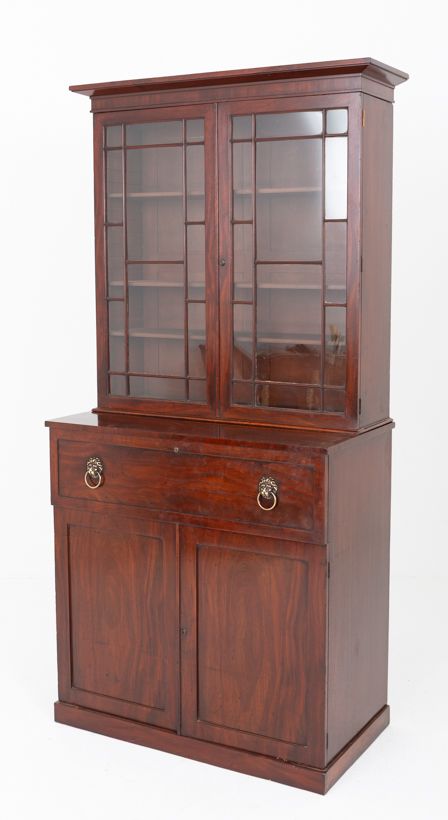
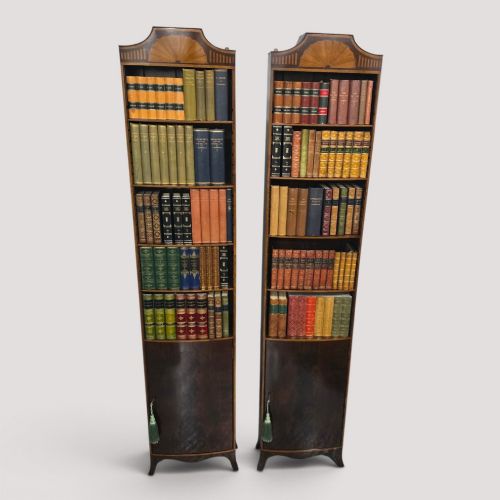
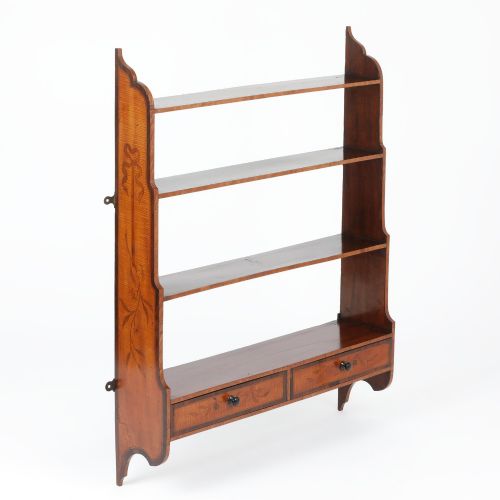
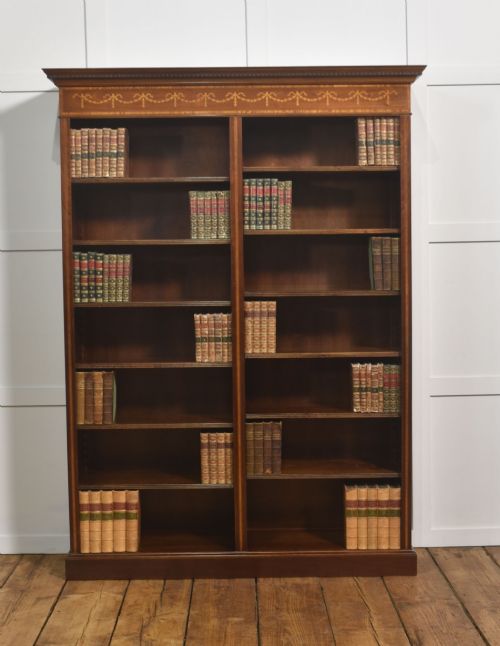
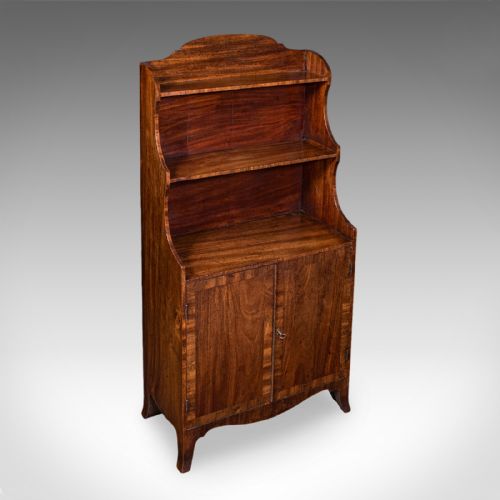
When buyers search for a georgian bookcase unit, they encounter a range of timber furniture designed for storing and displaying volumes, spanning open shelving variants to secure glazed cabinets. The pieces seen here encompass formal library furniture alongside smaller domestic items like corner cupboards, hanging shelves, and whatnots.
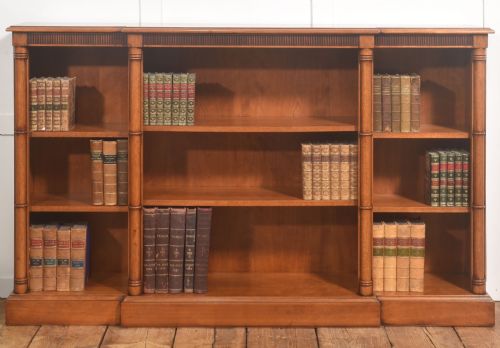
The selections on this page draw from the Georgian period itself as well as later revivals, utilising woods such as mahogany, rosewood, oak, and painted pine. Forms vary considerably from simple open bookcases with dentil cornices to breakfront libraries and secretaire bookcases equipped with fitted writing drawers.
Materials and construction
Makers relied heavily on mahogany as the primary timber, frequently pairing it with secondary woods like pine and embellishing finer surfaces with satinwood inlay or brass mounts. Glass panels protected delicate volumes in display formats, while structural stability relied on solid oak and pine carcases.
Joinery techniques ranged from simple adjustable shelving systems to intricate breakfront configurations with raised galleries and dentil cornices. Painted pine finishes offered a simpler alternative to polished tropical hardwoods, suiting corner cupboards and regional country pieces.
Georgian Bookcase Unit Retail Price Guide 2026
Typical asking prices for georgian bookcase unit among the pieces listed under this phrase on Sellingantiques today, from the lower quarter to the upper quarter. They describe what is for sale here now, not the wider market.
Listings feature mahogany, brass, glass, pine, satinwood, painted wood, iron, and oak across multiple periods.
Distinctions in quality
Quality in these units rests upon the selection of timber figures, the crispness of carved details such as dentil cornices, and the proportion of the piece. Finer examples display carefully matched grain patterns and precise inlay work, whereas simpler iterations rely on plain timber surfaces.
Construction methods also dictate grade, distinguishing between straightforward open shelving and complex breakfront libraries or secretaire units with fitted interiors. The integration of brass hardware and the overall integrity of the timber frame separate standard utility pieces from exceptional cabinet work.
waring and gillows
The Georgian Bookcase Unit Glossary
- Dentil cornice
- A decorative moulding featuring a series of small, rectangular blocks resembling teeth, commonly found along the top edge of bookcases. This architectural detail echoes classical building facades.
- Waterfall bookcase
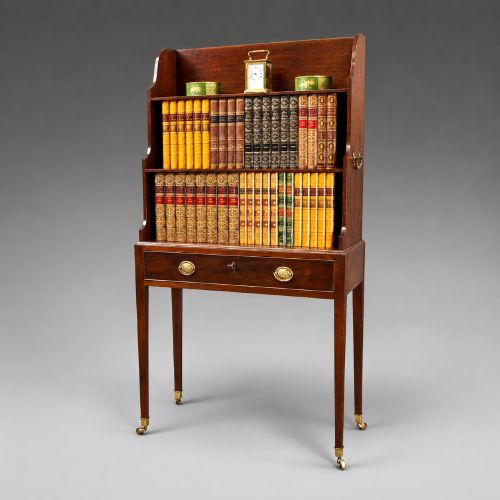
- A tiered set of open shelves where each level steps back progressively from the one below, creating a cascade effect. These pieces often feature graduated shelves for smaller volumes.
- Secretaire bookcase
- A tall cabinet incorporating a pull-down writing drawer fitted with small pigeonholes and inner compartments. It combines a desk workspace with traditional upper shelving.
- Breakfront
- A cabinet design where the central section projects forward from the flanking wings. This layout adds visual depth and monumental presence to large library units.
- Whatnot
- A piece of freestanding furniture consisting of several open shelves supported by slender pillars, utilised for displaying ornaments and small books. Pairs of these stands frequently appear in period settings.
- Raised gallery
- A low decorative railing or border fitted around the top surface of a piece of furniture. It prevents items from sliding off the uppermost shelf.
Georgian Bookcase Unit: Frequently Asked Questions
What is a georgian bookcase unit?
A georgian bookcase unit is a piece of wooden furniture designed for storing books, featuring styles from the Georgian era and subsequent revival periods.
These units appear in numerous configurations, including open shelves, tall breakfront libraries, corner cabinets, and secretaire desks.
How do I identify a revival piece?
Revival pieces are often dated to the late nineteenth or early twentieth century, such as Edwardian or 1920s productions, while copying eighteenth-century styles.
Examining the secondary woods, interior construction methods, and hardware helps distinguish an original period piece from later interpretations.
Where should I place a corner cabinet?
Corner cabinets and cupboards are specifically constructed with angled backs to fit snugly into room intersections. They work well in smaller sitting rooms where wall space is at a premium.
What woods were used?
Mahogany is the dominant timber seen across these listings, accompanied by rosewood, oak, satinwood, and painted pine.
Brass hardware and glass door panels frequently complete the construction of the finer display cabinets.