


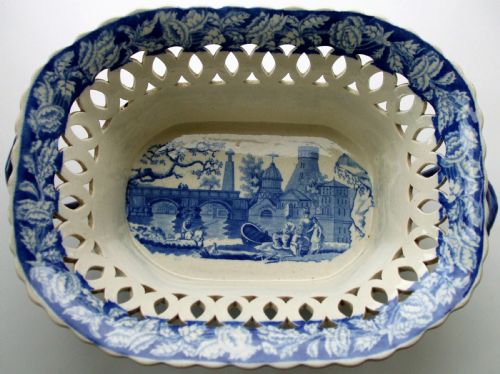
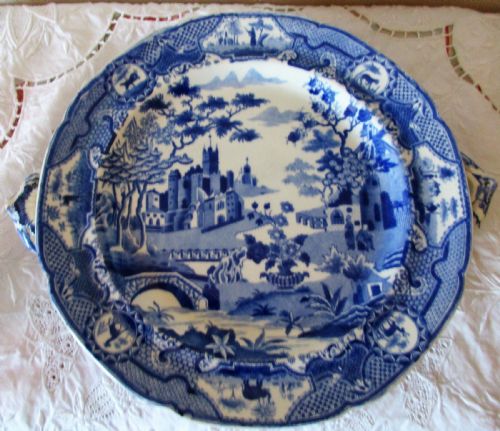
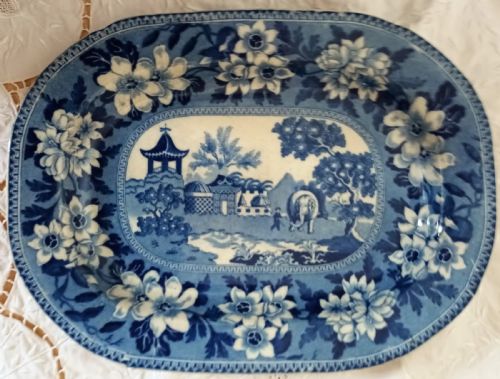
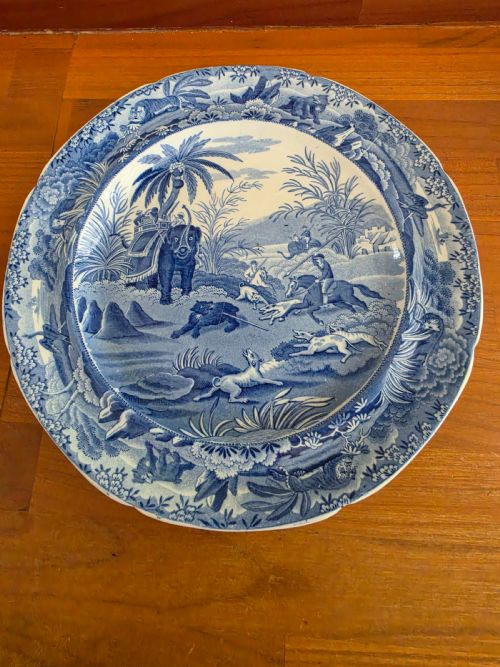


Georgian Blue Pottery Dish
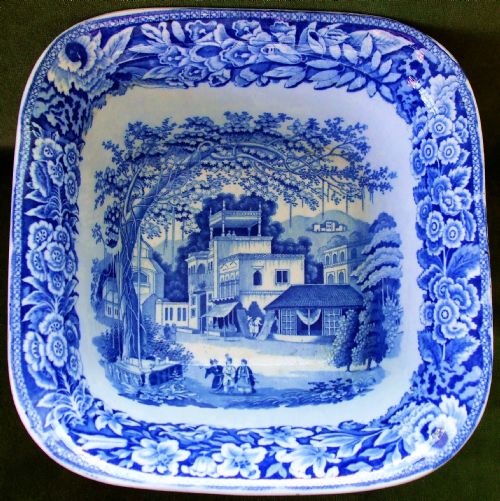
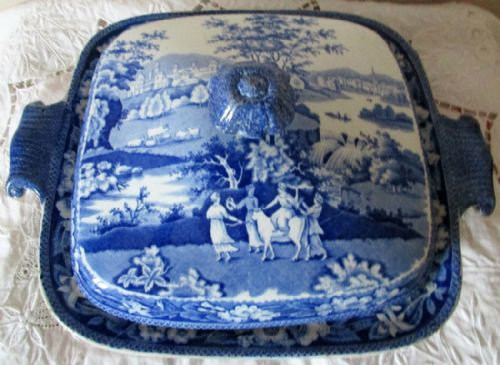
A georgian blue pottery dish brings rich cobalt pigments and pastoral transfer prints directly to the table, offering a tangible link to domestic life in the eighteenth and nineteenth centuries.
Georgian Blue Pottery Dish
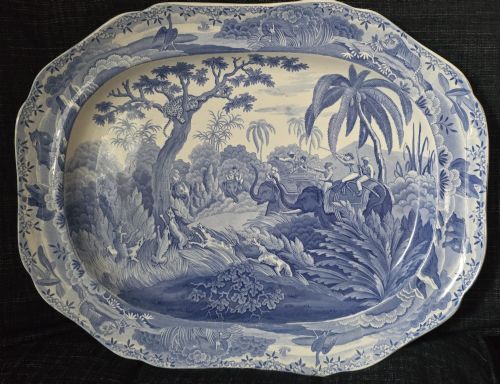
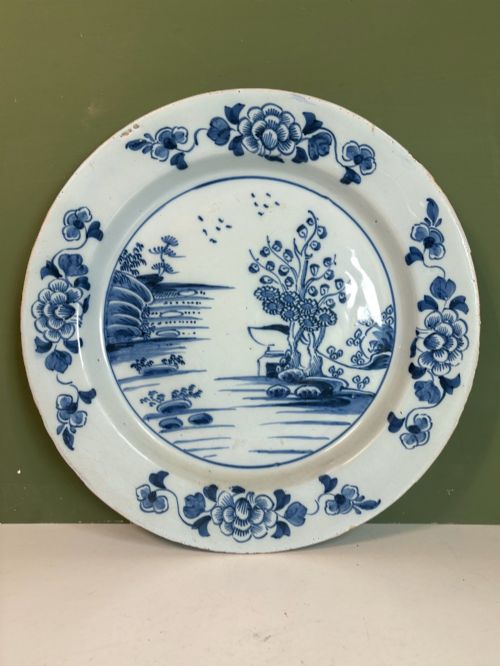
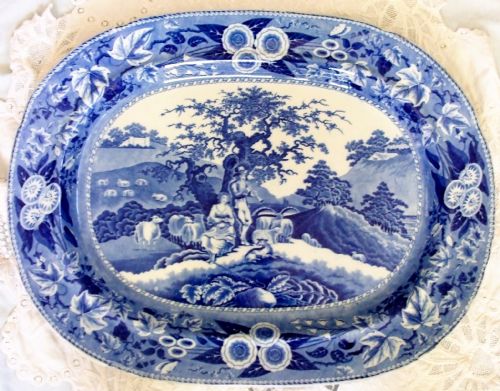
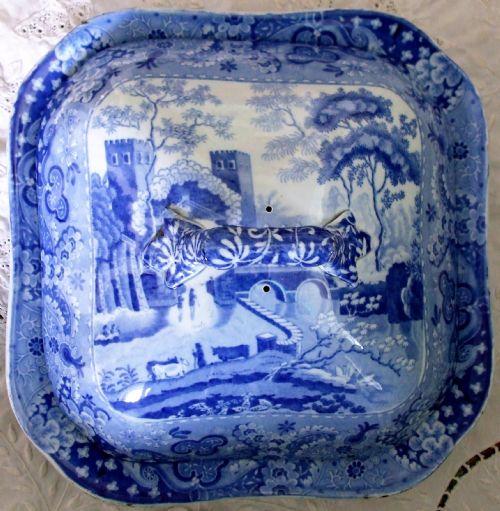
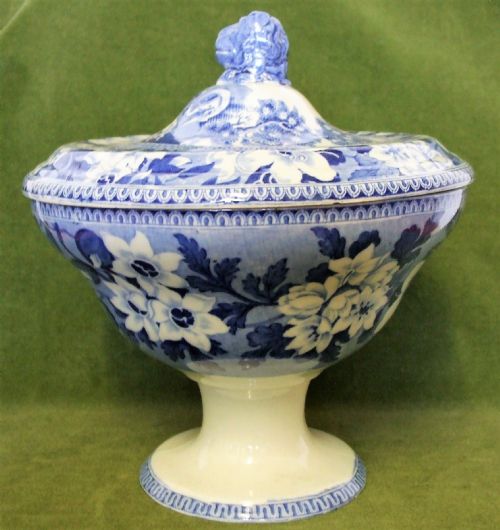
A georgian blue pottery dish encompasses a wide variety of forms, including serving platters, vegetable tureens, chargers, and everyday plates. Buyers exploring this selection will frequently encounter transfer-printed earthenware and tin-glazed delftware originating from eighteenth and nineteenth-century English potteries.
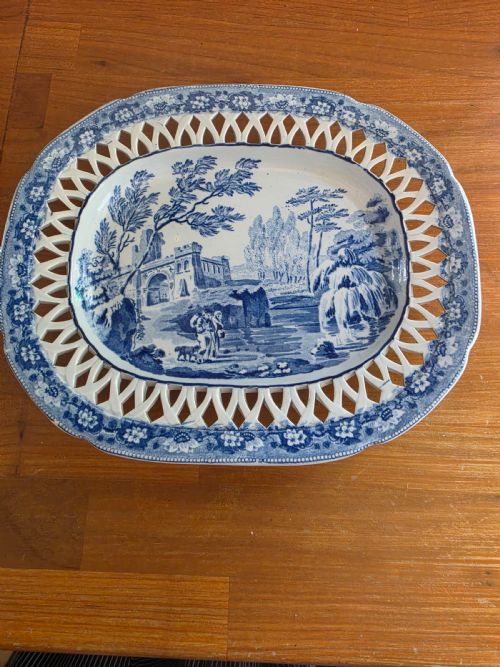
The objects span periods from early delftware productions through to Regency and early Victorian transfer prints. Functional serving dishes and decorative plates sit alongside specialised forms like chestnut baskets, salt cellars, and hot-water plates.
The visual vocabulary ranges from classical ruins and English country houses to topographical scenes and Chinoiserie motifs. Most pieces adhere to domestic dining traditions, serving as both utilitarian vessels and decorative centerpieces.
How They Were Made
Potters utilised earthenware, pearlware, and ironstone as bodies, often applying tin glaze or clear lead glazes over the clay base. Cobalt pigment provided the deep blue coloration characteristic of the transfer-printing and hand-painting techniques employed across these periods.
Transfer printing revolutionized production by applying detailed engraved copperplate designs onto paper, which were then transferred onto the ceramic surface before glazing and firing. Earlier items relied on direct hand-painting in blue and polychrome pigments upon tin-glazed earthenware.
Georgian Blue Pottery Dish Retail Price Guide 2026
Typical asking prices for georgian blue pottery dish among the pieces listed under this phrase on Sellingantiques today, from the lower quarter to the upper quarter. They describe what is for sale here now, not the wider market.
Object forms range from flat plates and chargers to deep serving platters, tureens, and pickle dishes.
What Varies In Quality
Quality rests primarily in the crispness and registration of the cobalt transfer print, where superior examples exhibit sharp details without smudging or pooling of the pigment. The refinement of the ceramic body, particularly the thinness and uniform smoothness of pearlware or ironstone, also distinguishes finer pieces.
The artistic ambition of the pattern, from complex topographical vistas to repetitive borders, influences the standing of a dish. Completeness of covers on tureens and the survival of matching stands elevate the historical and visual coherence of the object.
Davenport·Spode·John Rogers And Son·J And R Clews·J And R Riley·William Adams·Thomas Lakin
The Georgian Blue Pottery Dish Glossary
- Transfer-printing
- A decorative technique where an engraved copperplate impression is transferred via tissue paper onto ceramic biscuit before firing. This method allowed intricate pictorial scenes to be replicated consistently across large dinner services.
- Pearlware
- A refined earthenware developed in the late eighteenth century featuring a slightly bluish glaze that pooled in recesses to create a whiter appearance. It served as the primary canvas for many blue and white scenic patterns.
- Delftware
- Tin-glazed earthenware produced in England from the seventeenth through the eighteenth centuries, known for its opaque white surface and hand-painted blue or polychrome decoration. Pieces often display softer earthenware bodies beneath the glaze.
- Charger
- A large decorative or serving plate, typically exceeding twelve inches in diameter, frequently displayed on walls or sideboards during the eighteenth century.
- Tureen
- A deep covered vessel designed for serving soups, vegetables, or sauces at the dining table. These pieces often include matching stands to protect table linens.
Georgian Blue Pottery Dish: Frequently Asked Questions
How do I care for my dish?
Wash historic earthenware gently by hand using lukewarm water and mild soap, avoiding modern dishwashers entirely. Pat the piece dry immediately with a soft cloth to protect the historic glaze and ceramic body.
Keep pottery away from direct sunlight and dramatic temperature fluctuations to prevent crazing in the glaze over time. Display plates securely on padded plate hangers or stable stands designed for antique ceramics.
Can I use these for dining?
While these dishes were originally created for food service, centuries of use can make historic glazes susceptible to staining or modern chemical detergents. Many collectors prefer to reserve them for display or dry presentation rather than everyday meals.
Acidic foods can interact with older lead or tin glazes, so careful consideration is advised if serving food. Gentle use at special occasions remains acceptable provided hand washing follows promptly.
How do I date my piece?
Examine the ceramic body, as creamware and delftware generally point to the eighteenth century, while pearlware and early ironstone frequently indicate the Regency period. Transfer-printed subjects often reference specific historical events, buildings, or historical prints that help narrow the production window.
Maker marks stamped or printed on the reverse provide definitive clues when present. Stylistic borders, such as shell edges or geometric floral bands, also align with specific manufacturing decades.
What is transfer printing?
Transfer printing is a method where an etched metal plate is inked with cobalt pigment and pressed onto tissue paper. The inked paper is then rubbed onto the unfired ceramic surface to leave a precise monochromatic design.
This innovation allowed potteries to mass-produce highly detailed pictorial scenes depicting landscapes, architecture, and historical events. The piece was subsequently glazed and fired to seal the cobalt design permanently beneath the surface.