



Georgian Animal Art
Georgian animal art brings the character of livestock, pets and wildlife into your home through period paintings, engravings and carved wood figures.
Georgian Animal Art
Georgian animal art encompasses framed prints, oil paintings on canvas and wood, and folk art sculptures depicting creatures from dogs and horses to lions, pigs and monkeys.
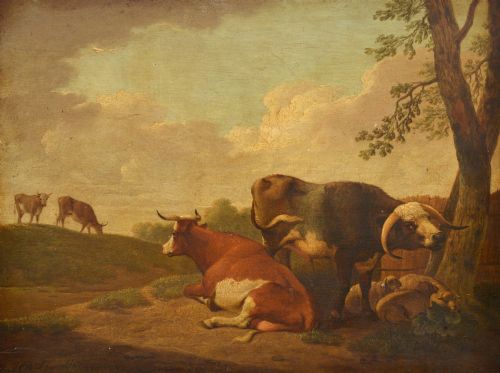
The selection ranges from detailed oil paintings by named artists to naive carved wooden toys of calves and horses reflecting everyday rural life.
Engravings and oil portraits capture domestic animals and exotic species alike, dating from the eighteenth century into the nineteenth century with Georgian and Regency styling.
Materials and techniques
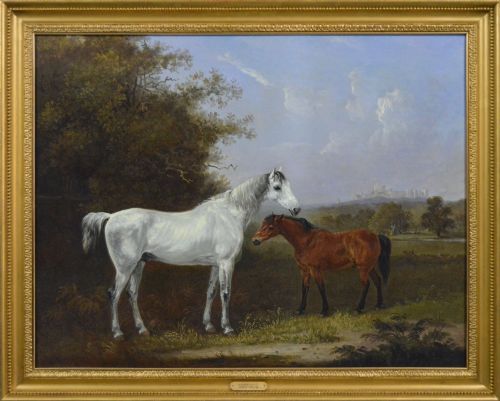
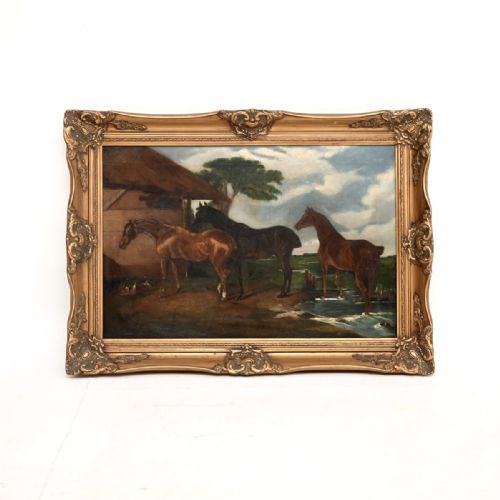
Artists utilised oil on canvas and wood panels to render landscapes with cattle, hound dogs and sporting scenes, often applying gold leaf or giltwood to frames.
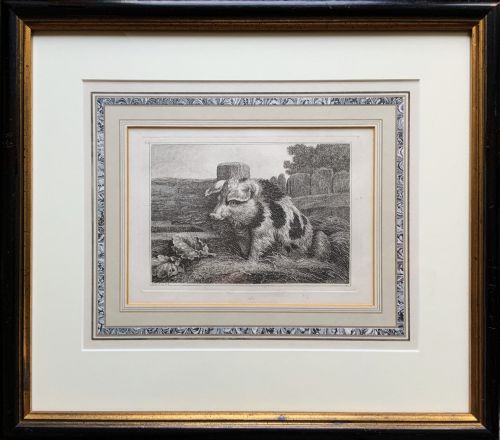
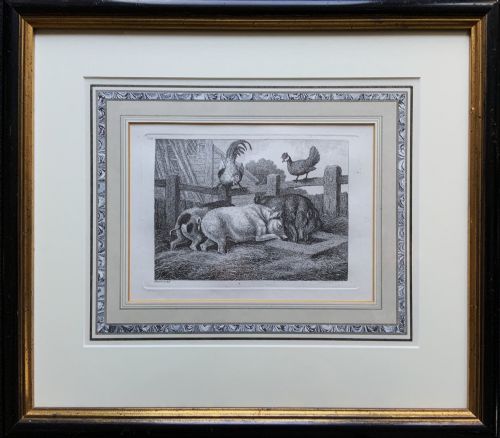
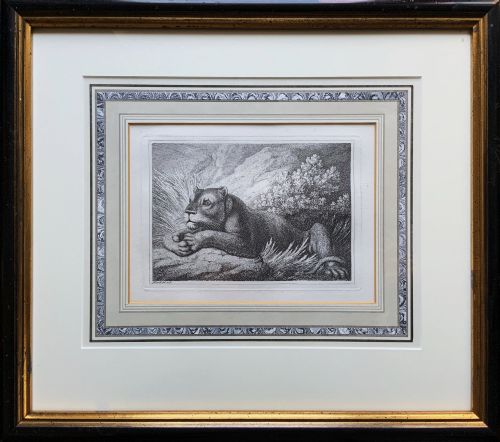
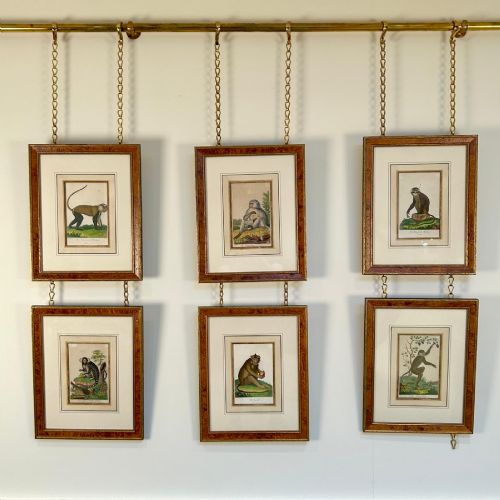
Etchings and hand-coloured engravings on paper preserve fine linework for subjects such as lions, pigs and monkeys.
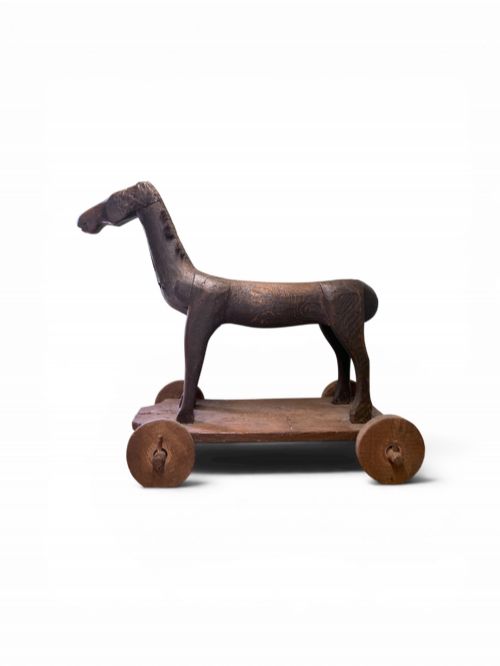
Carved wooden sculptures utilise traditional woodworking methods to form naive figures like toy horses and calves.
Georgian Animal Art Retail Price Guide 2026
Typical asking prices for georgian animal art among the pieces listed under this phrase on Sellingantiques today, from the lower quarter to the upper quarter. They describe what is for sale here now, not the wider market.
Listings feature oil paintings, etchings, hand-coloured engravings, and carved wooden figures spanning the eighteenth and nineteenth centuries.
Variations in quality
The distinction between pieces rests on the precision of anatomy and the expressiveness captured in the depiction of the animal, whether a spaniel, a mare, or farmyard pigs.
Framed works show variance in the preservation of the original paper or canvas, alongside the craftsmanship of period frames featuring metal embellishments or giltwood.
Samuel Howitt·Edmund Bristow·Hendrik Willem Schweickhardt·Samuel Raven·James Ward Ra·George Stubbs
The Georgian Animal Art Glossary
- Etching
- A printmaking method where acid cuts into a metal plate to hold the ink. This technique allows for fine lines in works by artists such as Samuel Howitt.
- Folk art
- Creative work produced by self-taught or traditional makers outside academic traditions. This includes carved wooden toys of calves and horses.
- Giltwood
- Wood that has been treated with gold leaf or gold paint. It frequently appears on the frames surrounding oil paintings and prints from the period.
- Sporting art
- A genre of painting and printmaking focused on rural sports, horses, hounds, and hunting scenes. Examples include works depicting mares at watering troughs and hunting pursuits.
Georgian Animal Art: Frequently Asked Questions
What animals appear in Georgian art?
The available pieces show a wide range of creatures, including dogs, horses, pigs, cattle, sheep, lions, hippos, monkeys, and calves.
Artists and makers captured both familiar farm animals and exotic wildlife through paintings, prints, and carved wooden toys.
How were these artworks displayed?
Most works are framed pictures intended for wall display in homes, utilising oil paint, engravings, and metal embellishments.
Smaller carved items, such as wooden toy horses and calves, functioned as decorative objects or playthings.
Are these pieces from the Georgian era?
The selection spans the eighteenth century and the early nineteenth century, encompassing Georgian, Regency, and folk art styles.
Dates range across the seventeen-hundreds and the early eighteen-hundreds, reflecting British and continental European origins.
What mediums did artists use?
Makers worked with oil on canvas and wood, hand-coloured ink on paper for engravings, and carved wood for sculptures.
Frames often incorporate giltwood and gold leaf to complement the artwork.