


Georgian Ancestral Portrait
A georgian ancestral portrait brings immediate gravity and lineage to a room, capturing family history in oil paint on canvas.
Georgian Ancestral Portrait
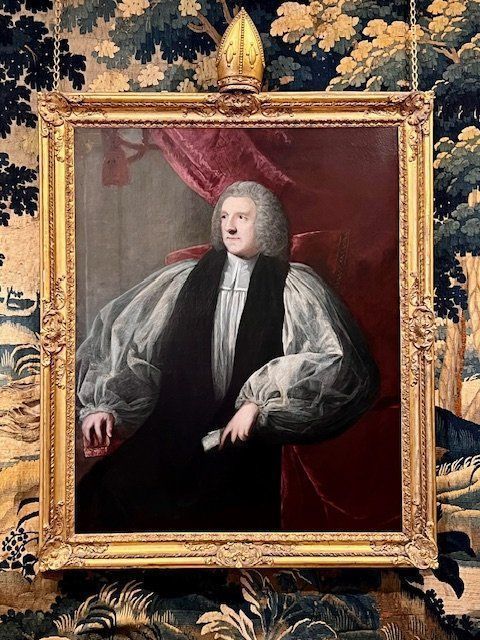
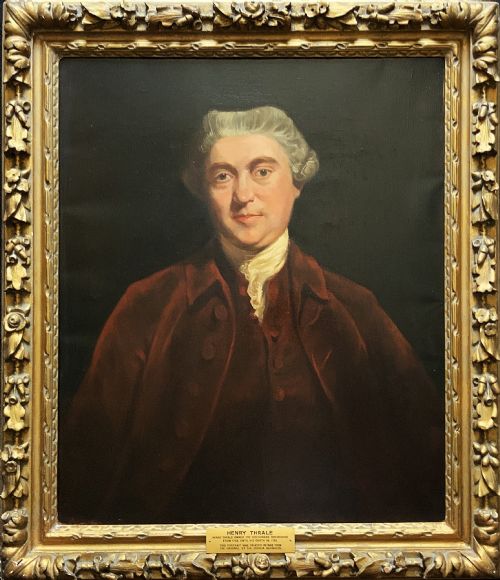
A georgian ancestral portrait depicts individuals from earlier centuries, most frequently gentlemen, ladies, and notable figures captured in oil on canvas. These works span periods from the seventeenth century through the nineteenth century, including Regency and English Baroque examples.
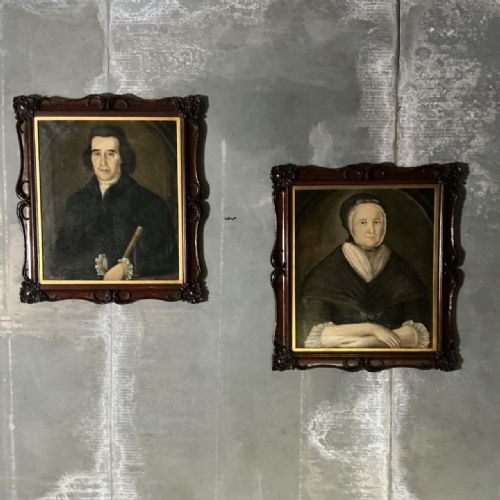
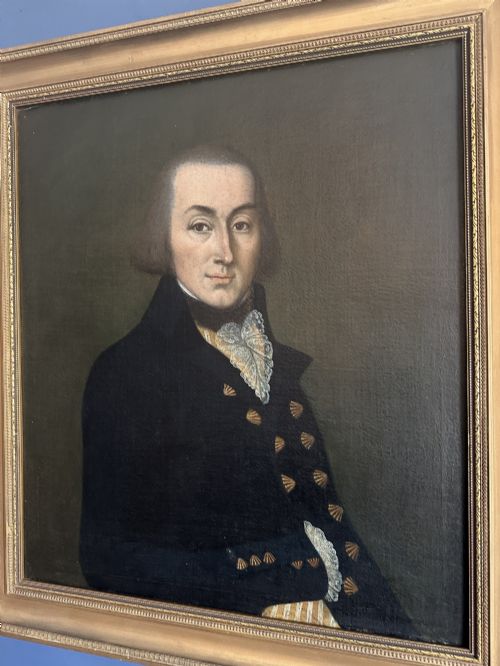
Buyers encounter single studies alongside matched pairs of portraits depicting a gentleman and a lady. Subjects range from ecclesiastical figures and naval officers to private individuals and family members associated with Scottish or English heritage.
How they were made
These works rely on oil paint applied to canvas supports, framed in wood, gesso, and giltwood structures that often retain their original gold leaf finishes. Painters built up the compositions using traditional oil mediums to render fabric textures, facial expressions, and atmospheric backgrounds.
Framing forms an integral part of the physical object, utilising carved wood and gesso finished with gold leaf to complement the canvas. Many surviving examples retain their period frames, which provide structural context for the paintings.
A youthful gentleman in a naval jacket rubs shoulders with archbishops and anonymous nobility.
What varies in quality
The preservation of the original canvas and the integrity of the giltwood or wood frame influence the overall standing of a piece. Original matching frames add significantly to the cohesion of paired portraits.
Sir Joshua Reynolds P.R.A.·Thomas Beach·Michael Dahl
The Georgian Ancestral Portrait Glossary
- Oil on Canvas
- A traditional painting medium where pigments bound in oil are applied to a stretched woven fabric support. This combination allows for rich colour blending and lasting durability.
- Giltwood
- Timber that has been decorated with a thin layer of gold leaf. It is commonly found on the ornate frames accompanying period portraits.
- Gesso
- A paint mixture consisting of a binder mixed with chalk, gypsum, or pigment, used to prepare wood surfaces before gilding. It provides a smooth base for the application of gold leaf.
- English Baroque
- An artistic style characterised by grandeur, drama, and rich ornamentation. It appears in seventeenth-century portraiture depicting subjects with theatrical presence.
Georgian Ancestral Portrait: Frequently Asked Questions
How do I date a georgian ancestral portrait?
Dating relies on stylistic clues within the subject's clothing, hairstyle, and the construction methods of the canvas and frame. The handling of the oil paint and the characteristics of the stretcher also offer chronological indicators.
Period references in the title, such as Regency or English Baroque, help anchor the piece within a specific design era. Comparing the portrait to documented works by known painters or contemporary schools refines the timeline further.
Where should I hang an ancestral portrait?
These works suit prominent wall spaces in principal reception rooms, hallways, or libraries where their scale and subject matter can be appreciated. Traditional placement often mirrors their original domestic context above mantelpieces or along staircases.
Lighting should be controlled to prevent direct sunlight from degrading the oil pigments and canvas. Positioning the portrait away from excessive heat sources preserves both the painting and its giltwood frame.
What is the significance of paired portraits?
Paired portraits typically depict a husband and wife, or closely related family members, commissioned together to record a marriage or lineage. Surviving pairs remain desirable because they preserve the original social pairing intended by the patrons.
Matching frames and uniform sizing further confirm that the works were conceived as a single decorative and historical unit. Displaying them together maintains their original narrative relationship.
How do I care for an oil on canvas painting?
Maintenance involves keeping the canvas and frame free of dust using a soft, dry brush without applying pressure to the painted surface. Environmental conditions require stable humidity and temperature to prevent the canvas from slackening or the wood from warping.
Professional conservation should be sought for any structural stabilization, cleaning, or varnish removal. Avoid using liquid cleaners or household products on either the canvas or the giltwood frame.