

Georgian Accent Side Tables
Georgian accent side tables bring compact utility and historic warmth to a room, offering practical surfaces in distinguished woods.
Georgian Accent Side Tables
When you search for georgian accent side tables, you are looking at small tables designed to serve specific functions around a room, such as holding lamps, drinks, or books. The pieces available span the eighteenth and nineteenth centuries, including later revivals, reflecting the domestic habits of the period.
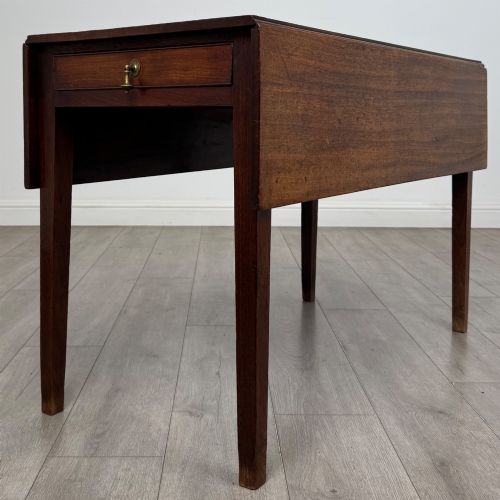
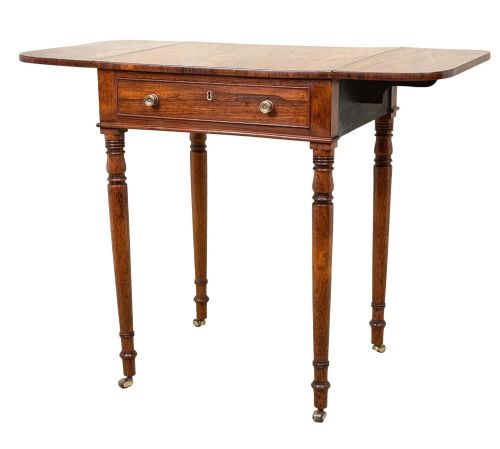
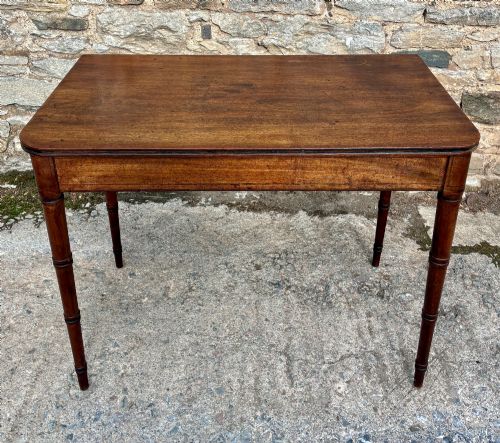
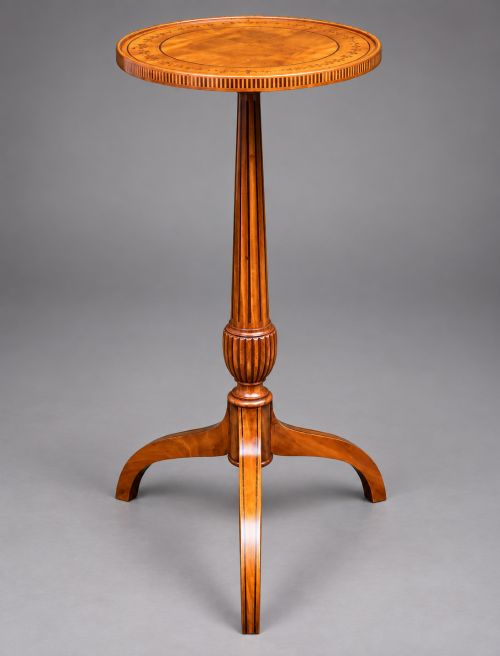
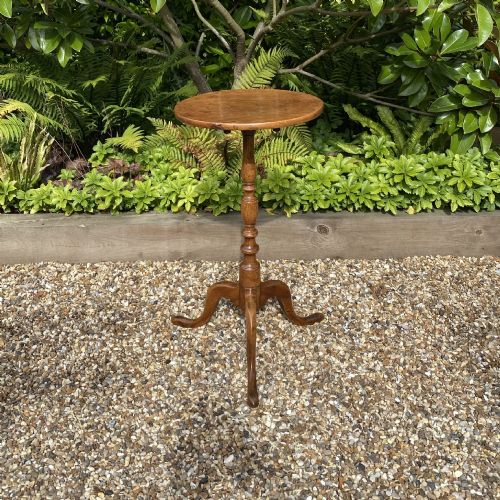
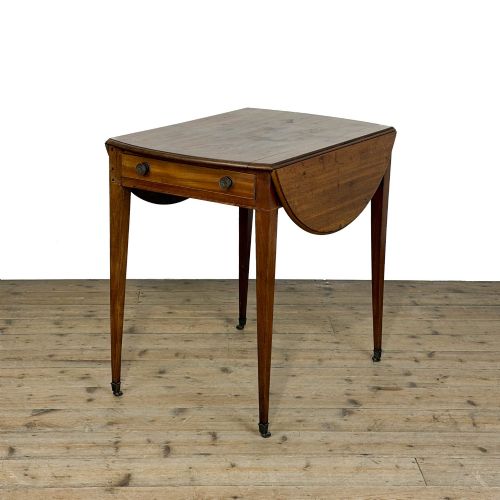
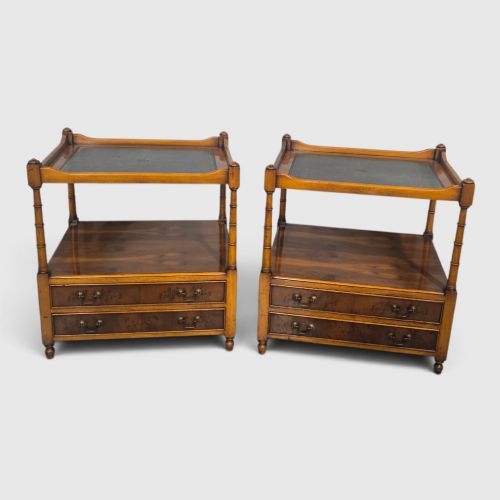
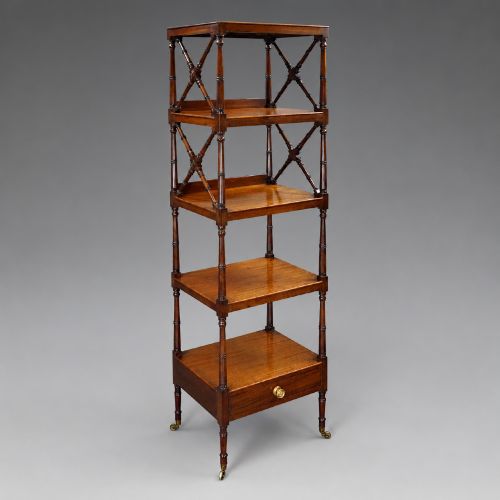
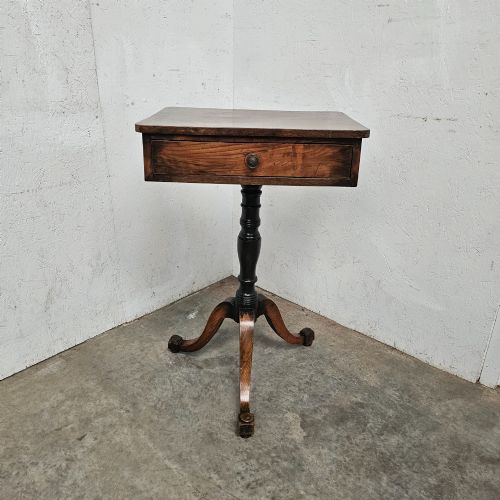
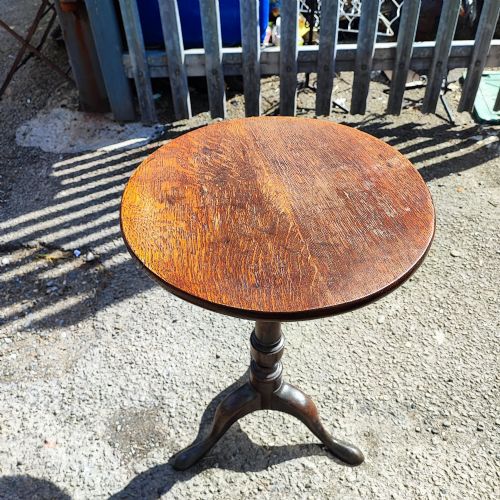
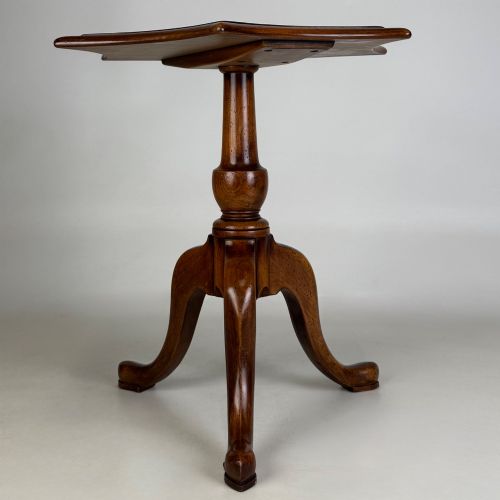
The forms on this page include Pembroke tables with drop leaves, tripod wine tables, small occasional tables, and lowboys. Oak, mahogany, and walnut appear frequently, alongside elm and satinwood, showing the diverse timber choices of past cabinet makers.
Materials and construction
Cabinet makers built these tables primarily from solid hardwoods such as mahogany, oak, walnut, and elm, often utilising figured veneers like burr oak or birdseye maple for decorative surfaces. Joinery techniques included dovetails for drawers and pegged joints for frames, while tripod bases relied on sturdy turned pedestals supporting shaped tops.
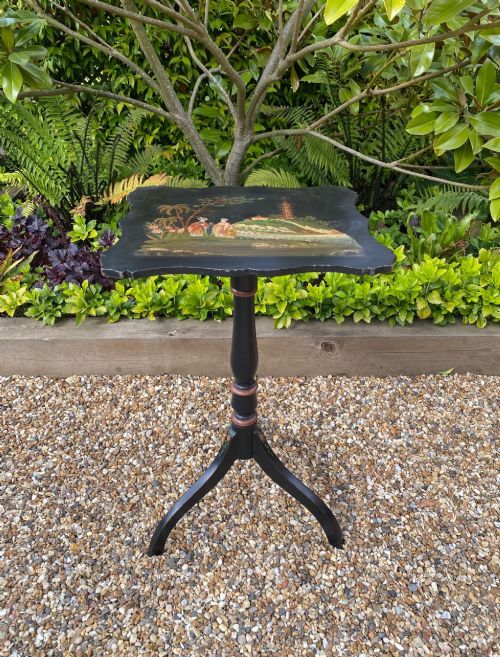
Surfaces were finished with polished timber grains, inlaid details, or painted finishes such as faux bamboo, demonstrating both natural wood patination and applied decorative painting.
Listings feature woods including mahogany, oak, walnut, elm, satinwood, and birdseye maple across various eighteenth and nineteenth-century forms.
Judging quality
Quality rests in the crispness of the timber carving, the choice of well-figured veneers, and the integrity of the original construction rather than later repairs. Tables that retain their original surfaces, stable pedestal joints, and balanced proportions command attention.
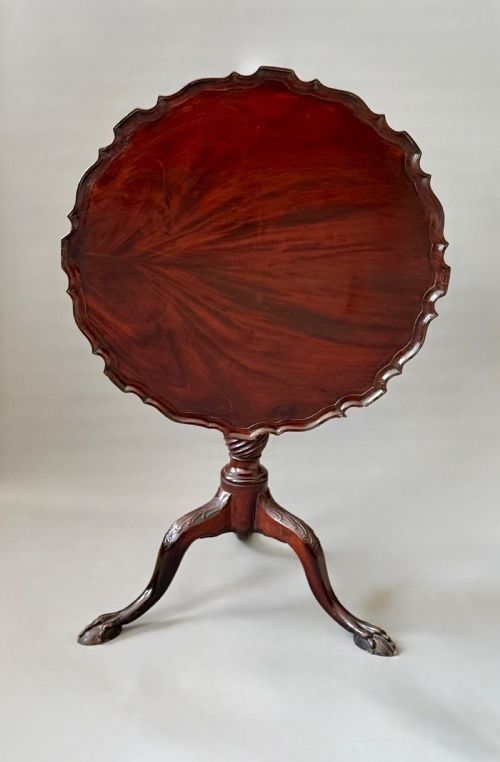
Finer examples show considered detailing in elements like pie crust rims, spider legs, or subtle inlay work, distinguishing them from simpler utilitarian pieces.
The Georgian Accent Side Tables Glossary
- Pembroke table
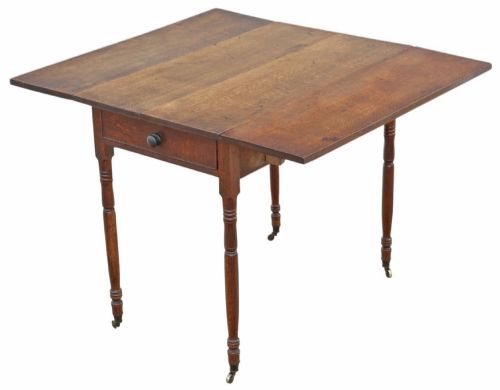
- A small table with hinged drop leaves on either side, often fitted with a drawer. This form originated in the eighteenth century for breakfast or writing use.
- Tripod table
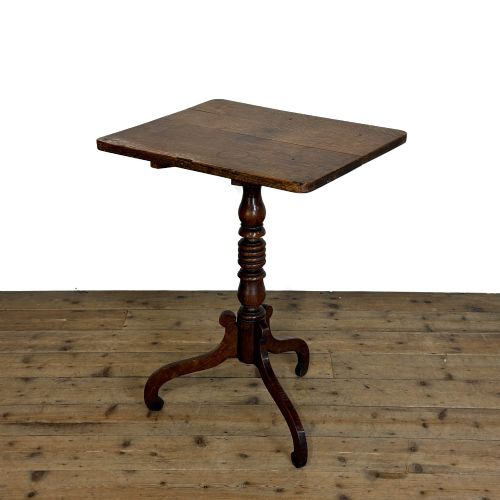
- A small occasional table supported by a single central pedestal dividing into three feet. Many examples feature tilt-top mechanisms for storage when not in use.
- Cricket table
- A small, lightweight table with three legs and a round wooden top, traditionally used in English homes. They are commonly constructed from oak or elm during the eighteenth century.
- Wine table
- A small pedestal table designed to hold glasses or a bottle, popular during the Georgian period. Tops are often circular and supported by turned wooden columns.
Georgian Accent Side Tables: Frequently Asked Questions
What is a Pembroke table?
A Pembroke table is a small drop-leaf table featuring hinged flaps on two opposing sides. They were designed for versatility, easily tucked away or opened out for light writing and dining.
The form dates from the eighteenth century and frequently includes a small drawer beneath the top, supported by straight or tapered legs.
How do I use a wine table?
Wine tables function well as small accent surfaces beside chairs or sofas to hold drinks, books, or lamps. Their compact footprints suit tighter spaces where larger furniture does not fit.
Many period versions feature tilt-top mechanisms, allowing the top to pivot vertically against the pedestal when stored.
What is a lowboy?
A lowboy is a small table with a low set of drawers, historically used as a dressing table or a side table. Eighteenth-century examples often display fine timbers such as walnut or burr elm.
Their shallow proportions make them practical as hallway surfaces or writing desks in smaller rooms.
How can I tell a Georgian table from a later revival?
Georgian pieces display the construction methods, wear patterns, and timber characteristics typical of the eighteenth century. Makers of later revival periods in the nineteenth and twentieth centuries adopted these earlier styles but often used different secondary woods and machine-cut fixings.
Examining the underside, drawer linings, and joint construction helps determine the age of the piece.