

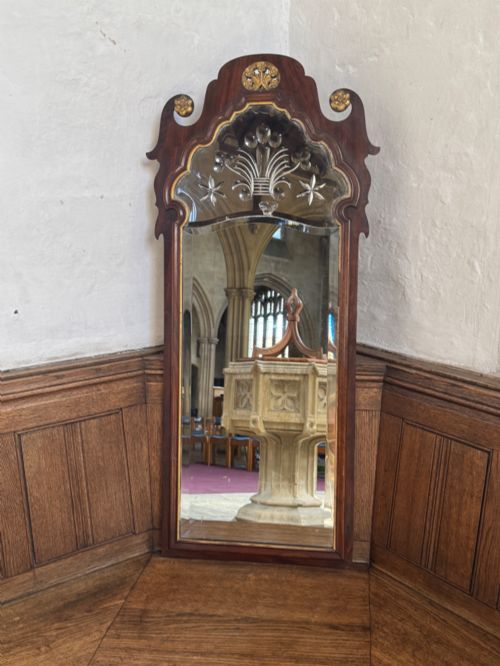


Georgian Accent Mirror
These georgian accent mirror pieces bring brilliant reflection and period craft into a room, offering immediate depth and historical character.
Georgian Accent Mirror
A georgian accent mirror brings distinct period reflection into a room, spanning wall mirrors, pier glasses, and overmantel forms. These pieces serve as a focal point, drawing light and adding depth through classic proportions.
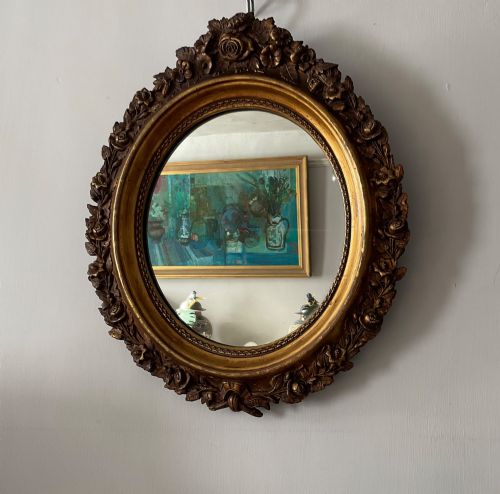
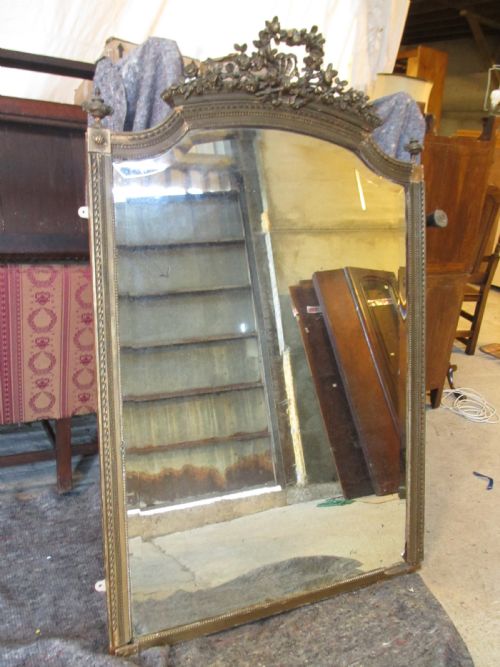
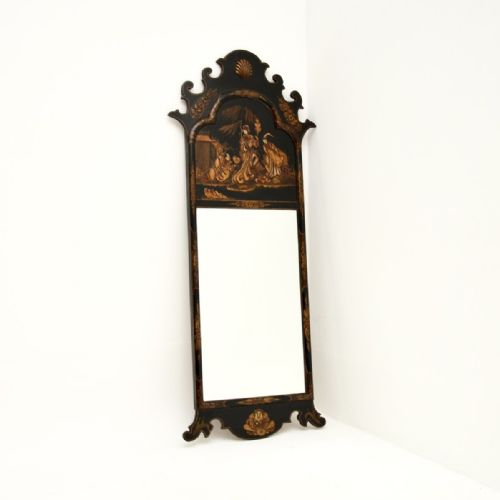
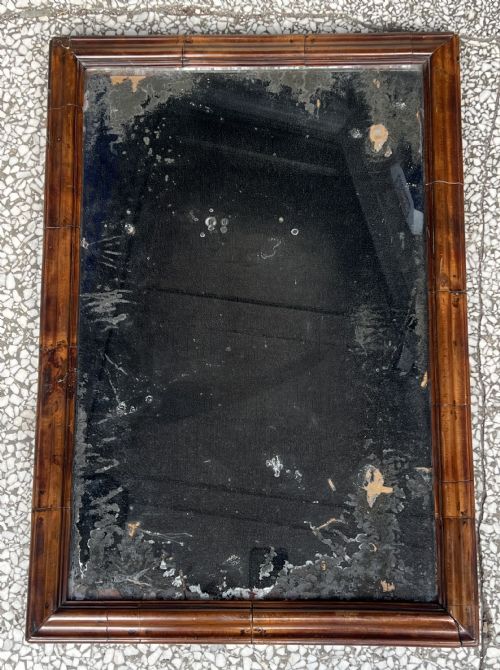
The options here include genuine 18th-century pieces alongside later revivals from the Victorian, Edwardian, and 1920 periods. Buyers frequently encounter giltwood wall mirrors and rich walnut frames alongside compact convex designs.
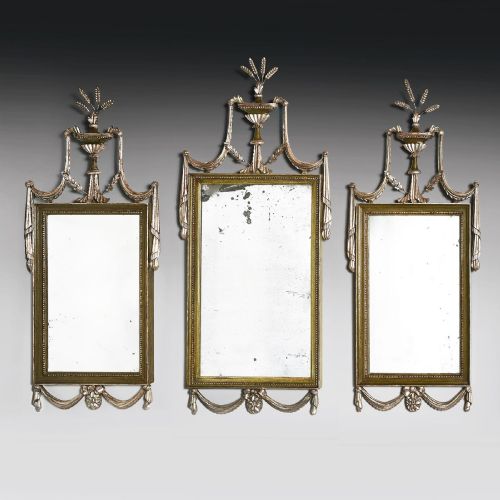
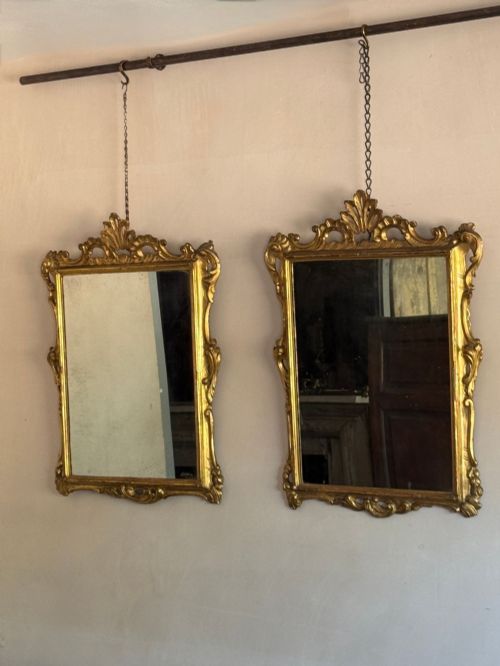
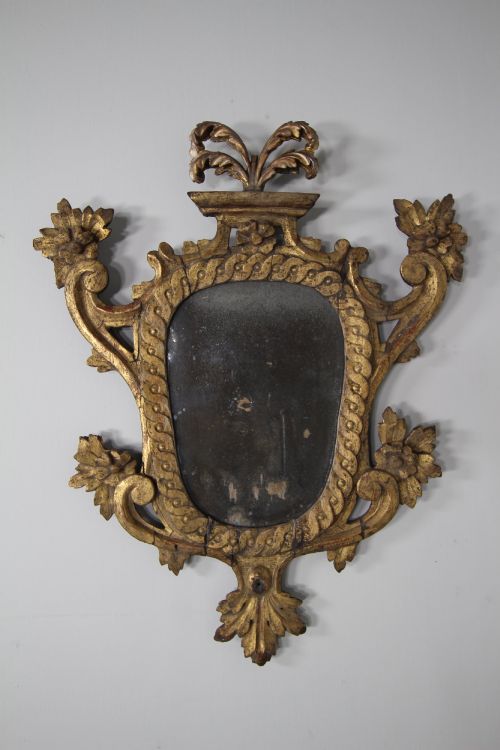
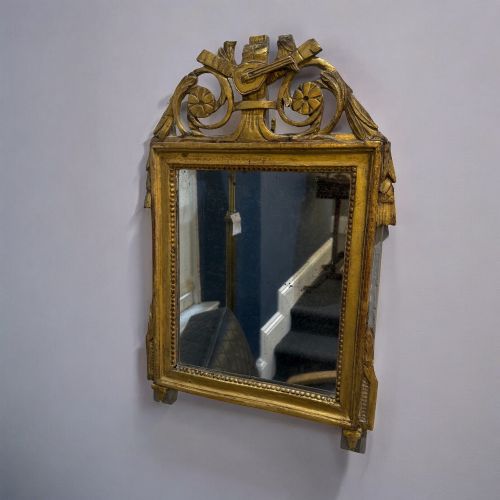
Origin and styling vary across the selection, moving from English George II and George III designs to Italian Rococo and Neoclassical interpretations. Each form reflects the distinct decorative priorities of its specific period of manufacture.
Materials and construction methods
Makers shaped these frames from solid timbers including mahogany, walnut, and carved wood, frequently applying a layer of gesso to accept fine detail. Artisans then gilded these prepared surfaces with gold leaf or used parcel gilt highlights to catch the light.
Glass plates provide the reflection, occasionally appearing as reverse cut plates or circular convex formats that distort the room in the manner of Regency halls. Specialised paint finishes, japanning, and inset hand-painted foliate panels further enrich the decorative surfaces.
Georgian Accent Mirror Retail Price Guide 2026
Typical asking prices for georgian accent mirror among the pieces listed under this phrase on Sellingantiques today, from the lower quarter to the upper quarter. They describe what is for sale here now, not the wider market.
Convex mirrors were once called butler's mirrors because the curved glass let servants monitor the entire dining room from a single glance.
Distinctions in quality and execution
The depth and crispness of the carved wood separate standard joinery from superior work, particularly around foliate cresting and giltwood embellishments. Hand-carved elements display a fluidity that mechanical replication fails to achieve.
The integrity of the original glass plate and the subtlety of the gilding over gesso define the upper tier of these mirrors. Superior examples maintain their original surfaces and structural harmony across the frame and glass.
John Belchier
The Georgian Accent Mirror Glossary
- Giltwood
- Wood that has been coated with gold leaf or gilt. This finish provides the characteristic warm metallic gleam seen on period frames.
- Gesso
- A plaster-like mixture applied to wood frames to create a smooth surface for carving and gilding. It allows for intricate relief ornamentation.
- Convex mirror
- A circular mirror with a bulging curved glass plate. These convex glasses create a wide-angle reflection of the interior space.
- Pier glass
- A tall mirror designed to hang on the wall between windows. They often sit above a matching pier table.
- Parcel gilt
- A decorative technique where only specific portions of an object receive gilding, contrasting with painted or wood finishes.
- Foliate cresting
- Decorative carving at the top of a mirror frame that mimics leaves and foliage. It forms the elaborate crown of the piece.
Georgian Accent Mirror: Frequently Asked Questions
Where should I hang a convex mirror?
Convex mirrors work best in smaller spaces like hallways or dining rooms where they gather light and project a wide-angle view of the interior.
Position the glass at eye level to make the most of the optical effect and the decorative frame.
How do I distinguish 18th-century originals from later revivals?
Look closely at the construction methods, timber ageing, and the composition of the gesso beneath the gold leaf. Revival pieces from the Victorian and Edwardian eras often show different tool marks and material consistency.
Reviewing the style indicators, such as George II or Neoclassical motifs, helps align the piece with its actual period of manufacture.
What is a pier mirror used for?
Pier mirrors were traditionally hung on the narrow section of wall between two windows, known as the pier. They maximised natural light in formal reception rooms.
Today, these tall vertical mirrors function effectively above mantelpieces or console tables.
How should I care for giltwood frames?
Dust the carved surfaces gently with a soft, dry brush to prevent accumulation without disturbing the delicate gold leaf. Avoid liquid cleaners and moisture.
Keep the mirrors away from direct sunlight and damp environments to protect the underlying gesso and wood.