





George V Silver Scoop
These pieces known as george v silver scoop encompass practical serving utensils and flatware forged in sterling silver across multiple periods.
George V Silver Scoop
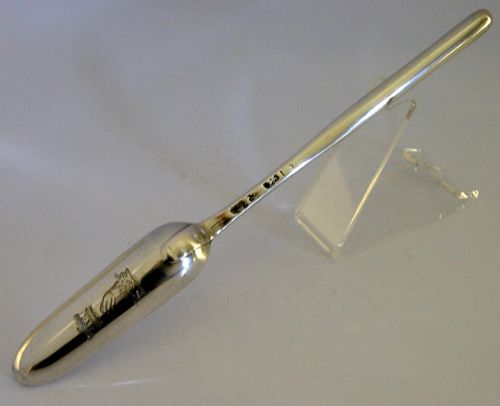
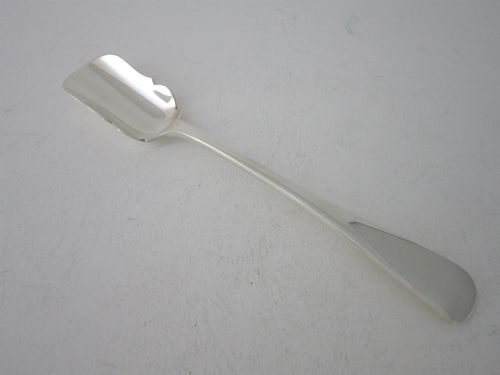
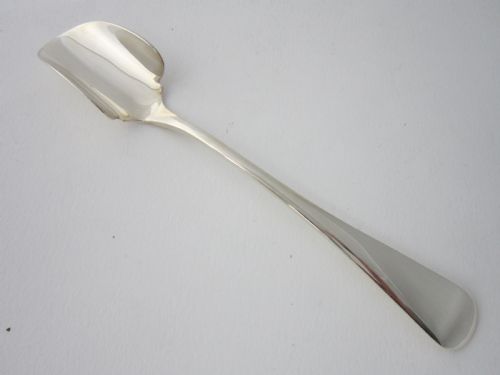
When someone searches for a george v silver scoop, they encounter a variety of serving utensils and flatware spanning multiple centuries of British silver production. The selection incorporates forms such as marrow scoops, stilton scoops, caddy spoons, and toddy ladles.
The versions most commonly met on this page include sterling silver flatware bearing hallmarks from periods like the Georgian era, Victorian era, and the early twentieth century. These items reflect the domestic dining habits of past centuries, utilised for serving tea, cheese, marrow, and liquor.
How they were made
The primary material recorded across these items is solid sterling silver, often shaped into bowls, handles, and long shafts suited to specific serving tasks. Certain examples incorporate wooden elements alongside the silver structure to form the handle.
Techniques involve hammering, casting, and hand engraving, with silversmiths applying patterns such as the Old English design or detailed heraldic crests. Hallmarks are stamped directly into the metal to denote the assay office, year, and maker.
George V Silver Scoop Retail Price Guide 2026
Typical asking prices for george v silver scoop among the pieces listed under this phrase on Sellingantiques today, from the lower quarter to the upper quarter. They describe what is for sale here now, not the wider market.
Listings feature items made from sterling silver and wood, spanning periods from the eighteenth century through to the reign of George V.
What varies in quality
The distinction between tiers of these pieces lies in the crispness of the hallmarks, the clarity of engraved family crests or decorative handles, and the weight of the metal. Items exhibiting deep, legible punch marks and balanced proportions sit at a different level from heavily worn examples.
Makers and specific patterns also influence the standing of an item, as does the preservation of the original form without distortion. The integration of specialised motifs, such as jockeys cap caddy spoons or coronet engravings, alters the character of the piece.
The George V Silver Scoop Glossary
- Sterling silver
- A standard alloy consisting of silver and other metals, primarily copper, to increase durability while maintaining purity. This material forms the basis of the vast majority of items listed here.
- Hallmark
- An official stamp applied to precious metals by an assay office to guarantee the purity of the metal, the year of manufacture, and the maker. These marks provide the primary evidence for dating older pieces.
- Old English pattern
- A traditional style of flatware design featuring a plain handle with a downward-curving tip. This pattern appears frequently on nineteenth and twentieth-century serving utensils.
- Caddy spoon
- A small spoon specifically designed for measuring tea leaves from a caddy into a teapot. These often feature decorative bowls shaped like shells or caps.
George V Silver Scoop: Frequently Asked Questions
How do I identify a George V silver scoop?
Identification relies upon reading the hallmarks stamped into the silver, which indicate the specific assay office and the active years of the monarch's reign. The George V period spans the early decades of the twentieth century.
Stylistic elements also provide clues, as silversmiths working during this era often revived earlier patterns like Old English while maintaining twentieth-century manufacturing standards.
What is a stilton scoop?
A stilton scoop is a specialised piece of cutlery created for serving hard cheeses such as Stilton. The long, curved blade allows the user to carve out portions from the centre of the cheese.
These utensils often feature wooden handles attached to a sterling silver shaft, combining materials for comfort and durability during dining.
How should I clean silver scoops?
Cleaning requires a soft cloth and a specialised silver polish to remove tarnish without abrading the metal surface or wearing down engraved details. Harsh chemical dips should be avoided, particularly on pieces with wooden handles.
Regular handling and proper storage in dry conditions help maintain the finish of the sterling silver over time.