



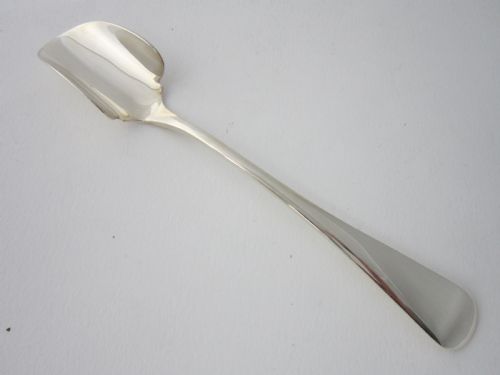


George V Silver Flatware
George v silver flatware comprises functional dining pieces created during the reign, alongside broader historical silver cutlery spanning multiple periods.
How they were made
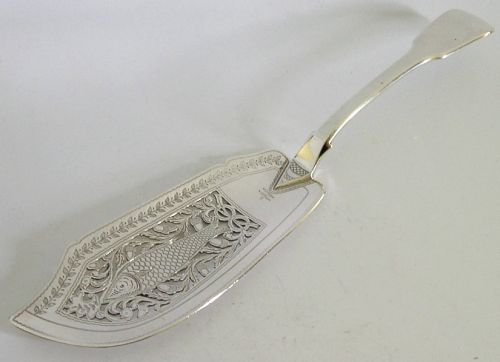
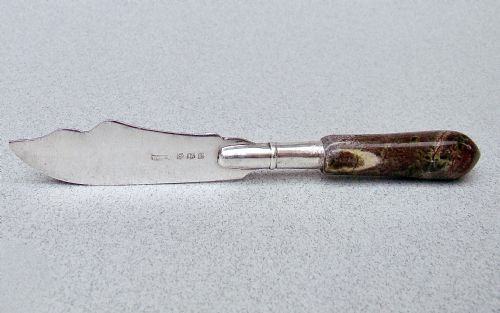
Makers shaped these items primarily from sterling silver, utilising traditional smithing techniques such as casting, hammering, and piercing. Certain twentieth-century items incorporate decorative elements like coloured enamel fused directly to the metal.
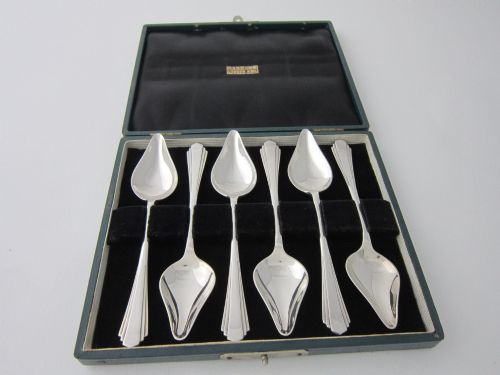
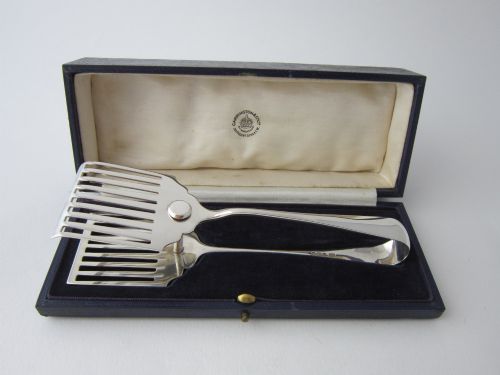
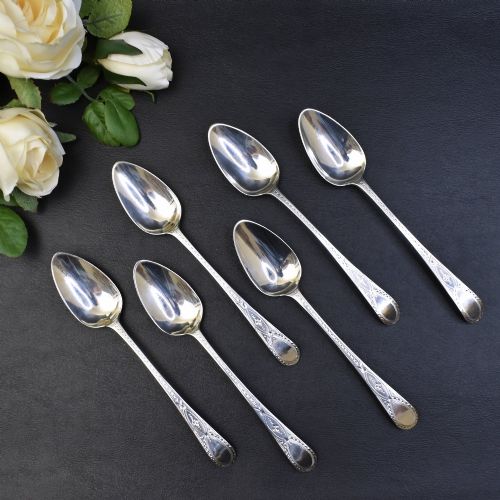
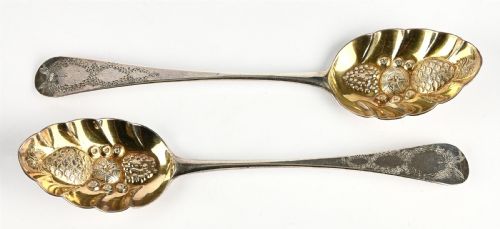
Details often include hand-engraved crests, bright-cut engraving, and fitted presentation boxes lined with velvet, silk, or leatherette. Goldsmiths applied gold gilt highlights to specific interior bowls and serving surfaces for aesthetic contrast.
What varies in quality
The standard of George v silver flatware and related pieces depends heavily on the crispness of the hallmarks, the depth of engraved crests, and the preservation of original surface detail. Heavier gauge metal provides greater durability and balance in the hand during use.
Artistic execution also separates standard utility items from superior examples, particularly where delicate enamel work, intricate piercing, or specialised maker attribution are concerned. Complete original presentation boxing elevates the integrity of surviving sets.
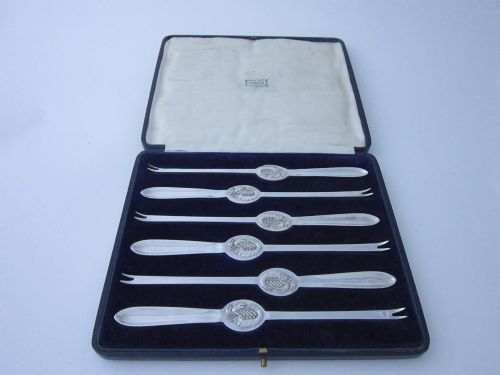
Some nineteenth-century diners required specialised lobster picks to extract delicate shell meat.
Joseph Willmore·Andrew Archer·Vale and St John·Peter and Anne Bateman·E Coker·William Scarlett·James Tookey·Charles Reily and George Storer·John Wilks·Michael Smith·James Tait·Robert Gordon·Wilkes Booth·George Unite·Thomas Daniell
The George V Silver Flatware Glossary
- Sterling silver
- An alloy consisting of 925 parts silver per thousand, forming the primary material standard for British dining silver.
- Hallmark
- A series of official stamps applied to precious metal items indicating the maker, assay office, and year of testing.
- Caddy spoon
- A short-handled spoon specifically designed for measuring loose tea leaves from a storage caddy.
- Marrow scoop
- A narrow, trough-like utensil historically used for extracting bone marrow from joints during formal meals.
- Bright-cut
- An engraving technique utilising faceted cuts to create geometric patterns that catch the light.
- Rat tail
- A prominent spine extending down the back of a spoon bowl from the handle, reinforcing the joint.
George V Silver Flatware: Frequently Asked Questions
What is george v silver flatware?
These items comprise dining implements and serving utensils produced during the early twentieth century alongside related historical silver pieces.
Collectors often group broader Georgian and Victorian dining silver under this heading when searching for traditional British tableware.
How were caddy spoons used?
These small spoons served to measure loose tea leaves from decorative storage containers into teapots.
Their shallow bowls and decorative handles made them both practical kitchen tools and refined tabletop accessories.
How do I identify silver periods?
Assay office marks, maker punches, and date letters stamped onto the metal reveal the exact year and location of manufacture.
Stylistic indicators such as bright-cut engraving or Hanoverian patterns also help assign pieces to specific historical reigns.
Are these pieces safe to use?
Sterling silver utensils function well for daily dining provided they receive gentle hand washing without harsh abrasive detergents.
Proper storage prevents unnecessary surface scratching and maintains the polish of historical dining implements.