
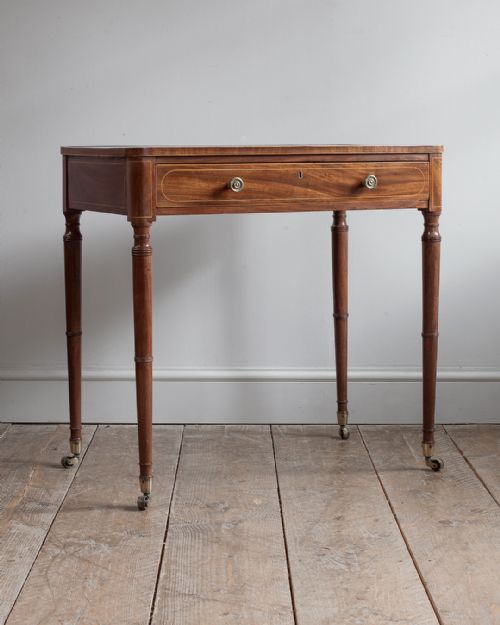
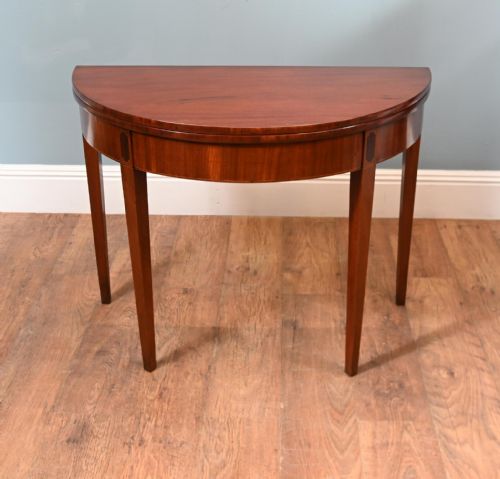
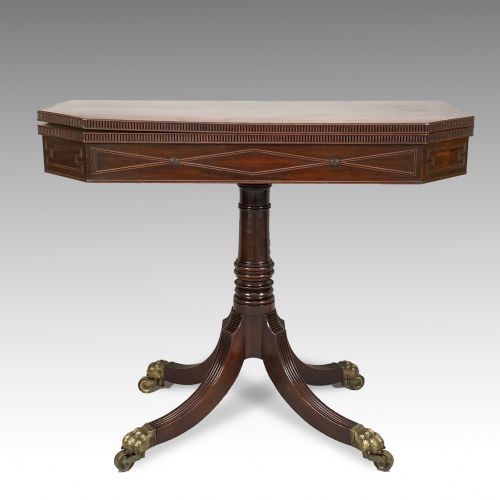


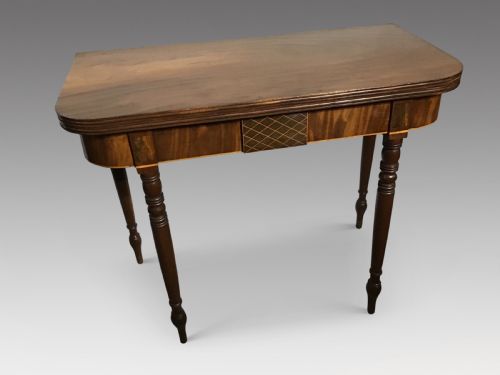

George IV Console Table
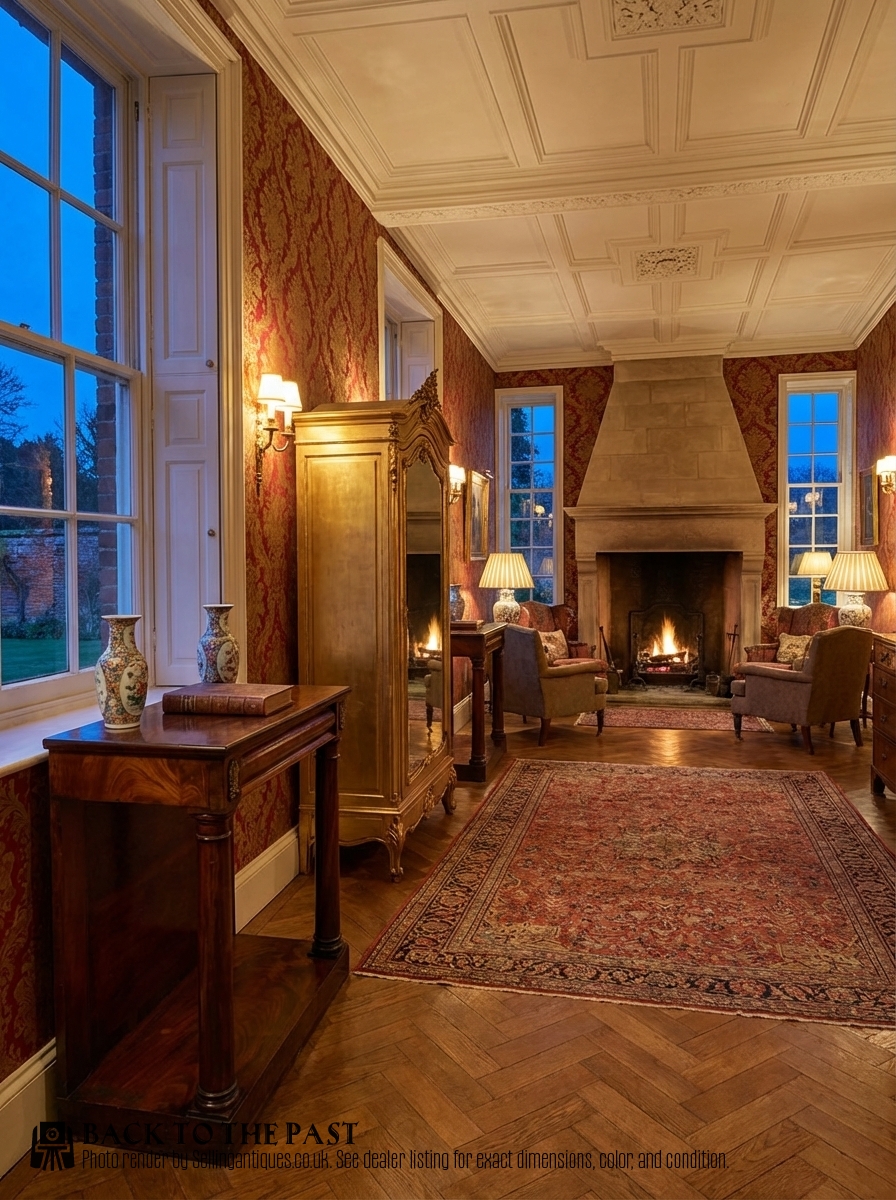
A george iv console table delivers architectural presence and warm timber grain, anchoring an entrance hall or living room with classical dignity.

George IV Console Table
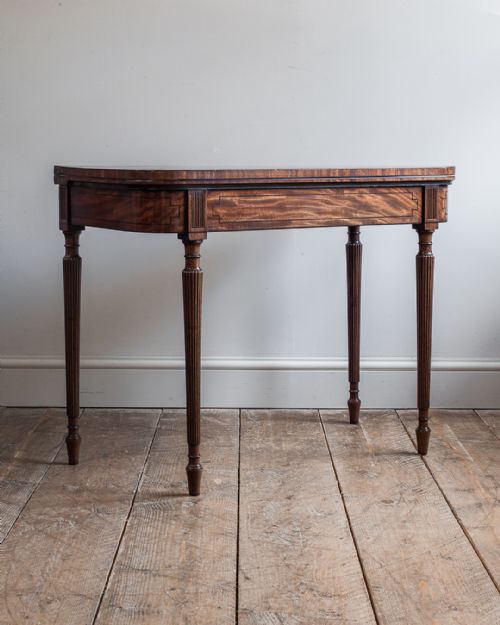
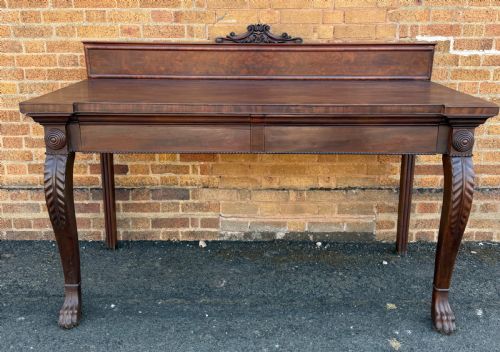
A george iv console table brings formal architectural presence to an interior, often appearing alongside related serving, tea, and card tables from the same period. These pieces originate in the early nineteenth century during the Regency and George IV eras, sharing proportions suited to wall placement in hallways and principal rooms.
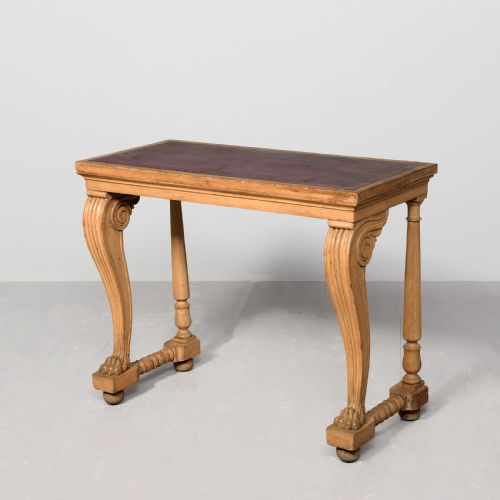
Mahogany and rosewood dominate the listings, frequently accompanied by oak, burr oak, and fruitwood. Examples range from simple side tables to grand marble-topped console forms influenced by neo-classical and Grecian design vocabularies.
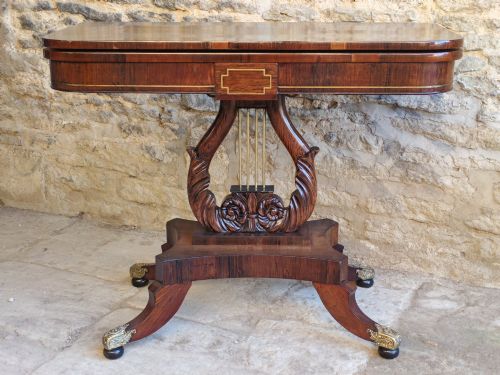
Buyers encounter variations such as D-shaped tops, fold-over card surfaces, and pedestal or lyre support bases. Pairs appear alongside single tables, offering symmetry for larger architectural spaces.
Materials and Technique
Cabinetmakers utilised solid timbers alongside flame mahogany and rosewood veneers laid over secondary woods to achieve rich surface patterns. Brass inlays, ebonised details, and giltwood highlights frequently punctuate the dark wood grains.
Structural support relies on robust pedestals, ring-turned legs, and lyre-shaped bases often carved with classical motifs. Marble inserts appear on select console tops, requiring precise stone-cutting and fitting within wooden frames.
George IV Console Table Retail Price Guide 2026
Typical asking prices for george iv console table among the pieces listed under this phrase on Sellingantiques today, from the lower quarter to the upper quarter. They describe what is for sale here now, not the wider market.
Judging Quality
The choice of timber grain dictates much of the visual impact, with figured veneers and rich patination separating superior examples from plain stock. Crispness of carving on pedestals and mounts reveals the hand of a skilled workshop rather than standard production.
Proportion and structural integrity define the architectural success of each piece, particularly where weighty marble tops meet slender wooden friezes and bases. Original surfaces and minimal timber restoration maintain the integrity expected by discerning collectors.
James Mein of Kelso·William Trotter
The George IV Console Table Glossary
- Console table
- A table designed to stand against a wall, traditionally fixed with brackets or supported by front legs.
- Lyre base
- A pedestal support shaped like the ancient musical instrument, popular in Regency furniture design.
- Flame mahogany
- A veneer cut from the fork of the mahogany tree, producing a distinctive flickering flame pattern.
- Marble top
- A stone slab fitted into the surface of a table, offering a durable and cool finish for hall use.
- Grecian style
- A design movement drawing inspiration from classical Greek antiquity, marked by bold scrolls and severe lines.
George IV Console Table: Frequently Asked Questions
Where should I place a console table?
These pieces suit entrance halls, corridors, and living rooms where floor space is shallow. Their flat backs sit flush against walls beneath mirrors or paintings.
They function well as lamp tables or service surfaces without obstructing circulation routes.
How do I identify a George IV piece?
Look for heavy classical influences, including scrolling supports, bold mahogany or rosewood grains, and robust pedestals. The era spans from eighteen-twenty to eighteen-thirty.
Construction details like secondary pine or oak framing help confirm the early nineteenth-century date.
Are marble tops original to these tables?
Many console tables were built specifically to carry marble slabs, particularly those designed in the neo-classical or Grecian taste.
Oak and mahogany versions frequently paired timber tops with fold-over mechanisms for card or tea use.
How do I care for rosewood and mahogany?
Protect antique timber surfaces from direct sunlight and excessive heat fluctuations to prevent veneer cracking. Regular dusting with a soft cloth maintains the natural wax patina.
Avoid silicone polishes which can penetrate the old finish and dull the grain.