



George III Vanity
A george iii vanity brings functional elegance to the bedroom, offering clever compartments and refined woodwork designed for daily grooming.
George III Vanity
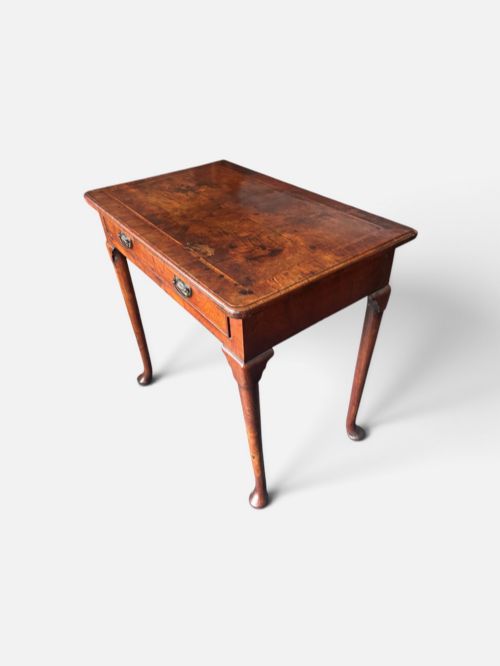
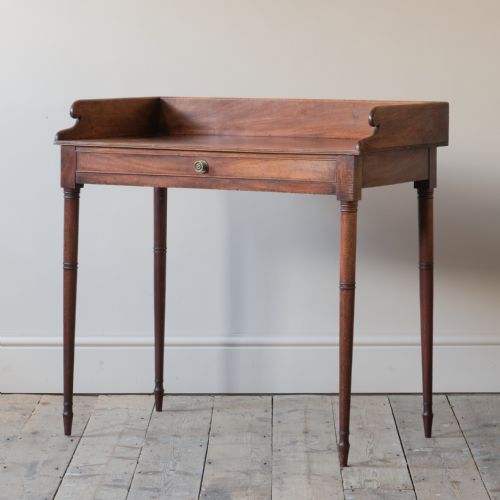
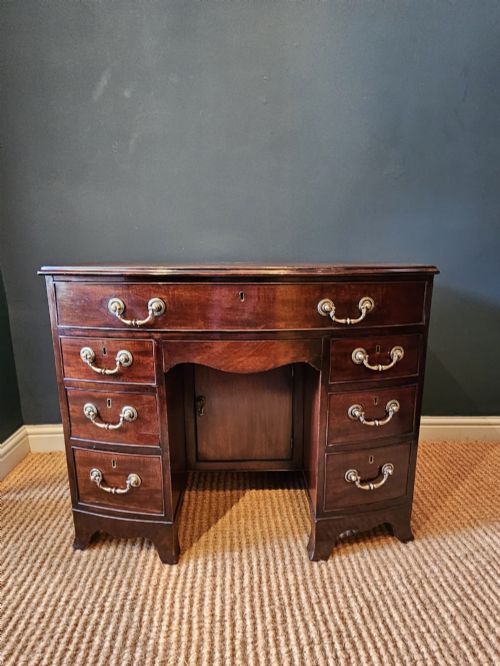
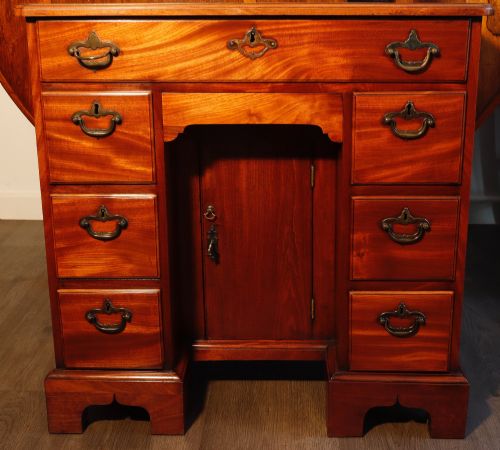
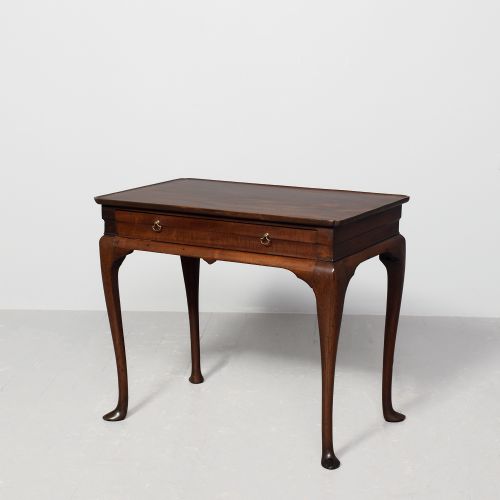
A george iii vanity encompasses pieces designed for personal grooming and dressing, including dressing tables, lowboys, washstands, and various forms of toilet and swing mirrors. These items originate predominantly from the Georgian period and the late 18th century, reflecting the domestic habits and craftsmanship of that era.
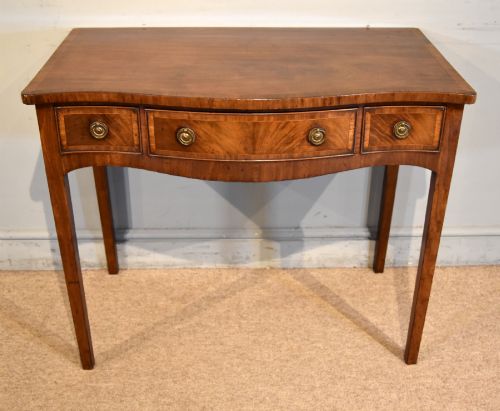
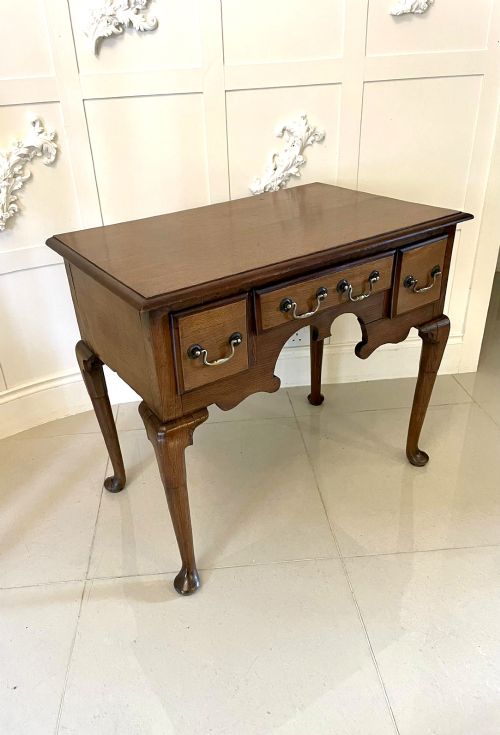
Forms range from simple oak lowboys to elaborate satinwood gentleman's washstands and serpentine dressing chests equipped with multiple compartments. Their origins trace back through the 18th century into the Regency and Edwardian eras, demonstrating enduring utility across successive decades of British design.
What varies in quality
Quality separates through the selection of timber figures, such as highly grained burr maple or figured walnut, compared to plain utility woods. Superior examples display meticulous attention to inlay work and the seamless integration of secret rising compartments or multiple small drawers.
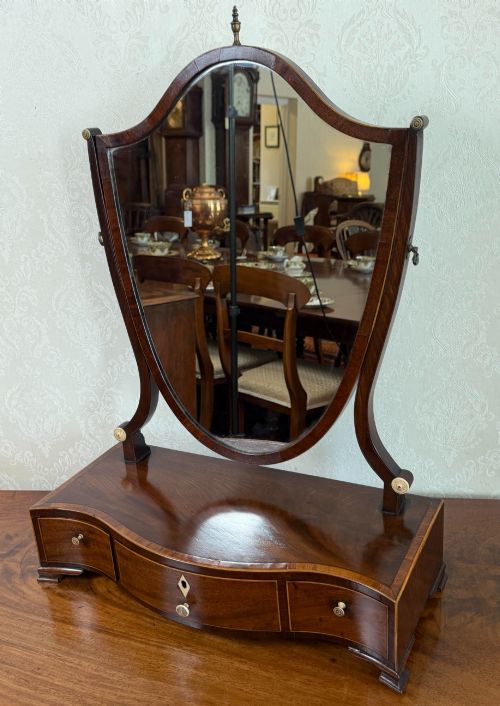
The sophistication of the silhouette defines the upper tier, seen in serpentine fronts and oval mirror frames rather than basic rectangular boxes. Original hardware, intact glass, and harmonious proportions across legs, galleries, and base structures elevate the standing of any piece.
Some dressing tables hide secret rising compartments designed to keep private letters and powders safely out of sight.
Paul Storr
The George III Vanity Glossary
- Lowboy
- A small table with drawers, commonly used as a dressing table or side table during the 18th century. It usually stands on slender legs and offers a compact surface for grooming items.
- Toilet mirror
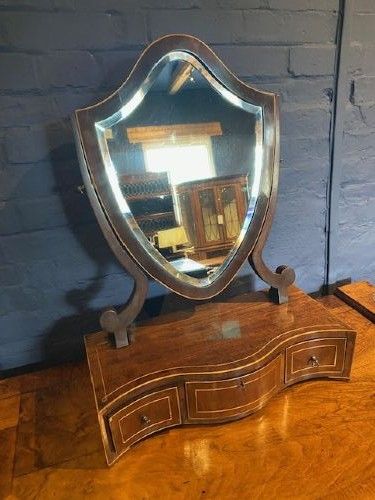
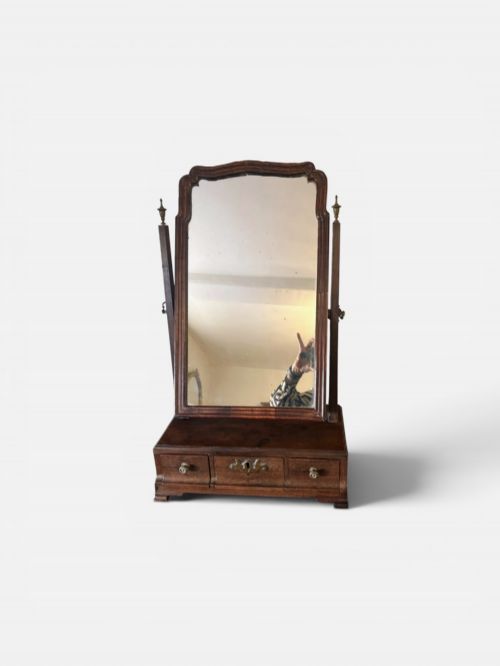
- A small mirror mounted on a box base or upright frame designed to sit upon a dressing table or chest. Many versions include small drawers for storing cosmetics or jewellery.
- Serpentine
- A curved shape featuring a convex centre flanked by concave sides, often seen on the front edges of dressing tables and mirror bases. This contour adds visual movement and requires skilled woodworking.
- Washstand
- A piece of furniture designed to hold a basin and pitcher for washing, sometimes fitted with splashbacks or enclosed compartments. These items were essential fixtures in Georgian bedchambers.
- Campaign mirror
- A portable mirror designed for travel, typically fitted with folding elements or protective wooden cases with brass corners. These pieces were built for durability and ease of transport.
George III Vanity: Frequently Asked Questions
What is a george iii vanity used for?
These pieces served as dedicated stations for personal grooming, washing, and dressing in the bedchamber. They provided surface space and storage for powders, mirrors, and accessories.
Many incorporated specialised compartments, small drawers, or wash basins to accommodate the daily routines of the period.
How do I identify a george iii vanity?
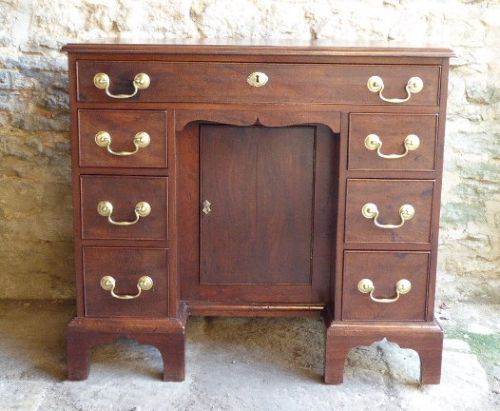
Look for characteristic materials like solid mahogany, satinwood inlay, and brass hardware typical of the late 18th century. Forms often include lowboys, kneehole desks, and adjustable toilet mirrors.
Construction details such as hand-cut dovetails and period framing help confirm the Georgian era of manufacture.
Where should I place a toilet mirror?
Toilet mirrors are traditionally placed atop a dressing table, chest of drawers, or sideboard to provide a reflective surface for grooming. Their compact box bases allow them to sit securely on various flat surfaces.
They also function well on dedicated writing desks or side tables in bedrooms and dressing rooms.
Are these pieces suitable for modern homes?
Their compact proportions make them highly adaptable for use as dressing tables, hallway desks, or decorative side tables in contemporary interiors. The drawer space provides practical storage for modern accessories.
Placing them in bedrooms or studies introduces classic woodwork and historical character without requiring excessive floor space.