

George III Table Top
A george iii table top brings home the architectural balance and timber richness of the late eighteenth century.
George III Table Top
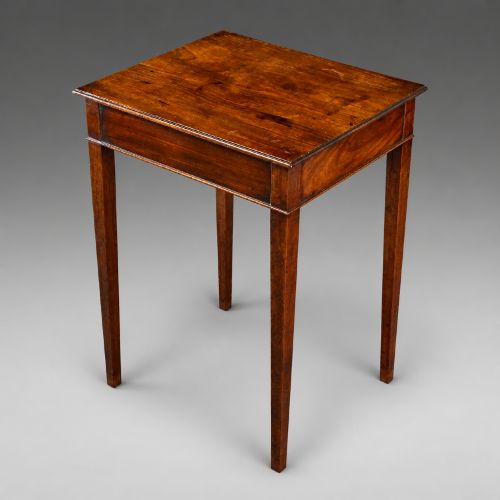
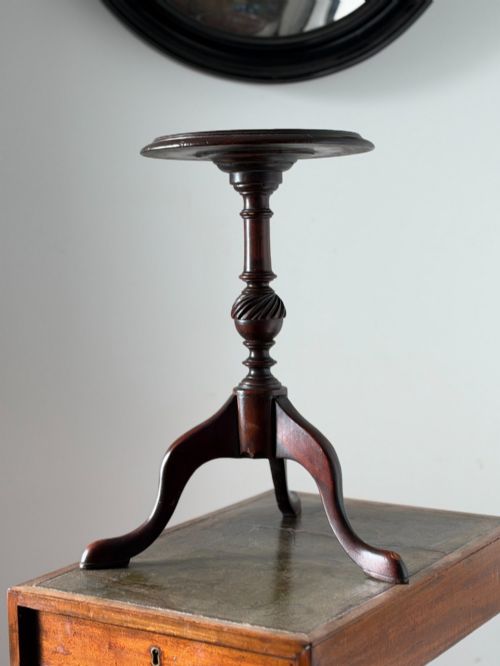
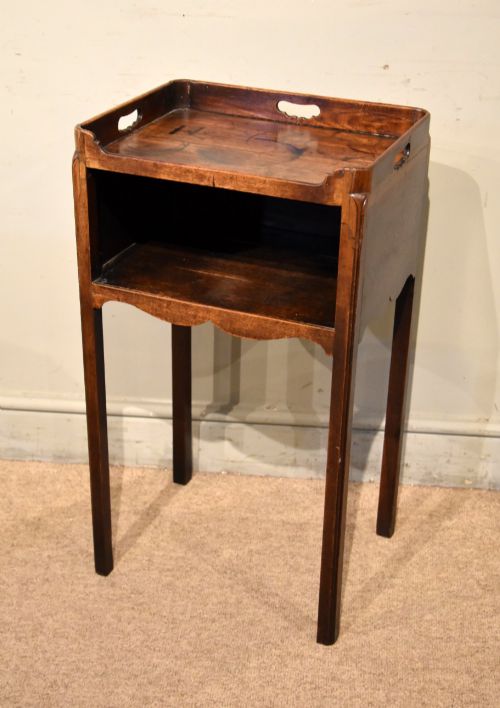
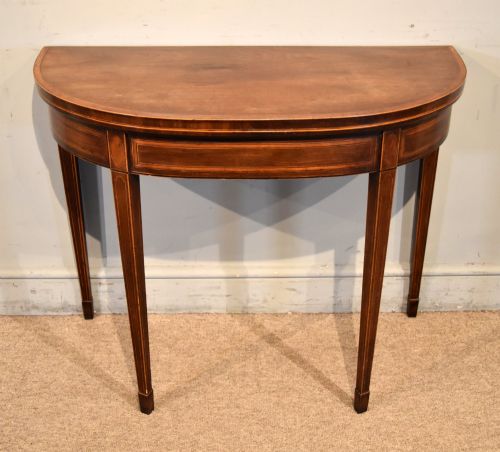
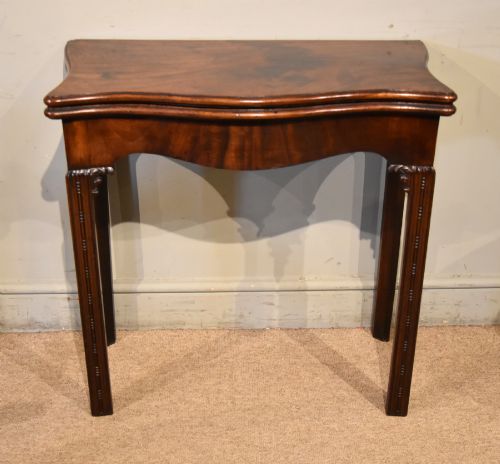
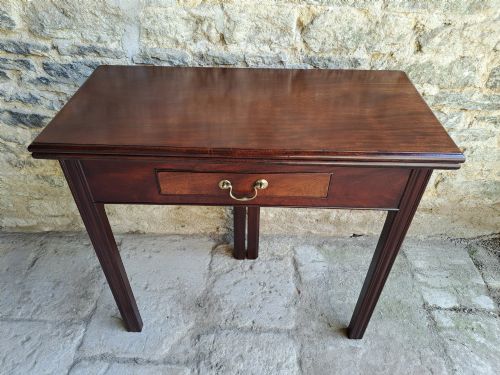
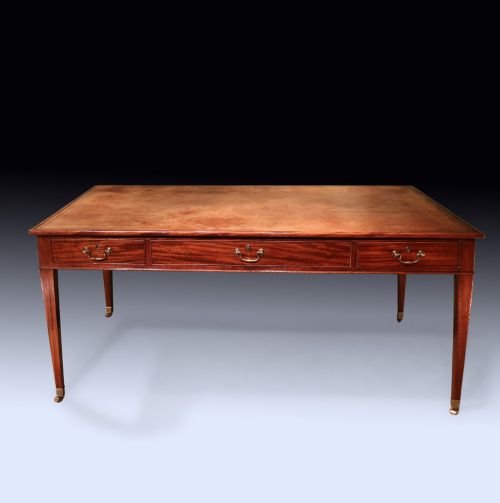
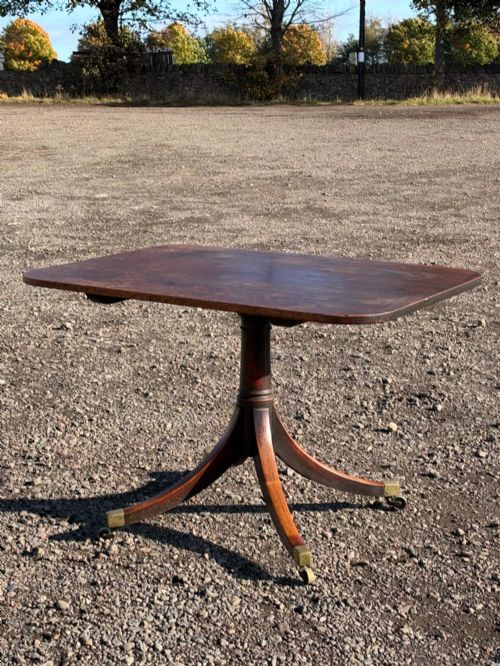
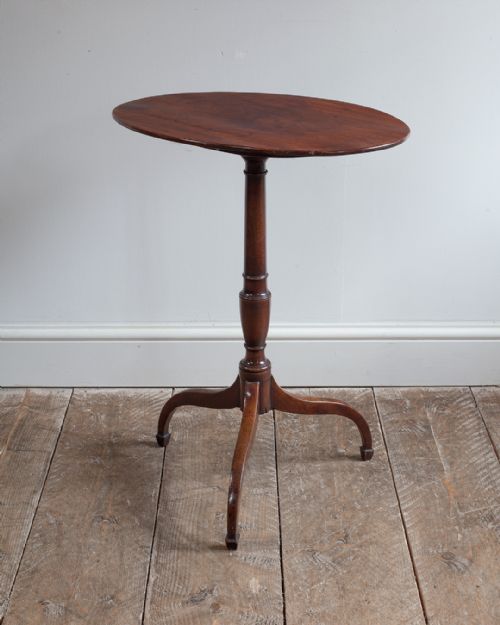
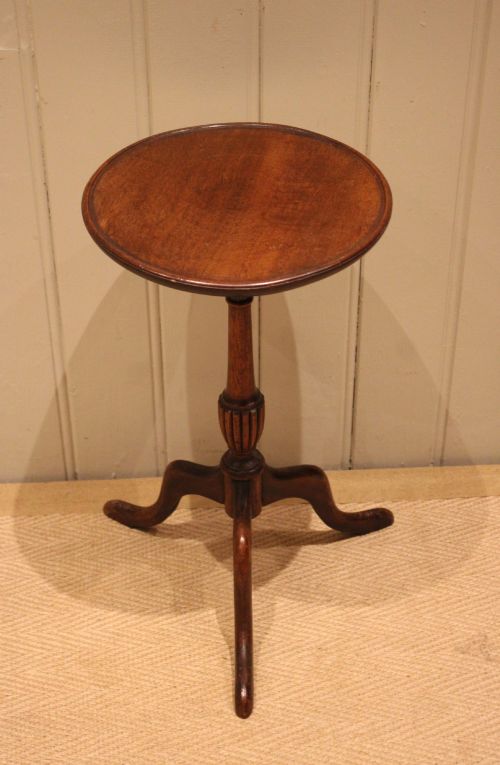
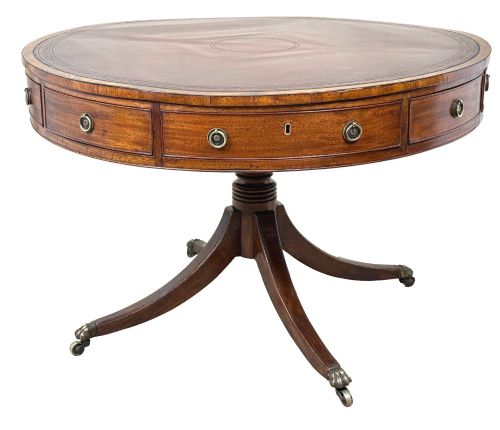
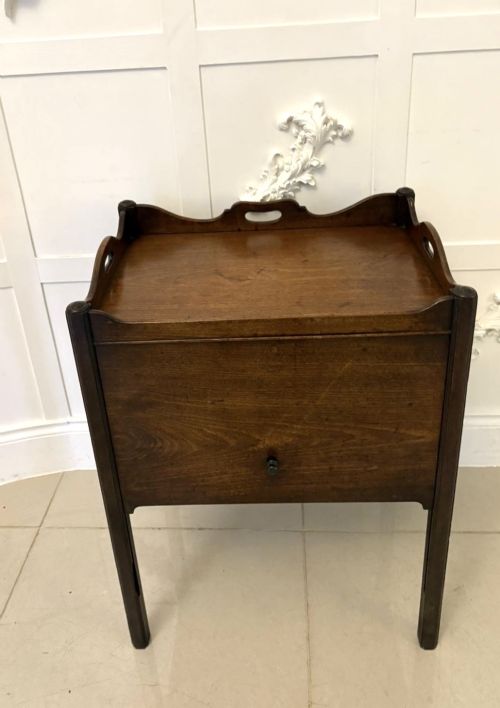
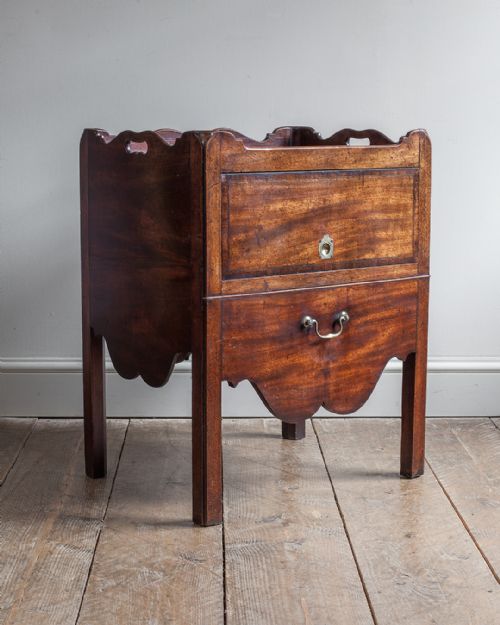
When looking for a george iii table top, a buyer encounters a diverse group of surfaces originating primarily from the Georgian period and the eighteenth century. These items span various practical forms designed for specific domestic duties, including tripod tables, card tables, tea tables, and larger dining or centre pieces.
The selections on this page are most frequently encountered in mahogany, alongside occasional examples in oak, pine, satinwood, and rosewood. Forms range from simple occasional and wine tables to elaborate tilt-top pie crust designs and crossbanded gaming surfaces.
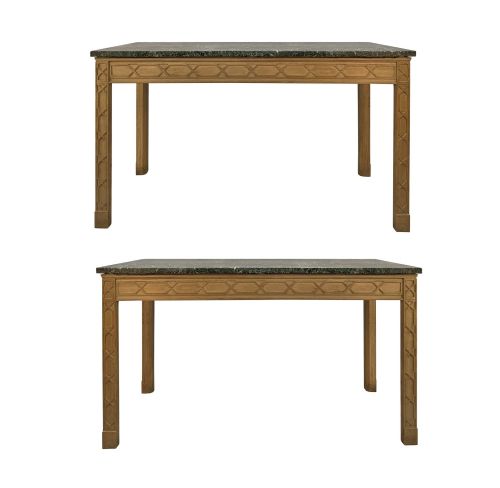
Makers and craftsmen of the era utilised specific structural configurations such as birdcage mechanisms and pedestal supports. Pieces also appear in later interpretations, including Edwardian pine console tables and twentieth-century reproductions.
Materials and Construction
Construction relies heavily on dense timbers like mahogany, frequently enhanced by decorative veneers such as satinwood and rosewood crossbanding. Secondary woods like oak and pine appear in internal framing and structural carcases.
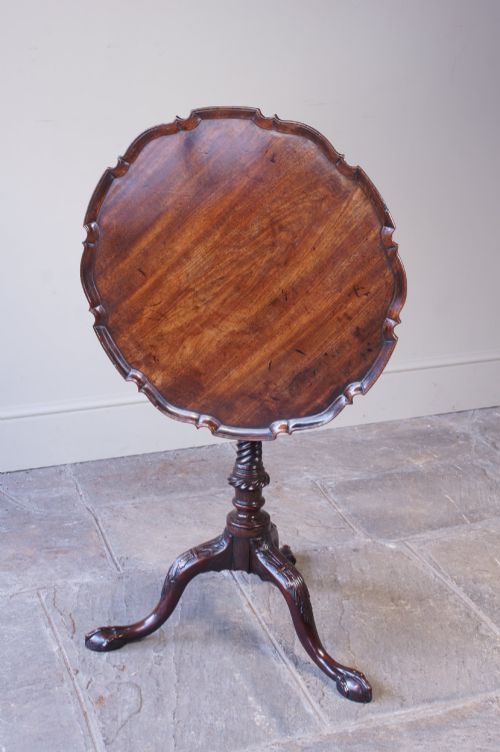
Joinery methods of the period prioritized mechanical ingenuity, seen in tilt-top actions, birdcage pivots, and stable tripod bases fitted with brass hardware. Decorative detailing often incorporates carved pie crust edges, inlaid chess boards, and polished leather inserts.
George III Table Top Retail Price Guide 2026
Typical asking prices for george iii table top among the pieces listed under this phrase on Sellingantiques today, from the lower quarter to the upper quarter. They describe what is for sale here now, not the wider market.
A vernacular oak table brings its own ancient tree ring straight into your hallway, complete with unapologetic country paintwork.
Assessing Quality
The distinction between tiers rests upon the choice of timber and the precision of the cabinetmaker's hand. Superior examples display carefully selected grain patterns, intricate crossbanding, and refined carving to edges and pillar supports.
Structural integrity and originality dictate the standing of a piece within the range. Refined proportions, sophisticated turning on pedestals, and intact mechanisms elevate an item far above vernacular or later reinterpretations.
Gillows
The George III Table Top Glossary
- Tripod table
- A small freestanding table supported by a central pillar above three diverging legs. This form gained immense popularity throughout the Georgian era for tea and occasional use.
- Tilt-top
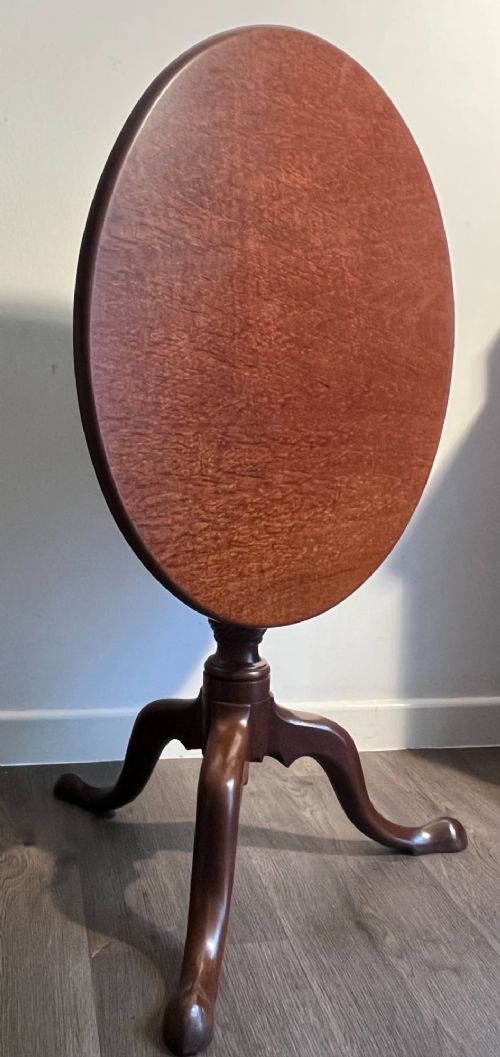
- A tabletop hinged to its pedestal so it can be tipped vertically when not in use. This clever space-saving mechanism allowed the furniture to sit flush against a wall.
- Pie crust edge
- A raised, carved moulding around the perimeter of a circular tabletop that resembles pastry work. It requires considerable skill from the woodcarver to shape from the solid timber.
- Crossbanding
- A strip of veneer applied to the border of a tabletop with the grain running perpendicular to the main surface. It provides a neat, contrasting frame for the central panel.
George III Table Top: Frequently Asked Questions
What is a tilt-top table used for?
These tables served flexible domestic functions in Georgian rooms, easily moved to the fireside for tea or reading. When the surface tipped vertically, the table stored compactly against the perimeter of the room.
This practical design made them essential furniture for entertaining guests in confined spaces without sacrificing floor area during the daytime.
What is crossbanding?
Crossbanding is a decorative technique where narrow strips of contrasting veneer are applied to the outer borders of a tabletop. The grain of the border timber runs across the strip rather than along the length of the table.
This method created a neat visual frame that highlighted the geometric precision of Georgian cabinet work.
Are these tables suitable for modern dining?
Smaller examples function well as accent furniture, lamp stands, or bedside surfaces in contemporary homes. Larger formats, such as centre tables and pedestal dining pieces, accommodate daily dining while displaying period character.
Careful placement away from direct heat sources helps preserve the polished timber surfaces and historical joints.