

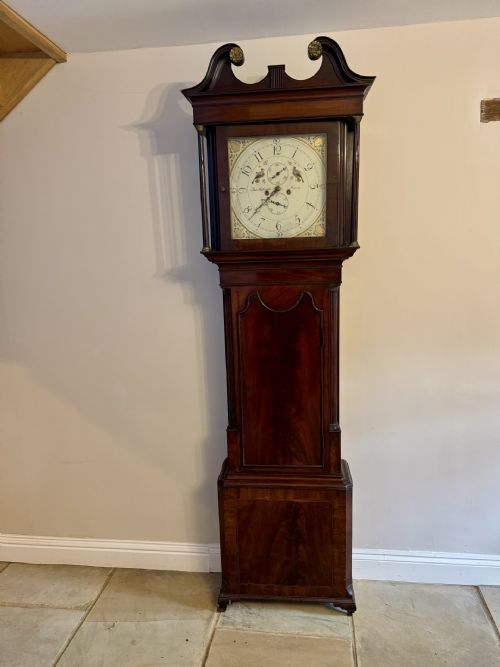


George III Longcase
A george iii longcase stands as the monumental heartbeat of a Georgian interior, measuring time with stately gravity and housing complex eight-day movements in timber cases.
George III Longcase
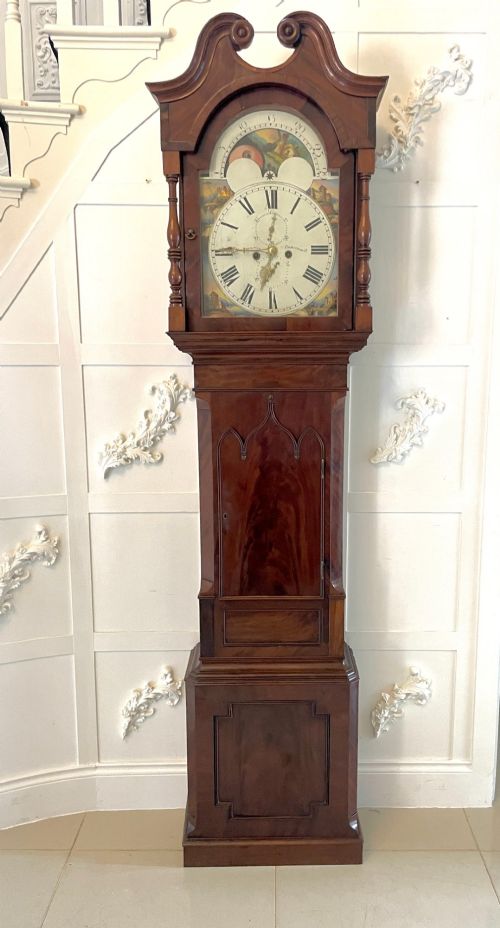
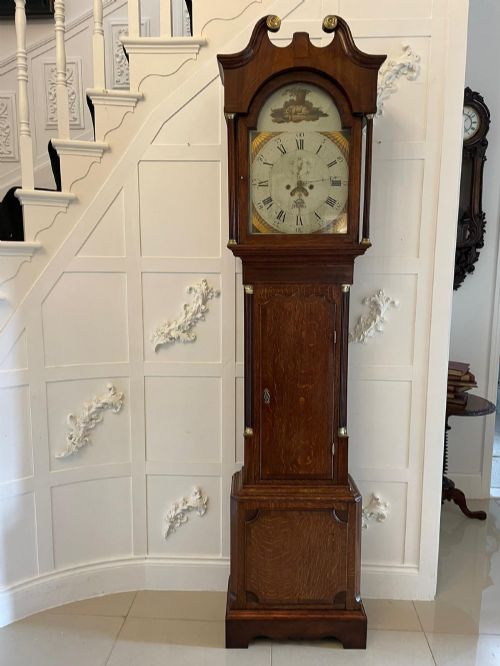
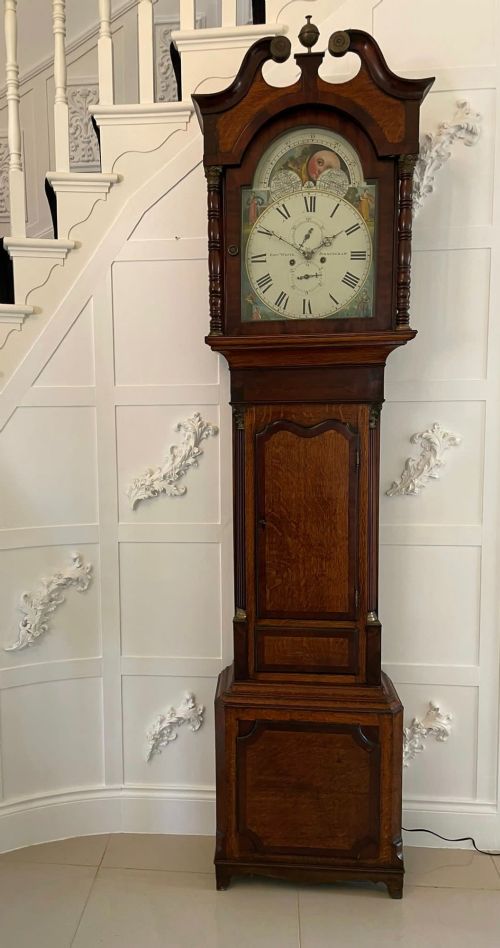
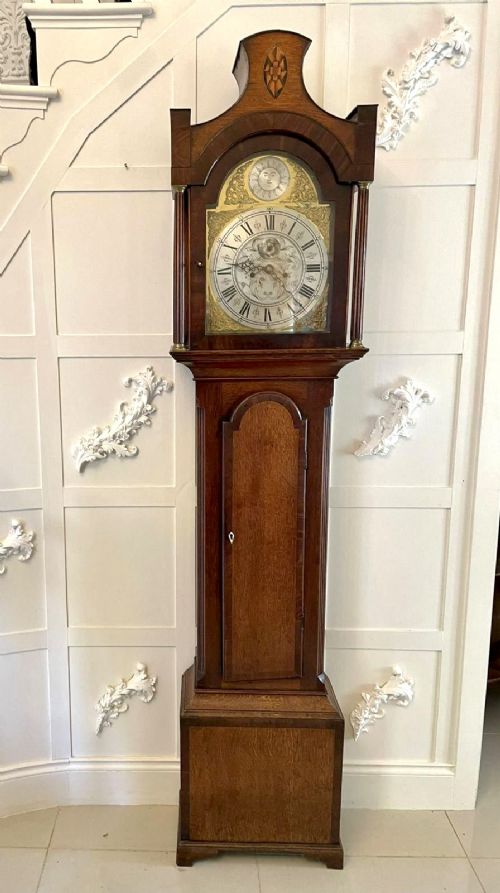
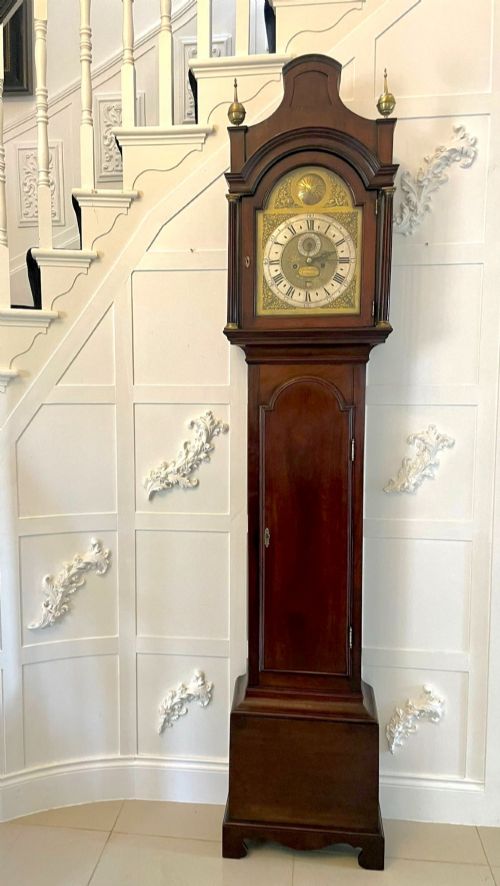
A george iii longcase clock combines an architectural timber hood and trunk with a weighted movement, commonly referred to as a grandfather clock. These timepieces originate from the eighteenth and early nineteenth centuries, spanning periods from seventeen-fifty through to the regency era.
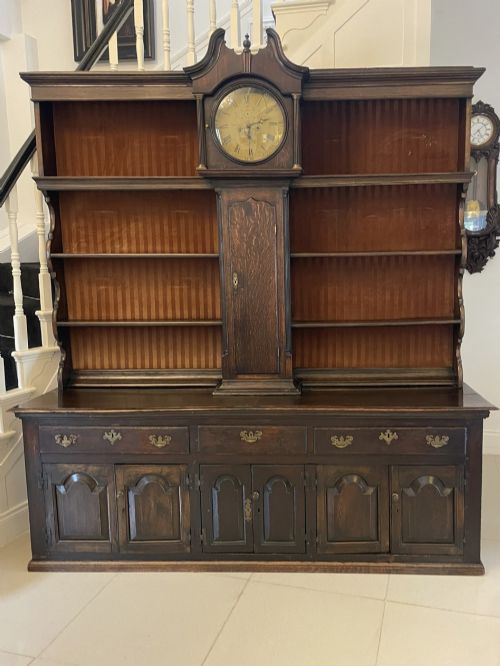
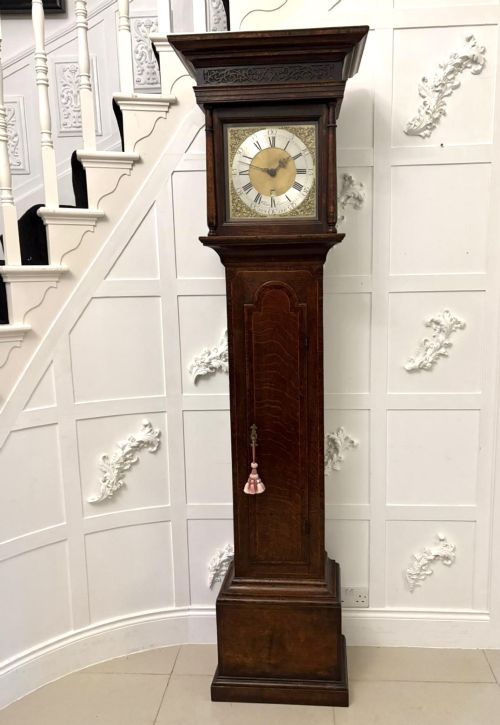
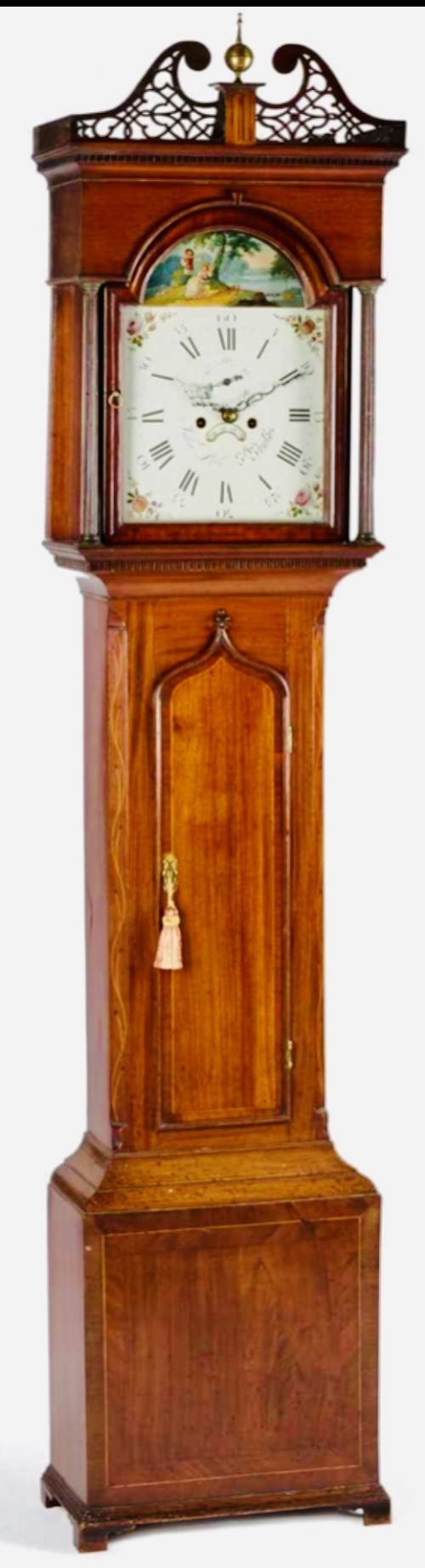
Oak and mahogany dominate the timber choices for these enclosures, frequently detailed with brass faces, painted iron dials, or moon phase displays. Cases range from plain provincial oak bodies to sophisticated London models inlaid with fine veneers and architectural cornices.
Materials and Construction
Cabinetmakers constructed the tall floor cases primarily in solid oak or rich mahogany, occasionally employing burr oak or lacquered chinoiserie decoration for provincial and metropolitan commissions. Timber selection dictated the structural dignity of the trunk, providing a stable housing for the suspended weights and pendulum.
Clockmakers utilised brass, steel, and iron for the intricate gear trains and motion works, mounting engraved brass dials or painted iron faces behind protective glass panels. These mechanical components required precise hand-cutting to ensure accurate timekeeping across eight-day durations.
George III Longcase Retail Price Guide 2026
Typical asking prices for george iii longcase among the pieces listed under this phrase on Sellingantiques today, from the lower quarter to the upper quarter. They describe what is for sale here now, not the wider market.
Listings feature oak, mahogany, and occasional lacquered finishes spanning the eighteenth century into the regency period.
Distinctions in Execution
The sophistication of the dial work and movement marks the primary division between standard provincial clocks and metropolitan masterpieces signed by notable makers. Engraved brass faces, subsidiary seconds dials, and complex moon phase mechanisms demonstrate superior workshop competence.
Cabinet quality distinguishes the joinery of the longcase body, separating simple box construction from cases with architectural arch dials, flame mahogany veneers, and delicate string inlay. The integration of the hood design with the proportions of the trunk dictates visual harmony.
Walker of Nantwich·Edward White Birmingham·Charles Shuckburgh·Charles Dowsett Of Canterbury·John Denbigh·James Tregent·Dwerrihouse and Carter·John Pollard of Crediton·Wm Stanford·Dan Williams·Hudfon Of Nottingham
The George III Longcase Glossary
- Moon phase
- A rotating dial mechanism tracking the lunar cycle behind a shaped aperture on the clock face. This complication adds visual interest and mechanical complexity to the dial.
- Arch dial
- A clock face featuring a rounded upper section above the square dial plate. This arched space often displays maker signatures, subsidiary regulation dials, or painted lunar scenes.
- Longcase
- A tall floor-standing pendulum clock housed in a protective wooden trunk with a weighted drive system. These timepieces are frequently known by the alternative term grandfather clock.
- Movement
- The mechanical assembly of gears, escapement, and weights that powers and regulates the clock. Eight-day movements require winding weekly via holes set into the dial.
George III Longcase: Frequently Asked Questions
How do I wind a longcase clock?
Winding involves inserting a crank key into the winding holes on the dial face to draw the weights upward. Care must be taken not to overwind the mechanism.
Most movements require this attention every eight days to maintain continuous operation and accurate timekeeping across the dial.
Where should I place a grandfather clock?
A longcase requires a stable, vibration-free interior wall where floorboards remain solid and undisturbed by heavy foot traffic. Placing the case away from direct sunlight and damp exterior walls preserves the mahogany or oak timber.
Sufficient ceiling height is essential to accommodate the tall hood and decorative architectural cornices characteristic of these pieces.
What is the difference between oak and mahogany cases?
Oak cases typically reflect provincial English workshops, offering a robust, heavy grain structure suited to regional domestic interiors. Mahogany cases often indicate metropolitan or higher-status commissions, featuring reddish tones and smooth surfaces.
Both timbers provide the structural stability necessary to house heavy brass movements and swinging pendulums safely.
How do I read a moon phase dial?
The painted lunar disk rotates beneath two curved arches on the dial face to mirror the visible phases of the moon. This mechanical display tracks the twenty-nine-and-a-half-day synodic month.
Historically, this feature assisted farmers and travellers with nighttime illumination schedules rather than telling standard hours.