





George III Drop Front Desk
A george iii drop front desk is a versatile piece of period furniture offering a hidden writing surface and ample storage for the home.
George III Drop Front Desk
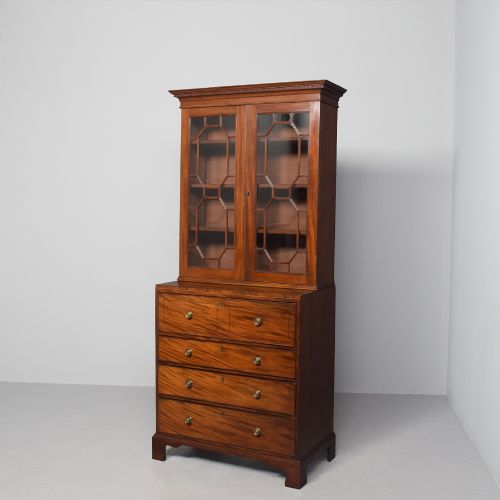
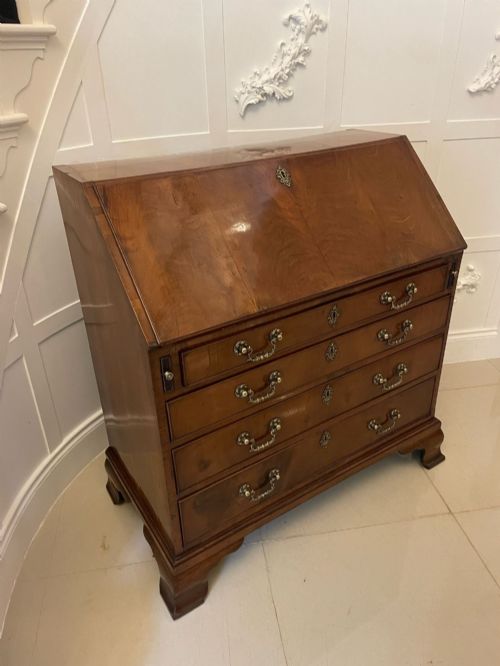
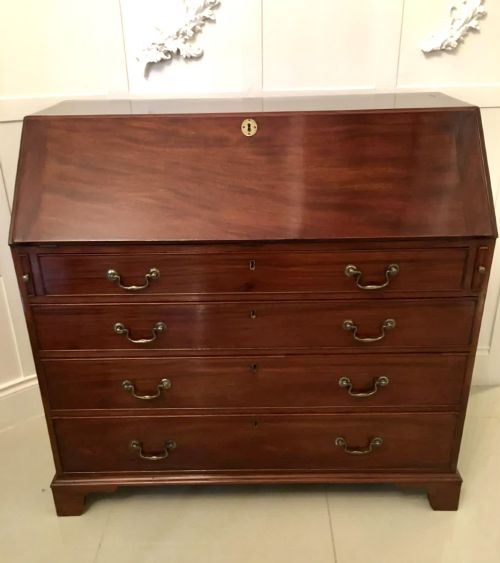
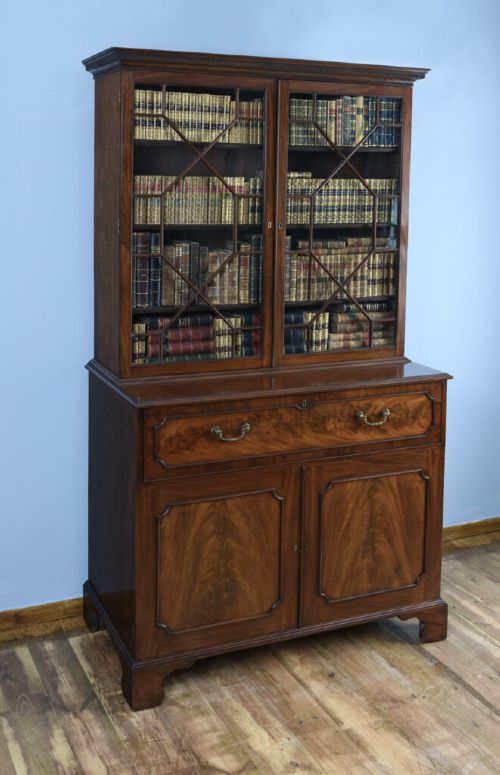
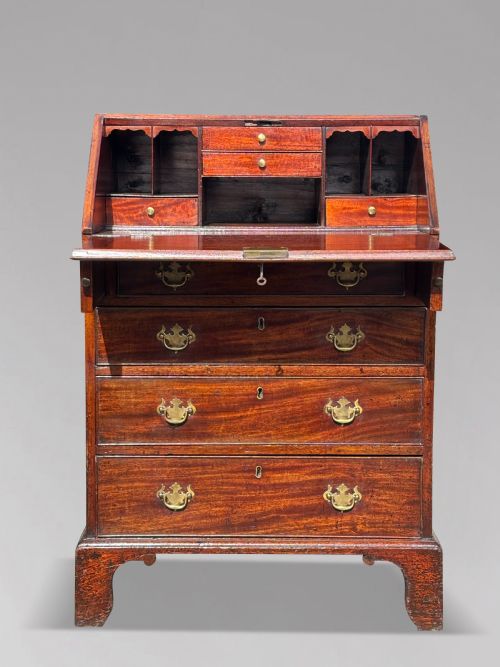
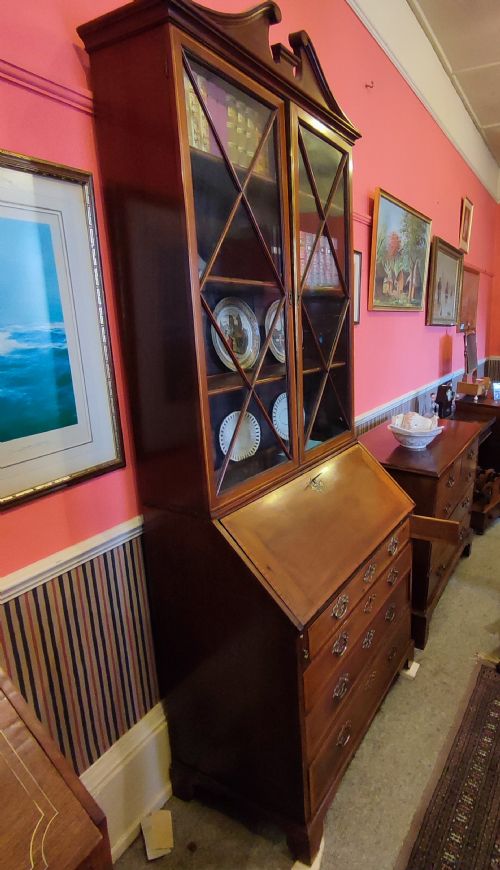
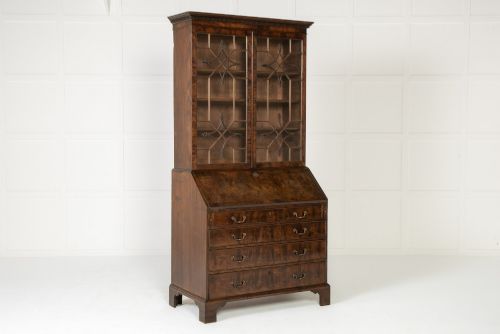
A george iii drop front desk encompasses a variety of writing furniture produced during the Georgian era, ranging from compact bureaus to extensive secretaire bookcases. These items combine a practical writing flap that folds down for use with fitted internal drawers and pigeonholes for correspondence.
The pieces seen most frequently on this page date from the eighteenth century into the nineteenth century, often constructed as freestanding bureaus or tall bookcase combinations. Oak and mahogany serve as the primary timbers, frequently enhanced with flame mahogany veneer or burr yewwood.
Makers of this period also produced specialised variants such as diminutive models, child's bureaus, and secretaire chests of drawers. Each form was designed to balance domestic utility with formal elegance in the parlour or study.
Materials and Construction Techniques
Cabinet makers of the period relied heavily upon solid mahogany and oak for structural integrity, shaping carcases to house numerous internal compartments. Drawer linings frequently utilised secondary timbers, while exterior surfaces displayed the deep grain patterns of flame mahogany veneer.
Decorative detailing involved contrasting timbers and geometric motifs, such as satinwood inlay, which highlighted the principal panels and fall fronts. Brass handles and escutcheons secured the drawers, paired with glazed doors on the upper bookcase sections where applicable.
George III Drop Front Desk Retail Price Guide 2026
Typical asking prices for george iii drop front desk among the pieces listed under this phrase on Sellingantiques today, from the lower quarter to the upper quarter. They describe what is for sale here now, not the wider market.
Object forms recorded on this page include secretaire bookcases, standard bureaux, and compact secretaire chests of drawers.
Assessing Quality and Execution
The hierarchy of quality in these desks rests upon the selection of timber and the precision of the cabinet maker's joinery. Superior examples employ highly figured flame mahogany or burr yewwood across prominent surfaces, matched carefully across drawer fronts and fall flaps.
Internal architecture further distinguishes finer desks, where intricate small drawers, secret compartments, and satinwood inlay demonstrate advanced craftsmanship. Structural proportions also dictate desirability, with diminutive or neat examples commanding particular attention for their elegance.
The George III Drop Front Desk Glossary
- Bureau
- A writing desk featuring a sloping fall front that drops down to reveal a fitted interior of small drawers and pigeonholes. It typically sits atop a chest of drawer units.
- Secretaire
- A piece of furniture containing a drawer or compartment configured for writing, often disguised as a standard drawer or combined with a bookcase upper section.
- Flame Mahogany
- A veneer cut from the fork of a mahogany tree where the branches meet the trunk, producing a distinctive leaping flame pattern. Cabinet makers used this to create highly decorative facades.
- Swan Neck Pediment
- A decorative architectural cornice topping tall furniture, formed by two opposing curves rising to central terminals. It frequently crowns large bookcase components.
George III Drop Front Desk: Frequently Asked Questions
What is a drop front desk?
A drop front desk is a piece of furniture featuring a hinged writing flap that opens outward to provide a flat surface for correspondence and reading.
When closed, the flap conceals a fitted interior of small drawers and pigeonholes, keeping paperwork neatly out of sight.
How do I use a bureau daily?
You lower the fall front to access the internal writing surface and stationary compartments for writing letters or placing a laptop.
When finished, simply lift the flap back into its vertical position and secure it with the lock to restore the tidy exterior.
How do I distinguish eighteenth century pieces?
Eighteenth century pieces typically display period timber characteristics, hand-cut dovetails on the drawer sides, and traditional secondary woods like oak or pine.
Examining the construction methods inside the drawers reveals the hand tools and joinery techniques specific to the Georgian era.
Where should I place a secretaire bookcase?
A secretaire bookcase suits a study, library, or drawing room with adequate wall space to accommodate its height and depth.
Ensure it sits away from direct heat sources and strong sunlight to protect the mahogany veneer and antique glass.