





George III Commode Cupboard
A george iii commode cupboard brings architectural proportion and dense mahogany timber to a bedroom, offering concealed storage built with eighteenth-century joinery.
George III Commode Cupboard
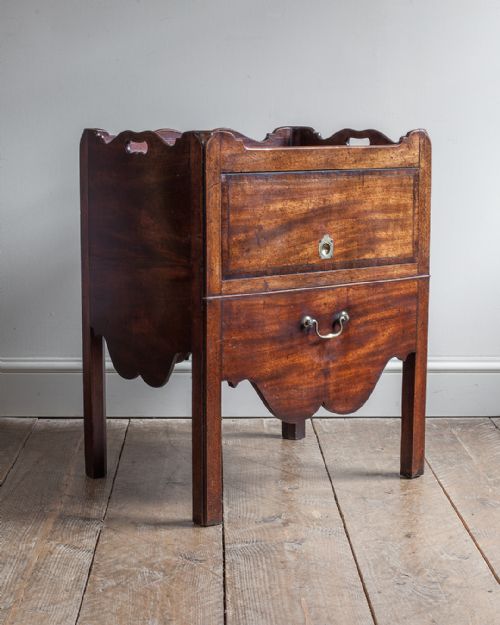
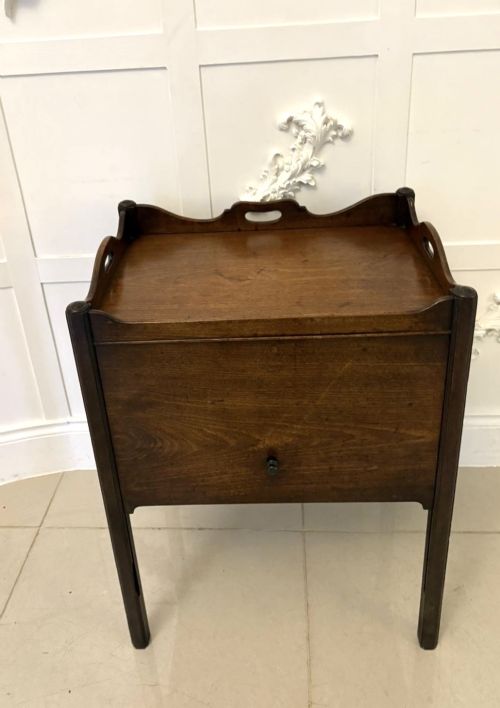
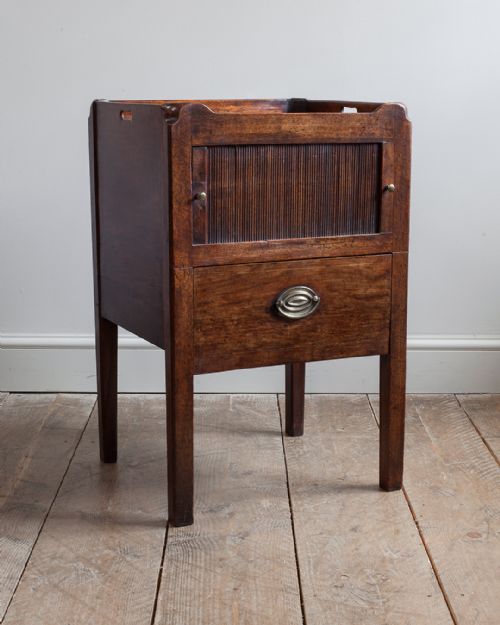
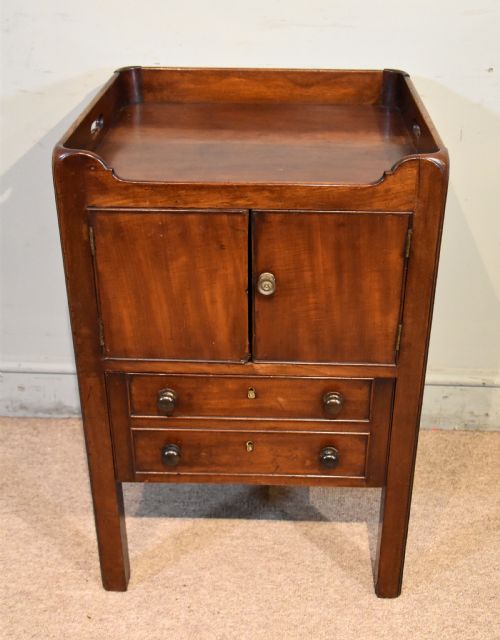
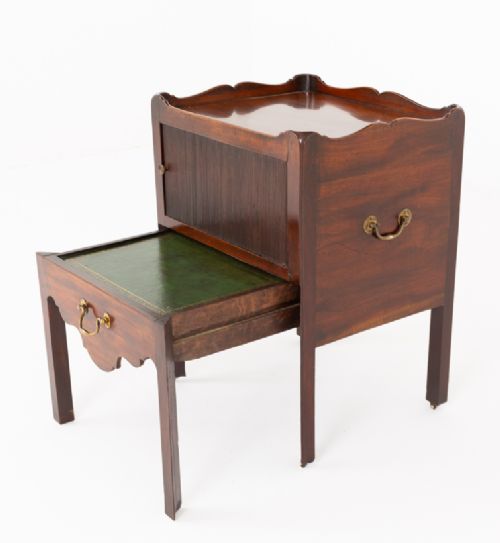
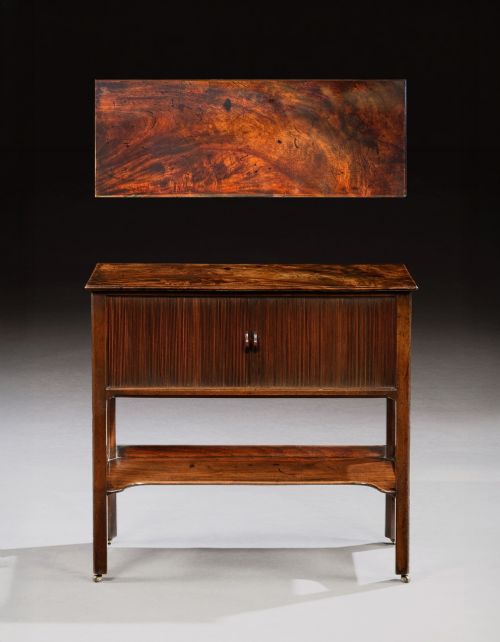
A george iii commode cupboard typically presents as a bedside cabinet or nightstand, constructed with enclosed lower storage designed to house a chamber pot or provide personal tidying space. The selections span compact tray tops, serpentine fronts, and tambour doors that slide smoothly along tracks to conceal fitted compartments.
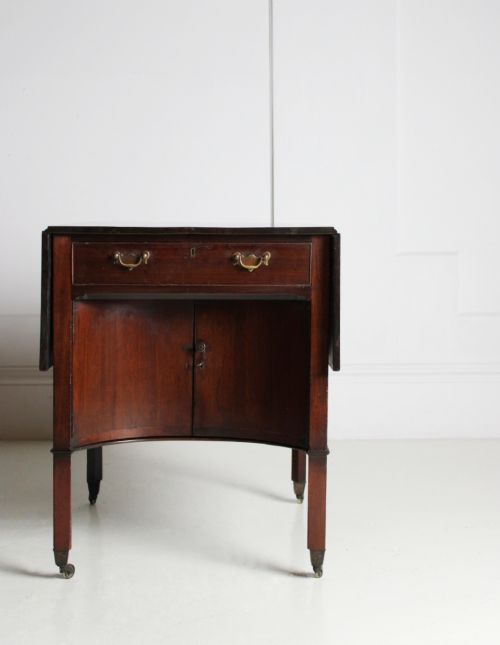
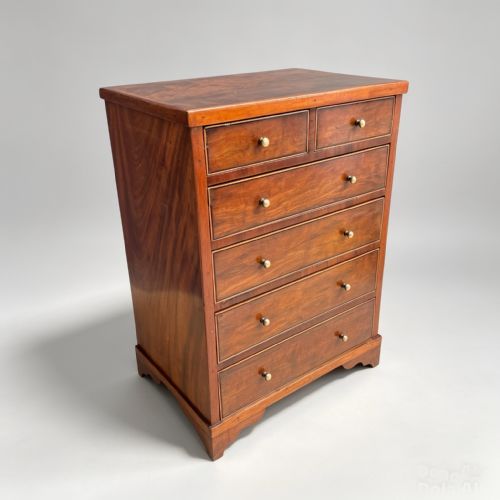
Beyond the standard bedside formats, larger case pieces appear in demi-lune shapes and miniature proportions. These variations reflect the diverse domestic requirements of the late eighteenth century, utilising domestic and exotic timbers to shape practical furniture for elite interiors.
Materials and construction methods
Makers relied heavily on solid mahogany for its structural stability and deep reddish-brown grain, frequently pairing it with contrasting satinwood or boxwood inlay for geometric stringing. Secondary timbers provide interior framing while brass handles and hinges secure opening doors and pull-out trays.
Surface decoration often incorporates curved fronts and figured veneers such as burr elm and burr yew, demonstrating advanced cabinet-making techniques like book-matching and steam-bending. Dovetail joints unite drawer boxes securely without relying on modern adhesives.
George III Commode Cupboard Retail Price Guide 2026
Typical asking prices for george iii commode cupboard among the pieces listed under this phrase on Sellingantiques today, from the lower quarter to the upper quarter. They describe what is for sale here now, not the wider market.
Several miniature chests tucked inside these listings prove that eighteenth-century apprentices practiced their dovetails on furniture built for dollhouses.
Distinctions in craftsmanship
Quality rests in the precision of the timber selection and the integrity of the secondary woods used for unseen drawer linings and back panels. Crispness in carved details, such as bracket feet or fretwork galleries, separates standard workshop production from master cabinet-making.
The sophistication of the mechanism defines higher-grade pieces, notably in the alignment of tambour slats and the fluid motion of sliding panels. Original brass hardware and untouched patination further elevate the standing of a survival.
Gillows
The George III Commode Cupboard Glossary
- Commode cupboard
- A enclosed bedside cabinet or small case piece designed with doors or a falling front to conceal storage. These forms evolved during the Georgian era to serve specific domestic functions in private chambers.
- Tambour
- A flexible shutter formed of narrow vertical strips of wood glued to a canvas backing, allowing doors to slide around curved corners. This technique requires precise joinery to ensure smooth operation along recessed tracks.
- Tray top
- A raised rim edging the upper surface of a bedside table or commode to prevent items from rolling off. The moulding is typically shaped from solid timber or formed with pierced handgrips.
- Demi-lune
- A half-moon shape used for the footprint and top of curved commodes and side tables. This profile gained popularity during the neoclassical phase of the period for freestanding placement against walls.
- Serpentine front
- A convex central section flanked by two concave curves, creating an undulating cabinet facade. Executing this profile demands exceptional skill in shaping solid timber and veneered panels.
George III Commode Cupboard: Frequently Asked Questions
What is a george iii commode cupboard?
A george iii commode cupboard is an eighteenth-century bedside cabinet or small case piece featuring enclosed storage behind doors or a sliding tambour. They were designed for private chambers to hold personal items and nighttime necessities.
These pieces combine functional utilitarian storage with sophisticated cabinet-making styles typical of the Georgian era, ranging from simple rectilinear bedside tables to serpentine or demi-lune shapes.
How were they used historically?
These cabinets served primarily in bedrooms as nightstands or bedside commodes, often concealing a chamber pot within the lower cupboard space. The upper surfaces frequently incorporated raised tray edges to hold wash basins or candlesticks securely.
As domestic habits evolved, many transitioned into general bedside storage units for books and personal belongings while retaining their compact footprint and enclosed lower sections.
How do I identify a george iii period piece?
Identification relies on observing structural characteristics such as hand-cut dovetail joints, solid mahogany or satinwood construction, and period-appropriate brass hardware. The proportions typically reflect neoclassical restraint or Chippendale-influenced design details.
Examining the secondary timbers on interior drawer linings and back panels helps confirm eighteenth-century manufacture, as workshop practices changed significantly by the Victorian era.
How do I care for antique mahogany furniture?
Maintaining mahogany surfaces requires keeping pieces away from direct sunlight and extreme humidity fluctuations that cause timber to warp or split. Gentle dusting with a dry, soft cloth preserves the natural wax finish without building up heavy chemical residues.
Applying a traditional beeswax polish occasionally helps nourish the dry grain and maintains the deep lustre developed over centuries of handling.