

George III
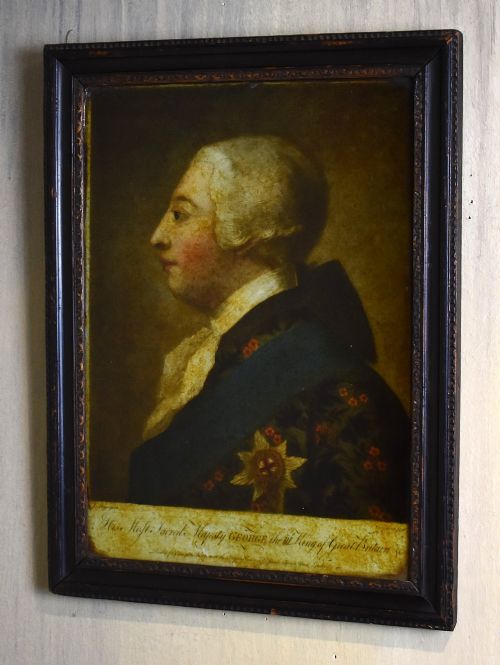
A george iii antique brings domestic functional elegance to a room through cabinetwork and silver spanning the later eighteenth century.
George III
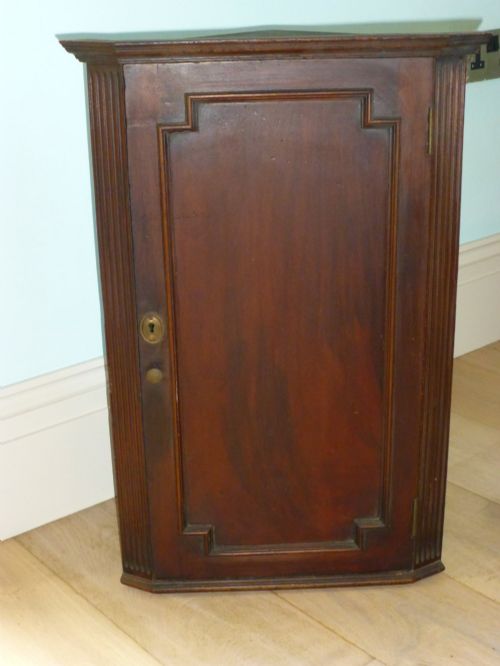
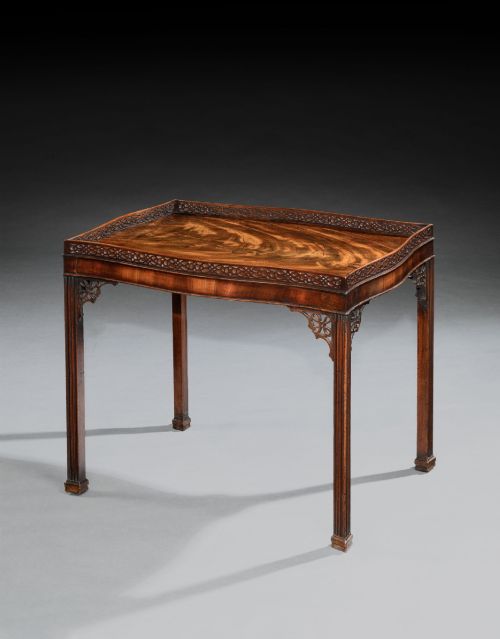
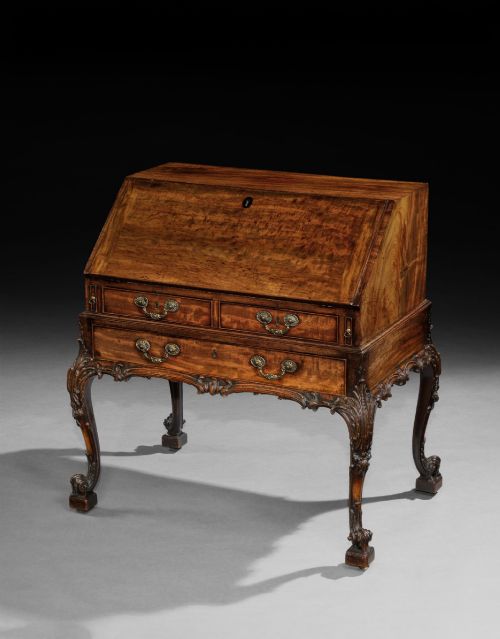
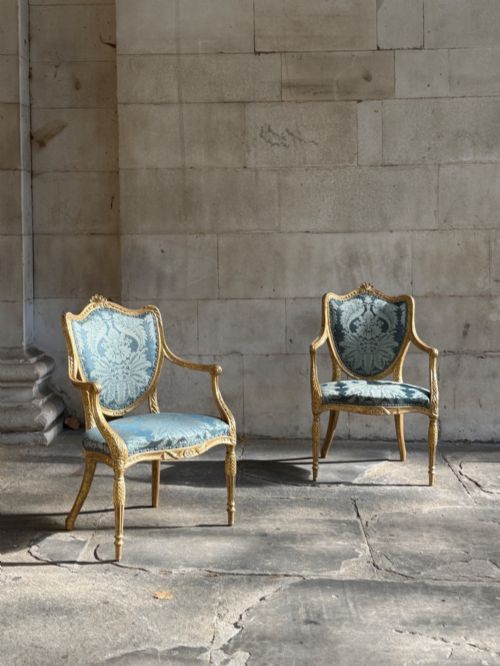
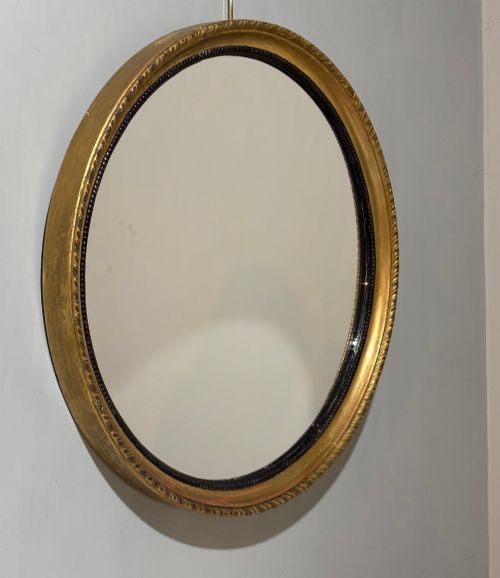
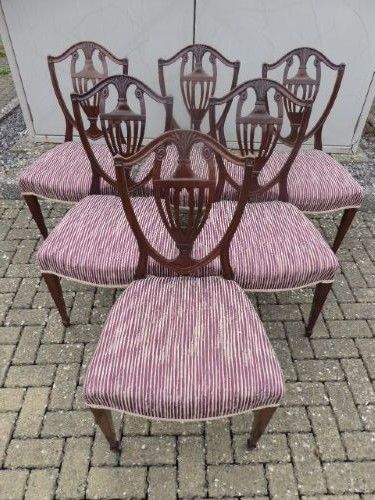
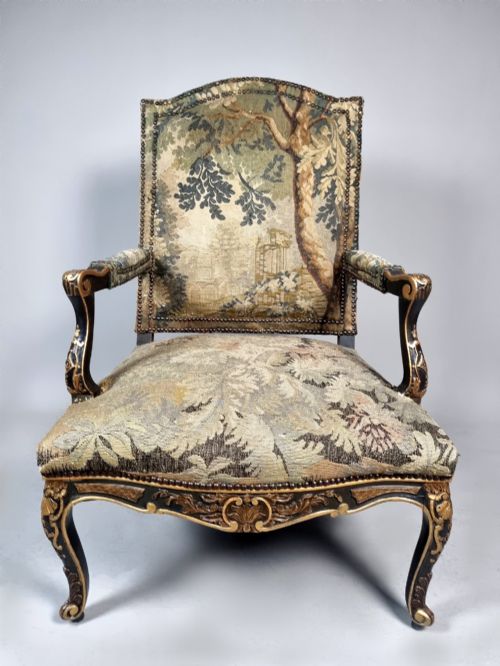
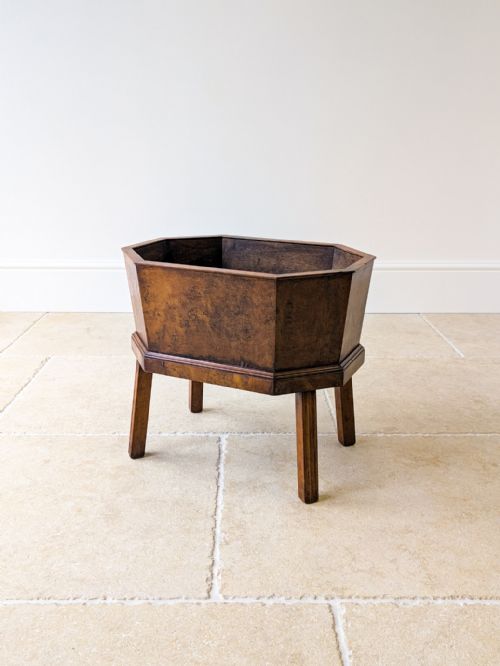
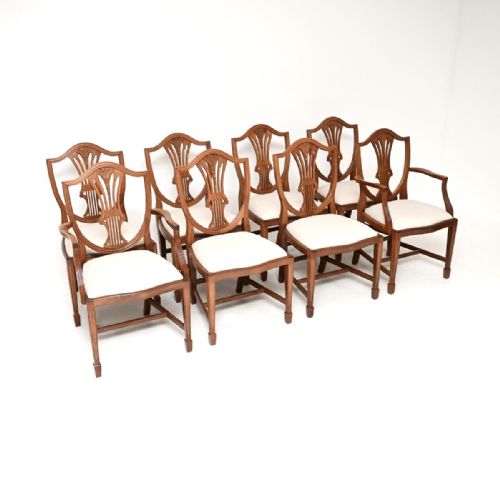
When searching for a george iii antique, buyers encounter diverse forms ranging from dining chairs and chests of drawers to tea caddies and library bookcases. These objects stem predominantly from the eighteenth century and the Georgian period, encompassing domestic furnishings built for practical daily use.
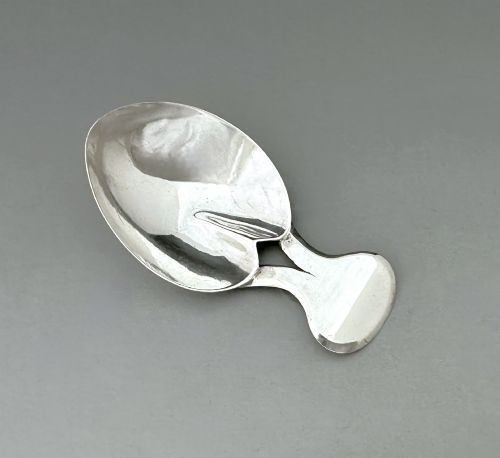
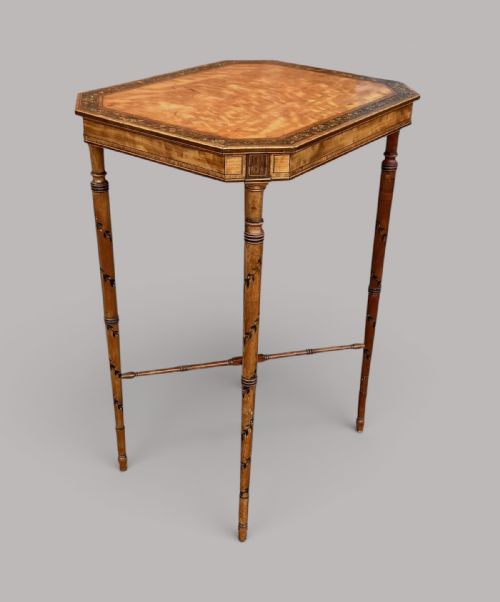
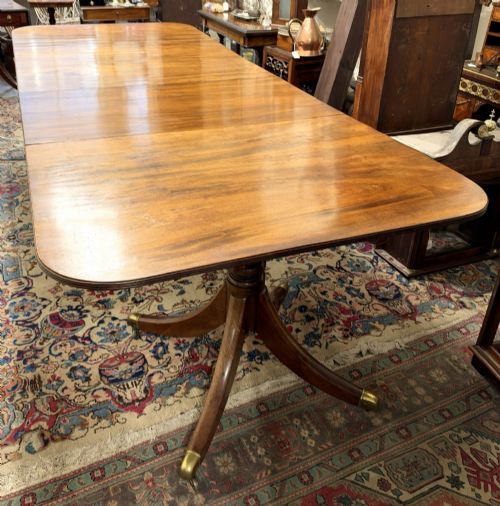
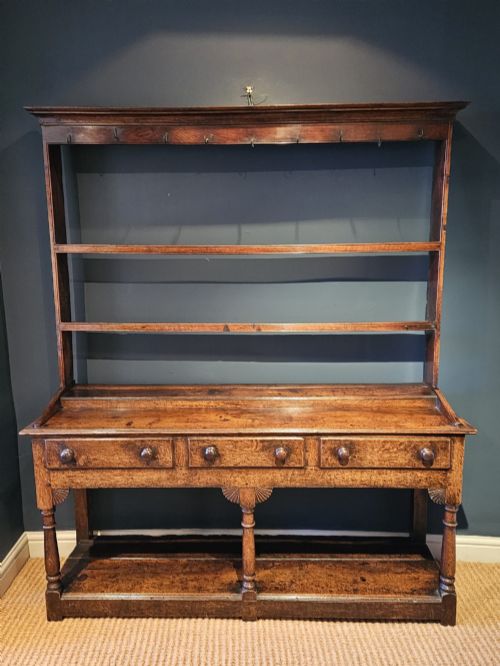
The assortment on this page spans seating, tables, and storage pieces alongside smaller silver items like ladles and marrow scoops. Mahogany and oak dominate the timber pieces, accompanied by satinwood and silver wares that reflect the domestic aspirations of the period.
How george iii antique items were constructed
Cabinetmakers utilised dense timbers such as mahogany and oak, often incorporating satinwood veneers and black thorn in smaller items like tea caddies. Carved details, such as paw feet on tables and chairs, required skilled hand-tooling rather than mechanical repetition.
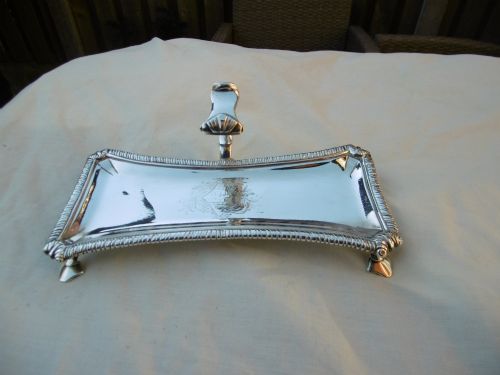
Silver items demonstrate hammering, casting, and bright-cut engraving techniques performed by silversmiths. Joinery methods relied on traditional interlocking joints for furniture stability, while surfaces received careful polishing to reveal natural grain patterns.
George III Retail Price Guide 2026
Typical asking prices for george iii among the pieces listed under this phrase on Sellingantiques today, from the lower quarter to the upper quarter. They describe what is for sale here now, not the wider market.
Listings for george iii antique pieces span the eighteenth century and the nineteenth century, featuring materials such as mahogany, sterling silver, and oak.
What dictates quality in george iii antique objects
Quality rests upon timber selection and the precision of the joinery rather than ornamentation alone. Dense, well-figured mahogany and crisp hand-carved elements distinguish superior cabinetwork from plainer examples.
For silver objects, the clarity of hallmarks and the crispness of bright-cut engraving mark the standard of execution. Maker attribution and original patination further elevate the standing of a piece within its category.
William Fearn·Thomas Hemming·John Shaw·John Reilly·Walker of Nantwich
The George III Glossary
- Tea caddy
- A small box designed to store loose tea leaves securely. These containers often featured interior compartments and locks.
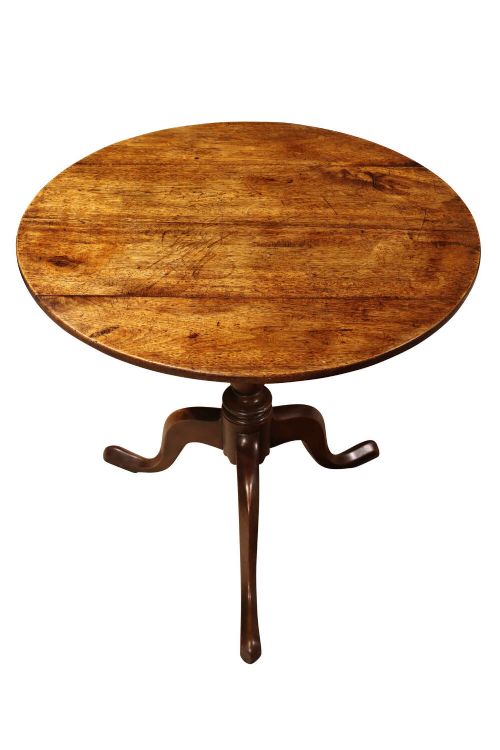
- Tripod table
- A small occasional table supported by a central pillar on three legs. They appeared frequently in eighteenth-century parlours.
- Marrow scoop
- A long, narrow silver spoon used to extract marrow from bones. Examples often bear Georgian hallmarks and family crests.
- Chest on chest
- A tall storage unit comprising one upper chest stacked directly upon a larger lower chest. This form maximised vertical storage space.
- Bright-cut engraving
- A surface decoration technique utilising faceted cuts to create reflective geometric patterns. Silversmiths applied this widely to boxes and flatware.
George III: Frequently Asked Questions
What defines a george iii antique?
Pieces attributed to this designation originate from the reign of King George III, covering the later eighteenth century and early nineteenth century. The era encompasses specific cabinet styles and silver manufacturing methods.
Craftsmen produced practical household furniture and refined decorative objects during this timeframe. Materials shifted from heavier oak towards finely grained mahogany and satinwood.
How were tea caddies used?
Tea caddies served as secure storage containers for expensive tea leaves kept under lock and key in the parlour. Servants or homeowners portioned out leaves using small interior compartments.
These boxes utilised decorative woods like harewood and satinwood. Many included delicate escutcheons and small brass keys.
What is a marrow scoop?
A marrow scoop is a specialised piece of silver cutlery featuring a small trough at each end. Diners utilised the narrow ends to extract marrow from animal bones during formal meals.
These utensils often carry clear London hallmarks from the eighteenth century. Crests or armorial engravings frequently appear on the stem.