




George II Style Desk
George ii style desk pieces are solid timber writing tables and kneeholes built to mid eighteenth century designs, offering traditional proportions and rich wood grains.
George II Style Desk
A george ii style desk is a timber writing table or kneehole unit designed around the proportions and details of the mid eighteenth century. These tables appear in walnut, figured walnut, burr walnut, and mahogany, often featuring drawers and fitted interiors.
The pieces on this page span both original eighteenth century construction and later revival periods, including Victorian, late nineteenth century, and early twentieth century examples. Alongside kneehole desks, the selection includes writing tables and matching desk chairs.
Buyers seeking this form will find walnut kneehole desks and mahogany pedestal variants most frequently. These items bring classical cabinet work into studies and libraries.
How they were made
Cabinet makers utilised solid mahogany and walnut timbers, often applying figured or burr walnut veneers to flat surfaces to create decorative grain patterns. Brass handles, escutcheons, and drawer pulls provide functional contrast to the dark timber.
Working surfaces frequently incorporate inset panels of leather, silk, or upholstered fabric, providing a smooth writing area framed by exposed wood moulding.
George II Style Desk Retail Price Guide 2026
Typical asking prices for george ii style desk among the pieces listed under this phrase on Sellingantiques today, from the lower quarter to the upper quarter. They describe what is for sale here now, not the wider market.
Miniature clocks share floor space with massive partner desks.
What varies in quality
The standard of timber selection separates simpler items from superior examples, particularly in the choice of figured, burr, or flamed veneers applied to walnut and mahogany surfaces. Richly marked grain patterns and carefully matched timber sections indicate higher workshop ambition.
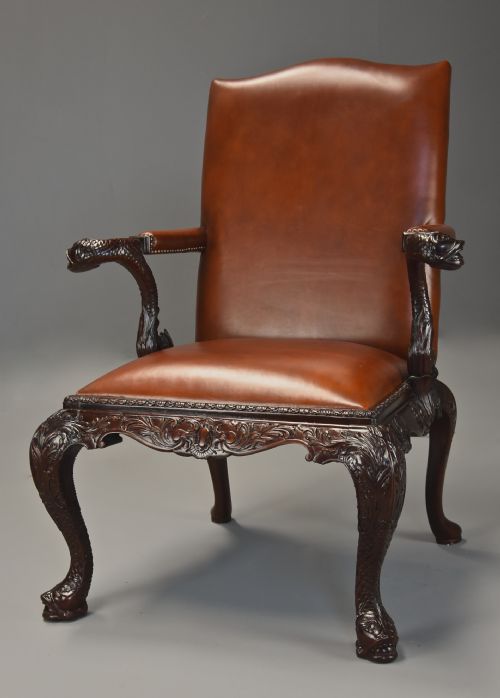
Carved ornamentation demonstrates the hand of the maker, where crisp undercut foliage and shaped mouldings distinguish deeply considered work from routine production.
Mappin And Webb
The George II Style Desk Glossary
- Kneehole desk
- A compact writing table featuring a central recess for the legs flanked by banks of small drawers. This form became popular during the eighteenth century for private studies.
- Walnut veneer
- A thin slice of figured walnut timber applied to a secondary wood ground to display decorative grain. Cabinet makers used this technique to ornament drawer fronts and writing surfaces.
- Pedestal desk
- A heavy writing table supported by two separate pedestals containing drawers or cupboards. These large items provide substantial storage space beneath the main writing top.
- Gainsborough chair
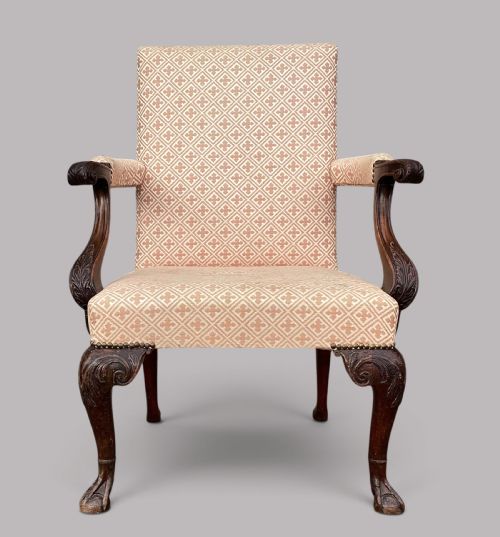
- A wide, open-armed armchair with a padded seat and back, designed for writing desks in the mid eighteenth century. Upholstered fabric or leather covers the seat and arm rests.
- Feather banding
- An ornamental inlay technique using matched strips of veneer arranged in a V-shape resembling a feather. This border decorates the edges of drawer fronts and tabletops.
George II Style Desk: Frequently Asked Questions
What is a george ii style desk?
A george ii style desk is a timber writing table or kneehole unit constructed to emulate the furniture forms of the mid eighteenth century. These pieces utilise mahogany and walnut woods with traditional drawer configurations.
Such tables serve as functional writing surfaces while bringing historical cabinet making styles into modern rooms.
How do I date a desk?
Dating relies on timber species, construction methods, and hardware styles found across the piece. Revival items from the nineteenth and twentieth centuries often combine earlier silhouettes with machine-cut elements.
Examining internal drawer construction and secondary woods helps distinguish eighteenth century originals from later interpretations.
Where were these desks used?
These desks were placed in private studies, libraries, and withdrawing rooms for correspondence and estate management. Kneehole versions fit neatly against walls or within smaller chambers.
Larger pedestal and partner formats occupied the centres of grand rooms where multiple users required workspace.
How do I care for walnut veneer?
Walnut veneer requires protection from direct sunlight and excessive moisture to prevent warping and fading. Regular dusting with a soft dry cloth maintains the timber polish.
Leather writing inserts benefit from occasional conditioning to keep the surface supple.