





George II Server
These pieces sold as a george ii server combine mid-eighteenth-century utility with formal design, offering sturdy timbers and distinct period proportions for daily use.
George II Server
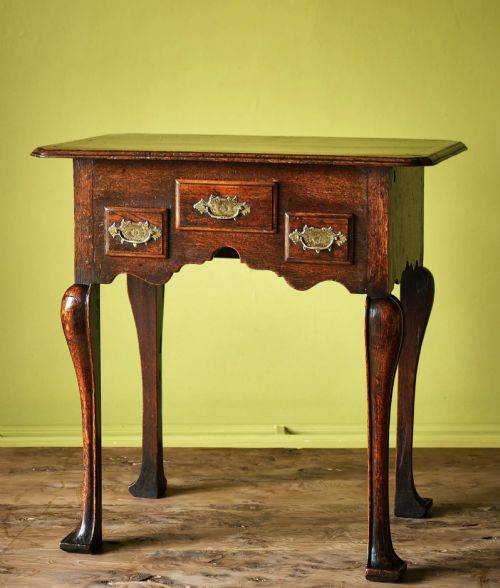
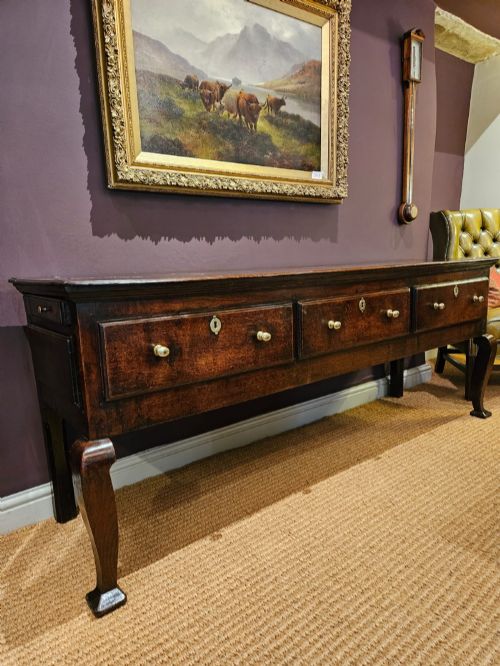
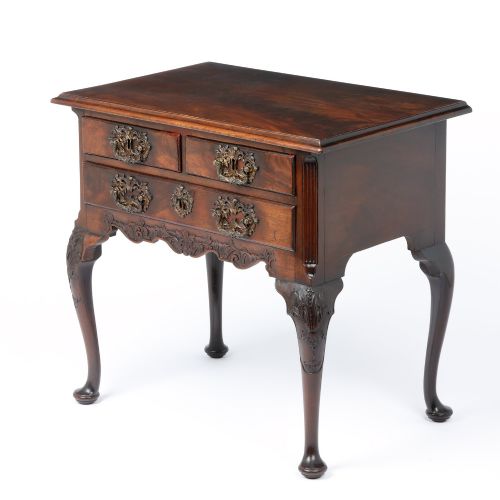
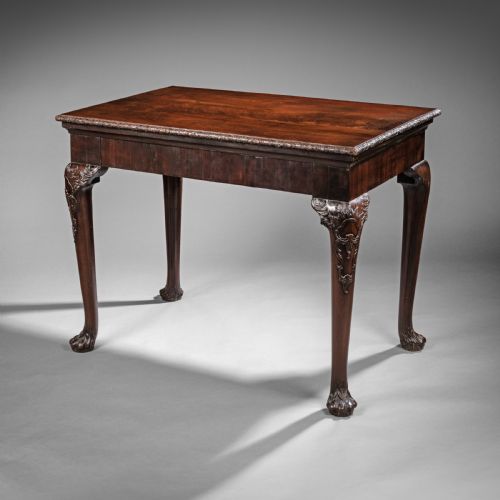
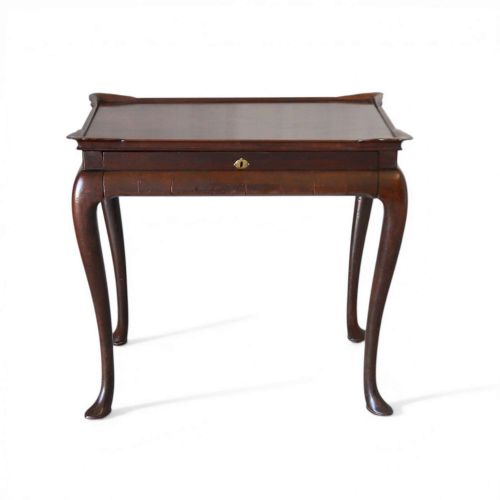
When you search for a george ii server, you encounter a mix of heavy oak dressers, timber lowboys, console tables, and silver serving pieces originating from the eighteenth century. These forms served practical storage and serving functions in formal dining rooms and country houses of the period.
The oak dresser base and walnut lowboy represent the most frequent forms seen here, alongside mahogany console tables and sterling silver items. Pieces span genuine eighteenth-century examples and later revivals from the twentieth century.
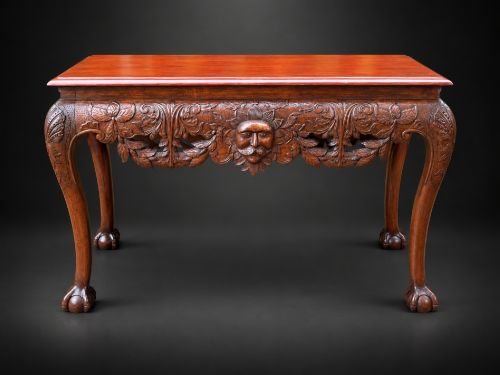
Many items display regional characteristics, including Irish mahogany console tables and country house oak open pot board dressers. These variations reflect the diverse domestic requirements of Georgian households across different settings.
How they were made
Cabinet makers utilised dense hardwoods including oak, walnut, Cuban mahogany, and painted pine for structural pieces and surface tops. Timber selection dictated the weight and grain pattern visible across dressers, lowboys, and side tables.
Silversmiths hammered sterling silver for toddy ladles and tablespoons, employing hallmarking techniques to record assay offices and makers. Joinery methods relied on traditional wood working joints to construct robust pot board dressers and side tables with cabriole legs.
George II Server Retail Price Guide 2026
Typical asking prices for george ii server among the pieces listed under this phrase on Sellingantiques today, from the lower quarter to the upper quarter. They describe what is for sale here now, not the wider market.
Silver servers bear tiny punch marks that reveal the exact year a silversmith heated the metal in Georgian London.
What varies in quality
The refinement of carved detail on cabriole legs and aprons separates standard utility furniture from more ambitious architectural serving pieces. Timber selection also dictates grade, with figured Cuban mahogany and dense seventeenth-century style oak standing apart from plain pine or later reproduction timbers.
Original surface patination and retention of period hardware determine the visual integrity of wood pieces. Silver servers rely on clear hallmarks and crisp maker stamps to establish their manufacturing context.
James Tookey·Jabez Daniell
The George II Server Glossary
- Lowboy
- A small side table or dressing table with drawers, commonly fitted with cabriole legs during the Georgian era.
- Pot Board
- An open slatted lower shelf fitted between the legs of a dresser, historically used for storing pots and pans.
- Cabriole Leg
- A furniture leg featuring a double curve, bulging outward at the top and tapering inward toward the foot.
- Toddy Ladle
- A small silver or metal spoon with an extended handle, utilised for serving hot alcoholic drinks from a bowl.
George II Server: Frequently Asked Questions
What is a lowboy used for?
A lowboy functions as a compact side table or dressing table, featuring multiple small drawers set beneath a flat wooden top.
Historically placed in bedrooms or parlours, these tables held personal items, documents, or small serving accessories.
How do I identify George II furniture?
George II furniture typically exhibits substantial proportions, heavy timber construction, and the prominent use of cabriole legs on tables and lowboys.
Walnut, oak, and mahogany serve as the primary materials, often displaying restrained carving on the knees and aprons.
How do silver servers differ from domestic spoons?
Silver servers include large tablespoons and specialised ladles produced for serving food and beverages at the dining table.
They often bear clear eighteenth-century hallmarks indicating the assay office and the silversmith who fashioned them.