
Geometric Wood Table
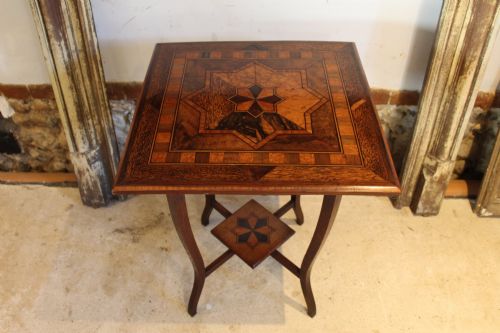
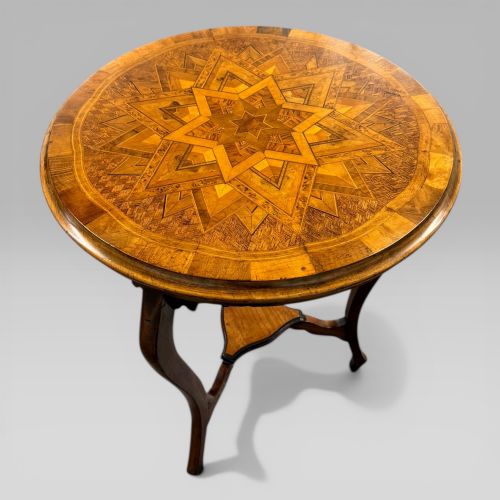
A geometric wood table brings pattern and warmth into a room through precise parquetry, marquetry, and inlaid details spanning several centuries.
Geometric Wood Table
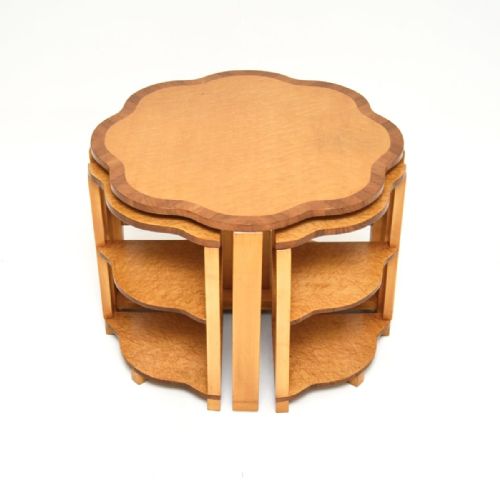
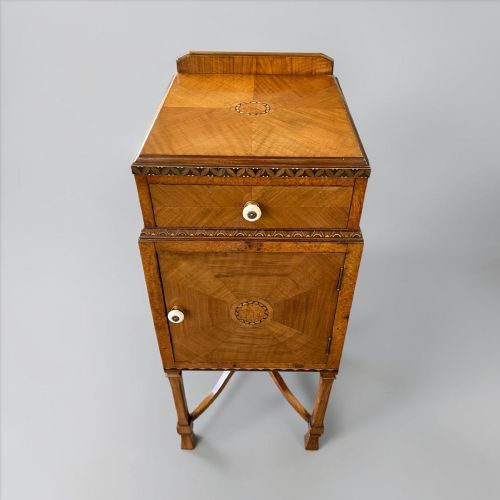
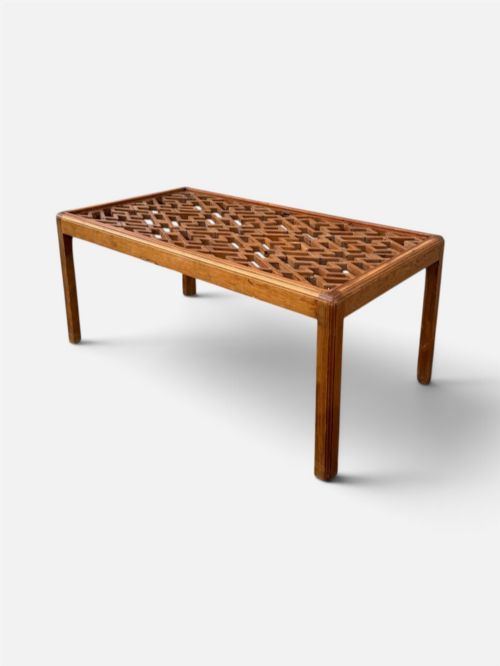
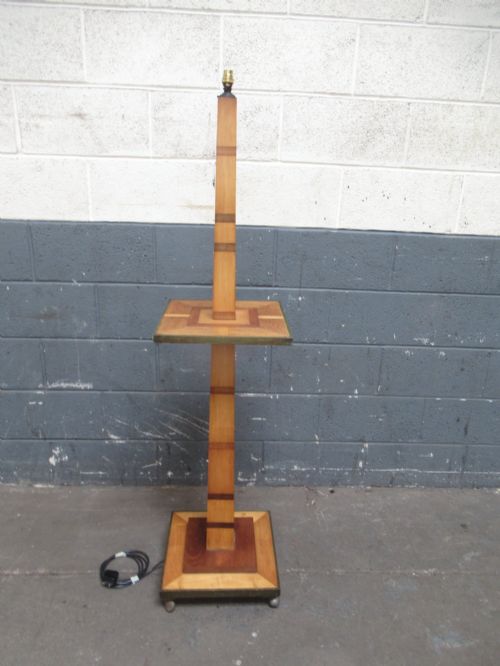
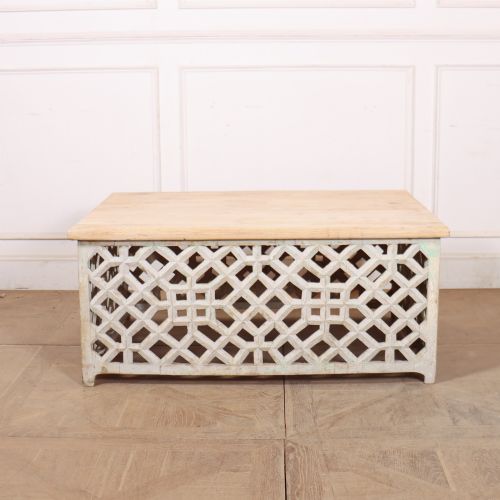
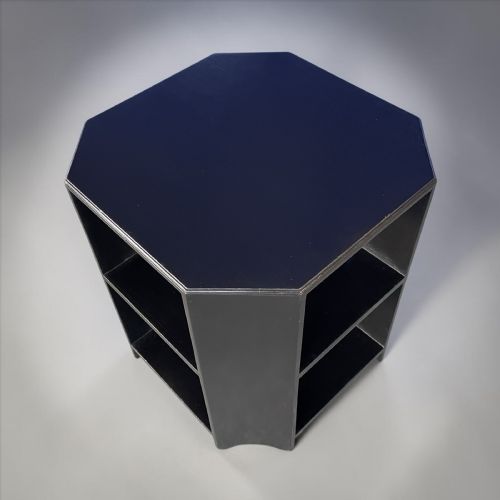
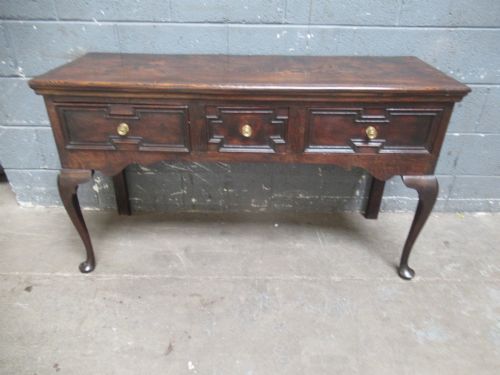
When you search for a geometric wood table, you encounter a variety of forms designed for practical daily use, ranging from occasional and side tables to coffee tables, games tables, and grand centre tables. These items appear across multiple eras, stretching from the late seventeenth century through the Victorian period and into the Art Deco style of the 1930s.
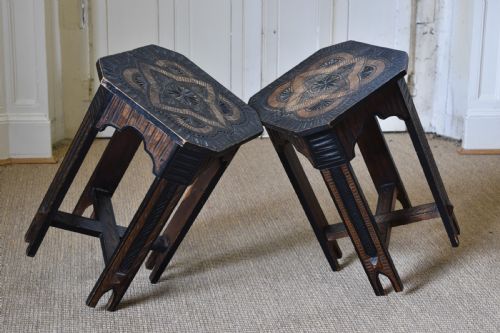
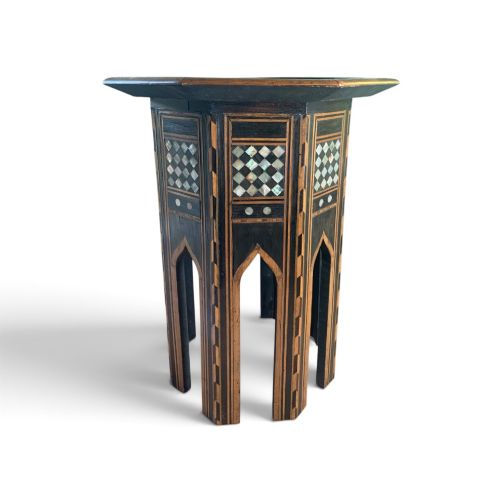
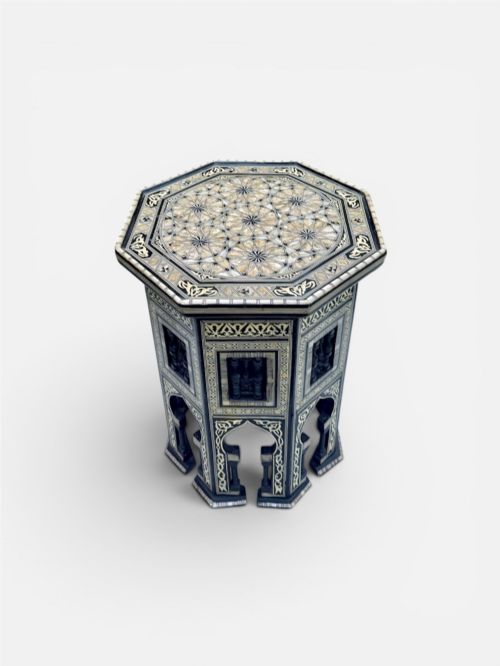
The selections on this page lean heavily toward nineteenth-century specimen wood marquetry, Sorrento work, and Moorish or Islamic octagonal and hexagonal tables featuring intricate mother-of-pearl and bone inlay. Alongside these, buyers find British and continental examples utilising parquetry tops, chip carving, and striking geometric wood patterns that define the surface decoration.
How they were made
Cabinet makers constructed these tables using a solid foundation of timber such as oak, mahogany, walnut, or various hardwoods, upon which they laid complex geometric surface patterns. These decorative surfaces relied on parquetry and marquetry techniques, assembling small pieces of contrasting timbers, specimen woods, birch, maple, and exotic veneers into rigid geometric grids, star motifs, and mosaic designs.
Many items incorporate additional decorative media alongside the timber work, including hand-carved chip details, brass elements, bone, and shimmering sections of mother-of-pearl. The joinery and surface assembly reflect the traditional craftsmanship of diverse origins, spanning English workshops, continental European centres, and international traditions like Anglo-Indian and Syrian craftsmanship.
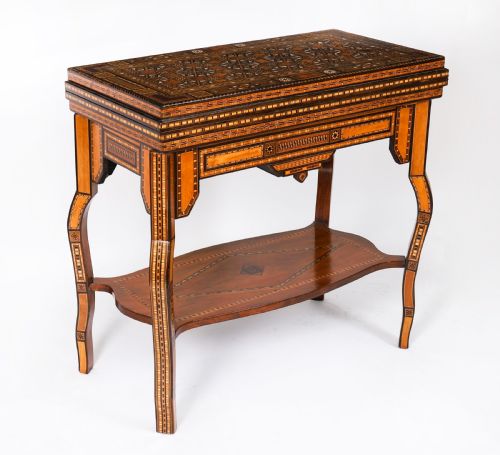
Several tables double as quiet battlegrounds, secretly hiding chess and backgammon boards beneath their innocent geometric disguises.
What varies in quality
The distinction between standard examples and the finest pieces lies in the precision of the timber matching and the complexity of the geometric layout. Superior items display meticulous control in cutting and fitting tiny segments of specimen wood, parquetry, or marquetry so that the pattern remains tight and harmonious across the entire surface.
Another measure of quality is the richness and variety of the materials employed, such as the inclusion of multiple contrasting exotic timbers, mother-of-pearl, and bone. The integrity of the underlying structure, whether an oak base or a finely turned hardwood frame, completes the standard of the piece.
Anton Seuffert·Heal's·Hille·Étienne Kohlmann
The Geometric Wood Table Glossary
- Parquetry
- A geometric mosaic of wood pieces used for decorative floors and table tops. It relies on symmetrical patterns like squares, triangles, and cubes.
- Marquetry
- The art and craft of applying pieces of veneer to a structure to form decorative designs and pictures. Artisans use various coloured woods, shells, and bone to achieve pictorial depth.
- Specimen wood
- Furniture decorated with a vast assortment of different native and exotic timbers. Each wood retains its natural colour and grain to create a multicolored mosaic effect.
- Moorish style
- Design influenced by North African and Middle Eastern decorative traditions. These pieces frequently utilise complex geometric polygon shapes, bone inlay, and mother-of-pearl.
Geometric Wood Table: Frequently Asked Questions
Where should I place a geometric wood table?
These tables suit spaces where their patterned surfaces can catch the light, functioning effectively beside seating or as central display pieces.
Smaller octagonal or hexagonal versions fit well as lamp or bedside tables, while larger centre tables anchor a room's layout.
How do I clean an inlaid table top?
Maintain the surface with a soft, dry cloth to remove dust without disturbing the delicate timber veneers or bone sections.
Avoid excessive moisture or harsh chemical polishes, which can seep into the geometric joints and damage the adhesives.
What distinguishes Victorian parquetry from Art Deco examples?
Victorian and nineteenth-century pieces often showcase dense multi-wood specimen marquetry, Sorrento mosaics, or Moorish mother-of-pearl inlay with intricate traditional motifs.
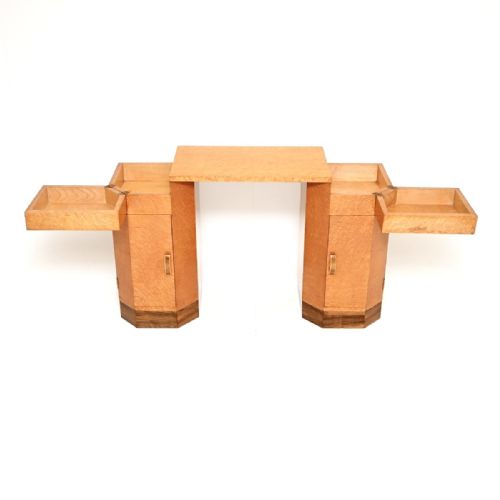
Art Deco items from the 1930s favour bolder, cleaner geometric lines utilising contrasting veneers like birdseye maple, macassar ebony, and ebonised wood.
Were these tables used for games?
Certain examples feature specialised reversible or hinged tops designed for card games, chess, and backgammon.
These functional surfaces combine decorative parquetry with practical compartments or folding mechanisms for domestic entertainment.