


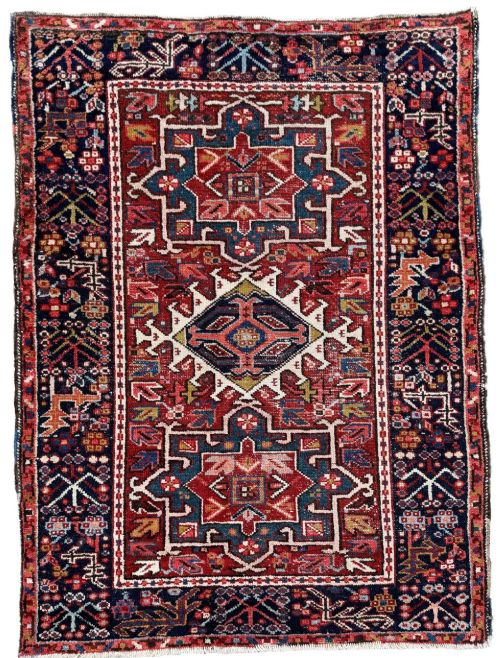
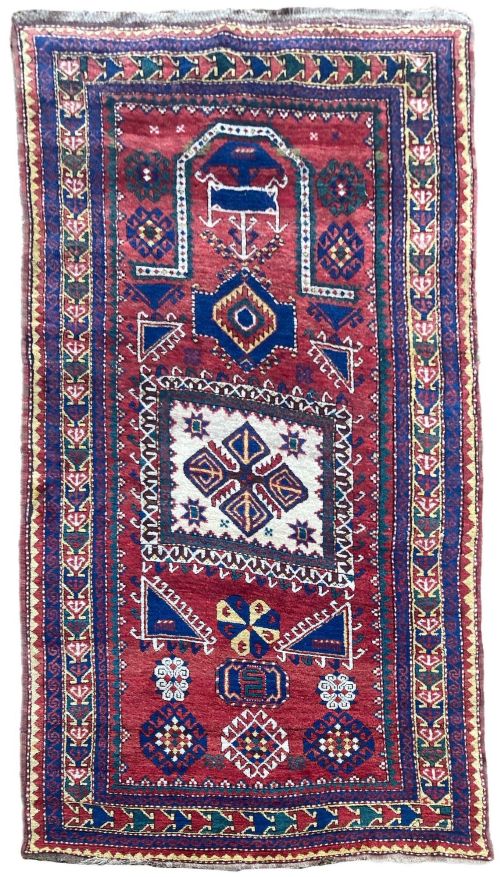

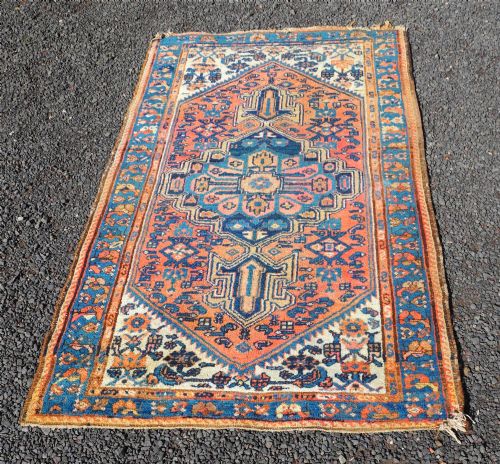
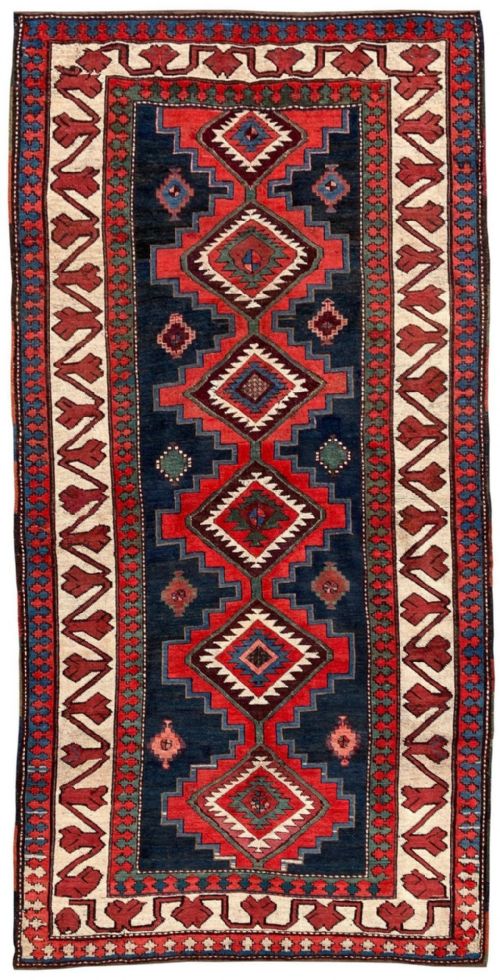
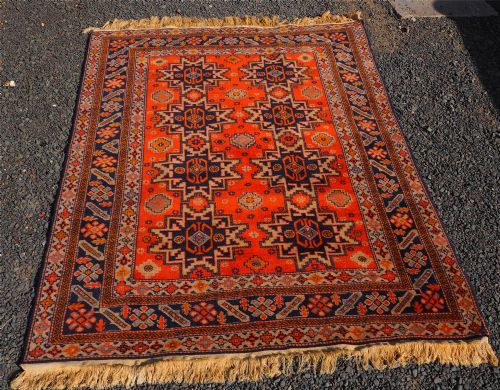
Geometric Tribal Weave
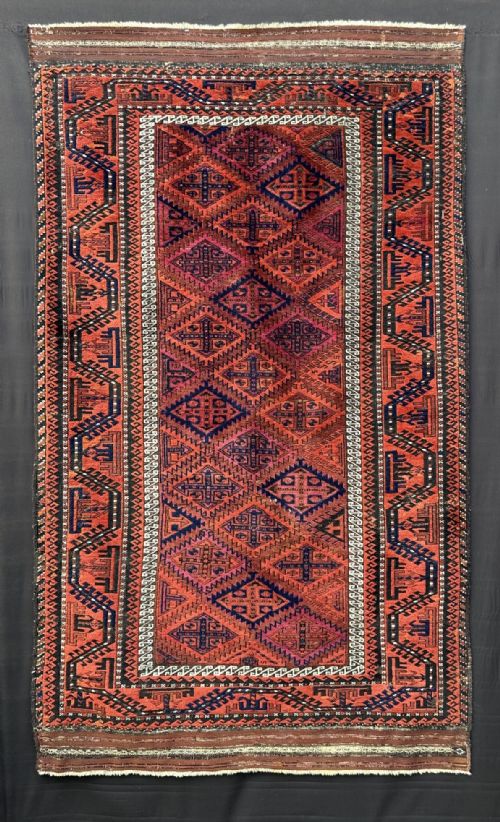
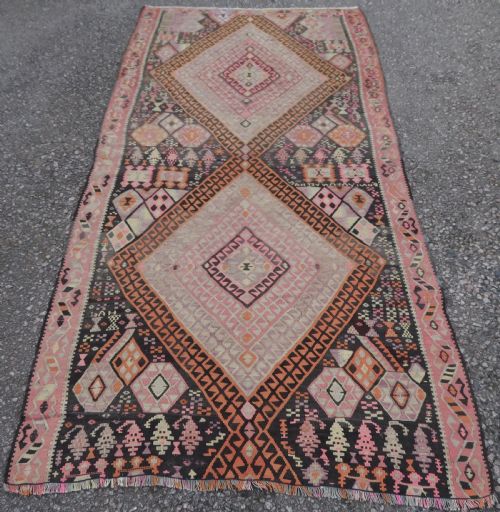
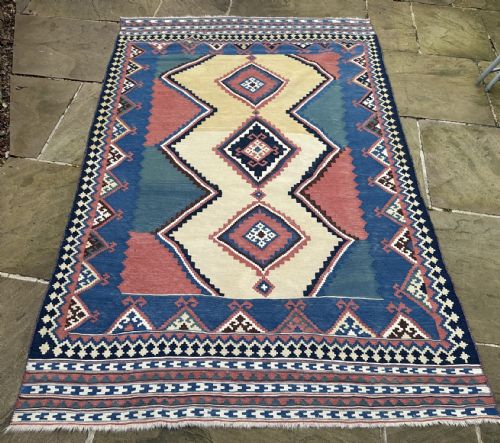
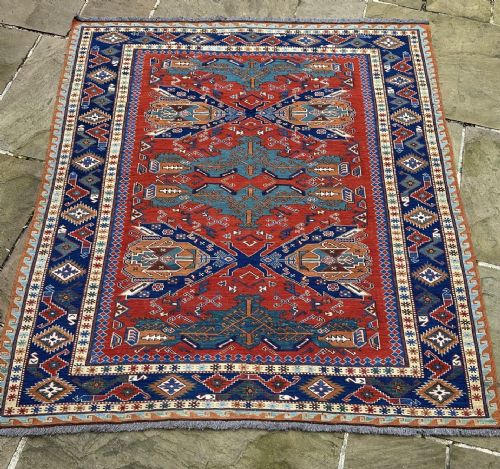
When you search for geometric tribal weave, you uncover knotted wool rugs and flatweaves carrying centuries of nomadic design.
Geometric Tribal Weave
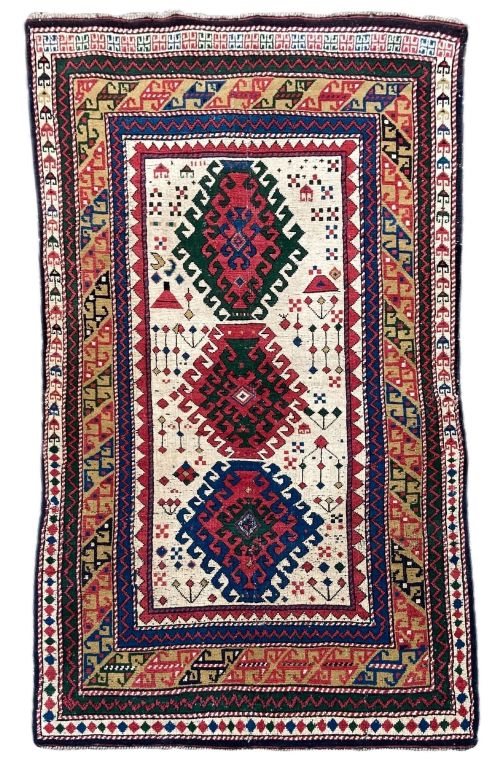
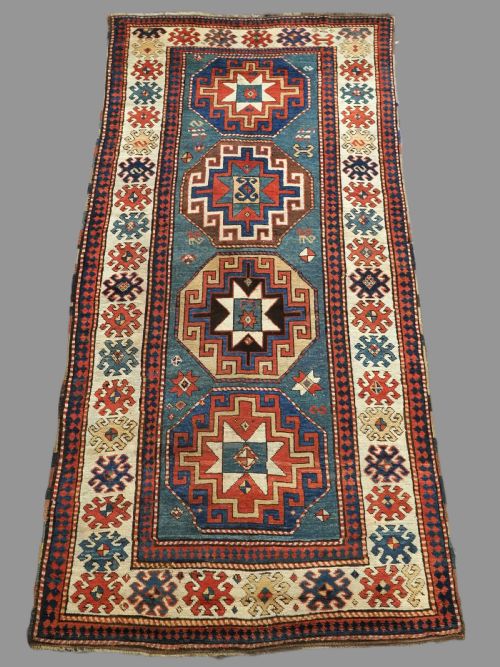
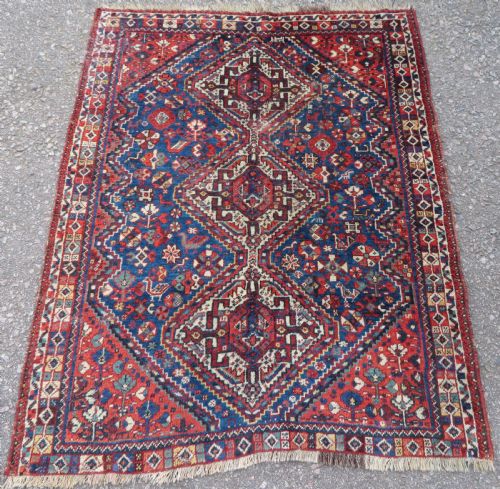
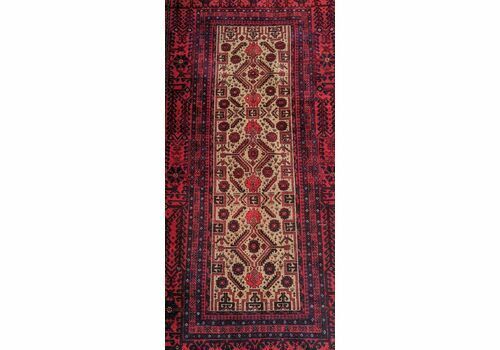
A geometric tribal weave encompasses antique carpets, runner rugs, prayer rugs, and small utilitarian bags made by nomadic and village weavers across Persia, the Caucasus, Anatolia, and Central Asia. These items range from room-sized carpets down to saddle bags, vanity bags, and salt bags produced for daily nomadic life.
The most common versions encountered here are woolen rugs and carpets originating from tribal groups such as the Afshar, Khamseh, Qashqai, Kazak, and Ersari. Their patterns rely on distinct rectilinear medallions, repeating geometric motifs, and tribal symbols passed down through generations.
How they were made
Weavers constructed these textiles using hand-spun wool for the pile and foundation, often combining cotton for structural warps and wefts in certain regional types. The materials were tied into dense knots or woven flat, depending on whether the piece was intended as a floor carpet or a utilitarian storage bag.
Colour comes from natural dyes applied to the wool, yielding rich hues that mellow gracefully over decades of exposure and use. The reliance on hand-spun materials and botanical colour sources gives each weave its characteristic texture and depth.
Some weavers tucked tiny protective amulets directly into the wool pile to ward off the evil eye during long desert migrations.
What varies in quality
Quality rests on the tightness of the weave, the precision of the geometric layout, and the handled quality of the wool. Finer knots and carefully prepared hand-spun wool create a supple handle and a crispness in the drawn lines of medallions and borders.
The choice and saturation of natural dyes also dictate the merit of a piece, separating standard village productions from exceptional tribal weaving. Integrated proportions and balanced colour palettes elevate certain carpets far above everyday utility items.
Afshar Nomads·Yomut Tribe·Shahsevan Nomads
The Geometric Tribal Weave Glossary
- Medallion
- A central ornamental motif, often diamond or octagonal in shape, placed in the middle of a rug field. This geometric focal point governs the symmetry of tribal designs.
- Kilim
- A flatweave textile produced without a pile by tightly interweaving warp and weft strands. These are utilised for lightweight floor coverings and utilitarian bags.
- Asmalyk
- A pentagonal trapping traditionally hung on the flank of a camel during Turkmen wedding processions. These pieces display intricate geometric field patterns.
- Jollar
- A Turkmen bag face or long storage bag utilised within the yurt for domestic organisation. They typically feature guls and repeat geometric partitioning.
- Warp
- The vertical foundation threads stretched tightly on the loom before knotting begins. Weft threads are then passed across them horizontally to lock the structure.
Geometric Tribal Weave: Frequently Asked Questions
What is a geometric tribal weave?
A geometric tribal weave is a hand-knotted or flatwoven textile created by nomadic or village populations using rectilinear patterns, tribal symbols, and traditional motifs.
These pieces include carpets, runner rugs, prayer rugs, and storage bags originating from regions such as Persia, the Caucasus, and Central Asia.
How were these rugs used originally?
Nomadic groups utilised these textiles as floor coverings inside tents, horse trappings, sleeping mats, and heavy storage bags for salt, tobacco, and personal belongings.
Many smaller bags and trappings served practical functions in daily migration before eventually being preserved as collectible textiles.
How do I live with an antique tribal rug?
Living with these textiles involves placing them in low-to-moderate traffic areas and supporting them with a quality underlay to prevent sliding and reduce pile wear.
Keeping them out of direct sunlight helps protect the natural dyes from fading prematurely while allowing the wool to age gracefully.
How can I tell different tribal styles apart?
Tribal styles are distinguished by their specific regional colour palettes, border arrangements, and characteristic medallion structures.
For instance, Caucasian pieces often favour sharp, primary-coloured polygons, while South Persian weaves tend towards deep madder reds, dark blues, and intricate all-over repeating motifs.