


Geometric Storage Cabinet
A geometric storage cabinet brings together striking pattern and daily utility across periods from the seventeenth century to the mid-twentieth century.
Geometric Storage Cabinet
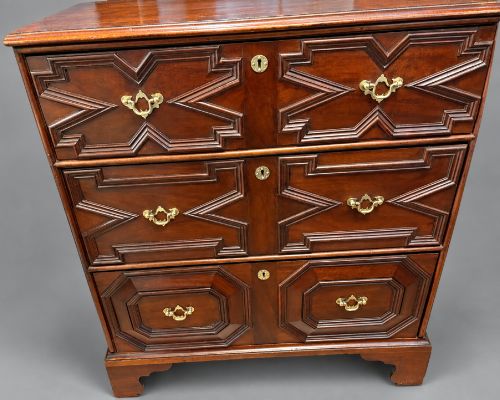
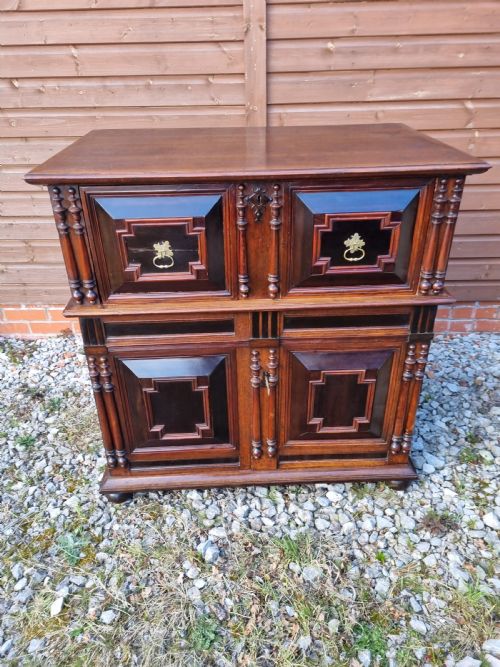
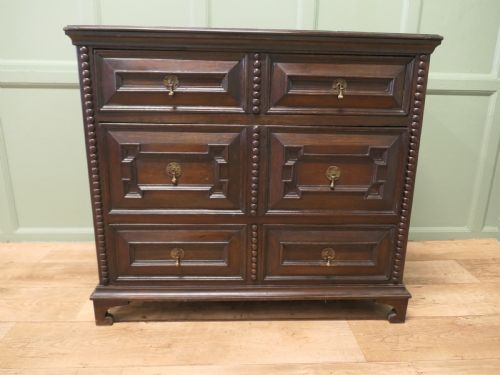
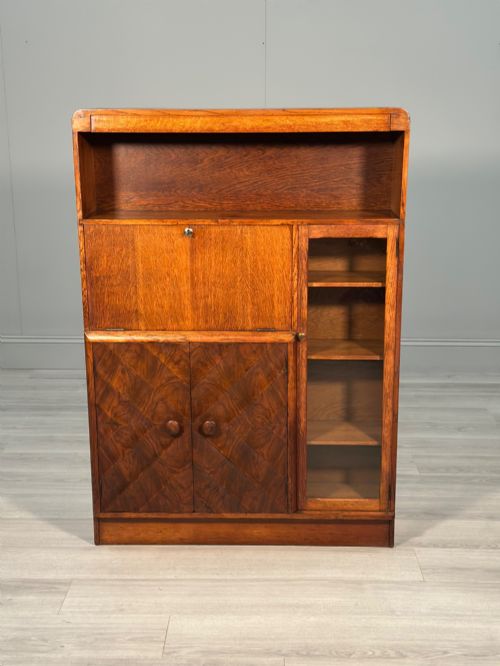
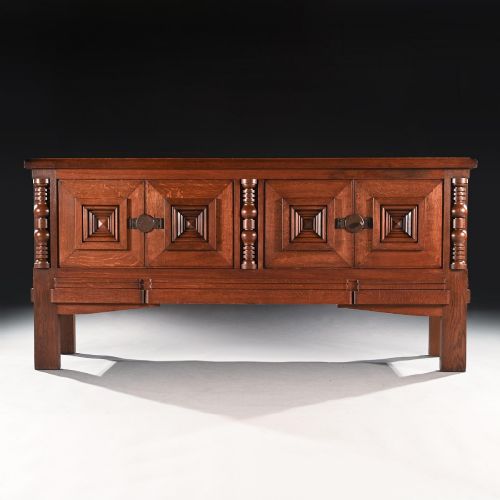
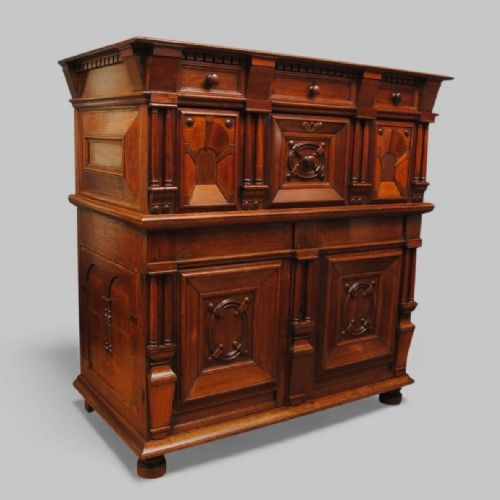
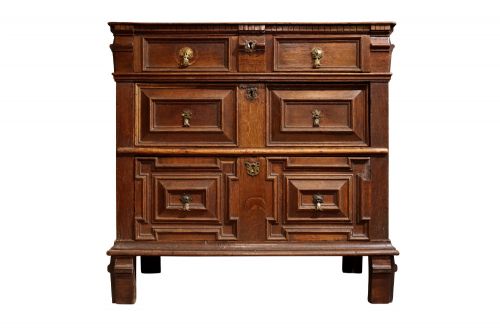
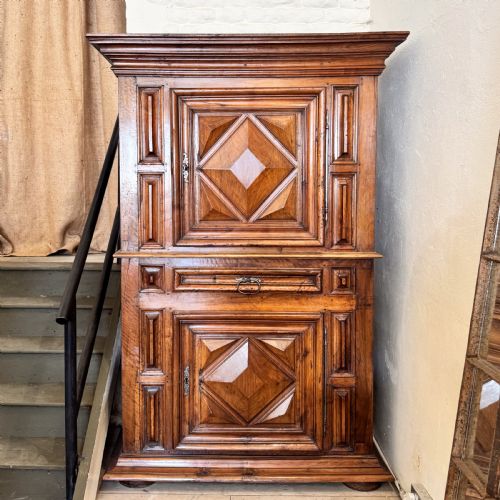
A geometric storage cabinet encompasses case pieces ranging from seventeenth-century oak chests and walnut cupboards to Art Deco sideboards and bureau bookcases. When searching for a geometric storage cabinet, buyers encounter varied forms including linen cupboards, side cabinets, and cocktail displays built across several centuries.
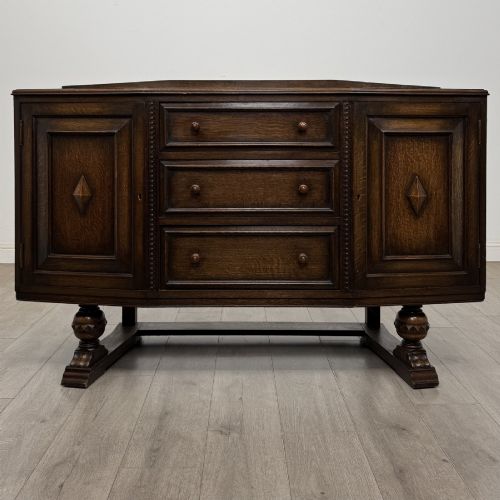
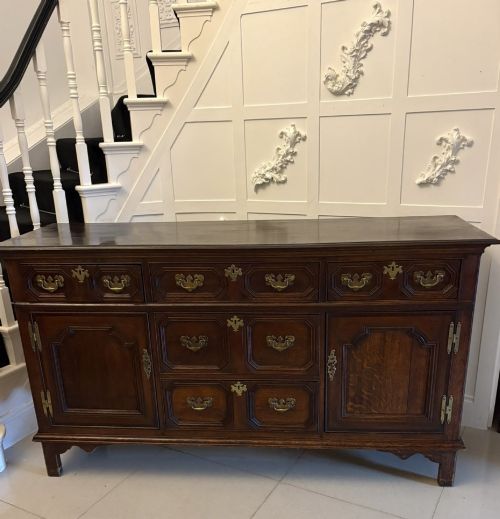
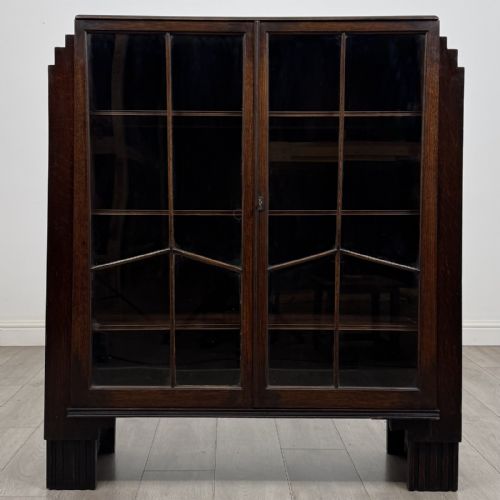
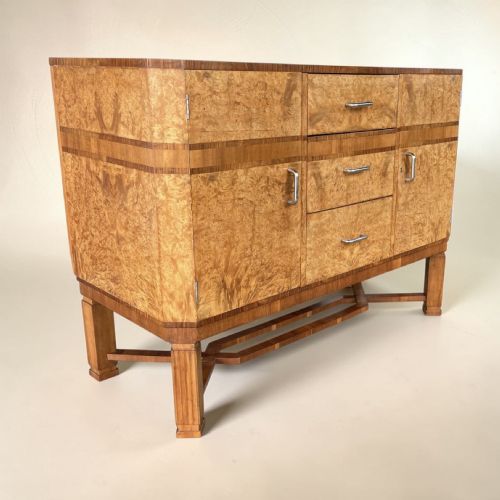
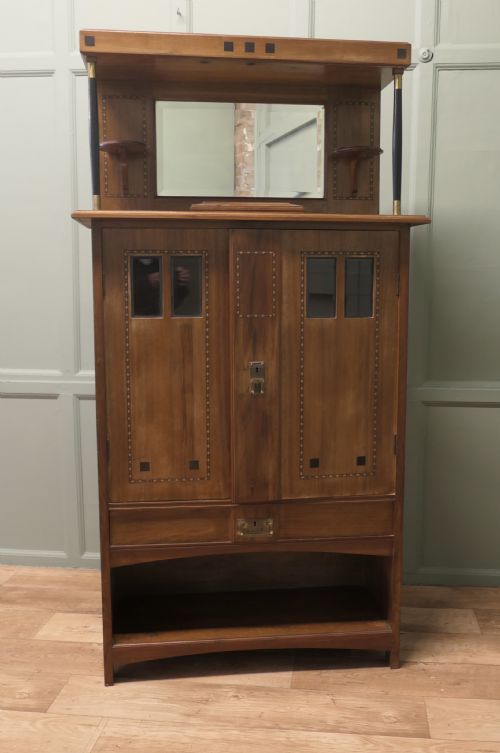
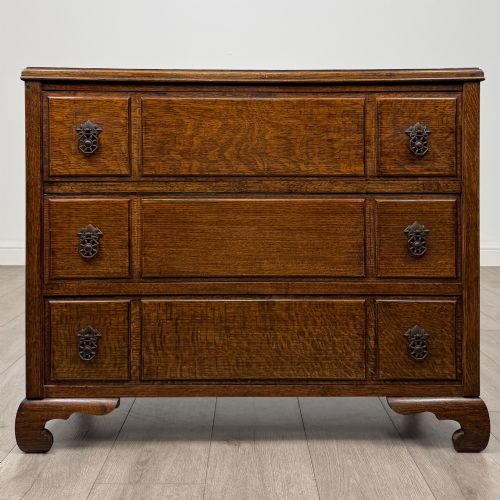
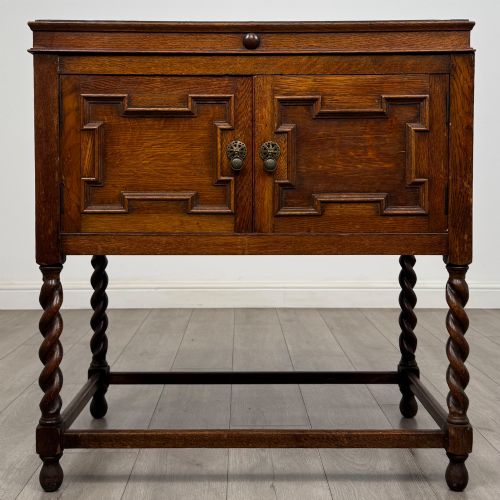
The pieces appearing here span vernacular oak from the seventeen hundreds alongside walnut and fruitwood, moving through Edwardian iterations up to French Art Deco designs. Many items utilise distinct period motifs like moulded fronts, barley twist legs, or inlaid veneers to create structured visual rhythm.
Early examples rely on heavy timber construction and panel work, while later twentieth-century interpretations favour sweeping curves and figured veneers. Each variant offers specific compartments, drawers, or shelving designed for practical storage while displaying the maker's mastery of geometry.
Materials and construction methods
Makers constructed these cabinets primarily using solid oak, walnut, and fruitwood, often accented with ebony, sycamore, mahogany, and maple. Timber selection dictated both structural integrity and the capacity to hold crisp geometric mouldings or flush veneer patterns.
Joinery techniques evolved from traditional seventeenth-century frame and panel construction to sophisticated twentieth-century veneering and curving. Brass hardware, iron hinges, and glass panels frequently complete the functional architecture of these storage pieces.
Geometric Storage Cabinet Retail Price Guide 2026
Typical asking prices for geometric storage cabinet among the pieces listed under this phrase on Sellingantiques today, from the lower quarter to the upper quarter. They describe what is for sale here now, not the wider market.
Distinctions in quality and execution
Quality reveals itself in the precision of the timber matching and the depth of the carved or moulded geometric relief. Superior examples maintain structural harmony between internal storage compartments and external decorative programmes.
The refinement of secondary timbers and the integrity of period hardware distinguish exceptional cabinetwork from standard utilitarian production. Masterful execution ensures that decorative patternwork enhances the natural figure of the walnut, oak, or fruitwood without masking the grain.
E Gomme·Charles Dudouyt
The Geometric Storage Cabinet Glossary
- Bureau bookcase
- A writing cabinet featuring a sloping desk flap above drawers, surmounted by a glazed or panelled shelving section. These dual-purpose pieces combine workspace with enclosed storage.
- Cocktail cabinet
- A specialised storage unit designed for entertaining, typically featuring mirrored interiors, glass shelving, and dedicated compartments for glassware and bottles. They appear prominently in Art Deco designs.
- Serpentine sideboard
- A serving cabinet characterised by a undulating front edge with a convex centre flanked by concave curves. This contour requires advanced woodworking skill to execute properly.
- Raised gallery
- A low decorative railing or superstructure rising above the top surface of a chest or cabinet. It prevents items from sliding off the rear edge.
- Barley twist
- A turned wooden column resembling a spiralling rope, commonly found on legs and stretchers of seventeenth-century and revival furniture. This technique adds vertical visual movement to case pieces.
Geometric Storage Cabinet: Frequently Asked Questions
How do I date a geometric storage cabinet?
Dating relies on examining the timber species, construction joints, and decorative styles present in the piece. Seventeenth-century examples typically show pegged frame and panel joinery in oak, whereas Art Deco pieces utilise figured walnut and smooth veneers.
Hardware and internal linings also provide reliable clues to the decade of manufacture. Comparing the secondary woods inside drawers helps confirm the period.
Where should I place a heavy walnut cabinet?
Position large walnut storage pieces away from direct heat sources and strong sunlight to protect the fragile veneers and polished finishes. Maintaining stable room humidity prevents the timber from warping.
Allow sufficient clearance around doors and drawers so they open fully without obstruction. Placing these substantial items against structurally sound walls ensures safe daily use.
Are these cabinets practical for modern clothing storage?
Many period linen cupboards, chests of drawers, and sideboards offer deep internal space well suited to contemporary storage needs. Adjustable or fixed shelving within cupboards accommodates folded garments easily.
Buyers should verify internal drawer depths and shelf clearances before purchase to match their specific organizational requirements. The robust construction of oak and walnut case pieces handles daily domestic use reliably.
What is the difference between Jacobean and Art Deco styles?
Jacobean and Jacobean revival styles emphasise dark oak, heavy mouldings, panelled geometric fronts, and turned supports like barley twists. These pieces project a solid, architectural presence rooted in the seventeenth century.
Art Deco designs focus on streamlined silhouettes, contrasting exotic veneers like burr walnut and maple, and symmetrical geometric patterns. They reflect a twentieth-century aesthetic celebrating modernity and smooth surfaces.