




Geometric Silver Lamp
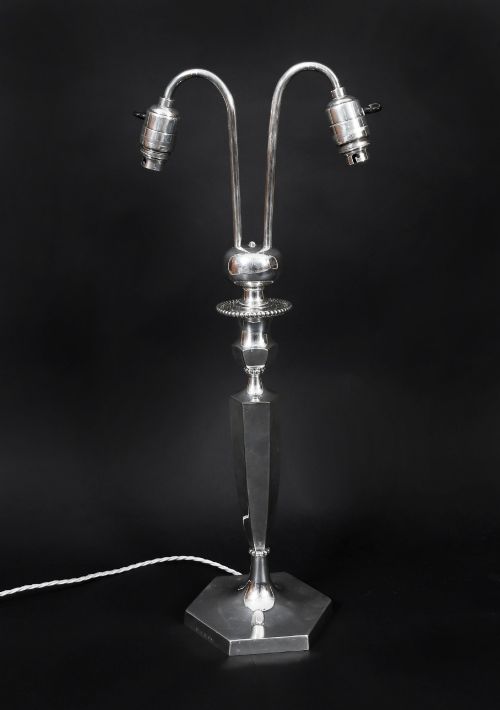
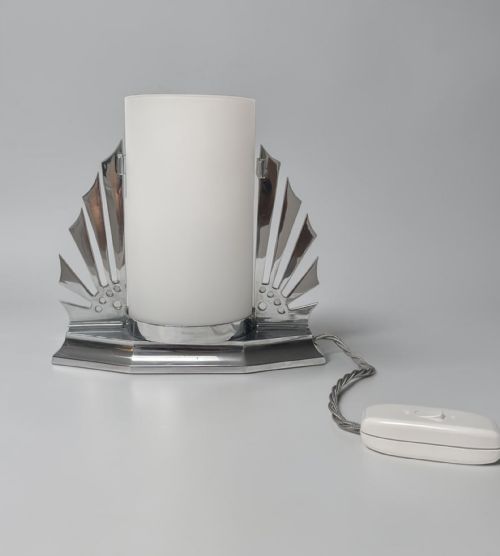
A geometric silver lamp brings sharp lines and metallic polish from the 1920s, 1930s and 1940s straight into a modern interior.
Geometric Silver Lamp
A search for geometric silver lamp reveals items built during the Art Deco and American Art Deco periods. These objects focus on clean forms, symmetrical shapes and angular motifs.
The most common examples on this page are table lamps, pendant lights and ceiling lighting. They utilise polished finishes and architectural silhouettes typical of the interwar decades.
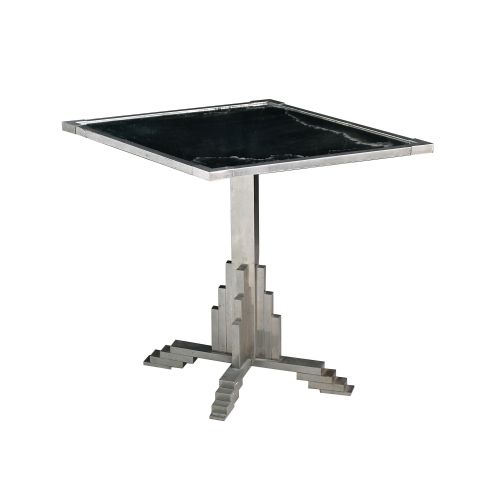
Makers and designers from France and Britain shaped these items using silver plate, nickel plated metal and chrome. Alongside lighting, related side tables and chandeliers share the same rigorous geometry.
How they were made
Makers constructed these pieces using chrome plated metal, steel and silver plate over solid bases. These metals provided a durable frame capable of holding intricate geometric angles.
Geometric Silver Lamp Retail Price Guide 2026
Typical asking prices for geometric silver lamp among the pieces listed under this phrase on Sellingantiques today, from the lower quarter to the upper quarter. They describe what is for sale here now, not the wider market.
Listings span three distinct decades: the 1920s, 1930s and 1940s, capturing the evolution of modernist design.
What varies in quality
Superior items display precise joins and heavy gauge metals that retain their rigidity across complex tiers. Lesser pieces rely on thin plating over softer base metals that wear down quickly.
The integration of specialised glass elements, such as moulded shades by named workshops, separates standard production runs from high end commissions.
Elkington·Émile Jacques Ruhlmann·Muller Bros
The Geometric Silver Lamp Glossary
- Art Deco
- A design style spanning the 1920s and 1930s characterised by sleek lines, geometric patterns and industrial materials. It replaced the flowing curves of earlier decorative arts.
- Silver plate
- A thin layer of silver bonded to a base metal such as copper or brass. This technique offered the lustre of solid silver at a lower weight and cost.
- Moulded glass
- Glass shaped by being pressed into a metal form while molten. This process created three dimensional patterns and thick textures suited to diffusing electric light.
- Uplighter
- A type of lighting fixture designed to cast illumination upward toward the ceiling. These forms frequently utilised stepped metal bases and frosted glass bowls.
Geometric Silver Lamp: Frequently Asked Questions
What periods do these lamps come from?
These items originate primarily from the 1920s, 1930s and 1940s. They embody the modernist shift toward industrial fabrication and stark geometric styling.
Production during these decades relied heavily on emerging metal plating techniques and mass manufacturing methods adapted for domestic interiors.
How were these lamps used originally?
Owners placed table lamps on side tables and desks to provide focused task lighting in living spaces and offices. Pendant lights and chandeliers hung from central ceilings to illuminate entire rooms.
The metallic surfaces reflected ambient light, enhancing the brightness of interwar domestic spaces.
Are these items made of solid silver?
Almost none of these objects consist of solid silver. Manufacturers utilised chrome plated metal, nickel plated metal and silver plate over base metals.
These materials provided the necessary structural strength and reflective finish while keeping production practical for domestic lighting.
How do I care for a metal lamp?
Dust the metal and glass components regularly with a soft, dry cloth to prevent grime accumulation. Avoid abrasive cleaners that can strip away thin metal platings or scratch frosted glass.
Check the internal wiring periodically to ensure safe operation with modern electrical standards.