





Geometric Scatter Rug
These small floor coverings and cushions deliver strong pattern through traditional weaves.
Geometric Scatter Rug
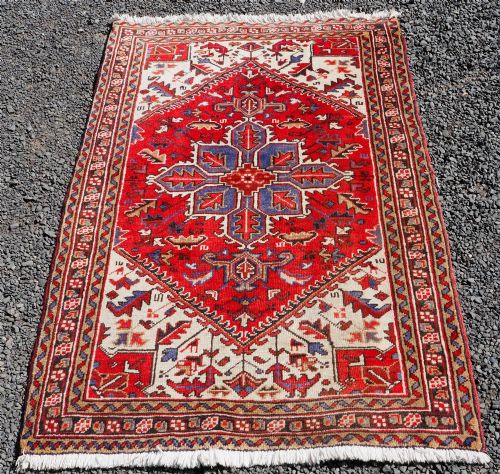
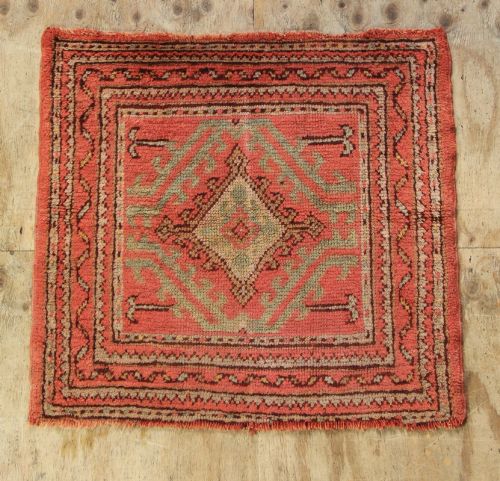
A geometric scatter rug brings compact tribal pattern into domestic spaces through small rugs, mats, and converted bag faces. You encounter pieces originating from Anatolian, Turkish, and Persian traditions alongside nomadic styles.
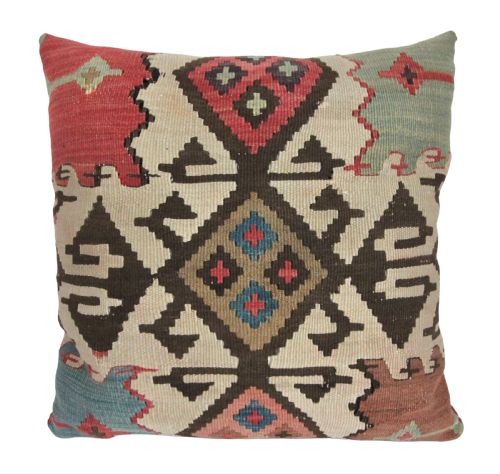
The inventory on this page relies heavily on antique kilim cushions and small wool mats. These formats offer concentrated bursts of tribal design without demanding the floor space of a full room-size carpet.
Dated examples span the nineteenth and early twentieth centuries, capturing periods from eighteen-fifty to nineteen-thirty. The focus rests entirely on smaller utilitarian textiles adapted for modern interiors as floor accents or cushions.
Materials and construction
Makers utilised wool and cotton as the primary structural elements for these hand-woven textiles. Wool provides the durable pile or flatweave surface, while cotton often supports foundation warps and wefts.
Tribal weavers employed traditional techniques such as flatweaving for kilims and hand-knotting for pile rugs and bag faces. These methods produced sturdy, functional household items designed to withstand daily nomadic life.
Nomadic weavers frequently repurposed storage sacks into cushions, ensuring that old camel bags found new life on modern sofas.
Assessing quality
Quality rests in the tightness of the weave and the clarity of the geometric motifs. Tighter structures and more deliberate colour placement separate standard domestic weaving from finer tribal examples.
The integrity of the wool and the preservation of the edges dictate the longevity of each piece. Superior items retain their structural firmness while displaying balanced proportions across the design field.
The Geometric Scatter Rug Glossary
- Kilim
- A flat-woven carpet or rug produced without a pile. These pieces rely on interlocking weft techniques to create sharp geometric patterns.
- Bag face
- The front panel of a nomadic storage sack, repurposed as a decorative cushion or small mat. These sections typically display the most intricate tribal designs.
- Oushak
- A traditional style of weaving originating from a specific Turkish region. These items often feature distinctive palettes and large-scale geometric layouts.
- Nomadic tribal
- A designation for textiles created by wandering pastoral groups. Such pieces frequently incorporate memory-based patterns passed down through generations.
Geometric Scatter Rug: Frequently Asked Questions
Where should I place a geometric scatter rug?
These compact pieces fit well in hallways, entryways, or beside furniture where floor space is limited. Their smaller dimensions allow them to accent specific zones without overwhelming a room.
Alternatively, cushion formats provide texture when placed on chairs, benches, or beds. They introduce historical pattern into seating areas without requiring permanent floor placement.
How do I care for antique wool textiles?
Gentle vacuuming without a rotating brush helps remove dust from wool surfaces safely. Keeping them out of direct sunlight prevents natural dyes from fading over time.
Professional cleaning tailored for antique rugs remains the safest approach for deeper maintenance. Harsh chemical treatments will damage the delicate wool fibres and alter the original colours.
What defines tribal and nomadic designs?
Nomadic designs rely on geometric symbols, repeating motifs, and stark colour contrasts created by independent weavers. These patterns often reflect regional traditions rather than urban workshop standards.
The absence of rigid geometric precision gives these textiles their distinct character. Every piece records the individual choices of the weaver working within established tribal customs.
How are periods determined for these rugs?
Age is assessed through dye analysis, wool condition, structural wear patterns, and stylistic conventions. Certain weave densities and regional motifs point toward specific decades or centuries.
Comparing construction methods with documented examples helps narrow down the production era. Dealers look at material ageing and technical quirks to estimate when a piece was made.