

Geometric Diamond Jewellery
Geometric diamond jewellery brings together precise lines and brilliant stones from the Art Deco period, Edwardian era, and mid-century designs.
Geometric Diamond Jewellery
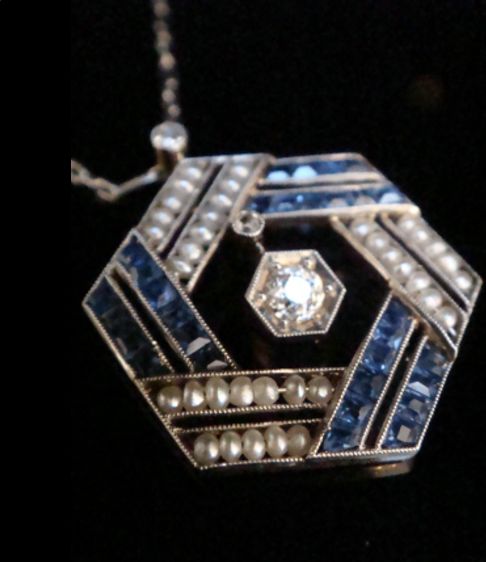
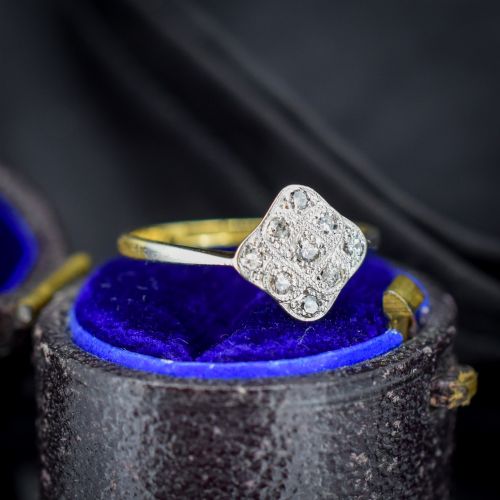
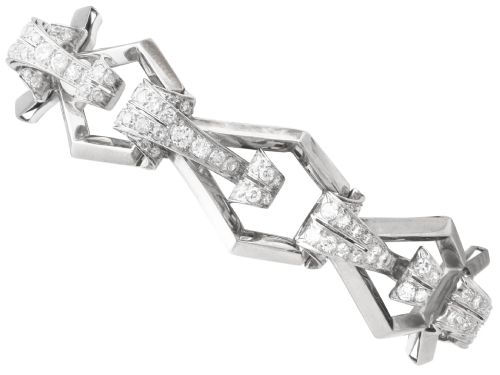
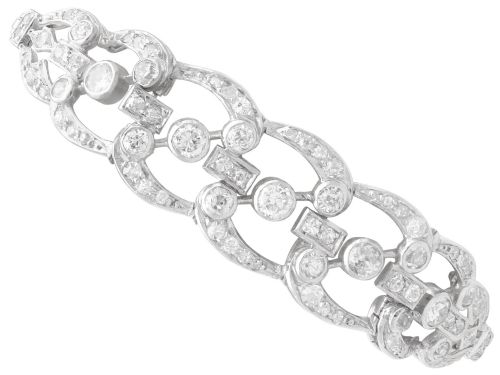
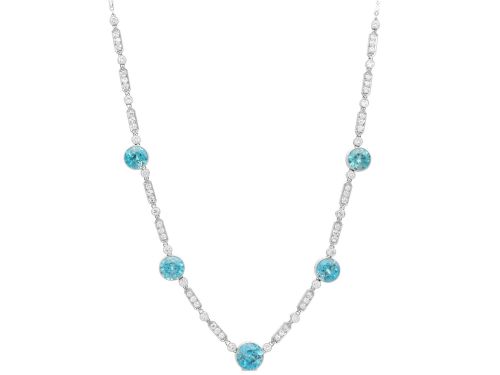
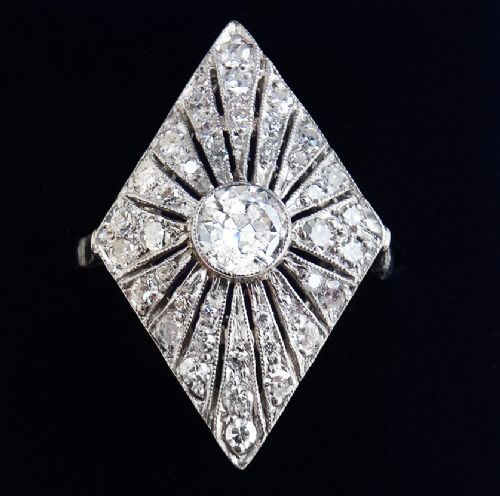
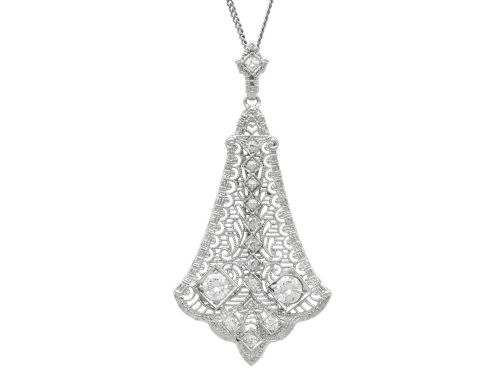
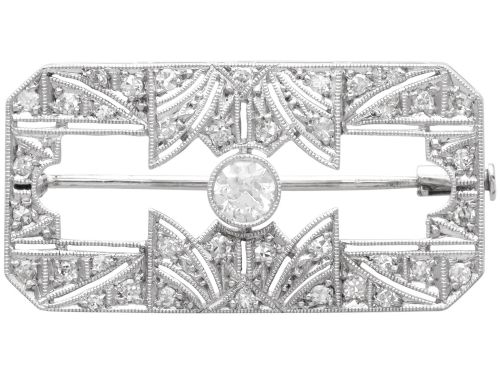
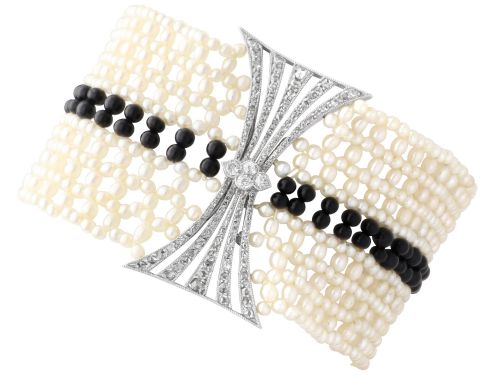
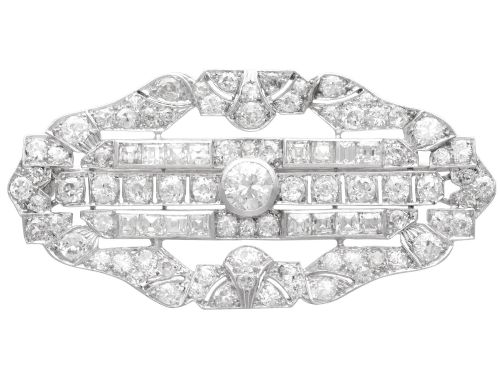
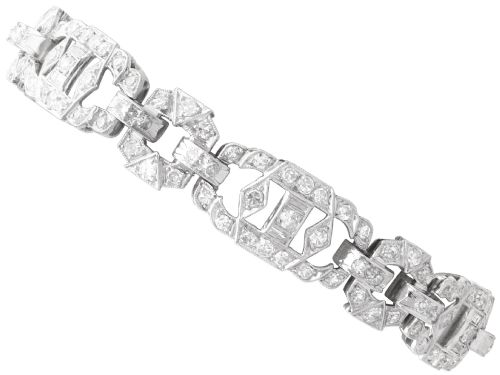
Geometric diamond jewellery relies on rigid angles, clear symmetry, and clean outlines drawn from the Art Deco style alongside mid-century and Edwardian examples. Pieces span rings, bracelets, brooches, earrings, necklaces, and pendants created across several decades.
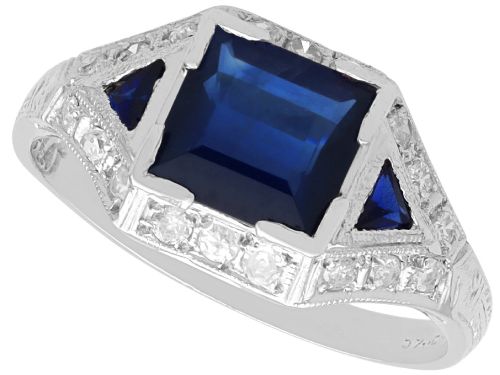
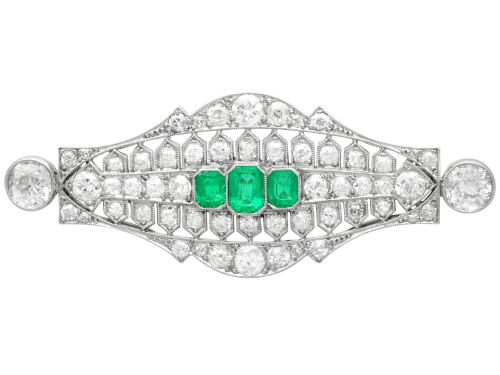
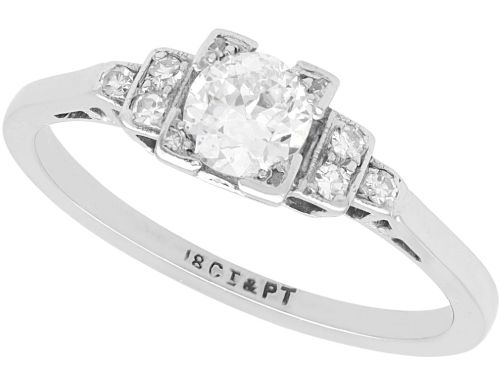
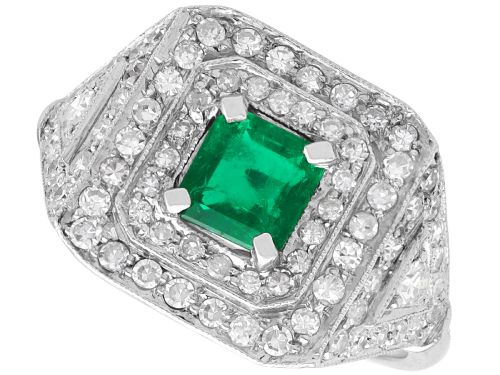
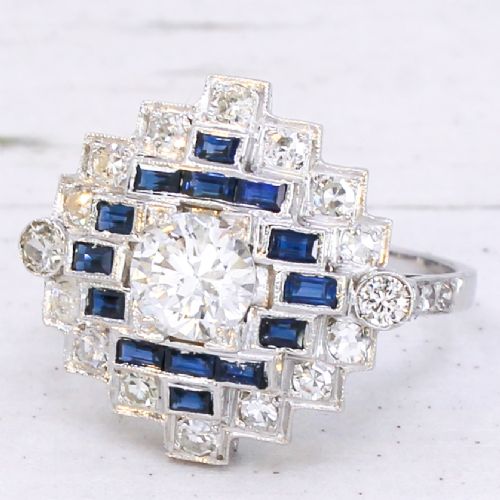
The most common items found in this category are rings and brooches, typically combining central diamonds with calibre-cut sapphires, emeralds, or black enamel. Platinum and white gold settings frame these stones to emphasise the linear motifs.
Materials and construction methods
Artisans built these pieces primarily in platinum and various carats of gold, including white and yellow variants, to support intricate stone settings. Platinum offered the structural strength required for delicate, thin lines and secure prong or bezel placement.
Stones were cut into specific shapes such as marquise, pear, and trapezoid to fit rigid patterns alongside round diamonds. Enamel accents and calibre-cut coloured gems added contrast within the metal framework.
Geometric Diamond Jewellery Retail Price Guide 2026
Typical asking prices for geometric diamond jewellery among the pieces listed under this phrase on Sellingantiques today, from the lower quarter to the upper quarter. They describe what is for sale here now, not the wider market.
Listings span platinum, white gold, and yellow gold set with diamonds, sapphires, emeralds, and pearls across the 1920s, 1930s, and mid-century periods.
Evaluating craftsmanship and stone selection
Quality rests on the precision of the metalwork, where tight joints and consistent symmetry dictate the integrity of the design. Hand-finished platinum settings show finer detail than mass-produced alternatives.
Stone selection divides the work, with well-matched diamond clarity and colour grade uniformity elevating a piece. The integration of unheated sapphires or emeralds also distinguishes higher-tier examples.
The Geometric Diamond Jewellery Glossary
- Navette
- A boat-shaped gemstone or ring setting that tapers to a sharp point at both ends. This outline is common in elongated cluster rings.
- Calibre-cut
- Small gemstones cut precisely in specific geometric shapes to fit closely together without visible metal between them. This technique creates continuous blocks of colour in patterned borders.
- Old cut
- A diamond cutting style that precedes modern brilliant cuts, characterised by a smaller table, higher crown, and open culet. These stones catch candlelight effectively.
- Cluster ring
- A ring design featuring a central stone surrounded by a group of smaller gems. The surrounding stones often form a square, star, or oval shape.
Geometric Diamond Jewellery: Frequently Asked Questions
What periods do these pieces come from?
Most items originate from the 1920s and 1930s during the height of the Art Deco movement. Additional examples appear from Edwardian times and mid-century revivals.
Design traits shift subtly between these eras, moving from delicate Edwardian lace-like platinum to bolder geometric forms in later decades.
Which metals are used most often?
Platinum is the dominant metal because its strength allowed workshops to build secure, thin settings for diamonds. White gold and yellow gold appear frequently alongside platinum.
Makers selected metals based on the desired colour contrast with the diamonds and coloured gemstones.
How do I identify Art Deco pieces?
Art Deco items feature straight lines, sharp angles, and repeating motifs like chevrons, squares, and steps. Symmetrical arrangements dominate the overall composition.
Coloured accents from sapphires, emeralds, or black enamel often highlight the structural metal patterns.
Are coloured stones common alongside diamonds?
Blue sapphires, pink sapphires, and emeralds appear regularly alongside diamonds in these settings. Black enamel is also utilised to provide stark tonal contrast.
These coloured elements define the geometric boundaries within brooches, rings, and bracelets.