



Geometric Carved Oak Cabinet
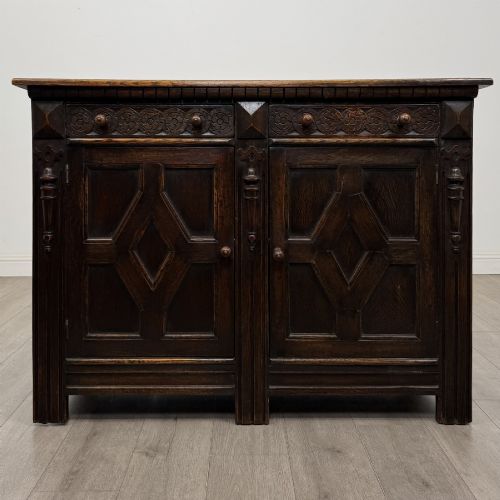
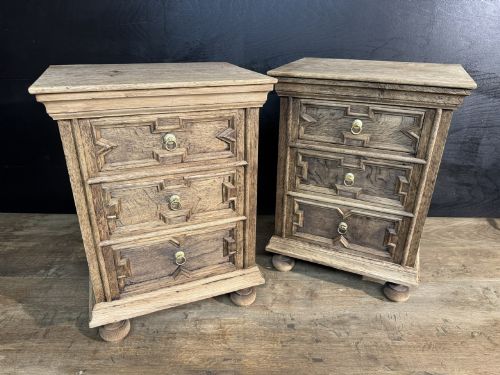
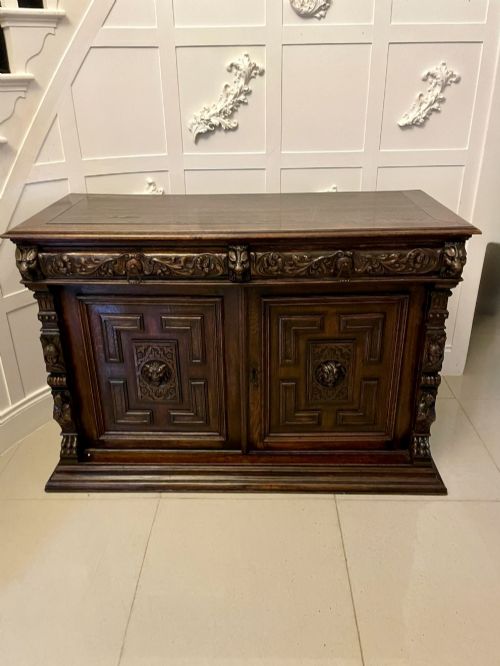
A geometric carved oak cabinet brings seventeenth-century depth into a room through deeply worked panels and robust timber.
Geometric Carved Oak Cabinet
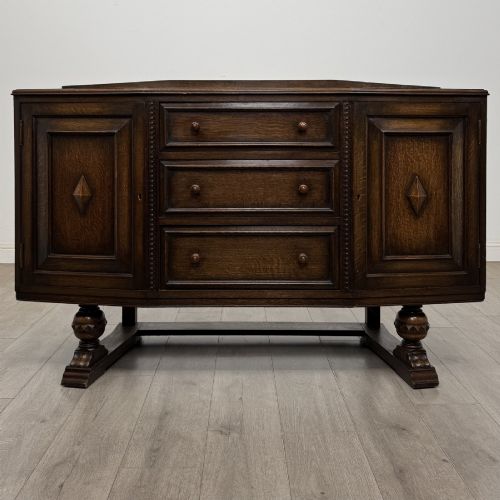
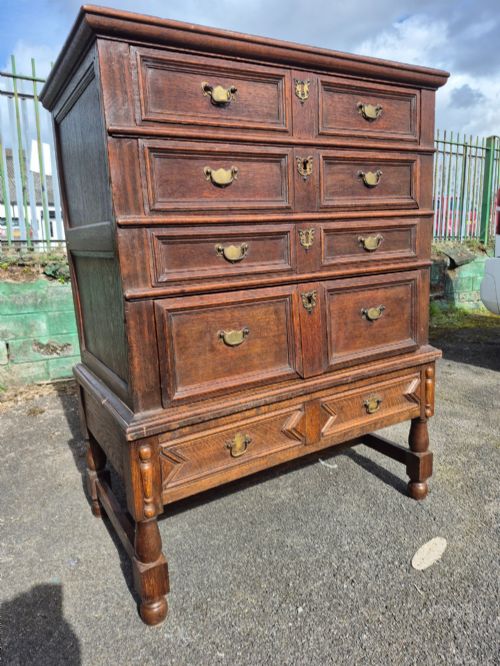
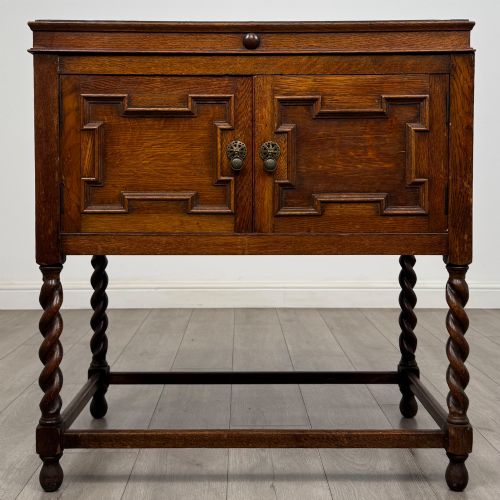
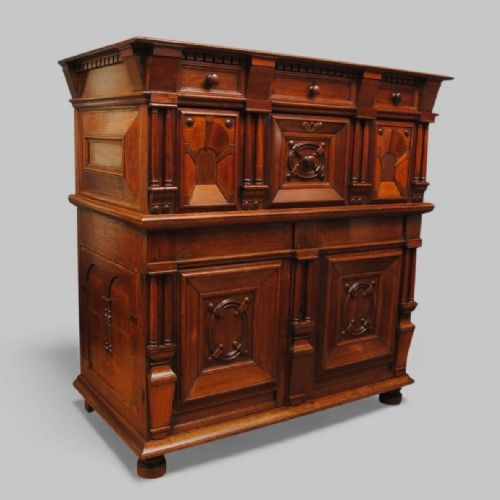
A geometric carved oak cabinet comprises storage furniture decorated with rectilinear mouldings, mitred panels, and strapwork relief. The search phrase covers pieces ranging from seventeenth-century chests on stands to later revival sideboards, dressers, and cupboards.
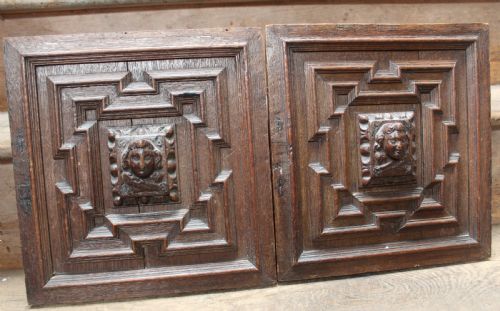
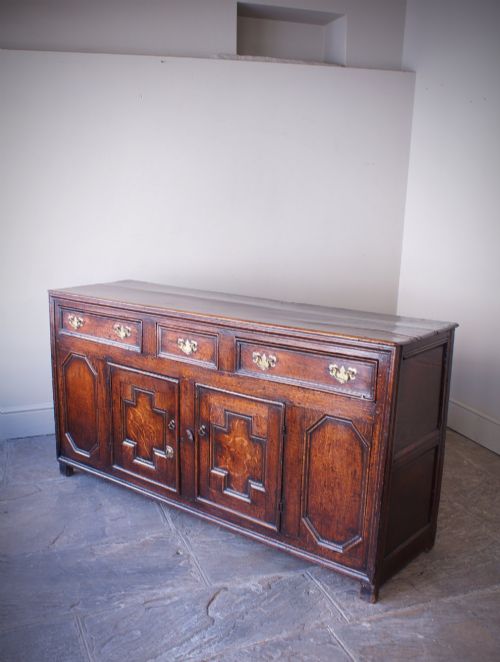
Jacobean and seventeenth-century revival influences dominate the selection, alongside earlier period pieces dating back to the seventeen-hundreds. Buyers encounter dark timber surfaces shaped by geometric panelling, often arranged in octagons, diamonds, or overlapping rectangles.
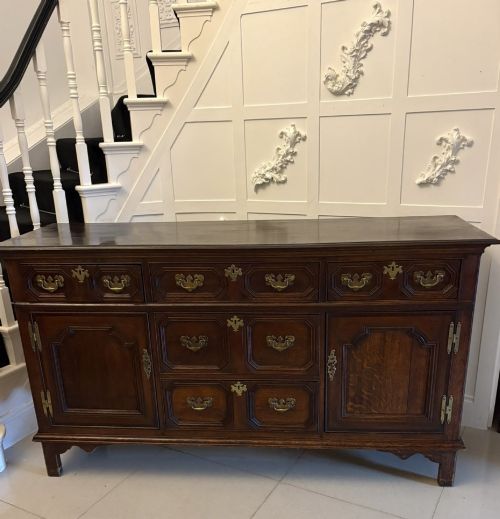
Forms vary from tall dressers and corner cabinets to sideboards and chests of drawers on stands. Oak remains the primary timber, occasionally complemented by walnut or fruitwood accents.
Materials and construction methods
Makers built these pieces primarily from solid oak, sometimes utilising oak veneer, walnut, or fruitwood to create tonal contrast within the panels. Iron and brass hardware, including drop handles and hinges, secure the doors and drawers.
Carpenters applied applied mouldings in geometric patterns directly onto the drawer fronts and cupboard doors to create shadow and relief. Leaded glass doors appear on specific cabinet variants, while foundational structures rely on pegged mortise and tenon joints.
Geometric Carved Oak Cabinet Retail Price Guide 2026
Typical asking prices for geometric carved oak cabinet among the pieces listed under this phrase on Sellingantiques today, from the lower quarter to the upper quarter. They describe what is for sale here now, not the wider market.
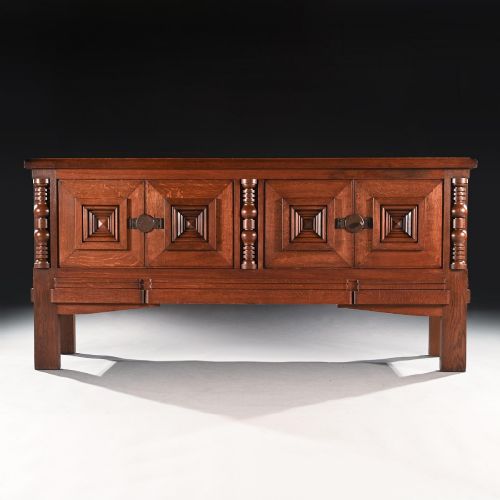
The listings span from the seventeen-hundreds through the Victorian era to mid-twentieth-century French Art Deco interpretations.
Distinguishing craftsmanship and authenticity
Quality rests upon the crispness of the geometric carving and the integrity of the timber joints. Superior examples display precisely mitred mouldings and consistent grain patterns across the primary facades.
The proportion of original timber relative to later replacements determines the standing of a piece. Finer items retain their original brass or iron mounts and exhibit stable, heavy construction without excessive timber shrinkage.
Charles Dudouyt
The Geometric Carved Oak Cabinet Glossary
- Jacobean Revival
- A nineteenth and twentieth century style that copies the heavy turned legs, dark timber, and geometric panelling of the early seventeenth century.
- Chest on stand
- A form where a primary drawer section rests upon a separate low table structure with legs.
- Applied moulding
- Strips of shaped timber fixed onto a flat surface to create raised geometric patterns.
- Leaded glass
- Glass panes held together within narrow strips of lead, commonly found on cabinet doors.
- Strapwork
- Flat, ornamental carved bands resembling interlaced leather straps, frequent in seventeenth-century ornamentation.
Geometric Carved Oak Cabinet: Frequently Asked Questions
How do I date a geometric carved oak cabinet?
Dating relies on examining the construction methods inside the drawers, the type of hinges used, and the formation of the timber grain. Tool marks and joint styles reveal whether a piece dates to the seventeenth century or a later revival period.
Secondary woods and backboards provide further clues to age. Earlier pieces show hand-riven timber characteristics, whereas twentieth-century revivals display more uniform machine sawing.
Where should I place an oak cabinet at home?
These robust cabinets suit dining rooms, living spaces, or hallways where their dark timber and shadowed mouldings add architectural weight. Keeping them away from direct heat sources prevents the oak panels from splitting.
Pairing the cabinet with plain walls allows the geometric relief work to stand out clearly. Adequate clearance ensures doors and drawers operate without restriction.
Are these cabinets difficult to maintain?
Maintenance involves minimal effort, restricted to occasional dusting with a dry cloth and feeding the timber with traditional wax. Avoiding harsh chemical polishes preserves the original finish and patina of the oak.
Stable room humidity protects the wood from warping or cracking over time. Gentle care maintains the rich colour developed across centuries.
What is the difference between original and revival pieces?
Original pieces from the seventeenth century carry the patina of age, wear patterns from centuries of use, and period-specific joinery. Revival pieces, constructed during the nineteenth and twentieth centuries, imitate these earlier aesthetics using contemporary workshop methods.
Both categories offer sturdy construction, but period pieces possess historical provenance that distinguishes them from later interpretations.