

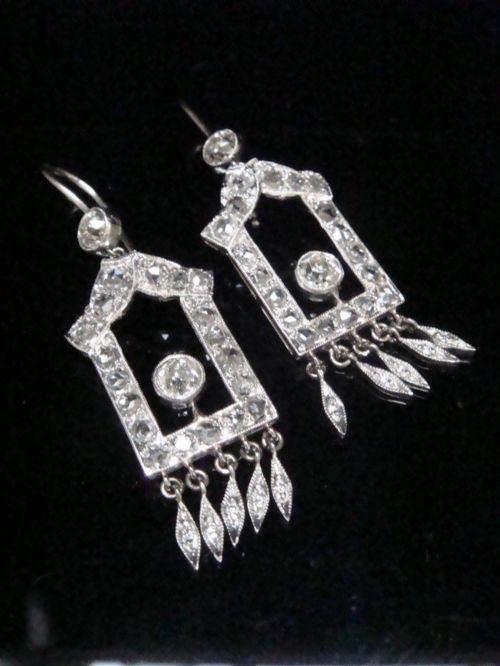


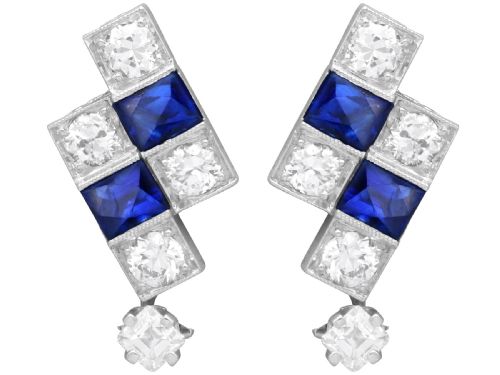

Geometric Art Deco Earrings
Geometric art deco earrings bring sharp lines and striking symmetry to the ear, offering bold period design for daily wear.
Geometric Art Deco Earrings
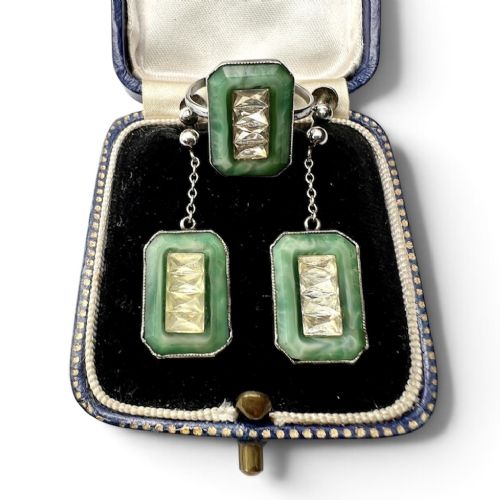
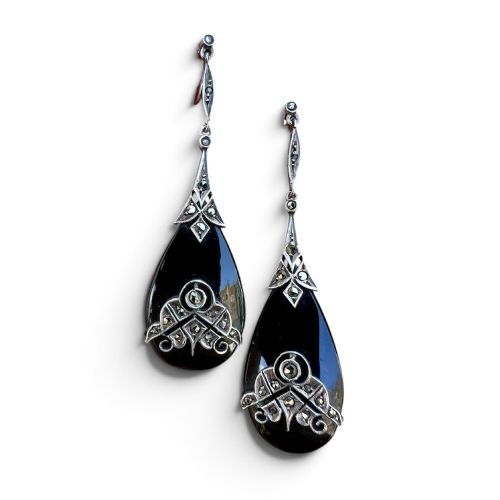
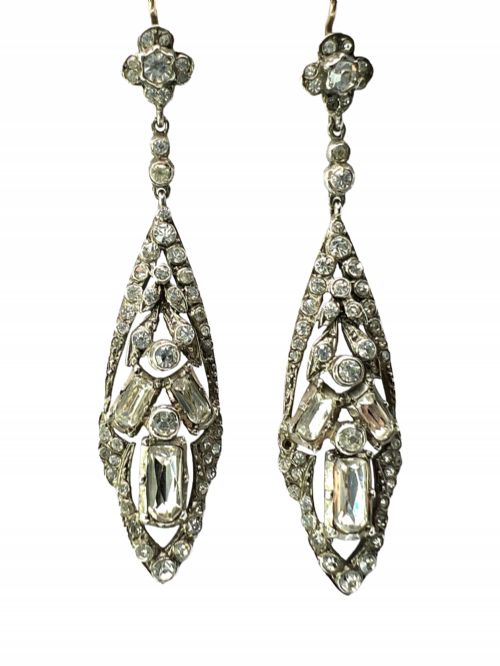
Geometric art deco earrings span drop earrings, studs, and jewellery sets originating primarily from the 1920s and 1930s. Buyers encountering this style will find distinct architectural silhouettes that reflect the design priorities of the early twentieth century.
The selection includes pieces created during the Edwardian era and mid-century modern periods alongside core art deco examples. Common forms range from linear drops to articulated night and day configurations designed for versatility.
Materials vary widely across these items, pairing precious metals with gemstones or industrial plastics. Silver and gold frequently anchor designs that utilise chrome, bakelite, and paste for alternative modernist expressions.
How They Were Made
Metals such as platinum, 18ct white gold, and 9ct gold provide the structural foundation for fine gemstone pieces. Silver and chrome appear frequently in silver-plated or solid formats, often combined with marcasite or green glass to achieve distinct visual contrasts.
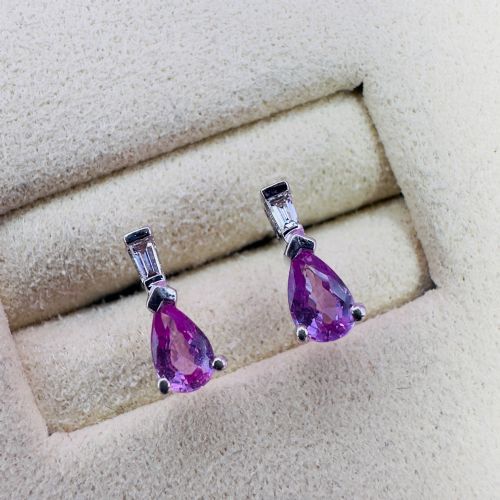
Gemstone selection relies on precise cutting techniques to maintain strict angular motifs. Diamond, sapphire, emerald, and citrine are shaped into baguettes, trapezoids, and pear cuts, while organic materials like coral, moonstone, and pearl introduce contrasting textures.
Geometric Art Deco Earrings Retail Price Guide 2026
Typical asking prices for geometric art deco earrings among the pieces listed under this phrase on Sellingantiques today, from the lower quarter to the upper quarter. They describe what is for sale here now, not the wider market.
The inventory records pieces spanning the Edwardian era through the 1950s, utilising platinum, gold, silver, chrome, and bakelite.
What Varies in Quality
The choice of materials dictates the baseline of construction, distinguishing platinum and white gold settings with old cut diamonds from silver, chrome, and bakelite iterations. Metal purity and stone weight establish the inherent substance of each piece.
Articulation and precision in stone setting determine the refinement of the finished item. Finer examples demonstrate careful integration of geometric components that move fluidly while maintaining rigid symmetry.
The Geometric Art Deco Earrings Glossary
- Art Deco
- A design style from the 1920s and 1930s characterised by clean lines, geometric shapes, and stylised motifs. It succeeded the floral curves of earlier periods.
- Night and Day
- Convertible drop earrings featuring detachable lower sections to transition from daytime simplicity to evening glamour. These utilise articulated joints for secure transformation.
- Marcasite
- Small faceted pyrite stones set closely in silver to imitate the sparkle of diamonds. This technique was widely utilised in affordable vintage jewellery.
- Baguette Cut
- A rectangular gemstone cut with step facets suited to linear geometric arrangements. It gained immense popularity during the art deco period.
- Bakelite
- An early synthetic plastic utilised in modernist designs for its vibrant colour and durability. It represents the industrial shift in mid-century and art deco accessories.
Geometric Art Deco Earrings: Frequently Asked Questions
Are these earrings comfortable for daily wear?
Most options utilise standard post, screw, or hook fittings designed for secure retention throughout the day.
Heavier drop designs may require supportive backings to distribute weight evenly across the earlobe.
How do I identify a true art deco pair?
Authentic pieces display characteristic architectural lines, symmetrical patterns, and period-appropriate cuts like baguettes and trapezoids.
Materials such as platinum, old cut diamonds, and specific mounting techniques further confirm the era of origin.
What does night and day mean?
This term describes convertible earrings built with removable lower sections for day and evening use.
They offer two distinct lengths within a single pair through mechanical articulation.
Can I wear antique earrings with modern clothes?
The clean lines and geometric motifs of these pieces complement contemporary tailoring and minimalist wardrobes.
Their architectural symmetry bridges historical craftsmanship and modern styling.