
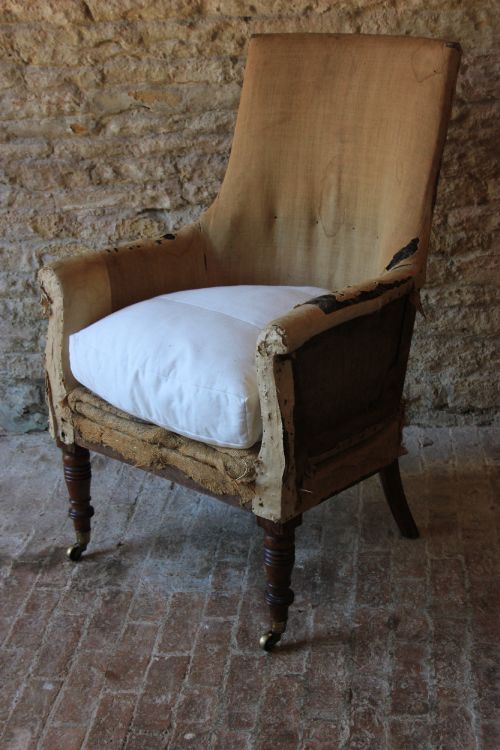
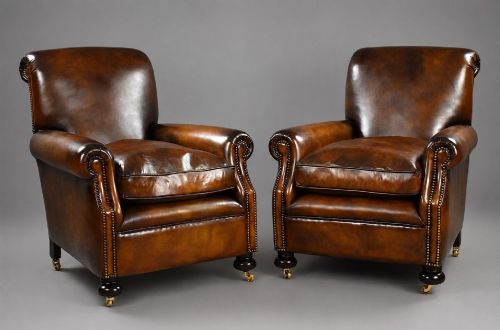
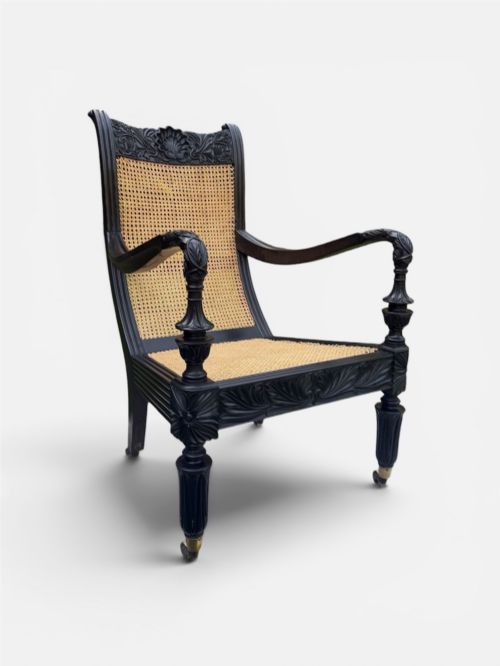
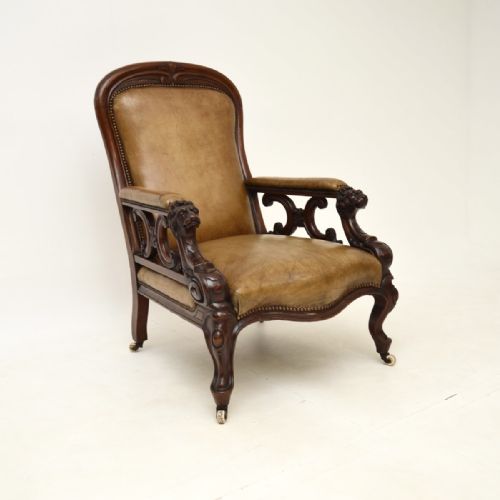


Gentlemans Library Seating
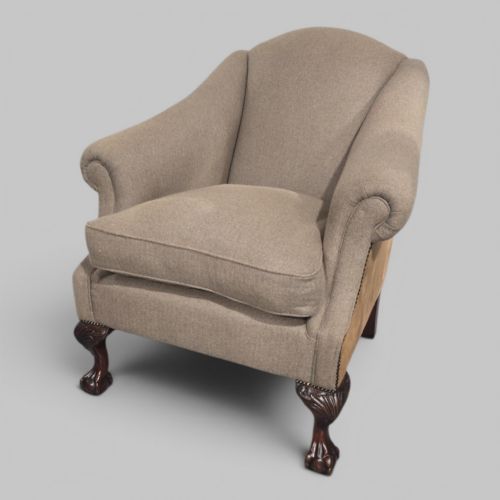
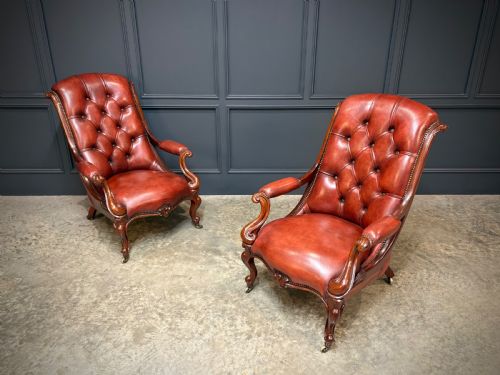
Gentlemans library seating brings solid timber frames and deep leather upholstery together for a sturdy workspace.
Gentlemans Library Seating
When you search for gentlemans library seating, you encounter robust armchairs, desk armchairs, and club fenders designed for heavy study use. The Victorian era provides the highest proportion of these forms on this page, alongside Regency and early twentieth-century examples.
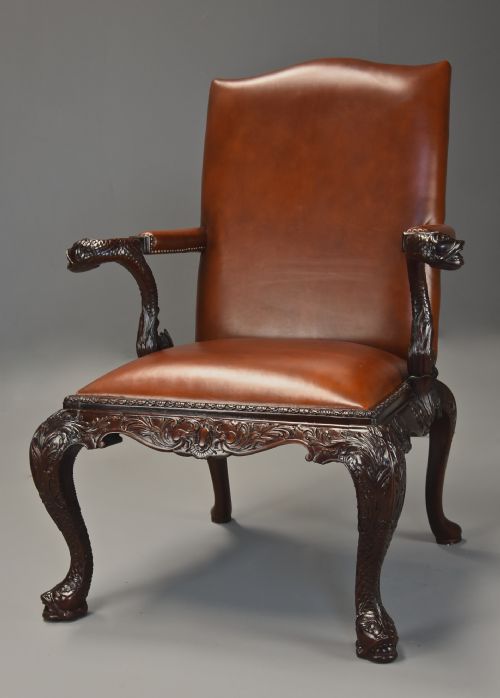
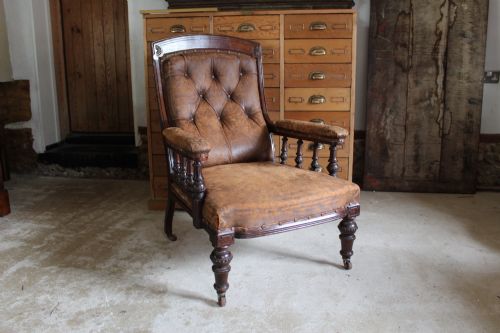
Mahogany and walnut frame the majority of these pieces, often paired with buttoned leather, velvet, or fabric upholstery. The silhouettes range from open armchairs and Gainsborough chairs to spoonbacks and low club chairs.
Origins span standard nineteenth-century cabinet work through to revival styles such as George II style and Chippendale Revival. Pairs and single armchairs dominate the selections currently available.
Materials and construction
Timbers such as mahogany, walnut, and oak form the structural skeletons, joined with traditional joinery to withstand heavy daily use. Solid ebony and pollard oak appear in select pieces.
Upholstery relies on leather, fabric, velvet, and calico, frequently secured with deep buttoning over sprung or stuffed interiors. Brass and metal details reinforce the frames or furnish companion club fenders.
Listings for gentlemans library seating span the nineteenth and twentieth centuries, incorporating Victorian, Regency, and Art Deco design periods.
Judging the range
The degree of hand-carving on the wooden frames separates standard utilitarian pieces from high-status workshop productions. Crisp leaf work, scroll arms, and figural carvings indicate superior cabinet-making skill.
The grade and tanning of the leather upholstery determine the visual depth and tactile richness of the seating. Thick cigar brown hides with natural patination outrank plain or uniformly replaced modern coverings.
The Gentlemans Library Seating Glossary
- Gainsborough chair
- A wide, open-armed armchair with a padded back and seat, typically upholstered in leather and supported on square or carved legs. This form originated in the mid-eighteenth century and remained popular in revival periods.
- Bergère
- An enclosed armchair with stuffed upholstery and wooden framing, where the sides are often caned or fully upholstered. It provides a comfortable seat for reading rooms.
- Club fender
- A low, padded metal and leather seat built to surround a fireplace hearth. Steel, brass, and oak feature in their construction.
- Spoonback
- A Victorian chair style featuring a concave, oval-shaped backrest that resembles the bowl of a spoon. It accommodates the natural curve of the human spine.
- Pollard oak
- Timber taken from trees that have been pollarded, resulting in a dense grain with rich burr patterns. Cabinet makers prized this wood for decorative show frames.
Gentlemans Library Seating: Frequently Asked Questions
What is gentlemans library seating?
Gentlemans library seating encompasses sturdy armchairs, desk chairs, and club fenders built for studies and reading rooms. They rely on heavy timber frames and deep upholstery.
Mahogany, walnut, and oak provide the structural support, while leather and heavy fabrics supply the seating comfort. These pieces date primarily from the nineteenth and early twentieth centuries.
What is a club fender?
A club fender is a low metal and wood frame fitted with upholstered top rails, designed to sit directly around a fireplace hearth. They provide perimeter seating in a library.
Materials commonly include brass, steel, and oak. They keep readers close to the warmth of the fire while protecting them from sparks.
How do I date a Victorian library chair?
Dating a Victorian library chair involves examining the timber species, joinery methods, and the style of the carved ornament. Walnut and heavy mahogany frames are typical of the period.
Buttoned leather upholstery and deep buttonbacks became widespread during the middle and late nineteenth century. Revival styles like George II and Chippendale also influence the silhouette.