
Gentlemans Dress Cane
A gentlemans dress cane brings together fine metalwork and polished timber, serving as a distinct personal accessory from the Victorian and Edwardian eras.
Gentlemans Dress Cane
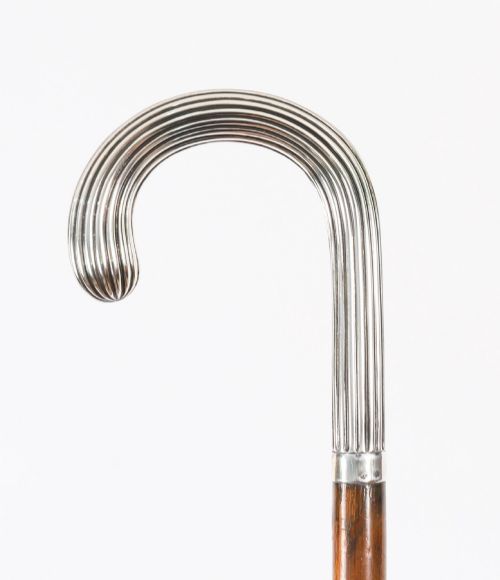
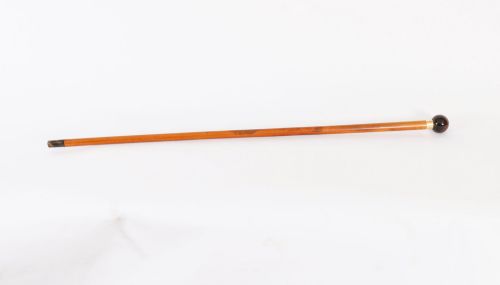
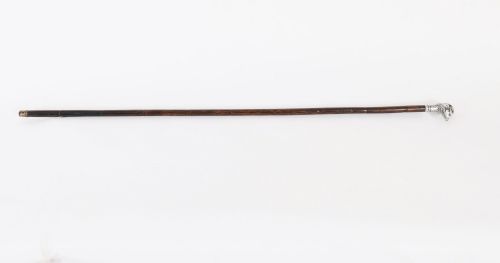
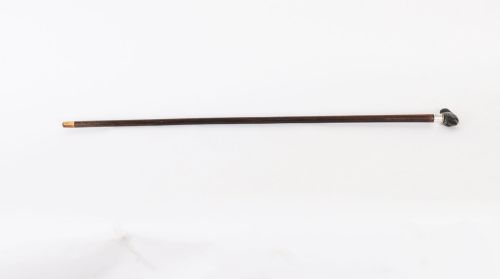
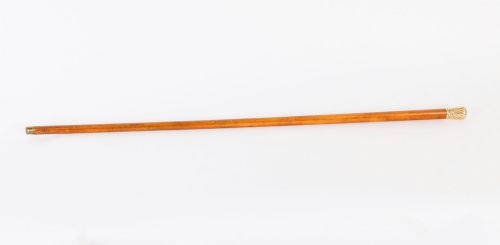
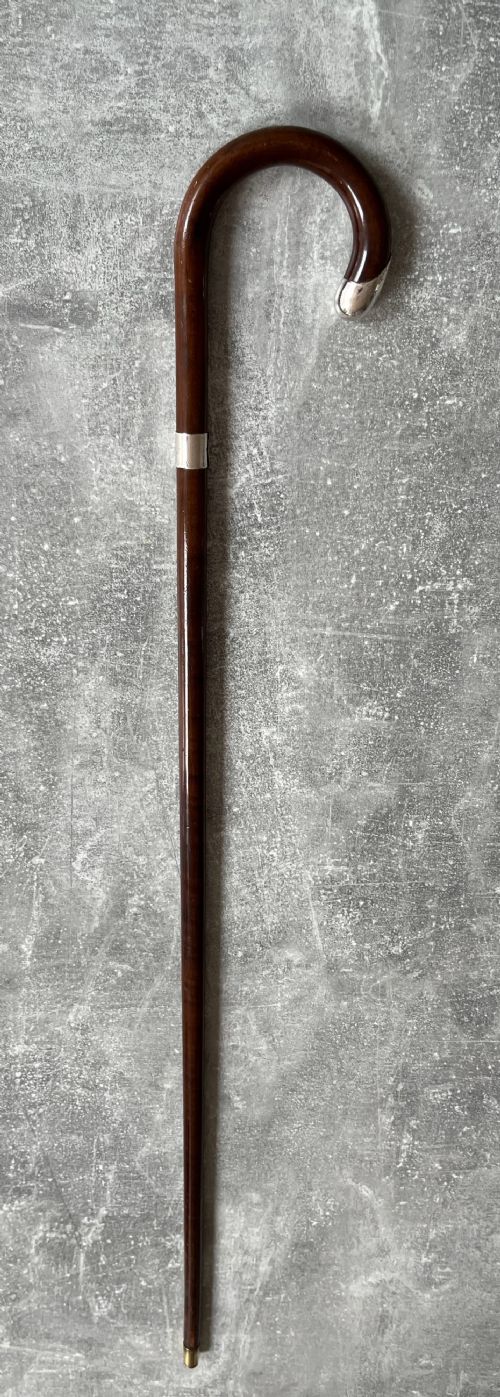
A gentlemans dress cane is a functional walking accessory designed for formal or social occasions during the nineteenth and early twentieth centuries. These pieces appear primarily as slender shafts fitted with decorative metal handles or pommels.
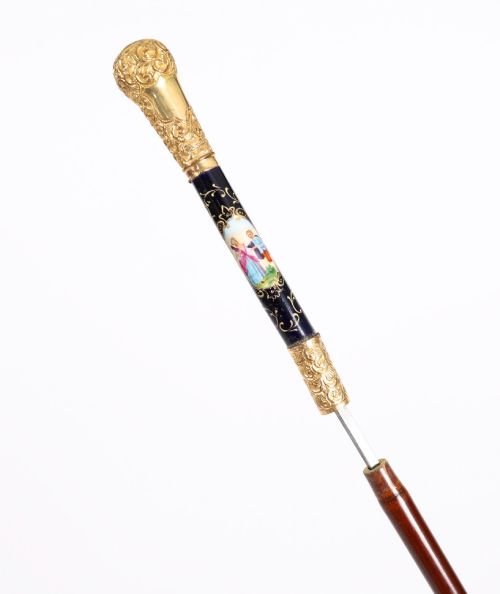
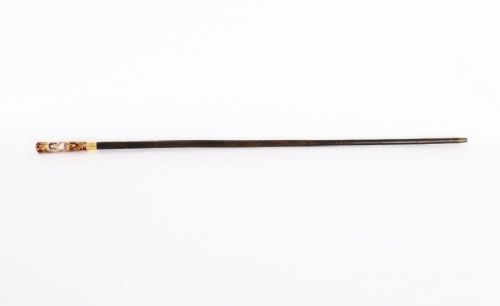
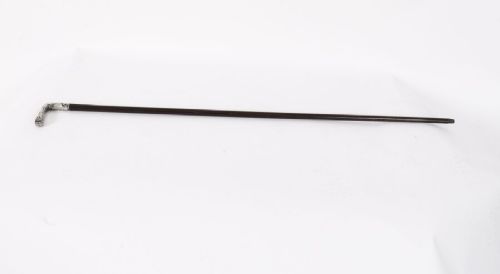
Examples on this page span the Victorian and Edwardian periods, including French Belle Epoque designs and pieces bearing hallmarks from the late nineteenth century. Forms range from simple silver-mounted shafts to complex sword sticks and novelty animal heads.
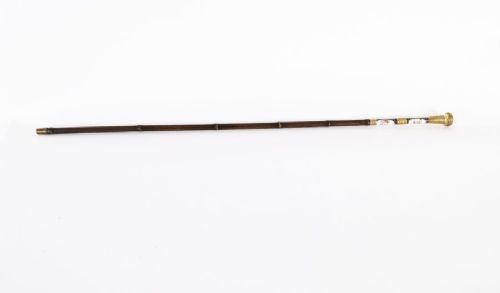
Makers and origins vary from English workshops such as Brigg to continental European centres, incorporating materials like lapis lazuli, porcelain, and bamboo.
Materials and Construction
Shafts rely on dense timbers such as ebonised wood, snakewood, oak, and palm wood, selected for straightness and strength. These are often paired with metal shafts or bamboo.
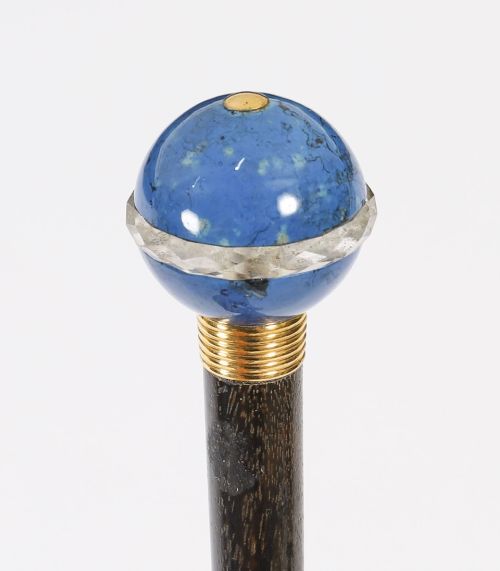
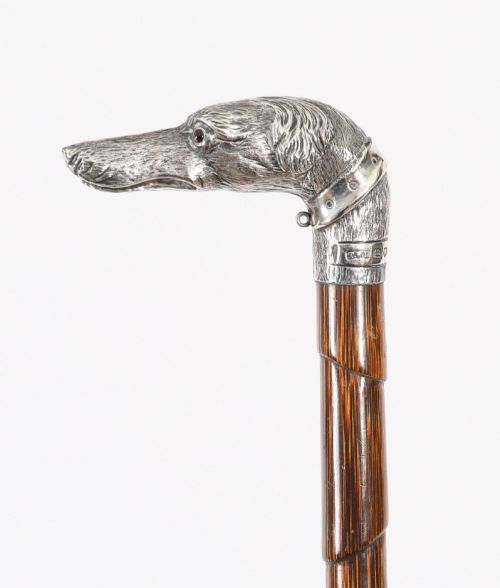
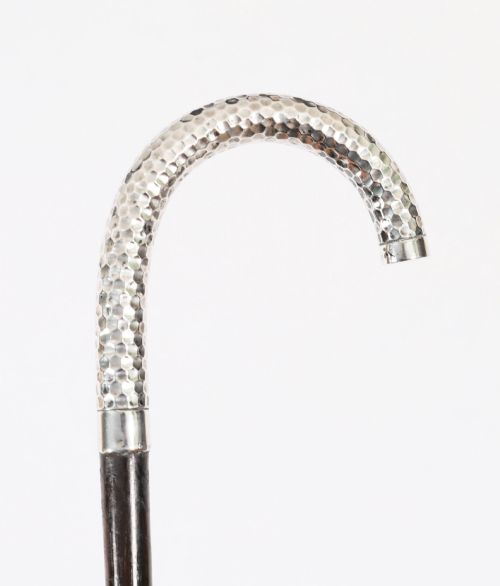
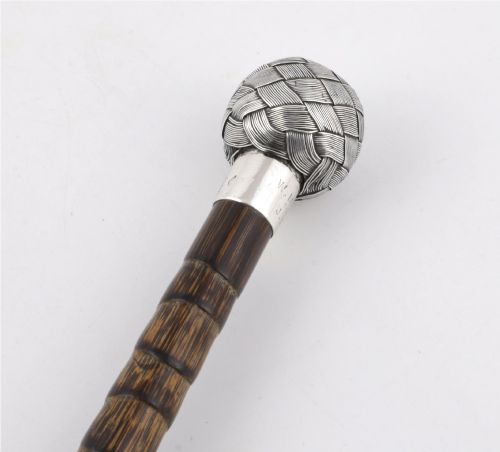
Handles and pommels utilise sterling silver, gold plate, brass, and steel, frequently decorated with embossing, silver wire, or damascene inlay. Some incorporate carved horn, porcelain plaques, or gemstones like lapis lazuli.
Hidden blades transform standard walking sticks into sword sticks, while specialised designs conceal watch movements or novelty animal figures.
Listings feature woods such as snakewood, bamboo, ebonised wood, and palm wood paired with silver, gold, and porcelain.
Factors of Quality
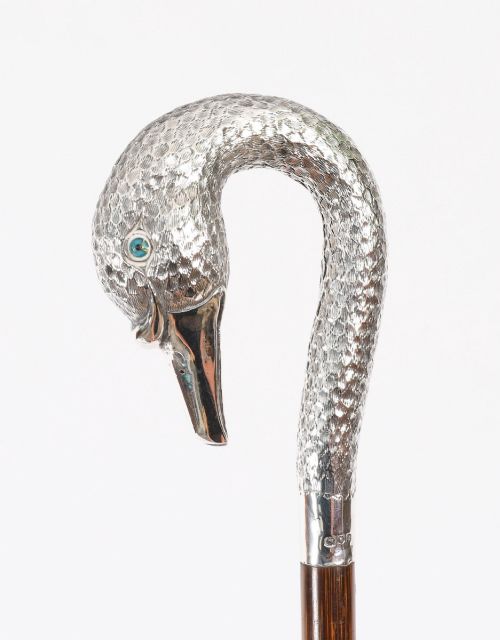
Quality rests on the fineness of the metalwork and the detail found in sculpted handles, such as animal heads or novelty forms. Maker attribution also elevates a piece significantly.
The integrity of the mechanism in sword sticks or watch canes demonstrates the precision achieved by the original maker.
Briggs·Thomas Johnson·Henry Borlase Stevens
The Gentlemans Dress Cane Glossary
- Pommel
- The rounded handle or decorative knob at the top of a walking stick. This element provides the primary grip and showcases the main ornamental detail.
- Sword stick
- A walking cane containing a concealed blade within the wooden shaft. These require a secure locking mechanism to keep the blade in place during use.
- Ebonised wood
- Timber treated with a dark finish to mimic the appearance of ebony. This process creates a uniform, deep black surface common on formal Victorian shafts.
- Hallmark
- An official stamp applied to precious metals indicating purity, origin, and date. Silver and gold components often carry these marks to verify their standard.
- Damascene
- The art of encrusting different metals into a base metal background, such as gold on steel. This technique produces intricate decorative patterns along the shaft or handle.
Gentlemans Dress Cane: Frequently Asked Questions
What is a gentlemans dress cane?
A gentlemans dress cane is a formal walking stick featuring a decorative metal or porcelain handle atop a wooden shaft. These accessories were widely carried by men during the Victorian and Edwardian periods.
They reflect the social standards and personal tastes of the era, combining practical support with distinct artistic expression through carved animal heads, silver mounts, or hidden sword blades.
How do I identify the age of a cane?
Dating relies primarily on metal hallmarks, style periods, and recorded maker signatures. Silver and gold mounts often bear stamps indicating the exact year of production.
Design motifs such as Art Deco geometry or Neoclassical details also help place a piece within the nineteenth or early twentieth century.
What materials were used for the shafts?
Shafts were constructed from dense, durable timbers including ebonised wood, snakewood, oak, palm wood, and bamboo. Selected woods provided both flexibility and structural strength.
Some examples also incorporated metal sections or specialised inlays like steel damascene work from Toledo.
Are these sticks functional?
Most examples were built for daily use as walking supports or formal accessories. Sturdy hardwoods and secure metal mounts ensured practical durability.
Some specialised pieces, such as sword sticks or watch canes, served dual purposes or acted primarily as novelties for the owner.