



Gentleman Oil Painting Wig
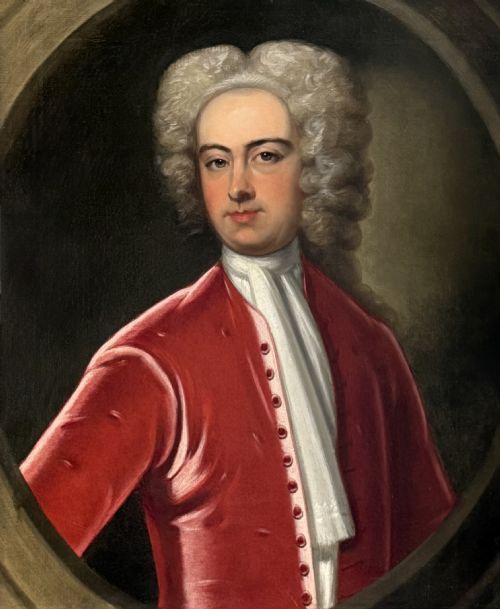
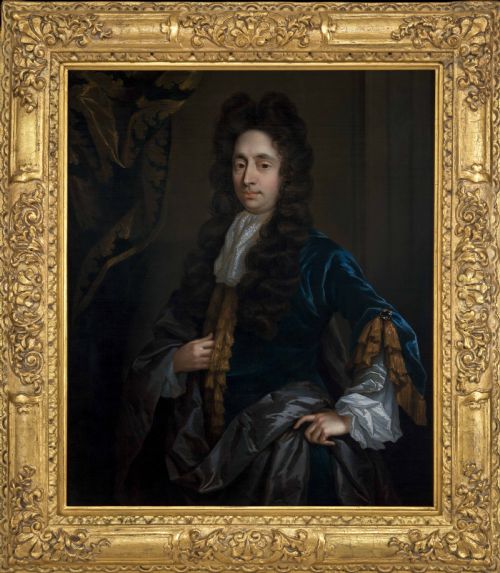
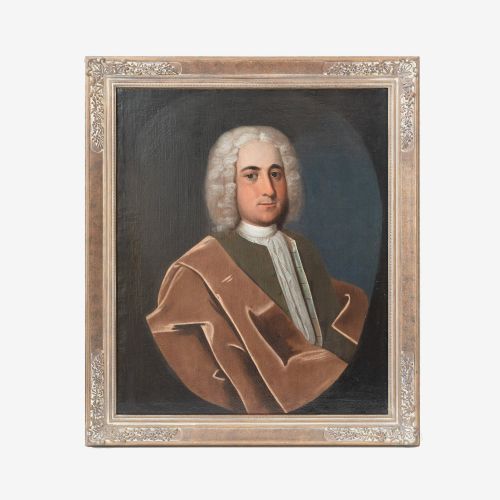
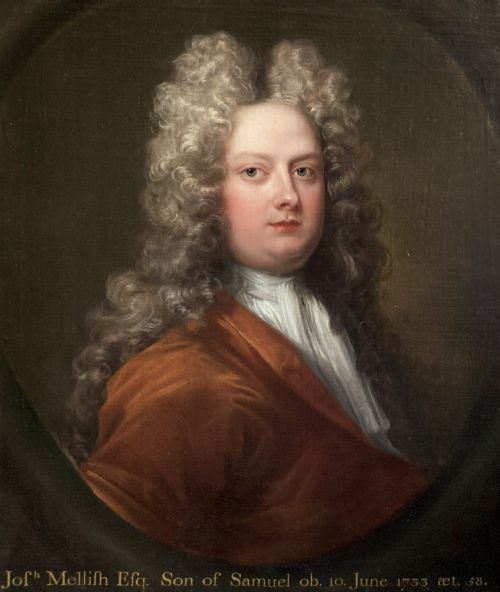
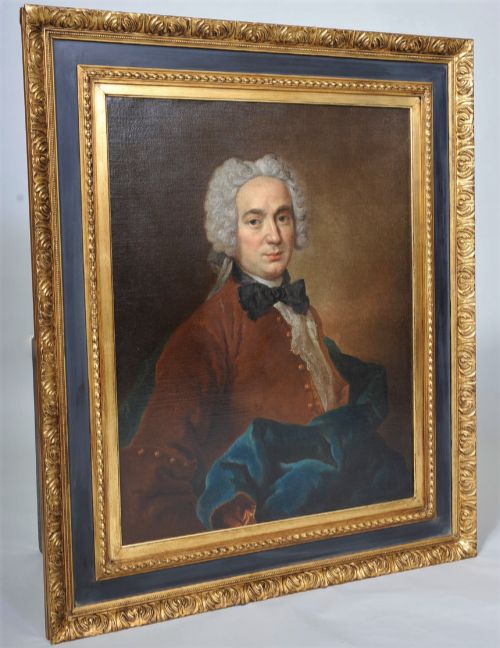
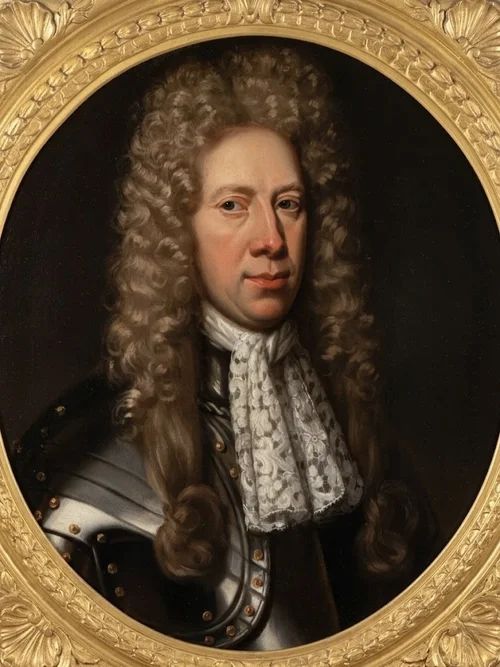
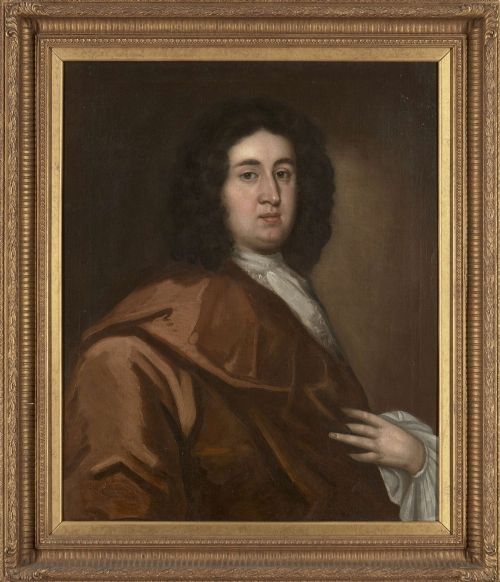
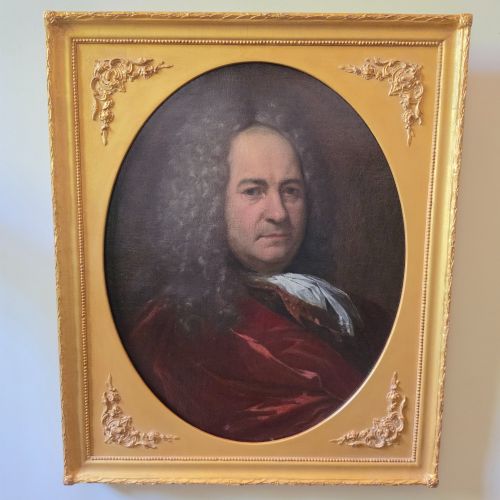
A gentleman oil painting wig captures the powdered periwigs and tailored waistcoats of the seventeenth and eighteenth centuries.
Gentleman Oil Painting Wig
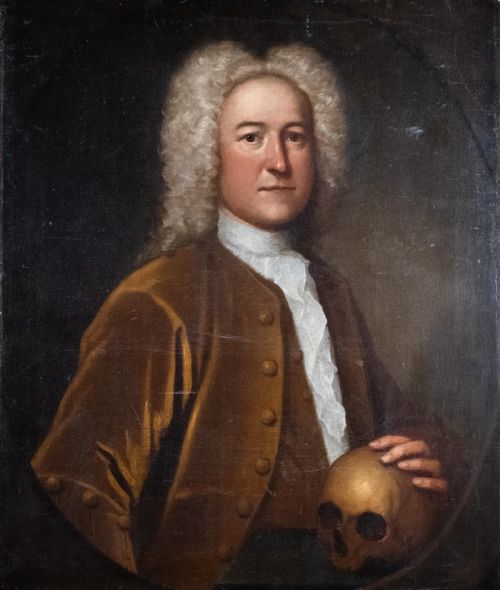
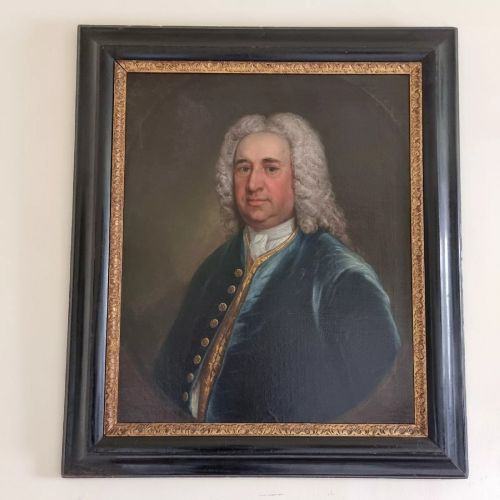
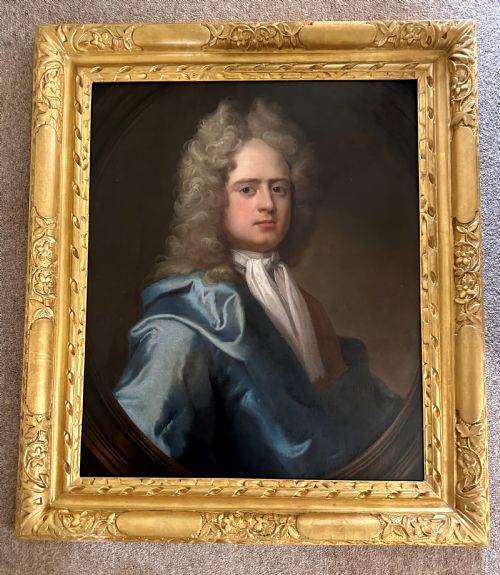
A gentleman oil painting wig search brings together formal portraiture depicting male subjects from the seventeenth and eighteenth centuries. These works record the likenesses of merchants, judges, and landowners dressed in the elaborate attire and voluminous wigs characteristic of the period.
The pieces on this page span the 17th Century, 18th Century, Georgian, and 1750 periods, originating from English, Scottish, Anglo-Irish, and French schools. Most items are oil paintings on canvas depicting half-length or bust portraits of identifiable figures and unknown sitters alike.
Subjects appear in ceremonial robes, crimson coats, or simple cloaks, often posed with specific props such as skulls or documents to denote status. The prevailing styles draw upon Baroque and early Georgian conventions established by prominent portrait painters of the era.
Canvas and Pigment
These works utilise oil paint applied to woven canvas supports, a method that allowed artists to build rich layers of colour and shadow. The physical structure typically involves primed canvas stretched across a wooden frame.
Frames play a structural and aesthetic role, frequently employing giltwood or gilded wood moulded in ornate Baroque and Georgian patterns. The framing materials complement the dark, dramatic palette characteristic of seventeenth and eighteenth-century portraiture.
Listings feature works executed in oil on canvas across the seventeenth and eighteenth centuries, embracing Georgian and Baroque stylistic traditions.
Skill and Attribution
Quality rests upon the handling of anatomy, fabric folds, and facial expression by the artist or workshop. Works attributed directly to recognised masters or their immediate circles display a superior command of light and shadow compared to anonymous provincial productions.
The preservation of the paint surface and the stability of the original canvas dictate the overall integrity of the piece. Subtle details in the rendering of lace collars, velvet coats, and the elaborate curls of the wig separate accomplished portraiture from formulaic output.
Charles Jervas·John Scougall·John Closterman·Allan Ramsay·Joseph Highmore·Hyacinthe Rigaud·Enoch Seeman the Younger·Michael Dahl·William Denune·Jonathon Richardson·Thomas Hudson·George Dowdney·John Riley·Andrea Soldi·Sir Godfrey Kneller
The Gentleman Oil Painting Wig Glossary
- Periwig
- A bulky, artificial hairpiece worn by men of status during the late seventeenth and early eighteenth centuries. These elaborate styles are a defining feature of the sitters in this category.
- Baroque
- An artistic style spanning the seventeenth and early eighteenth centuries characterised by drama, deep shadow, and rich textures. Portraiture in this mode emphasises grandeur and psychological presence.
- Georgian
- The period covering the reigns of the Hanoverian kings from 1714 to 1830. In painting, this era refined the Baroque exuberance into a more restrained British portrait tradition.
- Giltwood
- Wood carved and covered with a thin layer of gold leaf or gold paint. This material forms the ornate frames typical of high-status eighteenth-century paintings.
- Attributed to
- A term used when a work shows the distinct characteristics of a specific master but lacks definitive documentation. It denotes a strong stylistic link to a known studio or painter.
Gentleman Oil Painting Wig: Frequently Asked Questions
What periods do these portraits cover?
The listings encompass works from the late seventeenth century through the mid-eighteenth century. This temporal span covers the late Stuart era and the reigns of the early Georgian monarchs.
Specific dates within titles point toward distinct decades, ranging from the sixteen-sixties up to seventeen-fifty.
Who are the sitters in these paintings?
The subjects include named individuals such as merchants, judges, and members of landed families. Some portraits record specific historical figures, while others depict anonymous gentlemen.
Inscribed names and crests occasionally appear on the canvas or reverse to identify the sitter.
How should I hang an oil portrait?
These works require stable environmental conditions away from direct sunlight and excessive humidity. Wall placement should protect the canvas and its gilded frame from temperature fluctuations.
Secure picture hooks rated for the weight of the canvas and wooden frame are essential for safe mounting.
How do I identify a circle work?
A work attributed to the circle of an artist suggests production by a contemporary working closely in that master's style. These pieces share technical methods and compositional traits with the named painter.
Documentation or stylistic comparison with signed examples helps establish these studio connections.