





Gentleman Bust
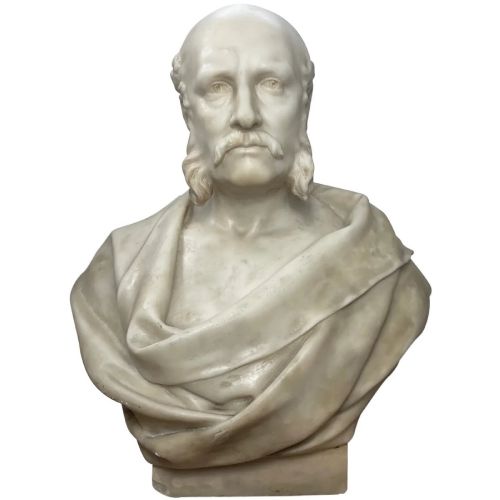
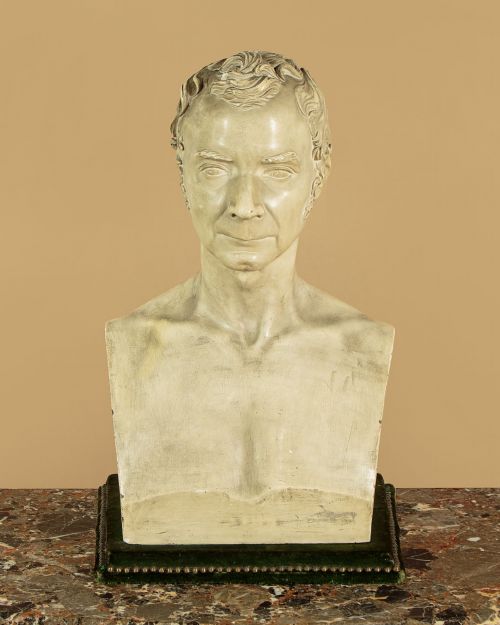
A gentleman bust captures male character in sculpture and paint, offering a striking focal point for a study or library.
Gentleman Bust
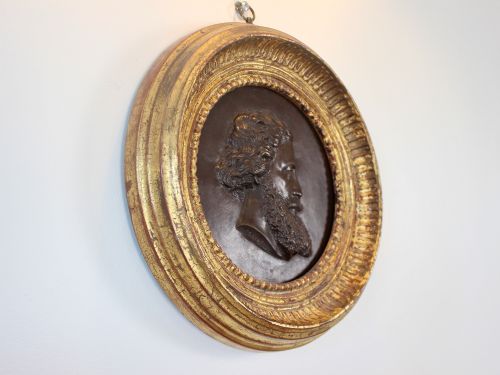
A gentleman bust represents individual male likenesses through sculptural forms and portraiture. These pieces range from monumental civic white marble works to intimate painted studies.
The selection here encompasses various periods including the eighteenth and nineteenth centuries, alongside Victorian and Edwardian examples. Materials extend from carved stone and cast bronze to painted plaster and oil on canvas.
Materials and methods
Sculptural works utilise carved white marble, cast bronze, and moulded plaster, sometimes finished with simulated stone surfaces. Each medium requires distinct artisan techniques, from chisel work on stone to foundry casting.
Two-dimensional representations employ oil on canvas, watercolour, and print techniques applied to paper and canvas. These works rely on pigment handling and tonal layering to define likeness and form.
Gentleman Bust Retail Price Guide 2026
Typical asking prices for gentleman bust among the pieces listed under this phrase on Sellingantiques today, from the lower quarter to the upper quarter. They describe what is for sale here now, not the wider market.
Several gentlemen wear impressive nineteenth-century beards that demand proper respect in any respectable Victorian hallway.
Distinguishing quality
Quality rests in the precision of anatomical rendering, the depth of character captured in the expression, and the fidelity of the carving or casting. Master hands achieve subtle textures in hair, skin, and fabric that lesser works miss.
The integrity of the material and the crispness of the finish dictate the standing of a piece. Finer sculptures retain sharp details around the eyes and brow, whereas routine workshop pieces soften over time.
Sir Thomas Brock·Giuseppe Moretti·John Wenlock Rollins·Lemuel Francis Abbott
The Gentleman Bust Glossary
- Plaster
- A composition material used for casting sculptural forms. It allows intricate detailing before drying to a solid state.
- Patina
- The surface sheen or coloration developed on bronze and other metals through age and handling. It indicates the natural ageing process of the material.
- Portrait Plaque
- A flat-backed sculptural relief intended for wall hanging. These works depict subjects in profile or three-quarter view.
Gentleman Bust: Frequently Asked Questions
Where should I display a bust?
These pieces suit pedestals, heavy wooden sideboards, or library shelves where their weight and presence find natural balance. Placing them at eye level allows the detail of the carving or casting to be fully appreciated.
Ensure the support structure is sturdy enough to hold heavy materials like marble and bronze safely without risk of tipping.
How are different periods identified?
Stylistic clues such as Victorian high collars, Georgian wigs, or nineteenth-century classical drapery help date individual pieces. Material choices and mounting styles also point toward specific manufacturing eras.
Signatures, foundry marks, or inscriptions carved into the base often provide definitive dates and maker attributions.
What is the difference between plaster and marble?
Marble is a natural stone carved directly by the sculptor, offering unique veining and a cool, dense weight. Plaster is a moulded material that permits fine detail reproduction at a lighter overall weight.
Plaster pieces frequently feature simulated stone finishes to mimic the appearance of more costly materials.