

Genre Portrait Painting
When you search for genre portrait painting, you encounter works that capture everyday human moments, domestic interiors and narrative scenes through traditional brushwork.
Genre Portrait Painting
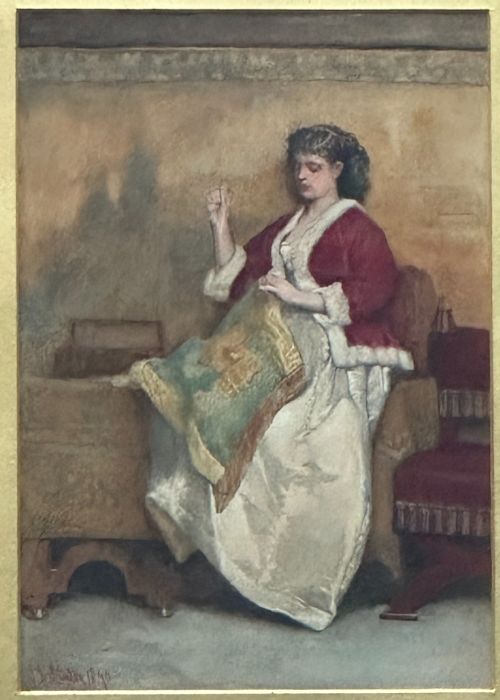
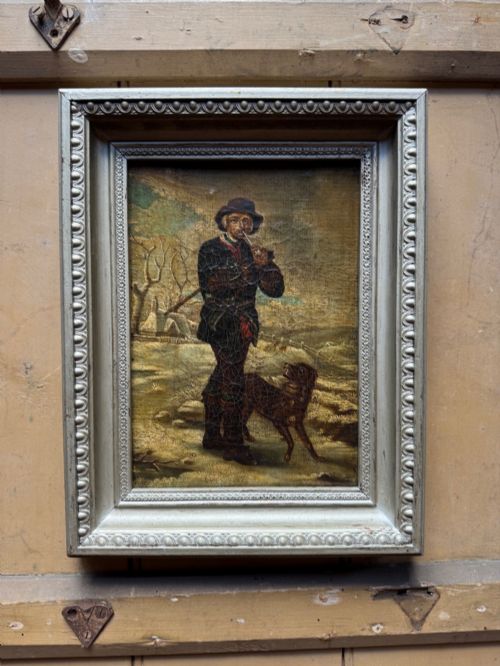
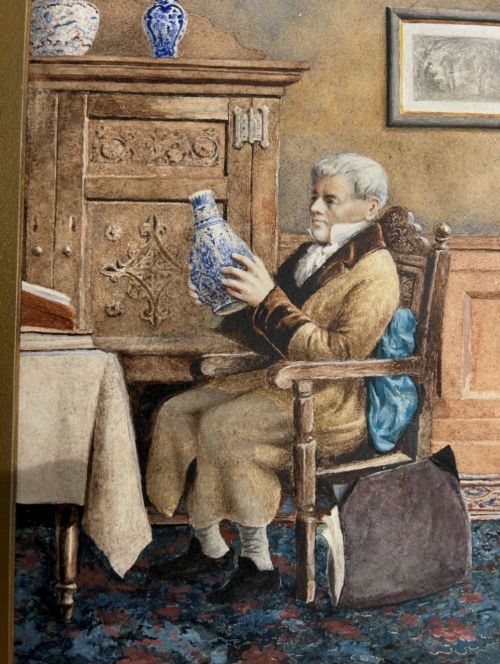
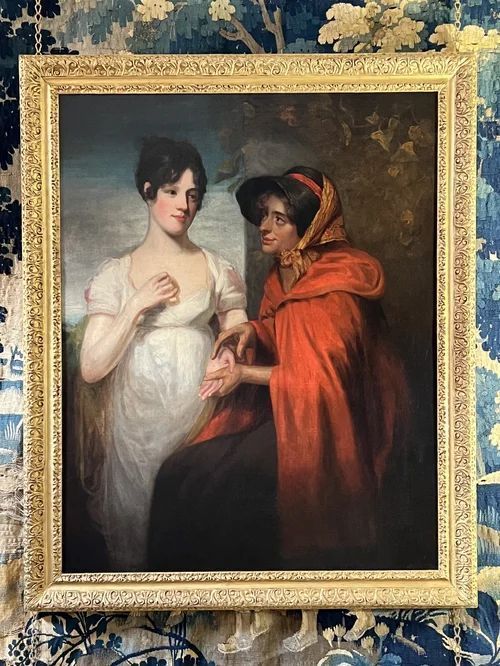
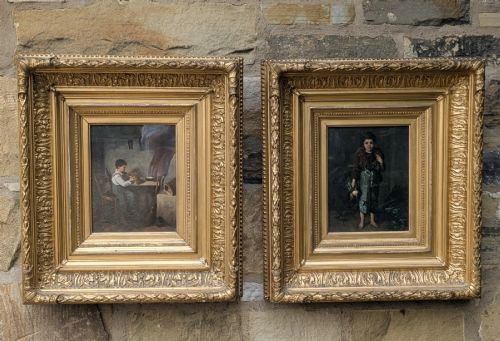
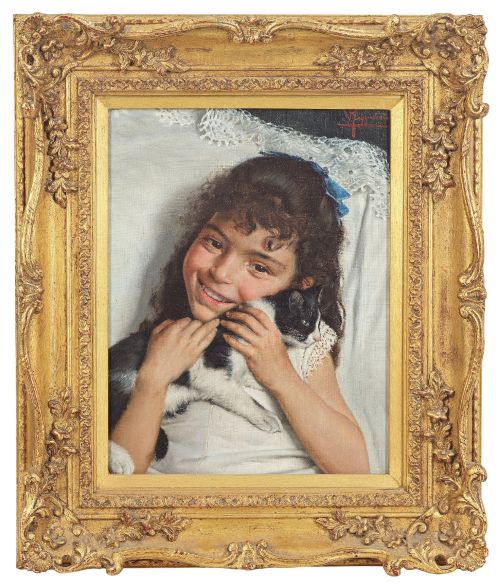
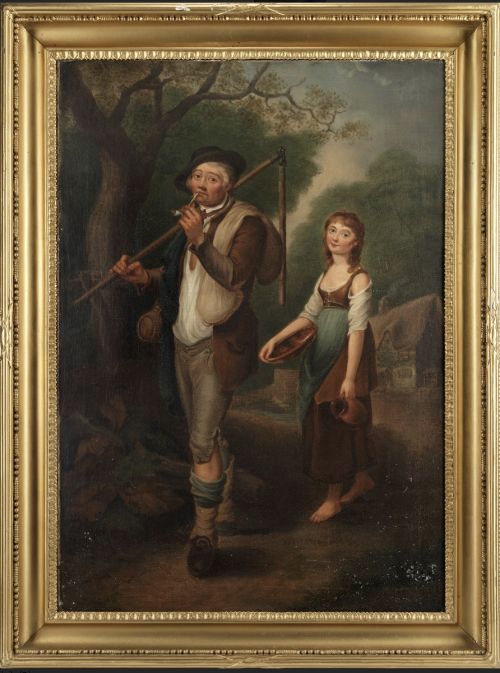
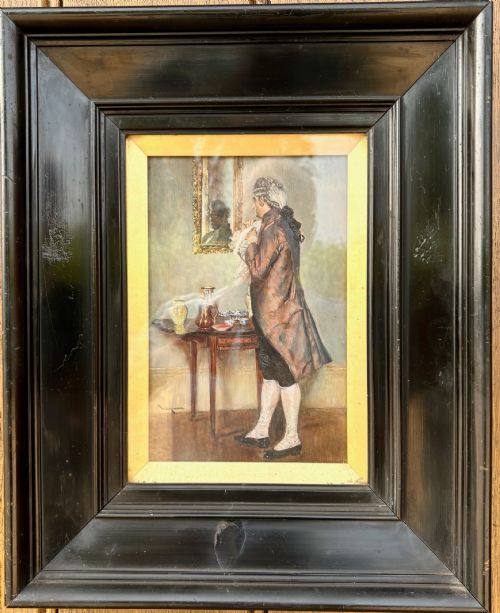
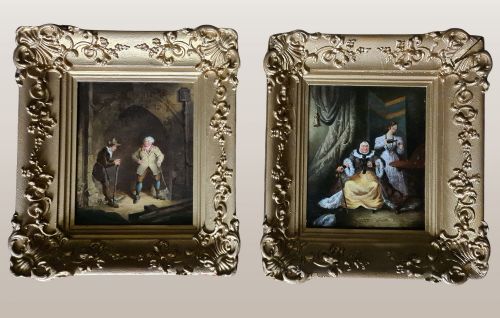
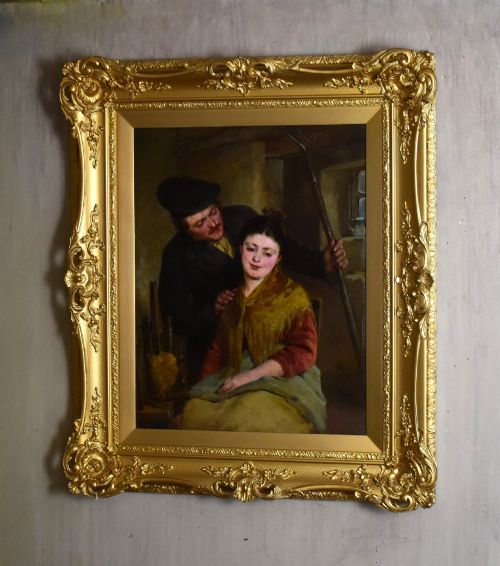
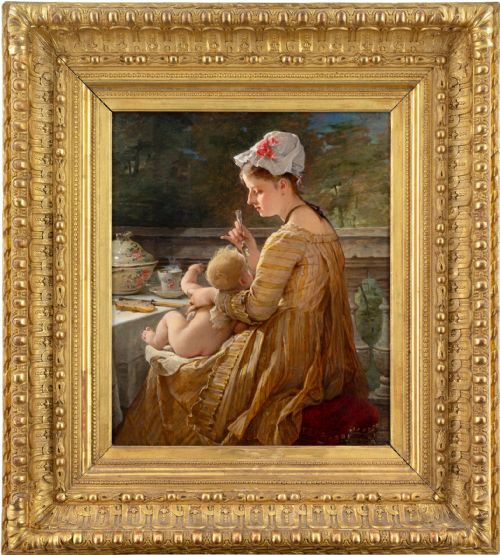
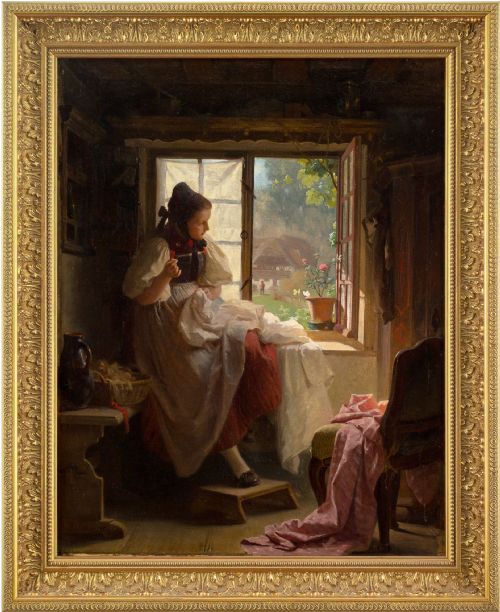
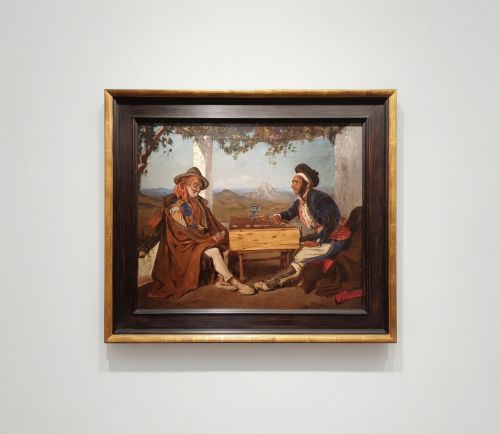
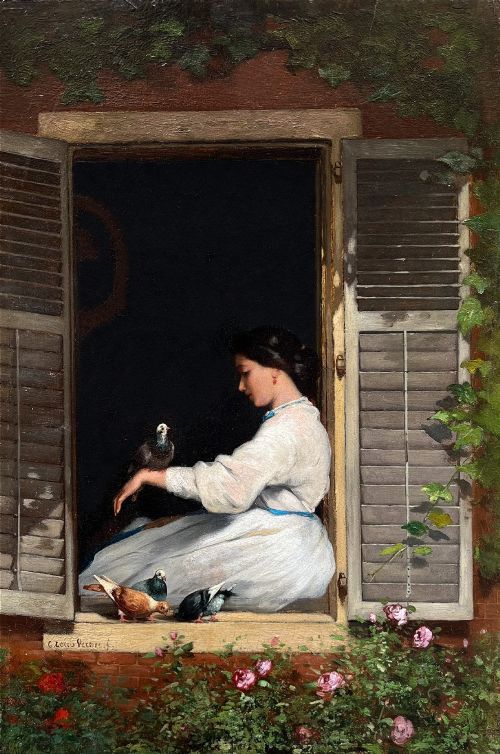
A genre portrait painting bridges individual character studies with narrative scenes of daily life, depicting subjects engaged in ordinary domestic or social pursuits. These works range from intimate domestic interiors to lively historical vignettes, capturing everyday human moments with expressive detail.
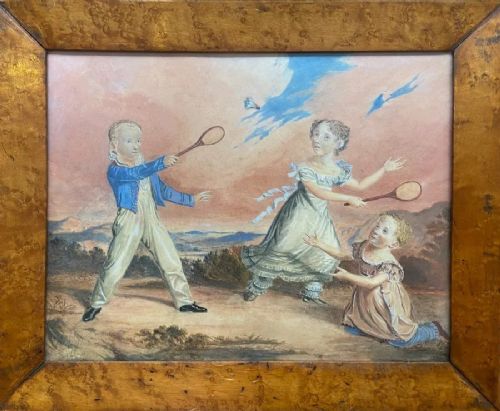
The pieces on this page span several centuries, with a strong representation of nineteenth-century Victorian and academic styles alongside earlier seventeenth-century Dutch influences. You will frequently find subjects such as children at play, card players, musicians and quiet interior readings.
While some pieces focus closely on single figures, others present groups of characters in detailed settings, blending portraiture with storytelling. This combination provides a window into the social attitudes, dress and daily routines of past eras.
Materials and Technique
The works recorded here are predominantly executed in oil paint on canvas or wood panels, utilising traditional layering techniques to achieve depth of tone and texture. Artists built up their compositions from initial underdrawings through rich glazes and opaque highlights.
Watercolour on paper also appears among these selections, offering a lighter medium for detailed character studies and interior sketches. Frames often incorporate giltwood, gesso and gold leaf, providing period-appropriate surrounds that complement the palette of the paintings.
Materials recorded across the inventory include oil paint, canvas, wood, gesso, gold leaf and watercolour on paper.
Factors of Distinction
Quality in these works rests upon the precision of the drawing, the handling of light and shadow, and the psychological engagement of the figures. Stronger examples display confident brushwork that defines fabric textures, facial expressions and interior environments with immediate clarity.
The integrity of the original canvas surface and the subtlety of the colour palette also distinguish superior works from more formulaic studio output. Additionally, the presence of a well-preserved period giltwood frame enhances the overall coherence of the piece.
Sir James Dromgole Linton·Valentine T. Garland·John Opie·Thomas Barker of Bath·W.D. Almond·Howard Helmick·Adelaïde Salles-Wagner·Max Kaltenmoser·Louis Charles Verwee·Charles Hunt·Bernard De Hoog·David Teniers The Younger·Renato Moretti·Alfred Arthur Brunel de Neuville·Jean-Baptiste Greuze·Godfried Schalcken·Charles Henry Slater·Byam Shaw·Benjamin Eugene Fichel·Charles Zacharie Landelle·William Arthur Breakspeare·George Bernard O'Neill·John Watkins Chapman·Charles Haigh Wood·Frank Moss Bennett
The Genre Portrait Painting Glossary
- Genre painting
- A branch of fine art depicting scenes from everyday life, ordinary people and domestic interiors rather than mythological or religious subjects.
- Canvas
- A heavy woven fabric stretched across a wooden frame to serve as a durable support for oil painting.
- Gesso
- A traditional plaster mixture applied to wood panels or frames to create a smooth, prepared surface for gilding or painting.
- Giltwood
- Timber carved and coated with gold leaf or gold paint, frequently used for decorative antique picture frames.
- Academic style
- A neoclassical or realistic approach to painting taught by official European art academies during the nineteenth century.
Genre Portrait Painting: Frequently Asked Questions
What is a genre portrait painting?
A genre portrait painting combines the individual character study of portraiture with a narrative scene from everyday life. These works focus on ordinary people engaged in common activities within domestic or public interiors.
Such paintings provide direct insight into historical costume, interior decoration and social customs. They capture fleeting moments of human interaction preserved through traditional artistic mediums.
How do I care for an oil on canvas painting?
Protect the canvas from direct sunlight, extreme temperature fluctuations and high humidity to prevent warping and paint cracking. Dust the surface very gently with a soft, dry brush without applying pressure.
Avoid using water or cleaning solvents on the paint surface. Consult a professional conservator if the canvas requires cleaning or structural repair.
How can I tell the period of a painting?
Dating relies on examining the stretcher frames, canvas preparation, pigments and stylistic conventions used by the artist. Clothing styles, hairstyles and interior furnishings depicted within the scene also offer reliable clues to the era of creation.
Signatures, dates and inscriptions on the reverse of the canvas or panel provide direct historical confirmation. Comparing the technique to known works by related schools further clarifies the timeline.
Where should I hang these paintings?
Select an interior wall away from direct heat sources, radiators and strong sunlight to protect the canvas and frame. Stable indoor environments prevent the wood and canvas from expanding and contracting.
Position the work at eye level where adequate ambient light reveals the details of the brushwork and palette. Pairing the painting with complementary period furnishings enhances its visual presence in a room.