

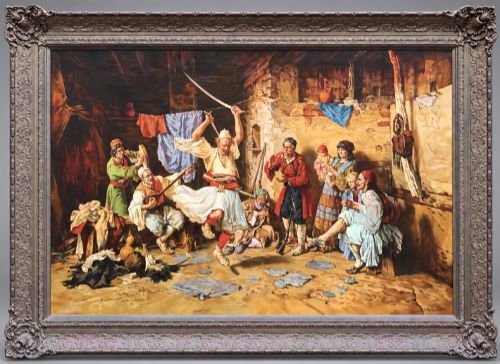
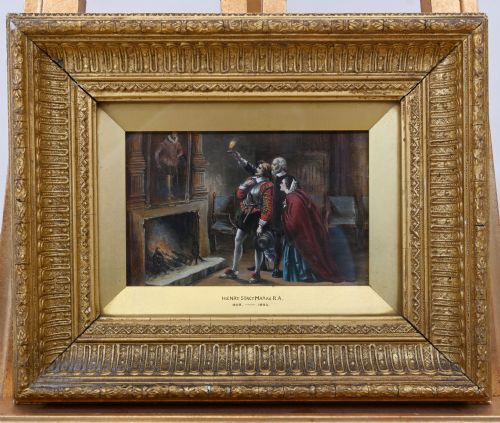
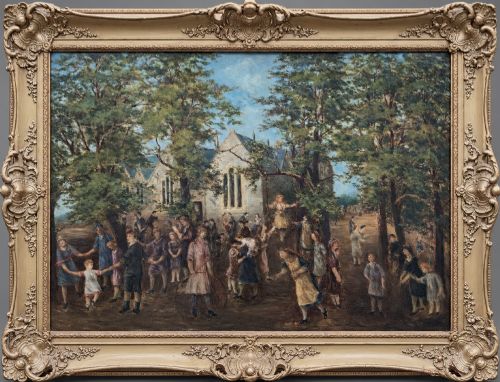
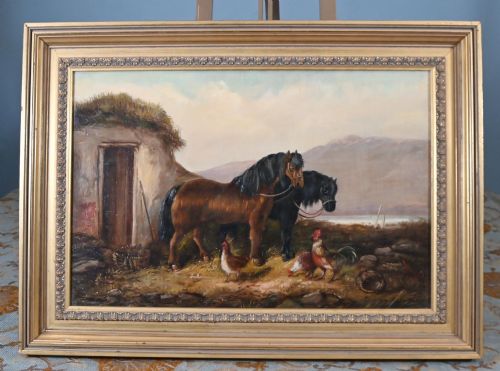

Genre Painting Artwork
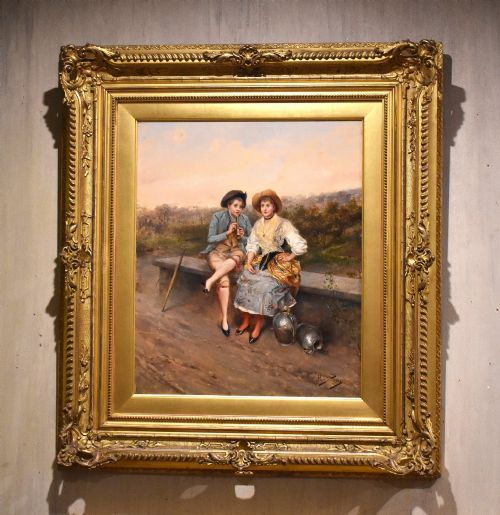
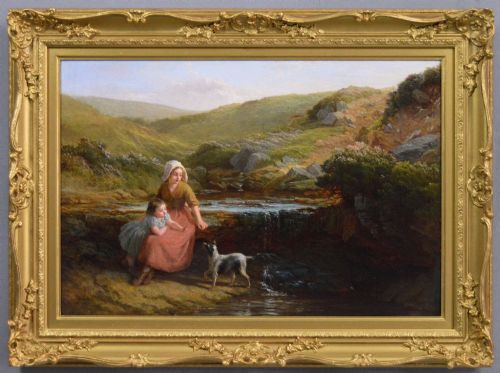
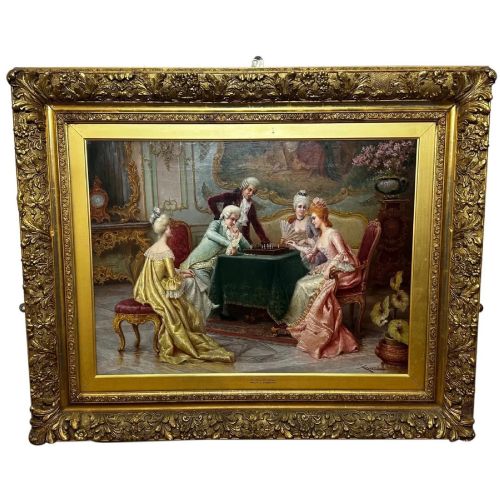
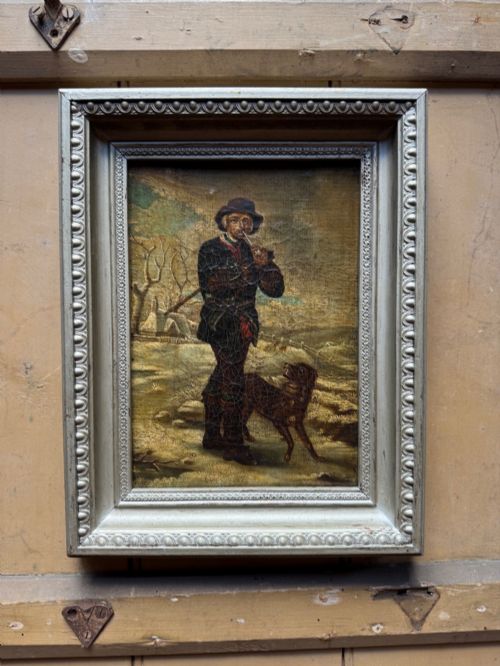
These genre painting artwork pieces capture everyday scenes of human life across centuries, offering buyers intimate windows into historical domestic moments.
Genre Painting Artwork
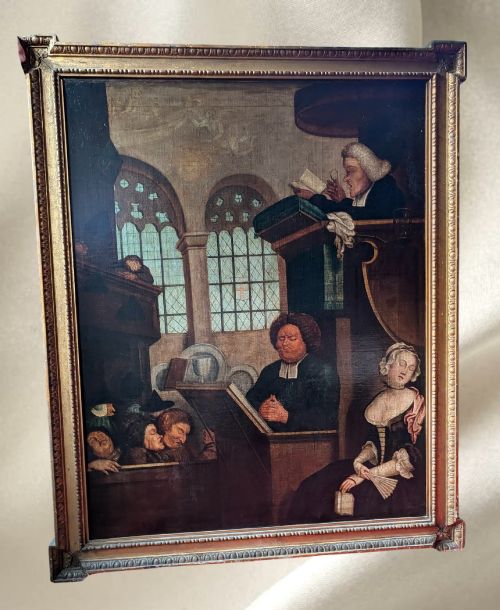
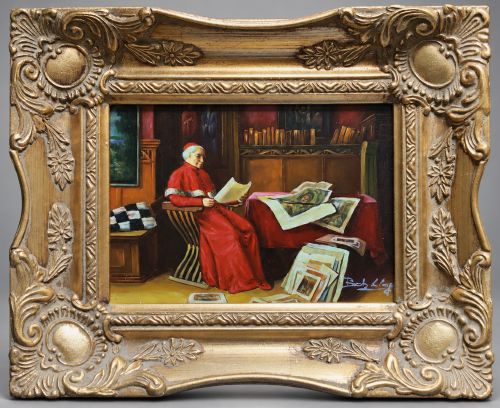
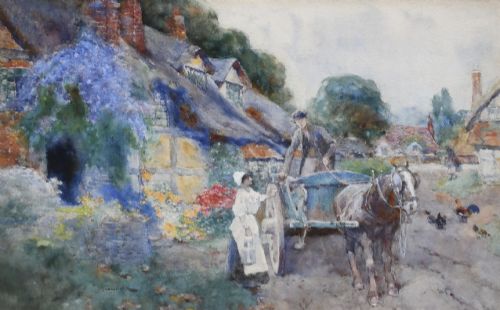
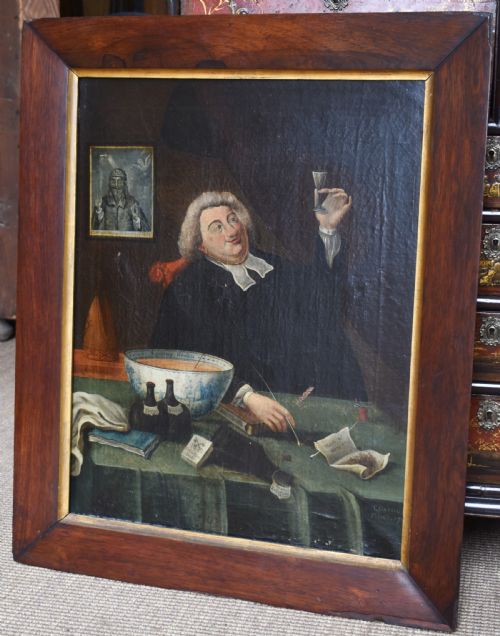
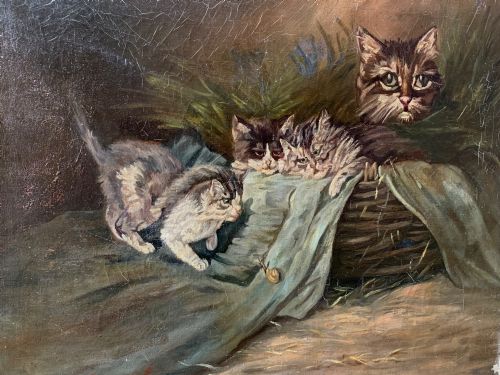
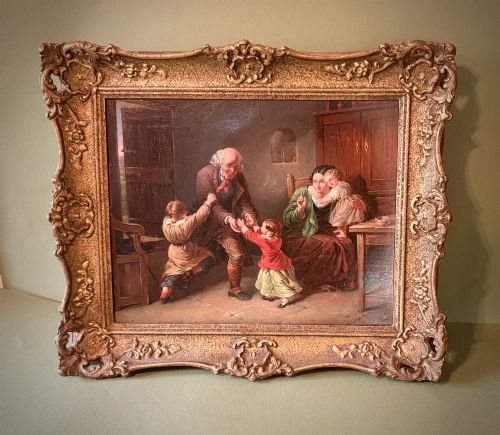
When you search for genre painting artwork, you encounter depictions of daily life, domestic interiors, and social gatherings rather than grand historical or mythological subjects. The pieces on this page span from the seventeenth century through the Victorian era and into the early twentieth century, taking forms such as oil on canvas, oil on panel, and watercolour paintings. You are most likely to meet nineteenth-century British and European works showing figures engaged in common pastimes, family visits, or rural tasks.
The subjects range widely from quiet moments of sewing and reading to lively church gatherings, street vendors, and children playing with pets. Historical military scenes and religious portraits also appear under this broad heading alongside pastoral symphonies and rustic cottage interiors. These works reflect the changing social interests of collectors over time, moving from Dutch Golden Age tavern scenes to sentimental Victorian narrative paintings.
How They Were Made
The primary technique relies on oil paint applied to stretched canvas, wooden panels, or rigid board supports. Artists built up their compositions using layered oils to achieve depth in interior lighting and fabric textures, often framing the completed works in ornate giltwood frames adorned with gesso mouldings.
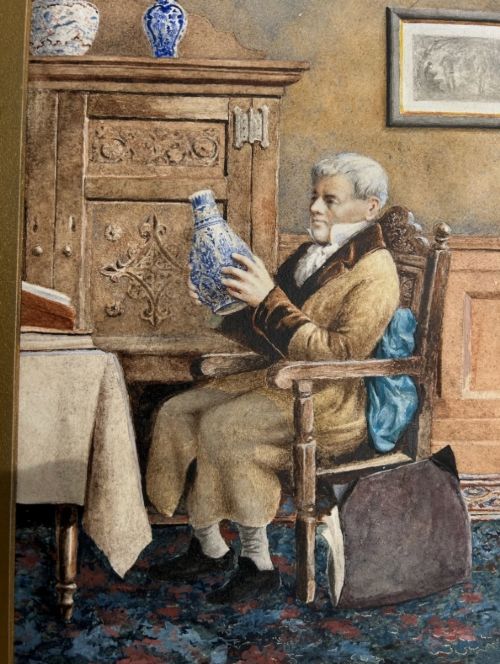
Watercolour paintings on paper also feature prominently among these listings, executed with fine brushwork to capture delicate details in portraiture and interior settings. These paper works required careful mounting and framing to preserve the pigment over generations.
Genre Painting Artwork Retail Price Guide 2026
Typical asking prices for genre painting artwork among the pieces listed under this phrase on Sellingantiques today, from the lower quarter to the upper quarter. They describe what is for sale here now, not the wider market.
Listings feature works spanning the seventeenth century to the mid-twentieth century, utilising oil and watercolour on canvas, panel, and paper.
What Varies in Quality
The distinction between standard works and exceptional pieces lies in the handling of narrative detail, facial expression, and light distribution across the scene. Superior examples demonstrate a precise mastery of human anatomy and texture, rendering fabrics, wood, and stone with convincing tactile presence.
Compositional balance and the psychological engagement of the figures separate lesser workshop productions from the hands of accomplished artists. The integration of the painted surface with its original giltwood frame also influences the overall integrity of the piece.
Paja Jovanović·Alonso Perez·Edward Holmes RBA·Barent Gael·Carlo Ferranti·Ernst Stierhof·Robert Alexander Hillingford·Alfred Walter Bayes·George Whitton Johnstone·Sir James Dromgole Linton·Valentine T. Garland·Henry Stacy Marks·JOHN OPIE R.A·Stephen Samuel Lewin·Vittorio Reggianini·Thomas Barker of Bath·Mark William Langlois·C. Sørensen·Henry Silkstone Hopwood·Alfred Lyndon Grace·W.D.ALMOND·Howard Helmick·Adelaïde Salles-Wagner·Max Kaltenmoser·George Augustus Holmes
The Genre Painting Artwork Glossary
- Genre painting
- Depiction of aspects of everyday life by portraying ordinary people caught in common activities. These scenes offer a social history through art.
- Giltwood
- Wood that has been coated with gold leaf or gold paint. It provides a bright, reflective border commonly found on nineteenth-century frames.
- Gesso
- A plaster-like mixture used as a base for moulding details on wooden frames before gilding. It allows for intricate decorative relief work.
- Oil on canvas
- Pigment suspended in drying oil applied to a woven fabric support. This combination offers durability and rich colour blending.
- Watercolour
- Pigments suspended in a water-based solution applied to paper. It creates luminous, transparent washes of colour.
Genre Painting Artwork: Frequently Asked Questions
What is a genre painting?
A genre painting shows scenes from everyday life involving ordinary people rather than historical heroes or religious figures. These works capture domestic interiors, street markets, and social gatherings.
Artists used these subjects to tell stories about human behaviour, social hierarchy, and contemporary culture. They remain popular for their charming and relatable depictions of past eras.
How do I care for an oil painting?
Keep oil paintings away from direct sunlight and extreme temperature fluctuations to prevent the canvas or panel from warping. Dust the surface gently with a soft, dry brush.
Avoid using water or cleaning solvents on the paint surface. Consult a professional conservator if the varnish darkens or requires cleaning.
Are watercolours as durable as oils?
Watercolours on paper are more sensitive to light and moisture than oil paintings on canvas or wood. They require protective glazing and framing to prevent fading.
Properly framed watercolours hung away from direct sunlight will remain stable for generations. Conservation-grade mounting materials help protect the paper from chemical breakdown.
How can I tell the period of a frame?
Frame styles often correspond to the era of the painting, featuring specific moulding techniques and ornamentation. Giltwood frames from the Victorian period frequently utilise moulded gesso for decorative corners.
Examine the back of the frame for maker stamps, old labels, and the type of wood used. Original framing adds historical context to the artwork it houses.