





Garden Water Feature
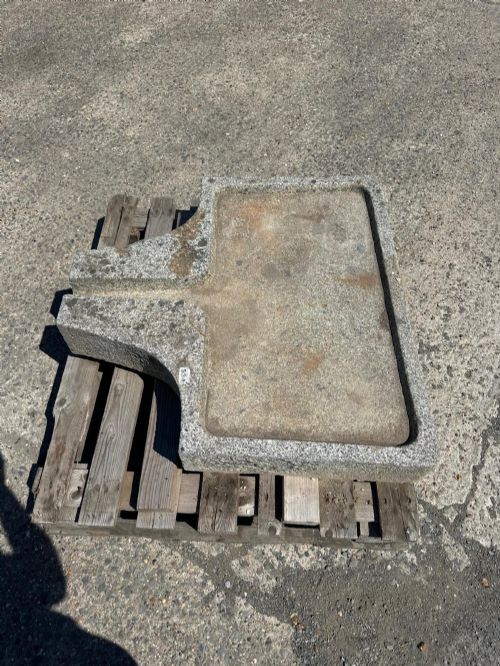
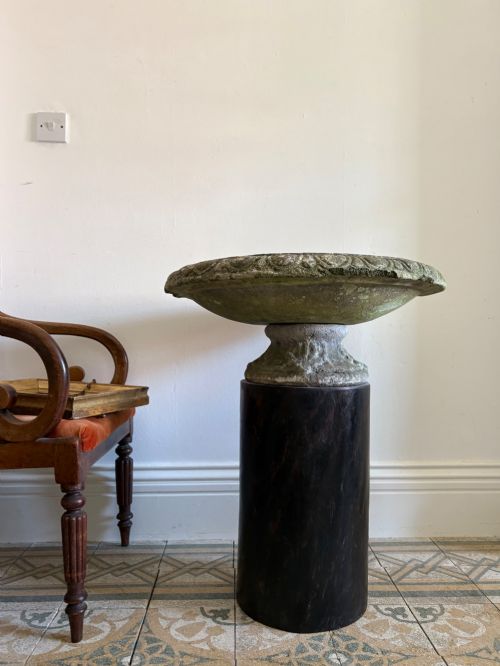
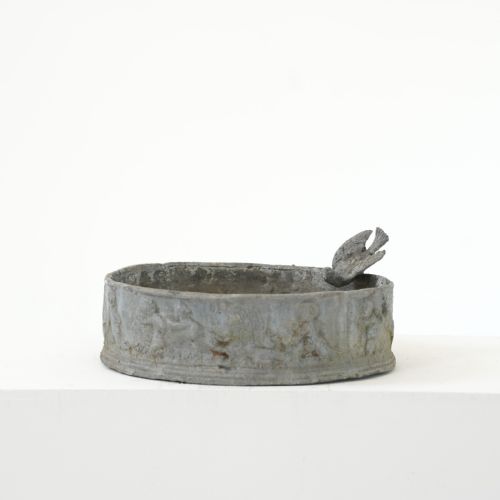
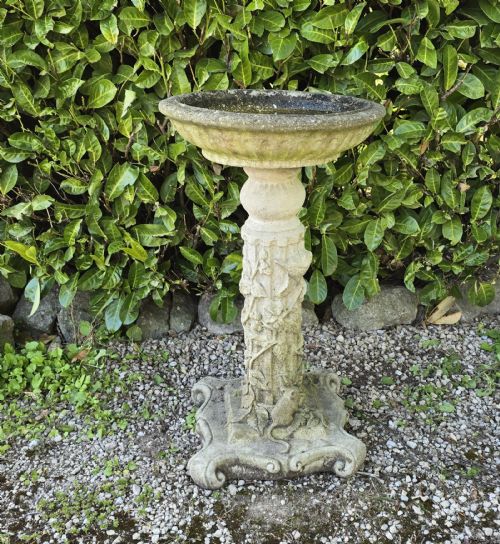
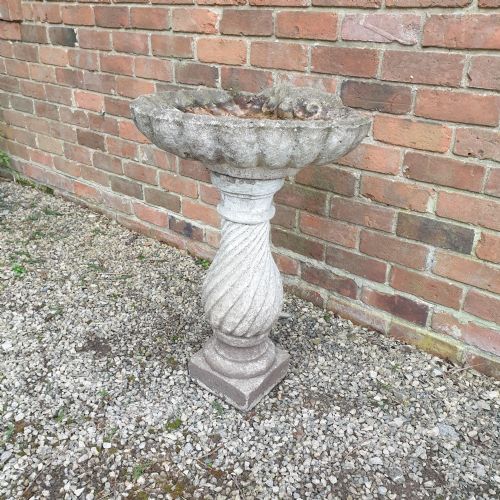
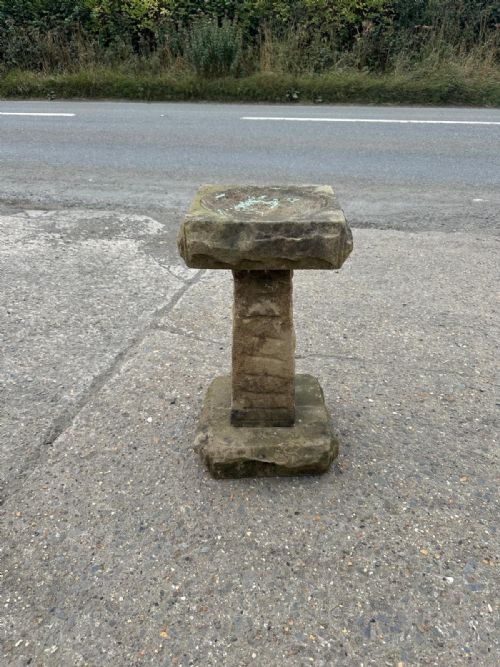
These garden water feature pieces span granite press stones, lead fountain heads, and stone bird baths.
Garden Water Feature
A garden water feature encompasses carved stone troughs, metal cranes, and lead fountain hoppers dating from the Georgian era through to the mid-twentieth century. Buyers searching this phrase encounter practical agricultural items adapted for water use alongside decorative bird baths and bronze animal spouts.
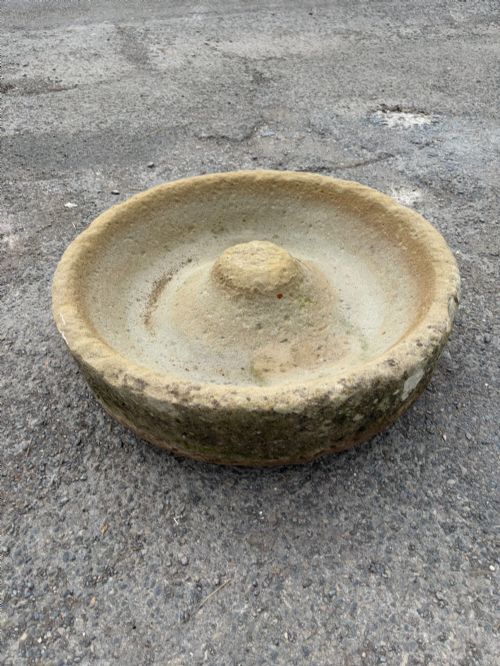
The selection on this page relies heavily on stone and cast iron forms, including granite grindstones, mill wheels, and Purbeck stone bird baths. Victorian and early twentieth-century examples dominate the material record, often showing substantial weathering from outdoor placement.
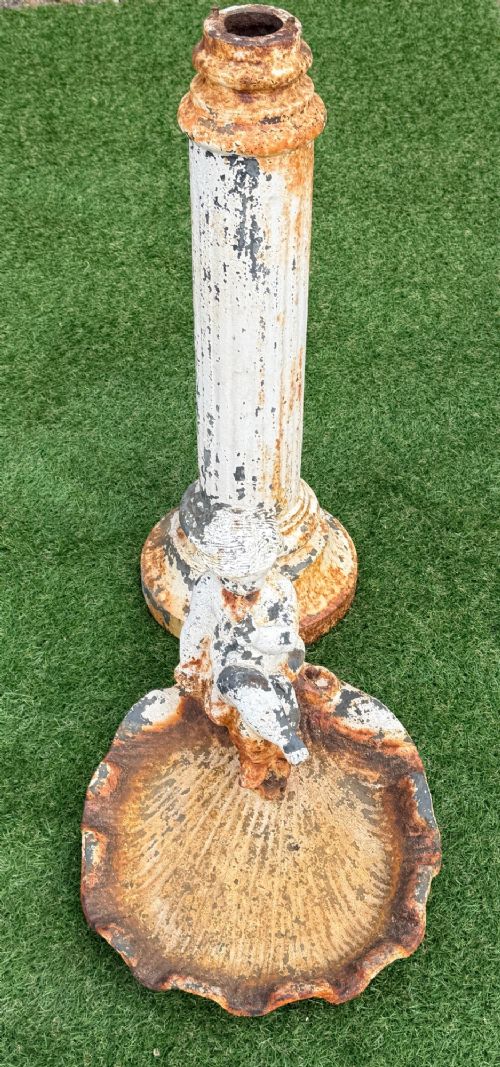
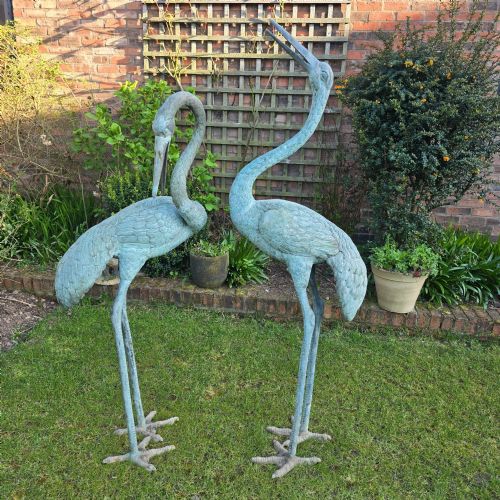
Items range from monumental Japanese garden temple vases to small shell-form bird baths supported by columns. Architectural salvage pieces such as cistern panels and fountain heads provide distinct structural elements for outdoor water displays.
How they were made
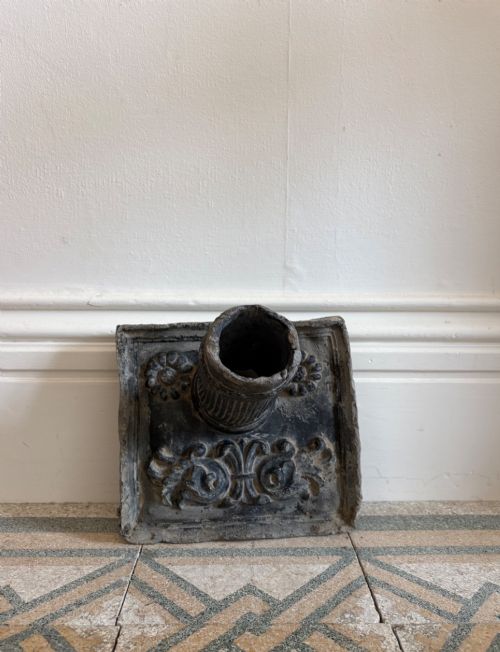
Manufacturing methods involve heavy casting, carving, and forging across metals and stone. Lead components feature cast panels and hollowed fountain heads, whilst iron pieces utilise traditional foundry techniques for shells and bird baths.
Stone items demonstrate manual carving and crushing techniques seen in hand-turned granite grindstones, mill wheels, and sandstone pig troughs. The use of cast stone and reconstituted stone emerges in later twentieth-century garden ornaments and neoclassical planters.
Garden Water Feature Retail Price Guide 2026
Typical asking prices for garden water feature among the pieces listed under this phrase on Sellingantiques today, from the lower quarter to the upper quarter. They describe what is for sale here now, not the wider market.
Materials in these listings span granite, sandstone, lead, bronze, cast iron, and reconstituted stone across several centuries.
What varies in quality
Quality differentiation rests upon the depth of hand-carving, the purity of the metal casting, and the integrity of the material structure. Early leadwork and hand-carved sandstone show crisp detailing that distinguishes them from later moulded pieces.
The degree of natural weathering and the proportional balance of decorative elements, such as seated cherubs on columns or bronze crocodile spouts, dictate the aesthetic standing of each object.
The Garden Water Feature Glossary
- Architectural salvage
- Building elements removed from older structures and repurposed for garden landscaping. These include lead cistern panels and stone troughs.
- Reconstituted stone
- A composite material made from crushed stone and cement binder, moulded into decorative garden shapes. It mimics the appearance of natural quarried stone.
- Grindstone
- A heavy stone disk historically used for milling or sharpening, frequently adapted as a water feature base. They are commonly fashioned from granite or millstone grit.
- Fountain head
- The discharge point or ornamental spout through which water enters a basin. Examples in the record include lead and bronze animal sculptures.
Garden Water Feature: Frequently Asked Questions
What materials make up these garden water features?
The listings comprise a variety of durable materials including cast iron, lead, bronze, granite, sandstone, and cast stone. Each material develops a distinct surface patina through prolonged exposure to the elements.
Heavier elements such as mill stones and granite presses require stable foundations, whilst lighter lead and metal items need secure wall or basin mountings.
How do I date a stone bird bath or trough?
Dating relies upon tool marks, material composition, and stylistic conventions associated with periods like the Georgian era or the Victorian age. Hand-chiselled sandstone and early cast lead exhibit specific manufacturing signatures.
Weathering patterns and moss accumulation offer further clues to age, though these can vary depending on local environmental conditions.
Can agricultural salvage be used for water?
Many items originating as pig troughs, grindstones, or cistern panels are successfully converted into basins or water channels. Their robust construction makes them well-suited for holding moisture.
Sealing may be necessary for certain porous stone types depending on the desired water flow and retention.