

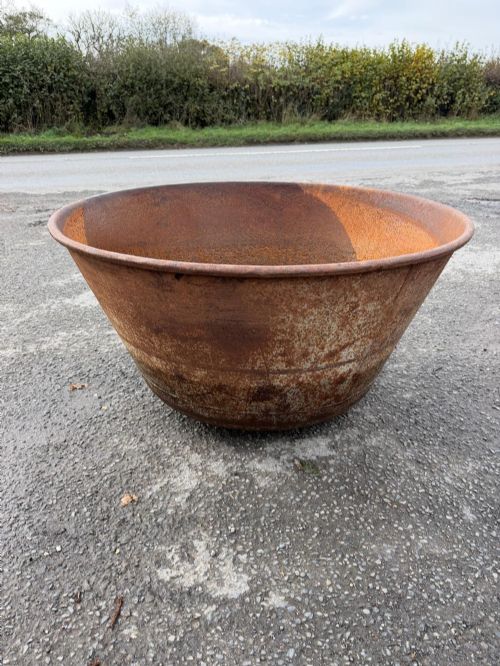
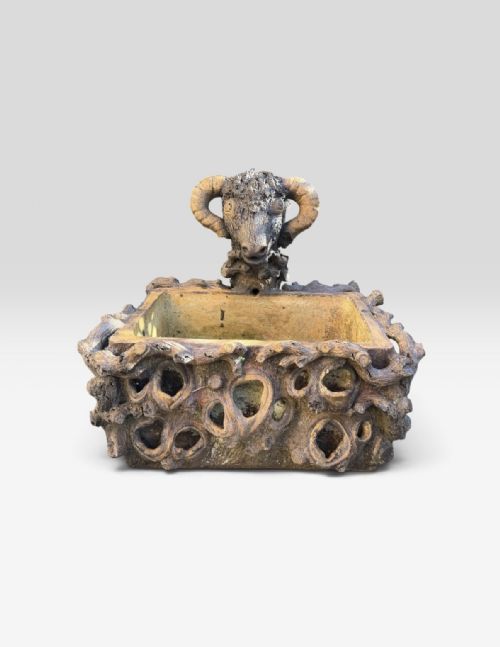
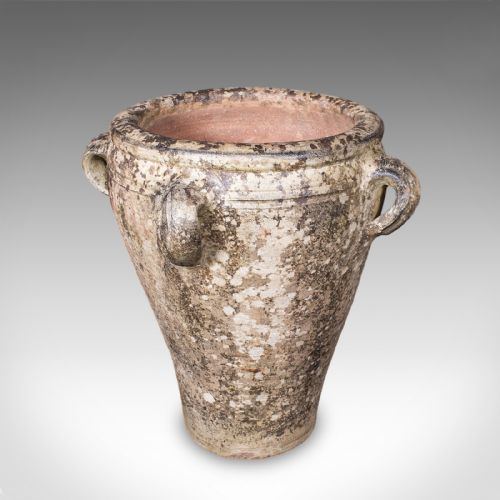
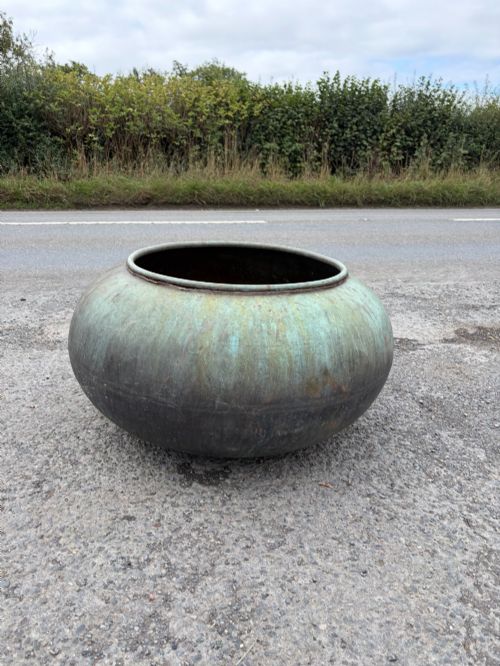






Garden Urn Pot
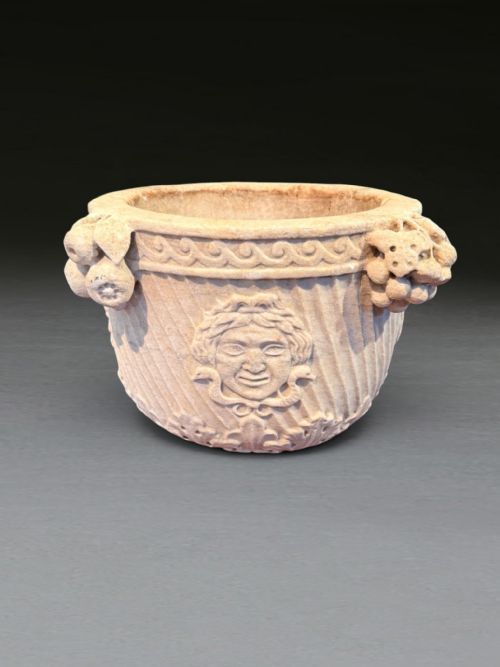
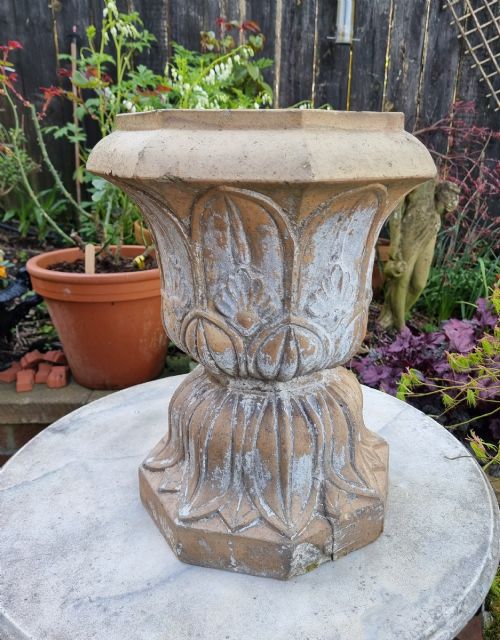
These garden urn pots bring architectural structure and planting space to outdoor spaces, chosen for how well weathered materials anchor a terrace.
Garden Urn Pot
A garden urn pot acts as a focal point for terraces, paths, and formal lawns by elevating planting above ground level. These vessels range from classical campana shapes to robust troughs and large jars.
Most examples encountered here originate from the nineteenth century, built in cast iron or terracotta. Victorian pieces often draw on classical revival and neoclassical motifs, reflecting formal gardening traditions.
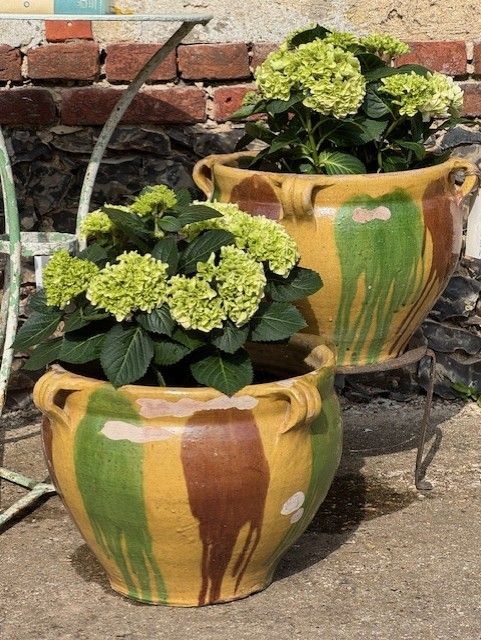
Simpler rustic forms also appear alongside glazed earthenware and stone vessels. These practical containers suit both traditional English gardens and Mediterranean courtyard layouts.
Materials and construction
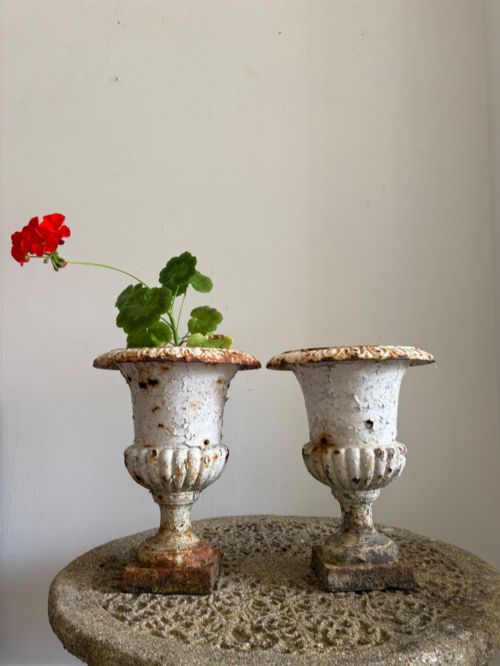
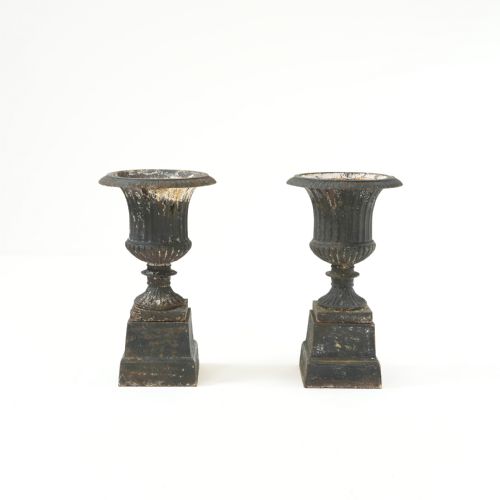
Cast iron production involves pouring molten metal into detailed moulds, creating crisp classical ornament and heavy, durable walls. These iron pieces frequently retain traces of original paint or natural oxidation.
Terracotta vessels utilise moulded clay fired at moderate temperatures, yielding porous bodies that breathe and support root health. Salt glazing adds a denser, vitreous surface layer to specific troughs and pots.
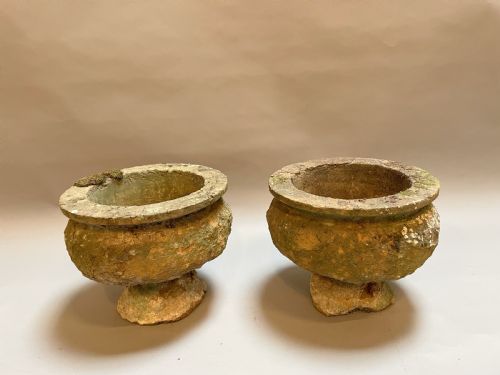
Stone and reconstituted stone rely on banker work or casting techniques to shape solid architectural ornaments. Lead and copper elements introduce alternative weights and patination through natural weathering.
Garden Urn Pot Retail Price Guide 2026
Typical asking prices for garden urn pot among the pieces listed under this phrase on Sellingantiques today, from the lower quarter to the upper quarter. They describe what is for sale here now, not the wider market.
Materials span cast iron, terracotta, salt-glazed earthenware, lead, and stone across nineteenth and twentieth-century periods.
Assessing quality and character
Quality rests in the crispness of the casting or moulding, where sharp relief details reveal the skill of the original workshop. Finer iron and terracotta vessels retain clean lines despite decades of outdoor exposure.
The natural patination of surfaces separates ordinary pots from exceptional survivors. Decades of weathering, moss growth, and flaking paint create depth that modern reproductions cannot replicate.
Structural integrity matters as much as surface charm. Well-balanced proportions, intact drainage holes, and sturdy bases determine how successfully a vessel holds earth and withstands frost.
Andrew Handyside·Compton Pottery
The Garden Urn Pot Glossary
- Campana urn
- A bell-shaped garden vessel with an everted rim and a tapering body, often mounted on a short stem and square foot.
- Terracotta
- Fired unglazed clay ranging in colour from pale buff to deep reddish-orange, widely utilised for traditional garden planters.
- Salt glaze
- A vitreous coating formed by throwing common salt into the kiln during high-temperature firing, producing a pebbled, glossy finish on stoneware.
- Faux bois
- A decorative technique mimicking wood grain on materials such as concrete, terracotta, or iron.
- Jardiniere
- An ornamental pot or stand designed to hold growing plants or flowers, usually intended for prominent display.
- Patina
- The surface texture, colour change, and weathering acquired by materials through age and exposure to the elements.
Garden Urn Pot: Frequently Asked Questions
How do I protect cast iron urns from winter frost?
Cast iron handles freezing temperatures well if water does not pool and freeze inside the solid bowl. Raising the base slightly off the ground prevents moisture from drawing up into the metal.
Applying a protective coat of oil or checking existing paint layers helps limit active rust during damp winter months.
Can terracotta garden urn pots stay outside year-round?
Traditional terracotta contains porous clay that absorbs moisture, which expands when temperatures drop below freezing. Placing pot feet underneath ensures proper drainage so water escapes freely.
Moving unglazed pots into a sheltered shed or greenhouse during severe winter snaps prevents cracking.
How do I date an antique garden urn?
Stylistic details such as classical revival motifs point towards Victorian manufacturing periods, while foundry marks offer specific clues. Surface patination, tool marks, and weathering patterns also provide evidence of age.
Heavier casting methods and distinct glaze styles align specific pieces with nineteenth-century production standards.
What plants suit a campana garden urn?
Trailing foliage and spilling flowers complement the flared rim of a campana shape, softening the hard edges of iron or stone. Ivy, cascading lobelia, and small architectural shrubs sit well within the bowl.
Larger vessels accommodate structural box balls or small standard trees that provide height on patios.