


Garden Planter Pots
These garden planter pots range from robust cast iron urns to weathered terracotta vessels, bringing historic character and structural planting space to outdoor spaces.
Garden Planter Pots
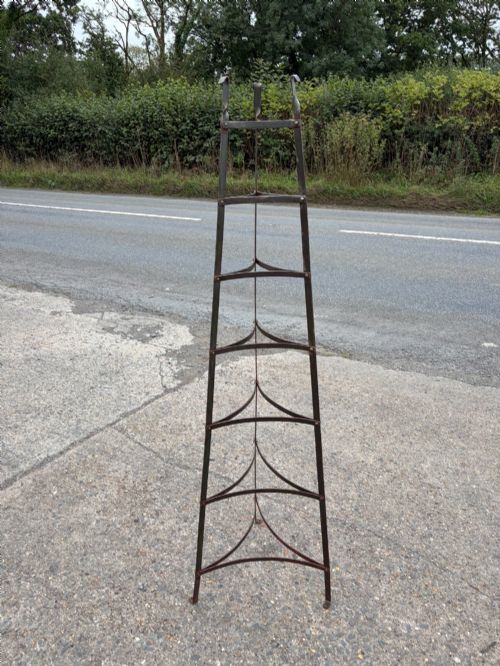
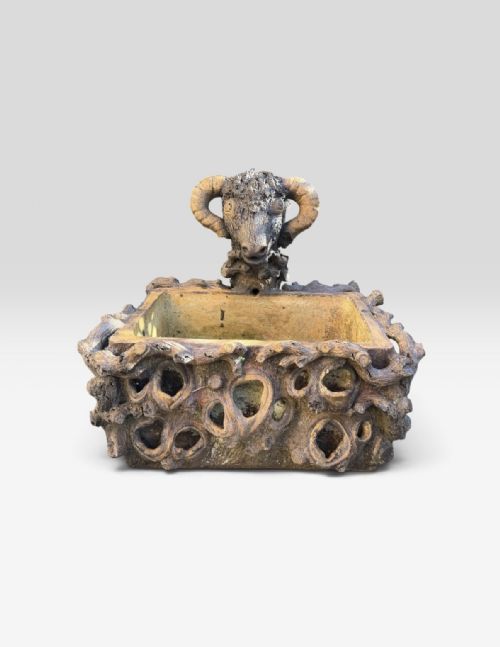
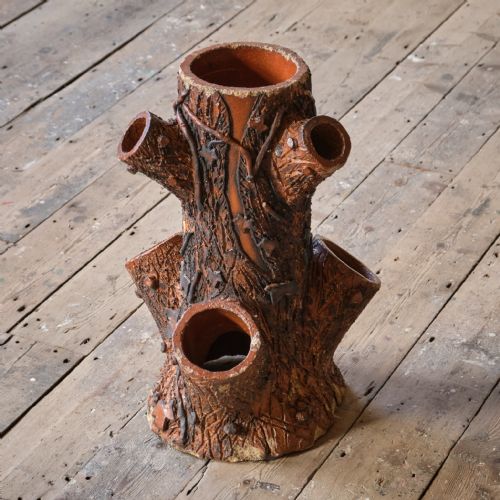
Garden planter pots encompass a diverse group of vessels designed for outdoor horticulture, drawing on centuries of utility and ornamentation. Buyers searching this phrase encounter forms ranging from classical campana urns and salt-glazed troughs to large copper display pots and faux bois strawberry planters.
The selection on this page leans heavily toward nineteenth-century examples, alongside pieces originating from the eighteenth and early twentieth centuries. Origin points vary from English and Scottish workshops to French, Italian, and Chinese kilns and foundries.
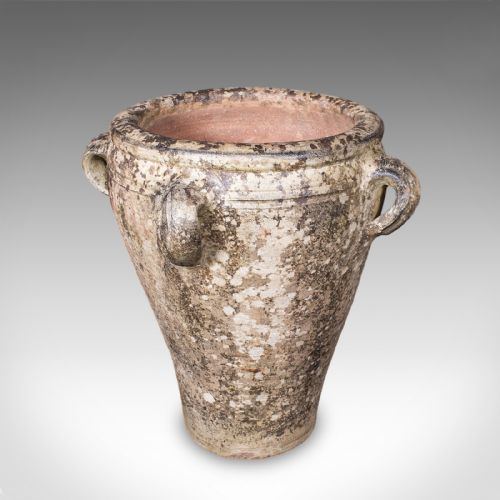
Vessels take many structural shapes, including amphorae, pedestals, dairy crocks repurposed for planting, and multi-sided garden urns. These objects serve both practical cultivation needs and architectural focal points within gardens and courtyards.
Materials and construction
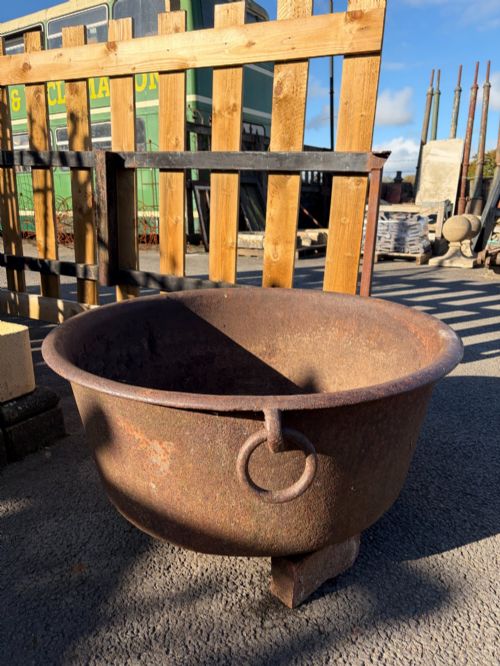
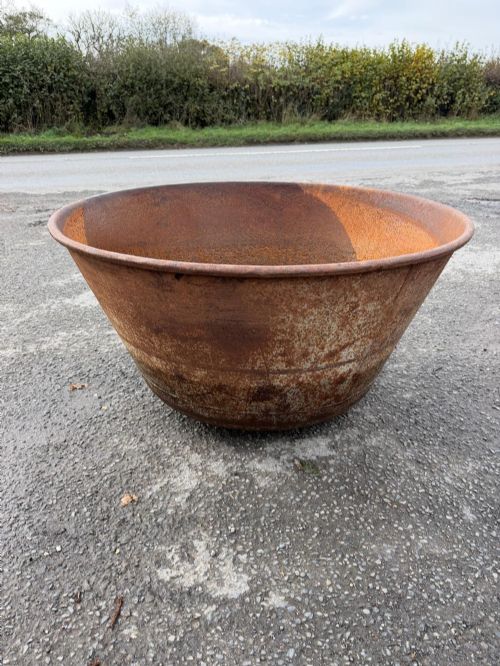
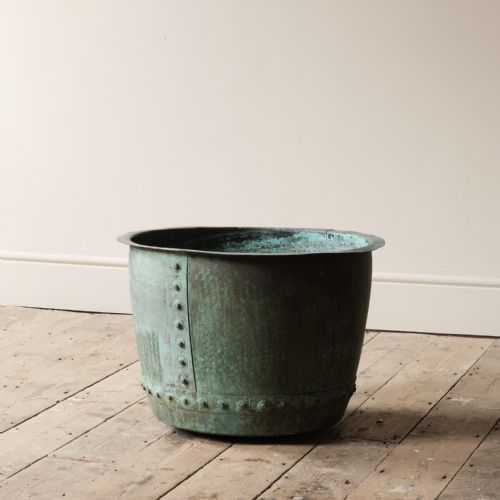
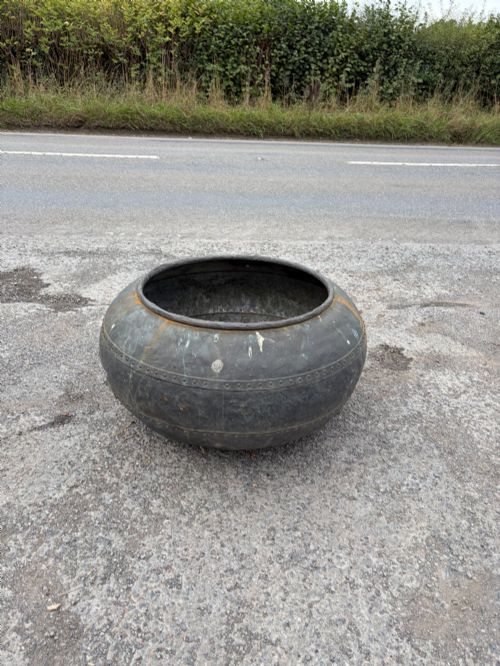
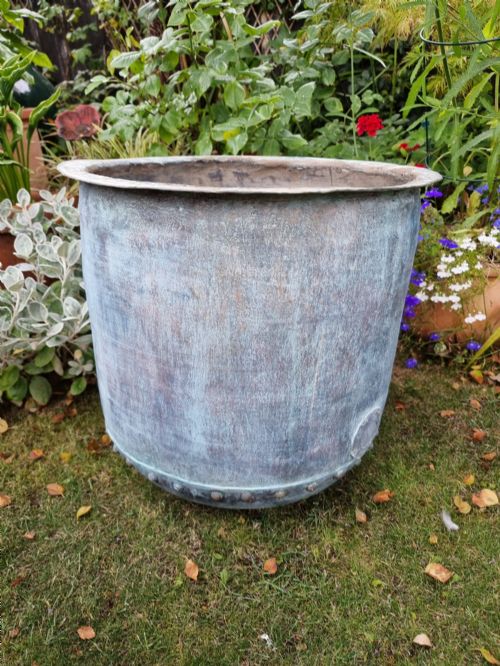
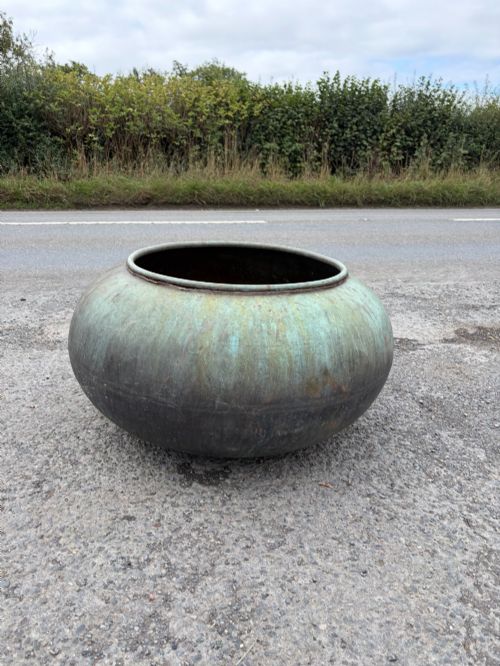
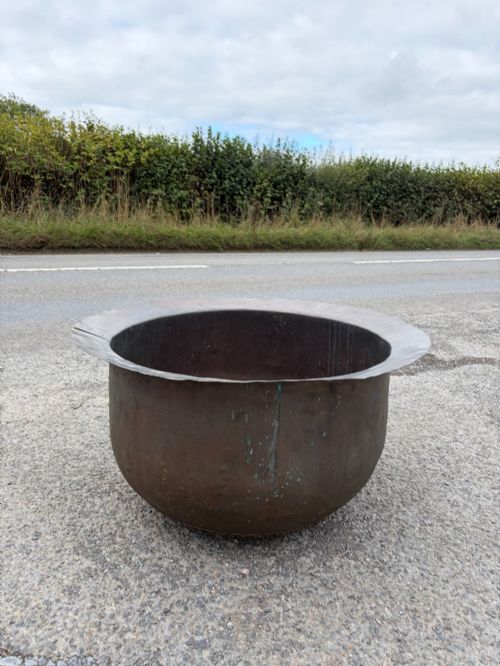
Metal vessels rely heavily on heavy-gauge copper and cast iron, often shaped with hand-riveted seams or cast in sectional moulds. Copper planters frequently show verdigris finishes and natural patination developed through exposure, while cast iron examples carry original distressed paint or oxidized surfaces.
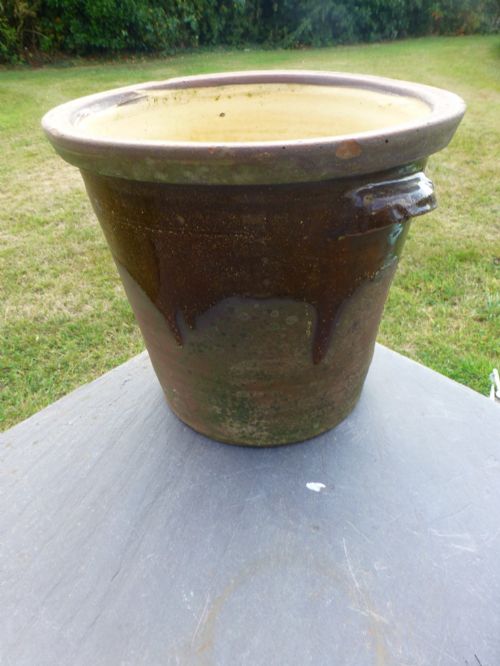
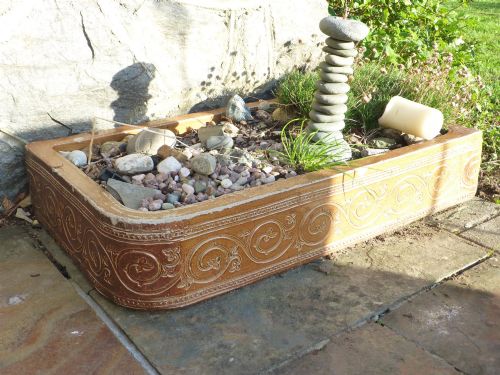
Earthenware, terracotta, and salt-glazed stoneware utilise regional clays fired at varying temperatures. Glazed pieces feature techniques such as dribble glazes or salt glazing, imparting impermeable surfaces suited to retaining moisture in soil.
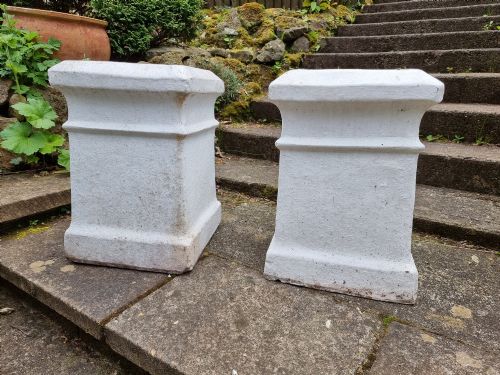
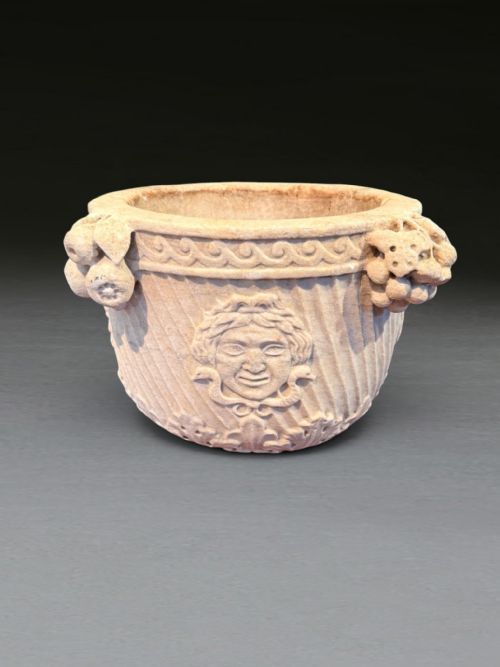
Stone and marble pieces demonstrate masonry and carving techniques applied to soft stone, Italian marble, and Indian stone. These heavy materials provide stability and frost resistance for outdoor display.
Garden Planter Pots Retail Price Guide 2026
Typical asking prices for garden planter pots among the pieces listed under this phrase on Sellingantiques today, from the lower quarter to the upper quarter. They describe what is for sale here now, not the wider market.
Victorian gardeners used ceramic rhubarb forcers to trick vegetables into growing tall in total darkness, creating today's sculptural garden planter pots.
Judging quality and character
Quality in garden planter pots rests upon the crispness of moulding, the integrity of the material, and the depth of natural ageing. Cast iron urns with sharp decorative relief and well-preserved structural joins stand apart from softer, indistinct castings.
The authenticity of the surface patina distinguishes superior examples, where decades of weathering create organic variations in colour rather than artificial distress. Earthenware and terracotta vessels show quality through even firing marks, balanced proportions, and substantial wall thickness that resists frost.
Guichard Carriès·Andrew Handyside
The Garden Planter Pots Glossary
- Campana urn
- A bell-shaped garden vessel with an everted rim, widely produced in cast iron and terracotta during the nineteenth century for formal garden placement.
- Salt-glazed stoneware
- Pottery fired at high temperatures with common salt introduced into the kiln, producing a dense, glassy texture with a characteristic orange-peel surface.
- Faux bois
- A decorative technique mimicking wood grain, applied here to terracotta and stoneware planters to give the appearance of rustic timber log sections.
- Rhubarb forcer
- A specialised agricultural pot placed over rhubarb plants to exclude light, forcing tender shoots to grow upward in darkness.
- Verdigris
- A green copper carbonate deposit formed naturally on copper and brass surfaces through atmospheric oxidation over long periods.
Garden Planter Pots: Frequently Asked Questions
How do I protect antique cast iron urns from frost?
Cast iron is durable, but trapped water expanding inside during freezing temperatures can crack even robust metal. Raising the base slightly off the ground ensures proper drainage.
lining the interior with protective material also buffers the metal against damp soil during winter months.
Can terracotta garden pots stay outside all winter?
Porous terracotta absorbs moisture, which expands when temperatures drop below freezing. Unglazed pots benefit from being emptied, inverted, or moved under cover before the first frost.
High-fired stoneware and dense salt-glazed troughs handle outdoor conditions better than soft earthenware.
How do I identify a nineteenth-century copper planter?
Nineteenth-century copper pots often display hand-riveted seams, heavy gauge metal, and deep patination accumulated over generations of use. Machine-rolled modern seams and bright, unblemished surfaces indicate recent manufacture.
Verdigris deposits and historical repairs point to genuine age and active service.