



Frosted Globe Oil Lamp
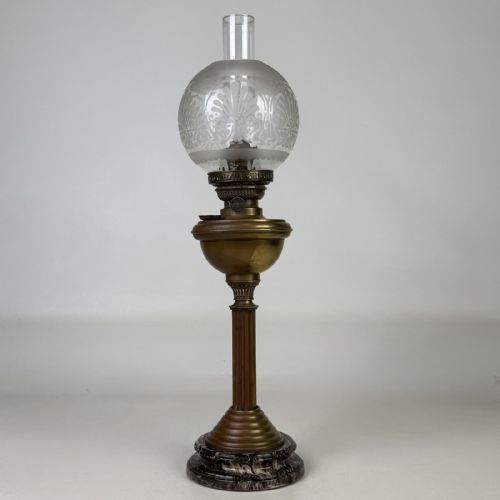
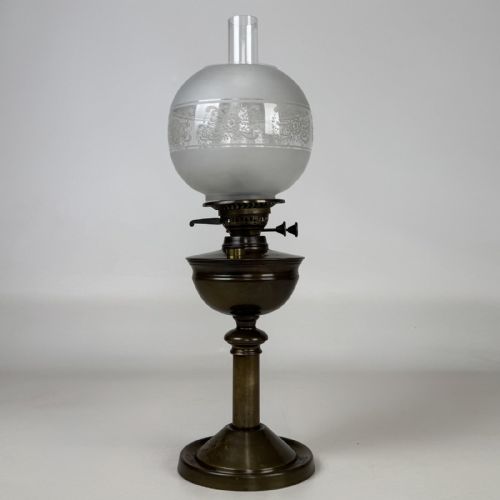
A frosted globe oil lamp brings a soft, diffused glow to a room through etched and tinted glass paired with heavy metal and ceramic bases.
Frosted Globe Oil Lamp
When you search for a frosted globe oil lamp, you are looking at nineteenth-century and turn-of-the-century lighting pieces that combine decorative glass shades with functional stands. These items originate from the Victorian period through to nineteen hundred, encompassing Victorian, Art Nouveau, and French Chateau styles.
How they were made
Makers constructed these pieces using blown and etched glass for the globes, alongside cast brass and bronze for the adjustable stands and mounts. Ceramic components often form the central body of the font, glazed in solid colours to contrast with the metallic bases.
Etched glass techniques created patterned surfaces that softened the harsh flame of burning oil, while heavy brass bases provided the necessary stability for tall table lamps.
Frosted Globe Oil Lamp Retail Price Guide 2026
Typical asking prices for frosted globe oil lamp among the pieces listed under this phrase on Sellingantiques today, from the lower quarter to the upper quarter. They describe what is for sale here now, not the wider market.
Listings feature items from the Victorian period, eighteen eighty, eighteen ninety, and nineteen hundred, utilising brass, ceramic, and etched glass.
What varies in quality
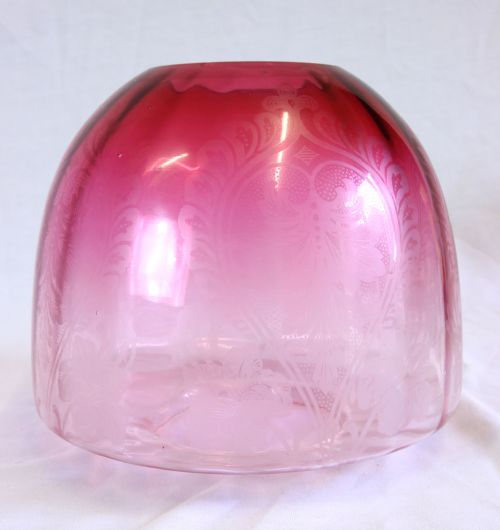
The standard of a frosted globe oil lamp rests upon the depth of the glass etching and the weight of the metal stand. Finer pieces display crisp botanical or geometric patterns cut into coloured glass, paired with substantial brass or bronze mounts.
Simpler examples rely on plain frosted surfaces and lighter brass construction. The integration of ceramic elements and the presence of makers such as Messengers or retailers like Harrods elevate the standing of a piece.
Messengers·Harrods
The Frosted Globe Oil Lamp Glossary
- Font
- The oil reservoir of the lamp, typically positioned above the base and beneath the burner. This part is frequently made from ceramic or coloured glass.
- Tulip Shade
- A flared glass shade resembling an open flower, designed to fit over the burner and diffuse the light upwards. These are often seen in green or cranberry glass.
- Cranberry Glass
- A rich red-pink glass coloured with gold chloride during production, highly popular in Victorian lighting. It creates a warm, rosy illumination.
- Art Nouveau
- A decorative style characterised by fluid, organic lines and floral motifs, prominent in pieces from the late nineteenth century. It appears here in both lamp stands and shade designs.
Frosted Globe Oil Lamp: Frequently Asked Questions
What is a frosted globe oil lamp?
A frosted globe oil lamp is a nineteenth-century lighting fixture featuring a decorative glass shade and a supportive base made of brass, bronze, or ceramic.
These pieces use oil as a fuel source and rely on the frosted or etched glass to soften and scatter the light.
How were oil lamps used?
These lamps provided domestic illumination in homes before electricity became widespread, usually placed on tables in principal rooms.
Users adjusted the wick via the burner to control the flame height and light output.
How do you live with an oil lamp?
Living with these pieces involves placing them on stable surfaces where their brass stands and coloured glass globes act as decorative focal points.
Many examples have been safely converted to electricity for modern convenience while retaining their original appearance.
How do you date a Victorian oil lamp?
Dating relies on stylistic markers such as Victorian aesthetic choices, Art Nouveau curves, and the specific use of cranberry or green glass.
Materials like heavy cast brass and specific ceramic glazes also point towards the late nineteenth century and the year nineteen hundred.