

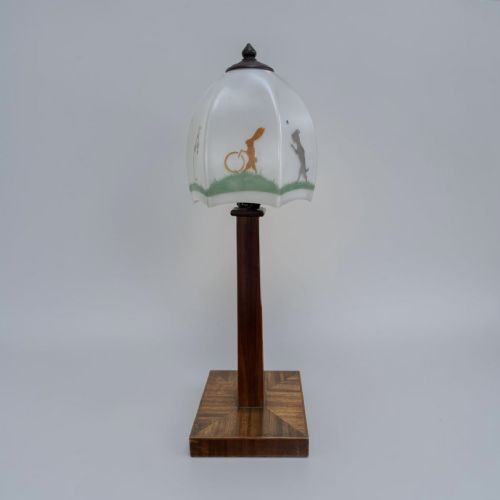
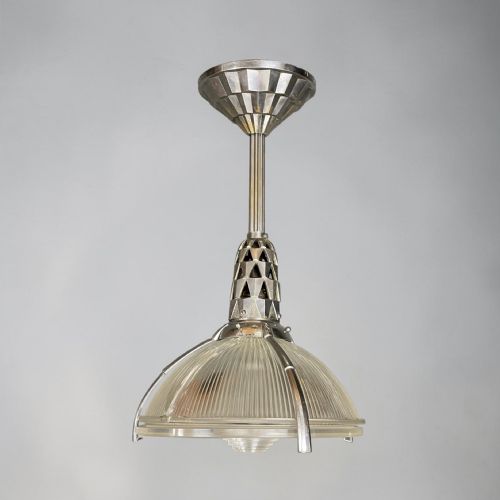
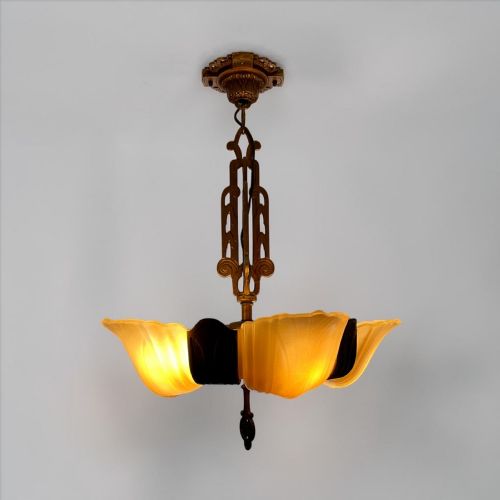
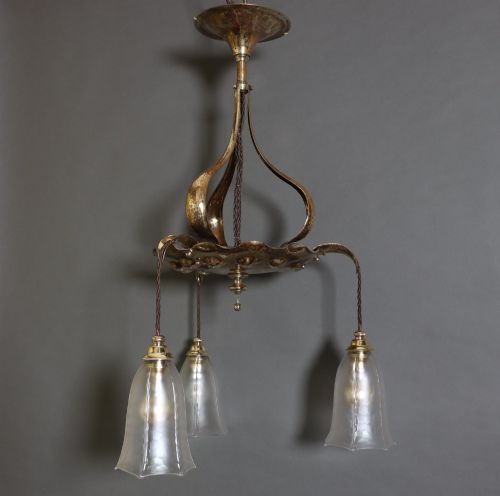
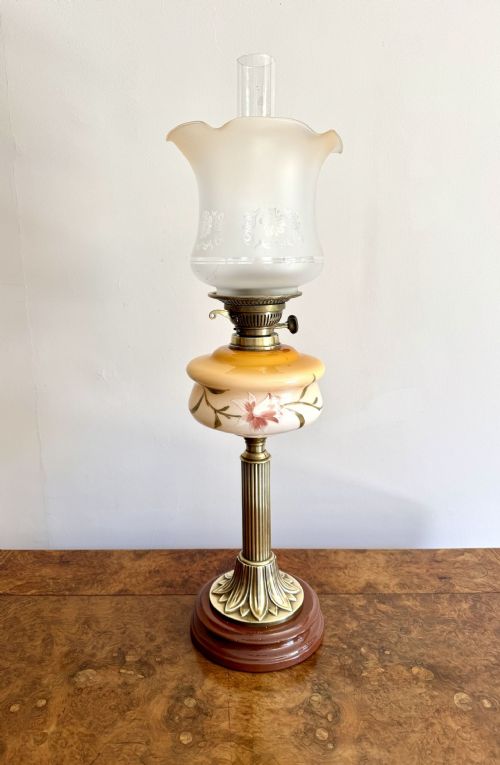
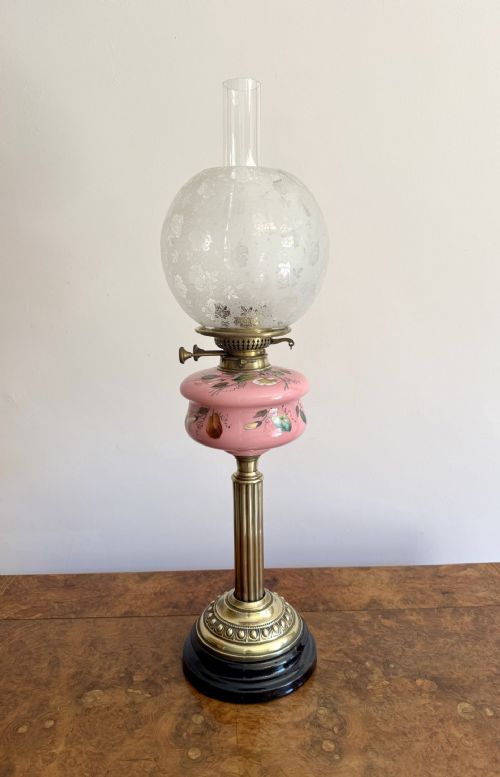
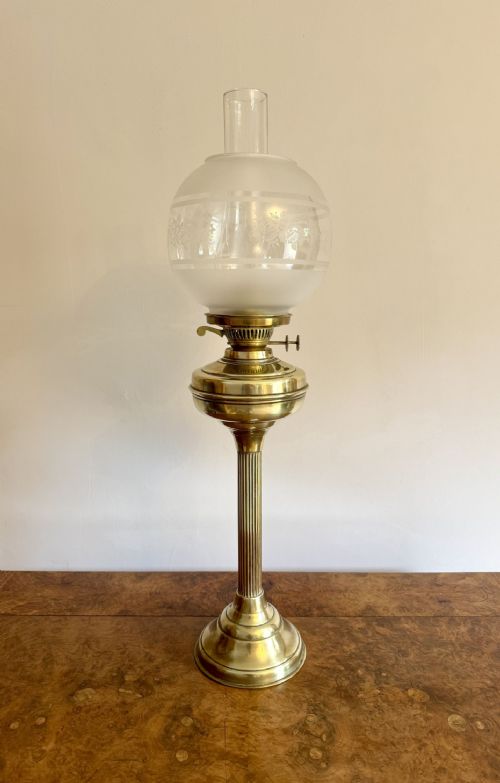
Frosted Glass Shade Light
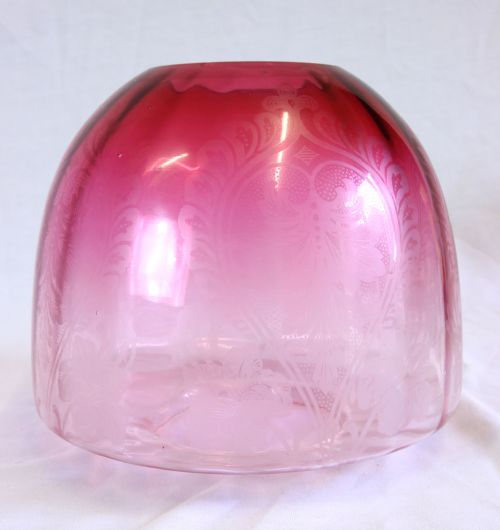
These frosted glass shade light fixtures diffuse a warm interior glow, prized for softening electric illumination.
What frosted glass shade light pieces are
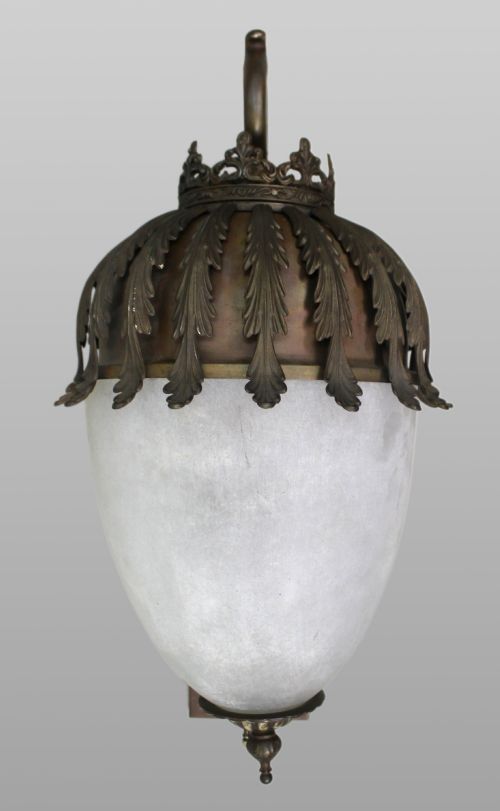
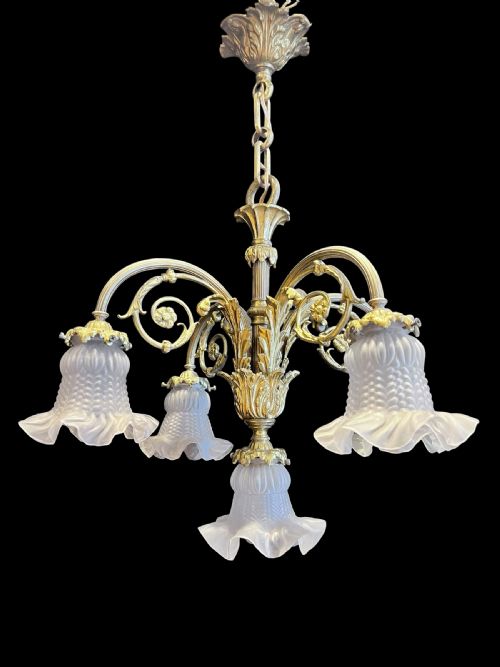
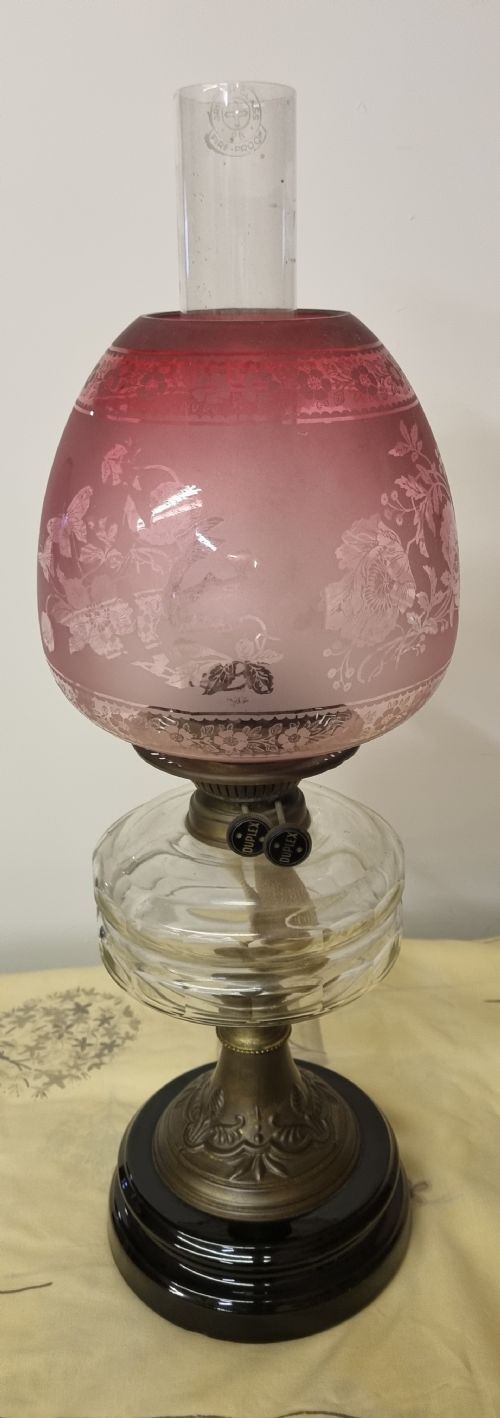
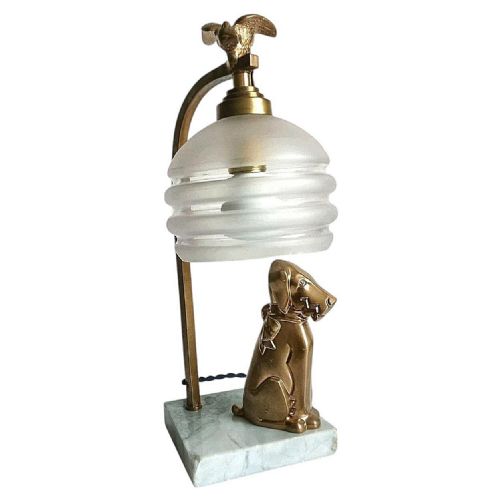
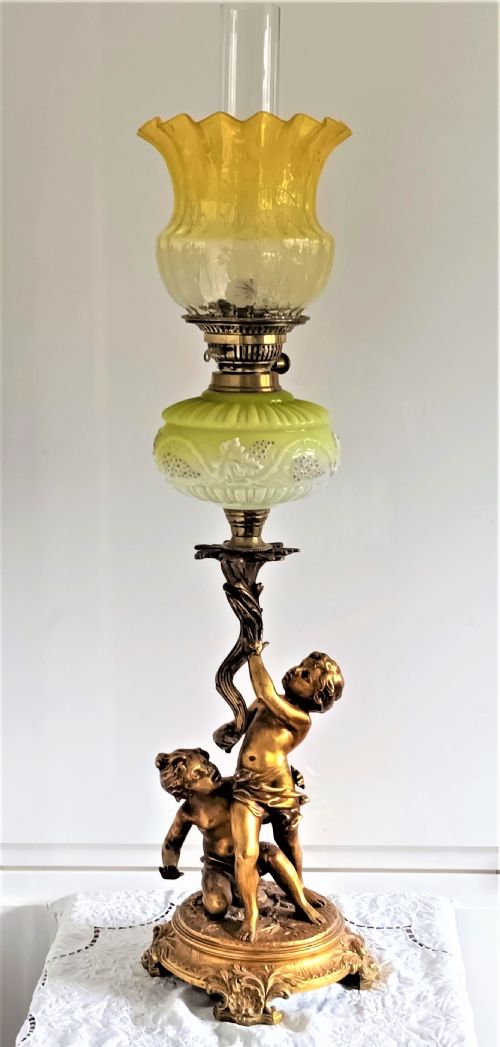
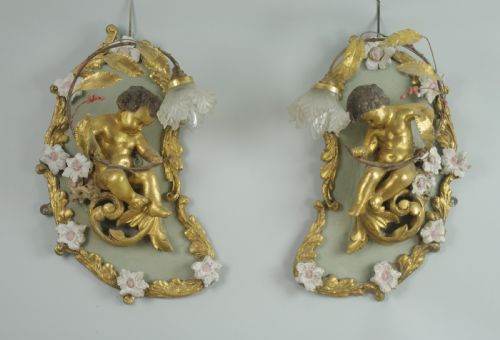
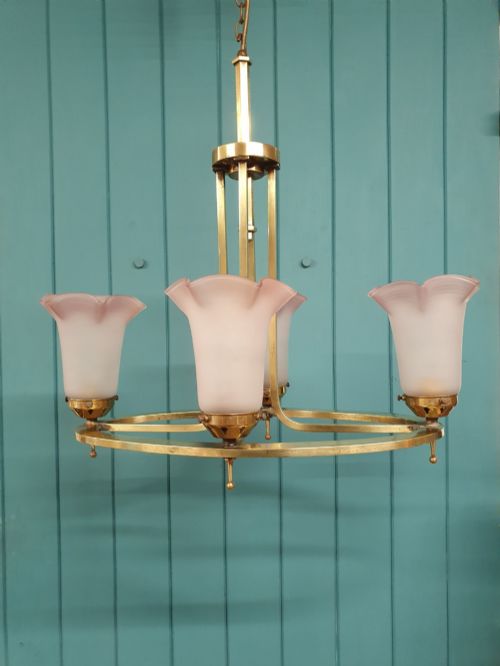
A frosted glass shade light combines a diffusing shade with hanging or wall-mounted hardware, spanning multiple decades of domestic lighting. The items found here include multi-arm chandeliers, ceiling lights, table lamps and wall sconces.
The selection ranges across several distinct aesthetic movements. Buyers encounter Edwardian pieces, ornate Baroque Palladian designs, Arts and Crafts examples and geometric Art Deco models.
Materials span brass, bronze, wood and glass, including opaline and pressed glass variants. These fixtures suit rooms requiring diffused illumination rather than harsh direct glare.
How they were made
Makers utilised cast and fabricated metals such as brass and heavy bronze to form the structural bodies, chandeliers and lamp frameworks. These metal elements provide the rigid support needed for multi-bulb ceiling fixtures and wall sconces.
Shades were produced using glass manufacturing methods, creating the characteristic frosted, opaline or pressed finishes designed to soften light output. Artisans combined these glass elements with metal components to complete each functional fitting.
Retail Price Guide 2026
Typical UK retail prices for frosted glass shade light, calculated from the Sellingantiques database of over a million retail prices indexed since 2003. This retail price guide relies exclusively on Sellingantiques data; no external sources or auction records are used, so the figures do not describe the wider market.
Some Edwardian chandeliers are heavy enough to test the strongest ceiling joist in the house.
What varies in quality
Quality differences stem from the weight of the metalwork and the finish of the casting. Heavy bronze and well-formed brass frames indicate higher initial production standards than lighter alternatives.
The sophistication of the glass work also marks the distinction between standard and finer examples. Uniform frosting, careful pressing and the inclusion of opaline glass elevate the visual depth of the fixture.
The Frosted Glass Shade Light Glossary
- Frosted glass
- Glass treated to scatter light and reduce glare. This surface texture creates a soft, even illumination suitable for domestic spaces.
- Opaline glass
- A milky, semi-translucent glass type. It diffuses light effectively while adding a distinct tonal quality to the shade.
- Chandelier
- A branched ceiling light fixture designed to hold multiple lamps. These pieces often feature prominent metal framing and several individual shades.
- Art Deco
- A design style characterised by geometric forms and stylised motifs. This aesthetic appears frequently in lighting fixtures from the interwar period.
Frequently Asked Questions
How do I clean frosted glass?
Clean frosted glass shades using warm water and a mild detergent with a soft cloth. Avoid abrasive materials that might damage the etched or treated surface.
Dry the glass thoroughly before reattaching it to the metal fixture to prevent water spots.
Can I use modern bulbs?
Many older fixtures accommodate modern LED lamps provided the wattage and physical dimensions match the original requirements. Check the lamp holder size before installation.
Consult a qualified electrician to ensure the internal wiring meets current safety standards.
How do I date a chandelier?
Dating relies on stylistic markers, construction techniques and materials such as heavy bronze or brass. Edwardian and Art Deco pieces exhibit distinct decorative vocabularies.
Comparing the fixings and wiring methods against known period examples helps narrow down the decade of manufacture.
Where should I hang these lights?
Ceiling lights and multi-arm chandeliers suit hallways, living rooms and dining areas where ambient illumination is required. Ensure adequate ceiling height for hanging fixtures.
Wall sconces provide secondary lighting in corridors and reception spaces.