

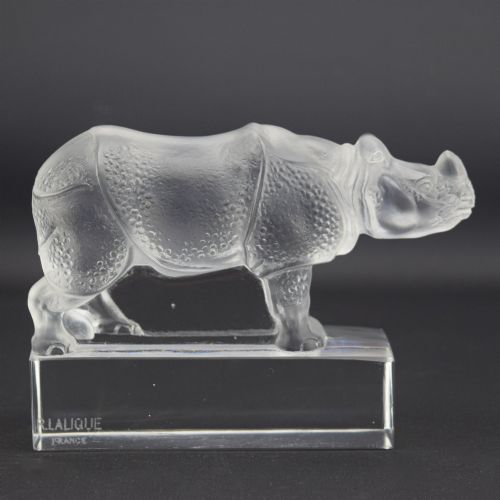


Frosted Glass Figurine
A frosted glass figurine brings tactile depth and sculptural form to a room, captured here in pieces ranging from paperweights to table lamps.
Frosted Glass Figurine
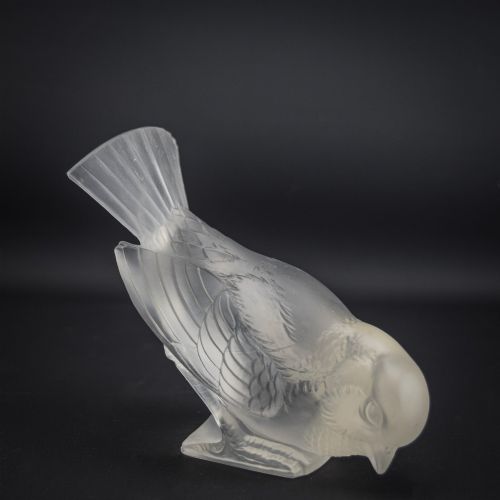
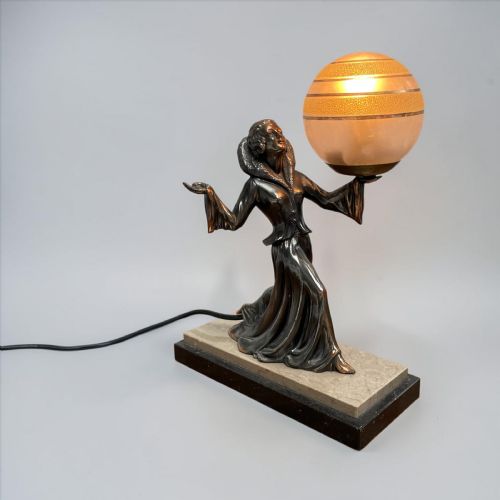
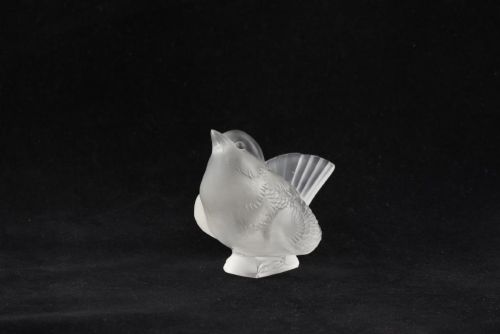
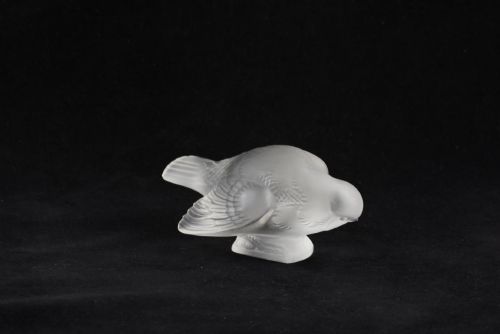
When you search for a frosted glass figurine, you encounter sculptural works primarily shaped during the early twentieth century. The selection includes paperweights, table lamps, statuettes, and car mascots.
Art Deco and Art Nouveau styles dominate the grouping, reflecting French Neoclassical design influences. You are most likely to meet examples featuring birds, animals, and female figures rendered in moulded or opalescent glass.
How they were made
Makers utilised moulded glass and clear glass, applying acid-etching or sandblasting to create the signature frosted texture. Opalescent glass variants catch light differently as angles shift.
Certain figures combine frosted glass with patinated metal, brass, or marble bases. These mixed media elements provide structural support and compositional contrast.
Frosted Glass Figurine Retail Price Guide 2026
Typical asking prices for frosted glass figurine among the pieces listed under this phrase on Sellingantiques today, from the lower quarter to the upper quarter. They describe what is for sale here now, not the wider market.
Listings span the periods nineteen-ten, nineteen-twenty, and nineteen-thirty, showcasing Art Deco, Art Nouveau, and French Neoclassical aesthetics.
What varies in quality
The definition of the moulding determines the crispness of feather, drapery, and facial details across the surface. Softer edges suggest worn moulds or secondary casts.
The integration of colour stains, such as blue highlights, and the finish on auxiliary materials like bronze or marble differentiate standard production pieces from masterworks.
Rene Lalique·Marius Ernest Sabino·Anton Buschelberger·Karl Ens
The Frosted Glass Figurine Glossary
- Frosted glass
- Glass treated to scatter light and create a matte, translucent surface. This technique obscures direct vision while accentuating sculptural contours.
- Opalescent glass
- Glass containing ingredients that cause it to milky-blue or milky-white appearance in reflected light. It glows with amber tones when lit from behind.
- Moulded glass
- Glass shaped by pressing molten material into a metal or wooden form. This method allowed makers to produce intricate figures in series.
- Cachet
- A desk seal or stamp with a carved base. These small objects often doubled as figural paperweights.
- Car mascot
- An ornamental figure mounted on the radiator cap of a motor car. Many glass examples were later repurposed as desk sculptures.
Frosted Glass Figurine: Frequently Asked Questions
What is a frosted glass figurine used for?
These pieces served practical roles as paperweights, desk seals, table lamps, and car mascots. Their dense forms allowed them to hold down papers or diffuse light effectively.
Today, they function primarily as decorative sculptures in domestic interiors. Collectors display them on desks, mantels, and illuminated shelves to highlight their translucent qualities.
How do I date a frosted glass figurine?
Dating relies on stylistic markers associated with Art Deco and Art Nouveau periods spanning the early twentieth century. The clothing, hair styling, and animal motifs offer strong chronological clues.
Signature styles and production techniques recorded from nineteen-ten to nineteen-thirty provide further context. Comparing the mounting materials, such as specific grades of marble or brass, helps narrow the timeframe.
How should I clean frosted glass?
Dust accumulates easily within the textured depressions of frosted surfaces. Gentle brushing with a soft, dry tool removes surface particles without abrasion.
Avoid harsh chemical cleaners that can damage patinated metal or marble components paired with the glass. Warm water and mild soap suffice for stubborn grime on the glass itself.
What subjects do these figures depict?
Bird motifs appear frequently, including sparrows, pheasants, and cockerels rendered as paperweights or mascots. Human representations often draw from French Neoclassical themes, showing dancers and caryatids.
Other subjects include dogs, rhinos, and elephants. These forms capture the dynamic energy of the early twentieth-century design movements.