



Blue Stained Glass
Blue stained glass brings rich colour and deep historical character to interiors, spanning grand windows and delicate table pieces.
Blue Stained Glass
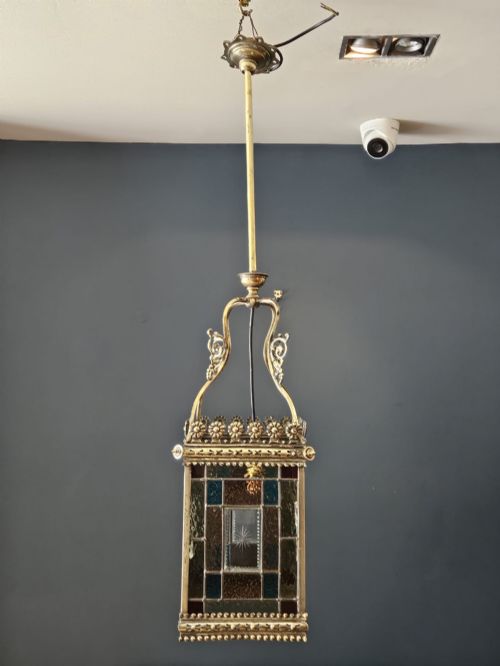
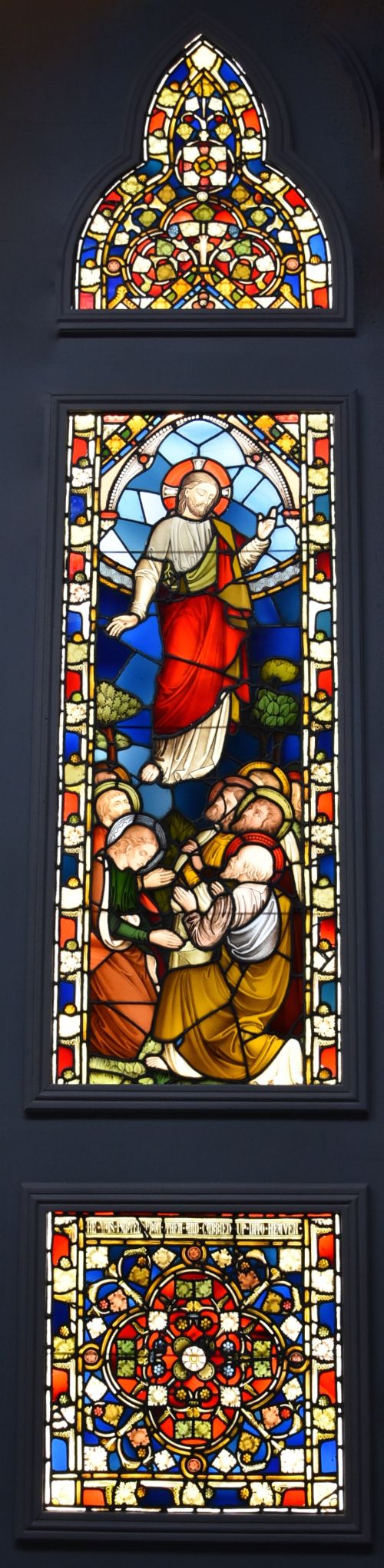
Blue stained glass encompasses a diverse range of objects, uniting architectural leaded windows, decorative panels, lighting, and glassware under one vibrant palette. Buyers exploring blue stained glass encounter everything from mid-nineteenth-century religious windows and Gothic Revival panels to early twentieth-century decorative vases and pendants.
The selection ranges from structural leaded glass windows depicting knights, countryside scenes, and Dutch children to domestic lighting fixtures and pressed glass vessels. Pieces from the Victorian, Edwardian, and Art Deco periods appear frequently, reflecting both ecclesiastical traditions and domestic decorative arts.
How blue stained glass was made
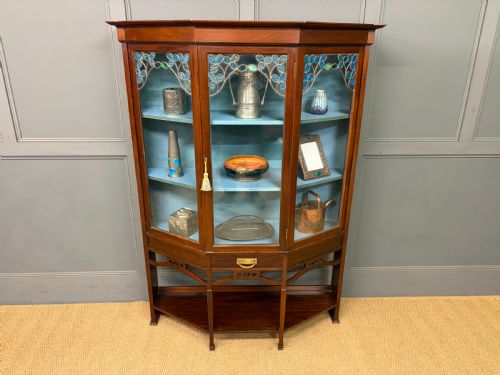
Makers constructed architectural and decorative panels by combining hand-cut coloured glass pieces within lead cames, frequently incorporating surface painting and enamel work that was fired onto the glass. Brass, wrought iron, and mahogany frames provided structural support for windows, lanterns, and display cabinets.
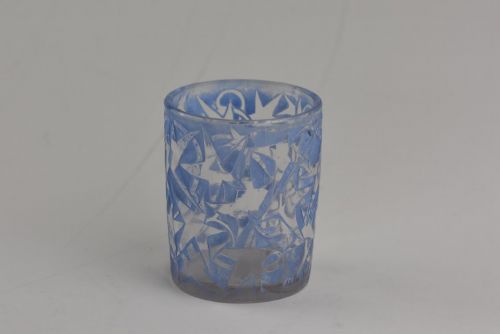
Moulded and pressed techniques defined three-dimensional glass objects, where opalescent and frosted surfaces received blue staining to accentuate intricate low-relief motifs. Artisans also utilised plique-à-jour enamel set within gold and bronze mountings for smaller wearable and desktop items.
Listings span multiple eras from the 1850s to the 1930s, featuring materials such as lead, brass, mahogany, and frosted glass.
What varies in quality
Quality rests upon the depth of artistic execution in the glass painting and the complexity of the leading or moulding. Hand-painted pictorial details, such as figurative scenes and heraldic work, demand superior draughtsmanship compared to purely geometric leaded panels.
Material selection and maker attribution elevate certain works, particularly where opalescent glass grades, specialised enamelling, or documented studio production are involved. The integrity of the original framing, whether brass, wrought iron, or wood, also defines the preservation of the piece.
Rene Lalique·Tiffany Studios·Sir Edward Burne-Jones
The Blue Stained Glass Glossary
- Came
- A slender, grooved strip of lead used to hold pieces of glass together in a window or panel. These flexible metal channels form the structural grid of traditional stained glass.
- Opalescent glass
- Glass that exhibits a milky, iridescent appearance, diffusing light across a soft translucent surface. It gained widespread popularity in decorative arts during the late nineteenth and early twentieth centuries.
- Plique-à-jour
- An enamelling technique where enamel is applied within a cellular metal framework without a backing, allowing light to shine directly through the translucent colour. This method resembles miniature stained glass.
- Leadlight
- A window or panel constructed from small glass panes joined together by lead cames. These works often incorporate painted details or textured glass varieties.
Blue Stained Glass: Frequently Asked Questions
How do I hang a stained glass window?
Architectural windows require secure chain fixings attached directly to the structural window frame or masonry, supporting the weight evenly across the perimeter. Hanging them in front of an existing light source allows natural daylight to illuminate the coloured glass panels.
Avoid relying solely on decorative hooks or weak latches, as leaded panels are heavy and prone to sagging over time if unsupported.
Are these windows suitable for exterior installation?
Most antique stained glass windows were designed for interior partition walls or protected secondary glazing rather than direct exposure to external weather. Placing them inside ensures the historic lead cames and hand-painted surfaces remain safe from wind pressure and frost damage.
Secondary mounting behind clear exterior glass provides necessary protection while retaining the visual effect of natural light passing through the room.
How do I clean blue stained glass?
Dust surfaces gently with a soft dry cloth, avoiding abrasive cleaners or harsh chemical solvents that can damage painted details or delicate patinas. For glass panels, mild soapy water applied sparingly on a soft cloth keeps the material clear without loosening the lead.
Take care around painted areas and enamel work, as historical pigments can be sensitive to moisture and excessive rubbing.
How do I date an antique stained glass panel?
Dating relies on stylistic clues within the design, such as Gothic Revival motifs, Arts and Crafts linework, or Art Deco symmetrical forms. The construction methods, including the gauge of the lead cames and the type of glass, also point toward specific manufacturing eras.
Comparing figurative dress, heraldry, or painting styles against documented periods helps narrow down the decade of production.