



Frosted Glass Figure
A frosted glass figure brings sculptural form and tactile texture to a room, catching the light across smooth and matte surfaces.
Frosted Glass Figure
A frosted glass figure is a sculptural object taking the form of animals, classical deities, or human subjects, rendered with a matte surface texture that diffuses light. When you search for a frosted glass figure, you encounter decorative sculptures, paperweights, table lamps, and vessels dating from the late nineteenth century through the Art Deco period.
The pieces appearing on this page span several distinct aesthetic movements, notably Art Nouveau, Art Deco, and French Neoclassical styles. Forms range from utilitarian items like shot glasses and lamp bases to purely decorative statuettes and paperweights originating primarily from French and English workshops.
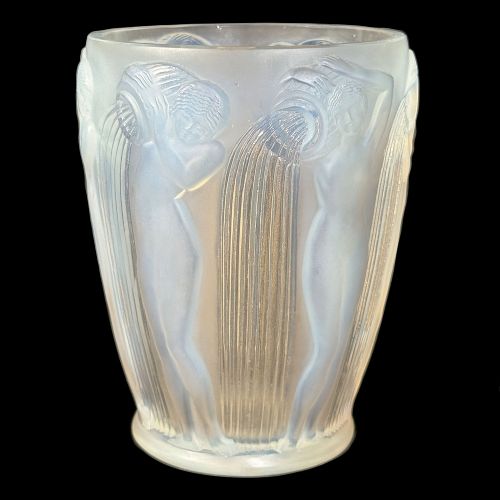
Moulded glass and patinated metal bases frequently combine in these works, particularly in table lamps where figures of ladies or animals support or accompany the lighting element. The integration of frosted and opalescent glass creates a subtle interplay of opacity and translucency unique to these periods.
Assessing quality and execution
The relationship between the glass figure and its supporting mount dictates much of the visual success of the piece. Integrated bases, whether in matching glass, bronze, or marble, demonstrate deliberate design where each material complements the opacity of the frosted surface.
Frosted Glass Figure Retail Price Guide 2026
Typical asking prices for frosted glass figure among the pieces listed under this phrase on Sellingantiques today, from the lower quarter to the upper quarter. They describe what is for sale here now, not the wider market.
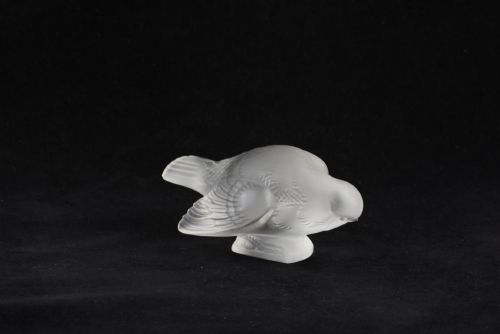
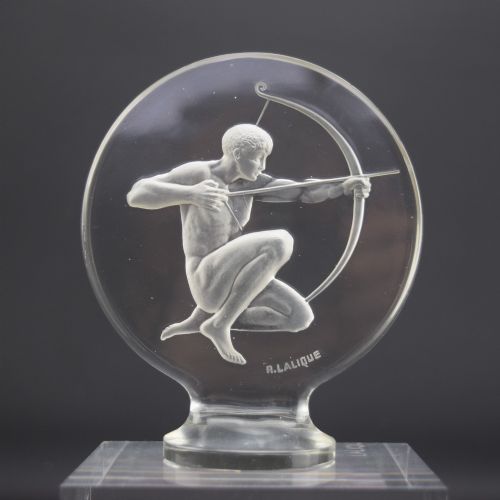
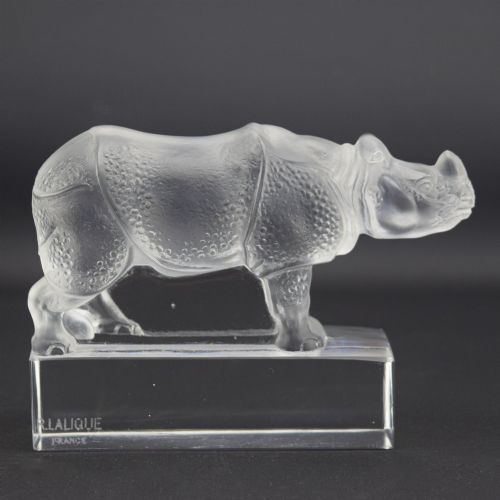
Elephants, sparrows, and rhinoceroses share shelf space with classical deities and Art Deco ladies.
Rene Lalique·Marius Ernest Sabino·Emile Picault·Auguste Moreau·Anton Buschelberger
The Frosted Glass Figure Glossary
- Frosted glass
- Glass treated by acid-etching or sandblasting to create a matte, translucent surface that diffuses light. This technique softens the appearance of the material and highlights sculptural contours.
- Opalescent glass
- Glass containing ingredients that cause it to milky-blue or milky-white appearance when viewed by transmitted light. It adds depth and iridescent colour shifts to figural pieces.
- Spelter
- A zinc alloy commonly utilised as a substitute for bronze in decorative figures and lamp bases during the nineteenth and early twentieth centuries. It accepts finishes such as silvering or patination to mimic more costly metals.
- Socle
- A short plinth or pedestal supporting a statue, vase, or lamp base. In glass figures, it provides a stable foundation and often incorporates contrasting materials like coloured glass or metal.
Frosted Glass Figure: Frequently Asked Questions
What periods do these figures date from?
The listings span the late nineteenth century through the early twentieth century, encompassing Victorian, Art Nouveau, and Art Deco eras.
Most examples originate from the decades around nineteen twenty and nineteen thirty, reflecting the height of moulded art glass production.
How were frosted glass figures used?
Many served as decorative paperweights on desks or as centrepieces on dining tables and mantelpieces.
Others functioned as integral components of table lamps, perfume bottles, or glassware.
What materials accompany the glass?
Metal mounts in bronze, brass, and silvered spelter frequently support or frame the glass figures.
Marble and patinated metal also appear as bases, adding stability and structural contrast to the sculptures.
How do I distinguish Art Deco from Art Nouveau?
Art Nouveau pieces, dating around nineteen hundred, favour flowing natural lines, organic motifs, and asymmetrical compositions.
Art Deco works from the nineteen twenties and thirties lean towards stylised symmetry, geometric forms, and streamlined human or animal figures.