

French Writing Desk Table
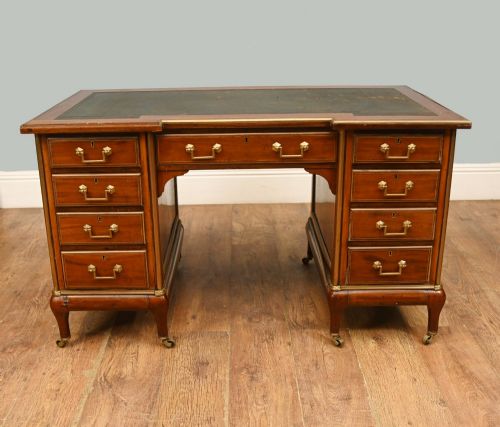
When you search for a french writing desk table, you find pieces designed for correspondence, fitted with leather inserts and mounts.
French Writing Desk Table
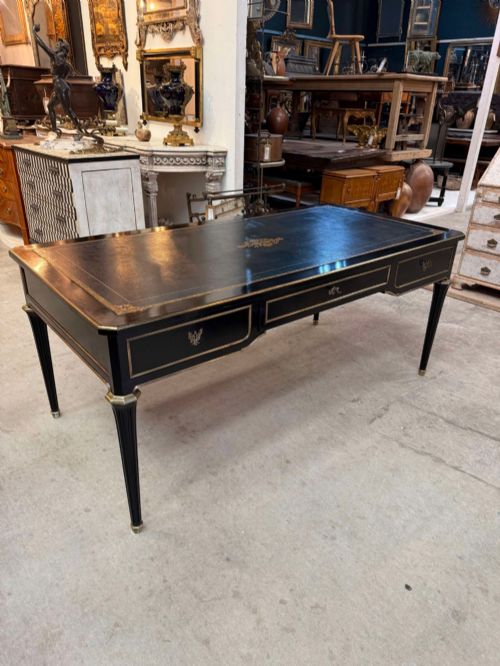
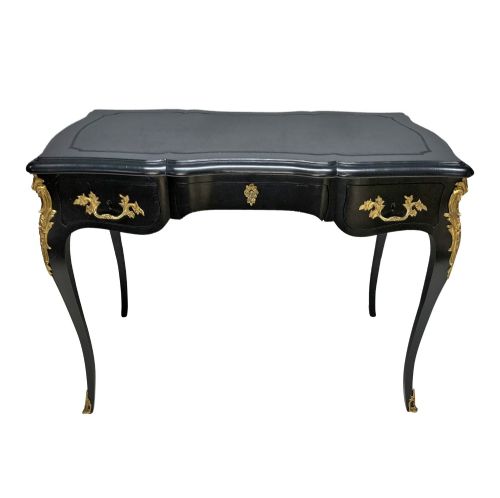
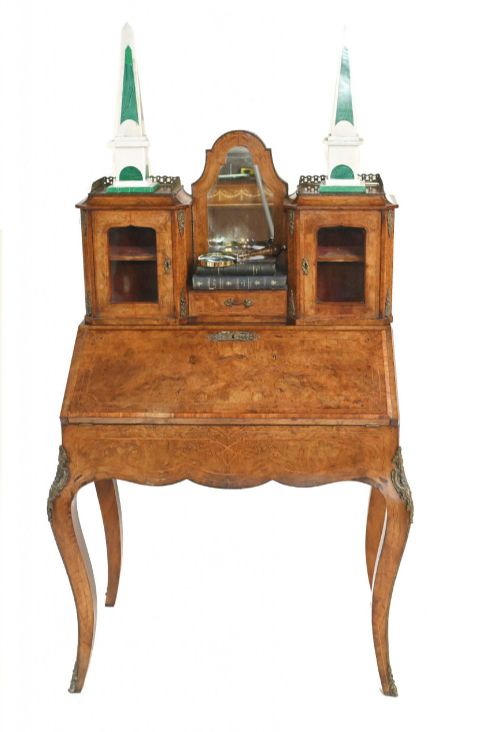
A french writing desk table bridges the gap between a formal display piece and a functional workspace. Buyers encounter bureau plat designs alongside ladies desks, centre tables and the occasional bonheur du jour.
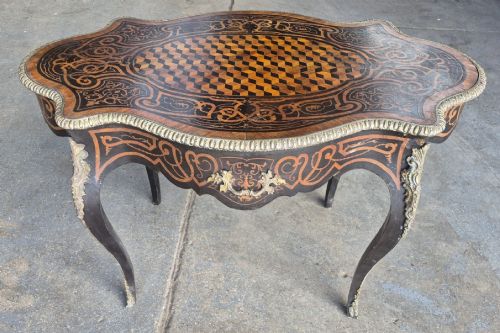
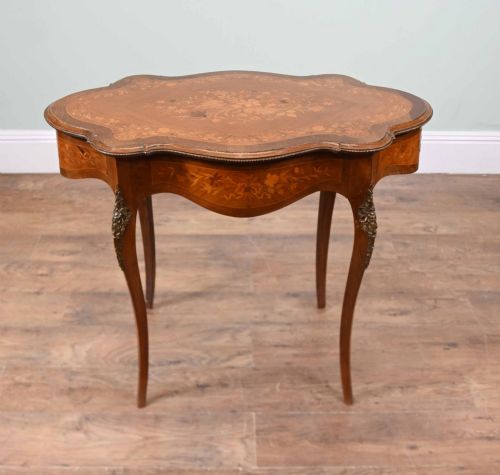
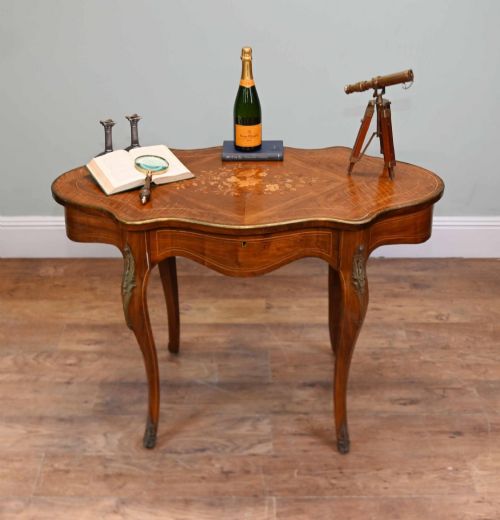
The material palette draws heavily on nineteenth century traditions, incorporating kingwood, walnut and amboyna veneers. Revival aesthetics dominate the selection, referencing Louis XV and Louis XVI periods alongside later art deco interpretations.
How they were made
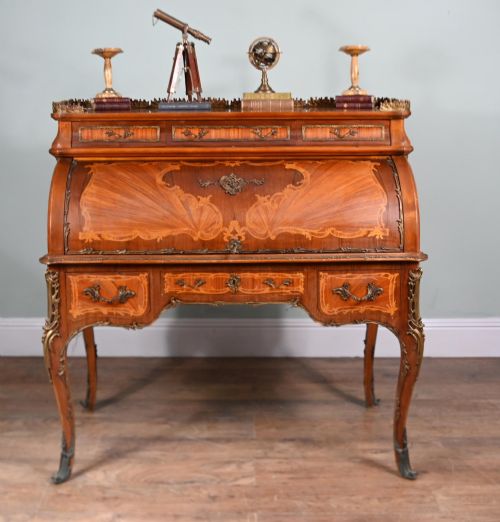
Cabinetmakers constructed carcasses from dense hardwoods such as mahogany and walnut before applying intricate parquetry and marquetry veneers. Surfaces often incorporated exotic timbers including kingwood, rosewood and macassar.
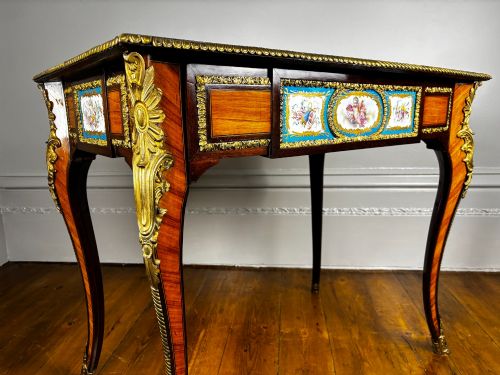
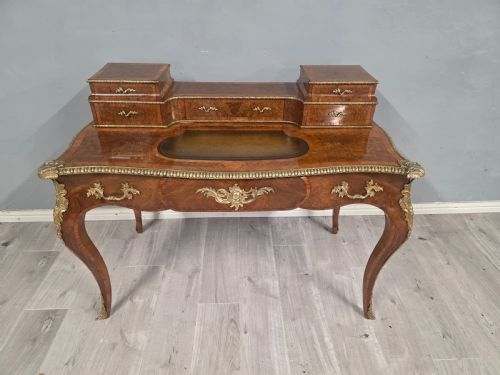
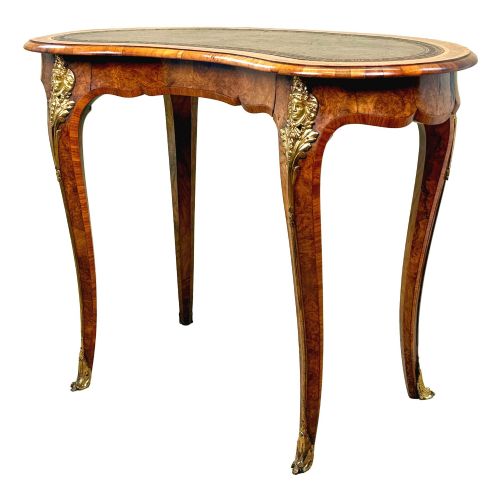
Mounts and hardware relied on cast ormolu and gilt bronze, secured to corners, legs and aprons. Insets of leather, suede or velvet formed the writing surface, framed by wooden borders or brass galleries.
French Writing Desk Table Retail Price Guide 2026
Typical asking prices for french writing desk table among the pieces listed under this phrase on Sellingantiques today, from the lower quarter to the upper quarter. They describe what is for sale here now, not the wider market.
Listings feature walnut, kingwood and rosewood alongside ormolu mounts across nineteenth century pieces.
What varies in quality
The precision of the marquetry and the crispness of the gilt bronze mounts dictate the standing of a piece. Finer examples display seamless veneer matching across curved serpentine fronts and drawer faces.
Construction methods reveal the hand of skilled workshops, particularly in the dovetailing of drawers and the stability of freestanding centre tables finished on all four sides.
Gillows·JAS Shoolbred·Edward’s And Robert’s·Paul Sormani
The French Writing Desk Table Glossary
- Bureau plat
- A freestanding writing table fitted with drawers across the frieze, typically finished on all sides for placement in the centre of a room.
- Ormolu
- Gilded bronze applied as decorative mounts, feet and handles on nineteenth century furniture.
- Marquetry
- The art of forming decorative patterns using thin veneers of various woods applied to a carcass.
- Bonheur du jour
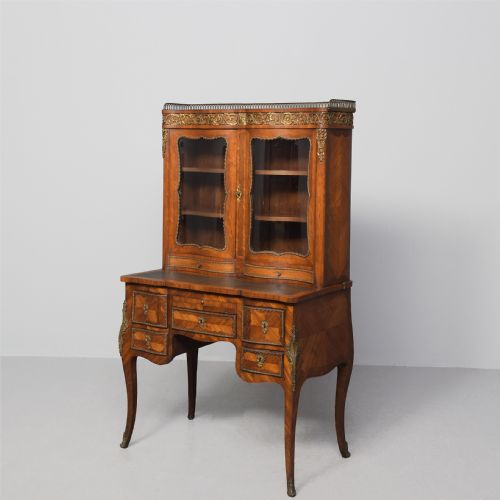
- A light ladies writing desk featuring a small cabinet or set of drawers superstructure above the main writing surface.
- Parquetry
- Geometric wood inlay forming patterned surfaces such as cubes or chequers across the top of a table.
French Writing Desk Table: Frequently Asked Questions
Where do you place a bureau plat?
A bureau plat is designed as a freestanding centre table with finished decoration on all sides. This allows the piece to sit prominently in the middle of a room rather than against a wall.
Positioning the desk away from boundaries showcases the parquetry and ormolu mounts from every angle while providing adequate light across the leather writing surface.
What is a bonheur du jour?
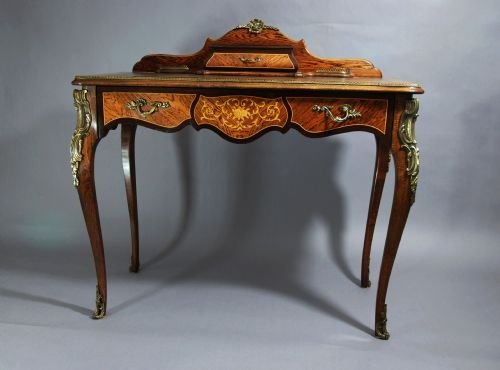
A bonheur du jour is a compact ladies writing desk featuring a small superstructure of shelves or drawers above the main work surface. These pieces emerged during the eighteenth century and remained popular in nineteenth century revivals.
They serve for light correspondence and display, combining cabinet work with a small pull out or inset writing flap.
How do I care for leather desk tops?
Leather and suede writing surfaces require gentle maintenance to prevent drying and cracking over time. Dusting with a dry cloth and avoiding direct sunlight preserves the colour and finish.
Applying specialised leather balms sparingly helps maintain suppleness without staining the surrounding wood veneers or gilt borders.
How can I tell Louis XV from Louis XVI style?
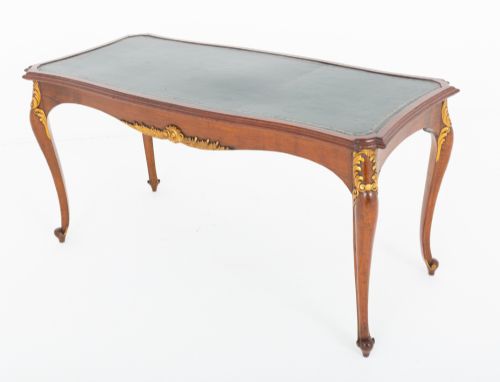
Louis XV style pieces are characterised by flowing serpentine lines, cabriole legs and prominent asymmetrical ormolu rococo mounts. The overall silhouette feels curved and organic.
Louis XVI style shifts towards straight lines, symmetrical geometry, fluted legs and neoclassical detailing influenced by classical antiquity.