



French Wooden Settee
A french wooden settee brings architectural grace and seating warmth to a room, drawing the eye with its carved wooden frame and traditional upholstery.
French Wooden Settee
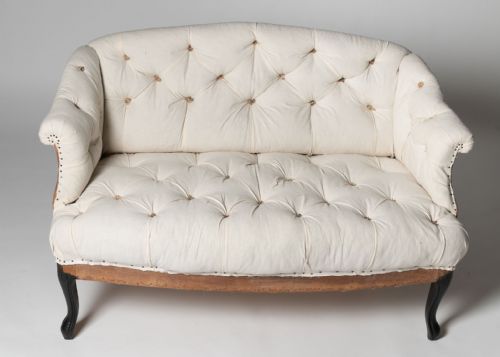
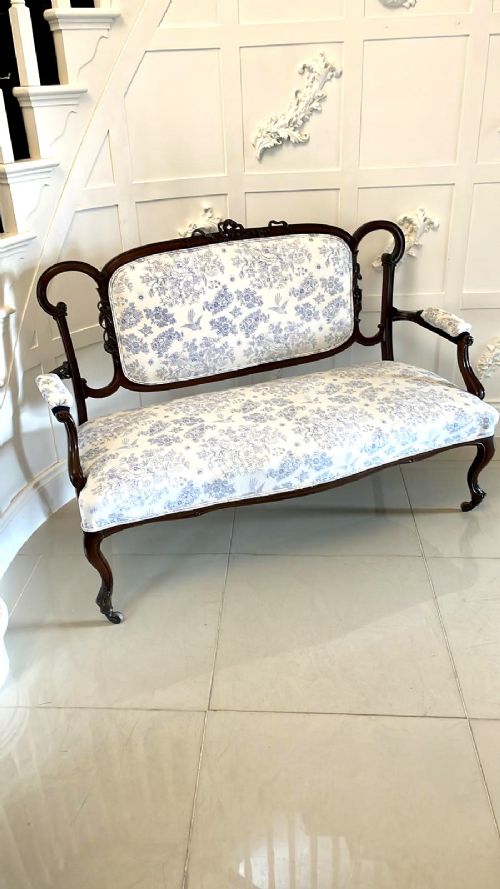
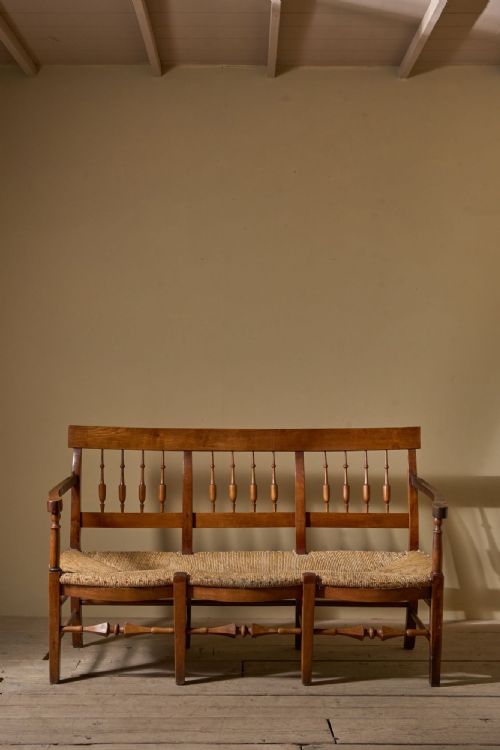
A french wooden settee represents a long seat designed for domestic comfort, taking forms such as the canape, bergere sofa, or hall bench. When searching for a french wooden settee, buyers encounter pieces originating from the eighteenth, nineteenth, and early twentieth centuries.
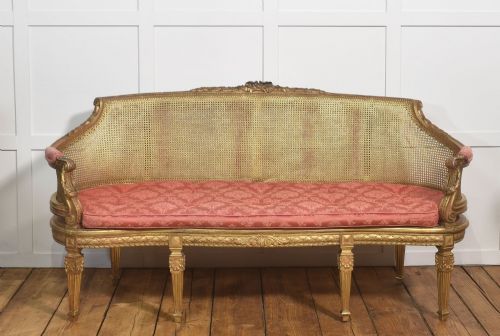
The versions most commonly met on this page span the 19th century and early 20th century, displaying styles from Louis XV and Louis XVI revivals to French Chateau designs. These frames are constructed from walnut, oak, mahogany, or painted and gilt wood, often paired with cane or fabric upholstery.
Construction and materials
Frames are fashioned from solid hardwoods such as walnut, oak, and mahogany, shaped through carving and joinery techniques typical of each period. Giltwood and painted finishes are frequently applied to the timber surfaces, offering decorative contrast.
Seating areas utilise woven cane work, rush, or textile upholstery including linen and printed fabric. Traditional stuffing and webbing support the upholstered sections of the sofa.
French Wooden Settee Retail Price Guide 2026
Typical asking prices for french wooden settee among the pieces listed under this phrase on Sellingantiques today, from the lower quarter to the upper quarter. They describe what is for sale here now, not the wider market.
Listings feature walnut, oak, and mahogany alongside painted wood and giltwood frames.
Evaluating the craftsmanship
The refinement of the wood carving dictates the visual hierarchy of these seats, separating deeply sculpted walnut or crisp giltwood from simpler turned frames. Crisp detail in floral motifs and structural joinery shows the hand of a skilled maker.
The integrity of the structural frame and the preservation of original elements, such as cane panels or early upholstery, influence the character of each piece. Frames that retain their balanced proportions and original surface finishes hold greater architectural presence.
The French Wooden Settee Glossary
- Canape
- An upholstered wooden sofa with an exposed frame, characteristic of French seating design. These pieces often feature carved rails and padded armrests.
- Bergere
- An enclosed upholstered armchair or sofa featuring wooden sides filled with cane work or upholstery. The design provides a solid yet graceful profile.
- Giltwood
- Timber treated with a thin layer of gold leaf or gilt finish. This treatment highlights the carved details of the frame.
- Canework
- Woven rattan or cane material utilised for seat backs and panels. It offers a light, textured surface contrasting with solid wood.
French Wooden Settee: Frequently Asked Questions
How do I place a settee in a modern room?
A wooden settee functions effectively as a focal point in a living room, hallway, or bedroom. Position it against a plain wall to let the carved wooden frame and upholstery stand out.
Pair the seat with neutral tones or contrasting textures to ground the traditional design within a contemporary layout.
What is the difference between a settee and a sofa?
In historical terms, a settee generally denotes a lighter, often two- or three-seater wooden frame with exposed carved woodwork. Sofas can encompass larger, more heavily upholstered seating forms.
French seating terminology further distinguishes these pieces through specific regional and period styles like the canape.
How do I care for wooden frames and cane?
Maintain the timber frame by dusting with a dry cloth and occasionally applying suitable furniture wax to nourish the wood. Avoid placing the piece in direct sunlight or near heat sources.
Cane panels require gentle cleaning with a damp cloth and should not be subjected to excessive weight or sharp impacts.
How can I tell the period of a settee?
Examine the timber species, tool marks, and stylistic motifs to determine the likely era of manufacture. Louis XV and Louis XVI revival pieces display characteristic curved cabriole legs or straight fluted supports.
Construction details and joinery methods inside the frame offer further clues regarding whether a piece dates to the eighteenth, nineteenth, or early twentieth century.