




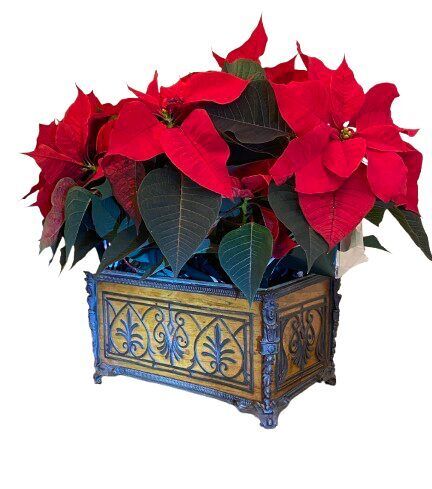

French Wooden Planter
A french wooden planter brings warmth and living greenery indoors, uniting rich timber tones with ornate metal mounts.
French Wooden Planter
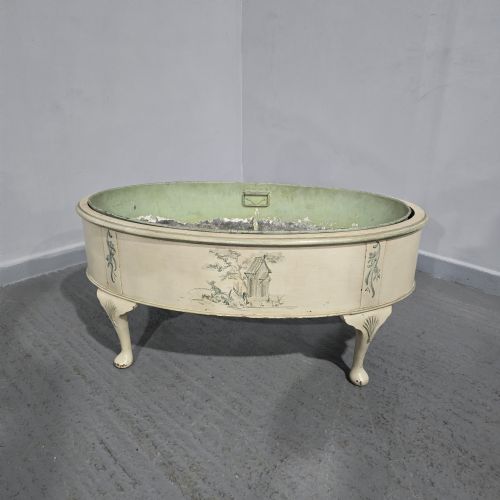
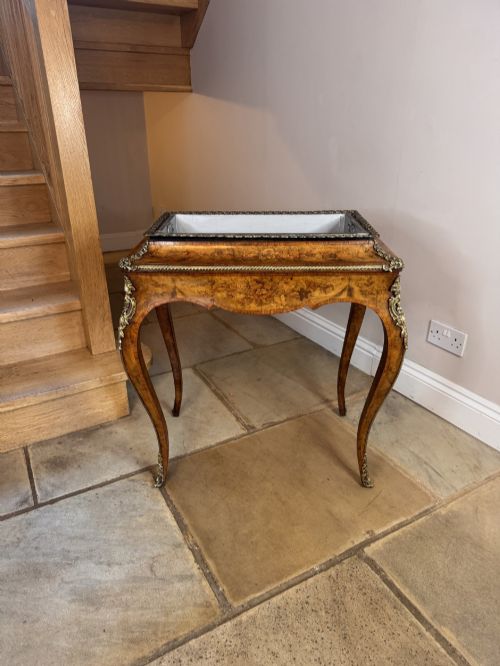
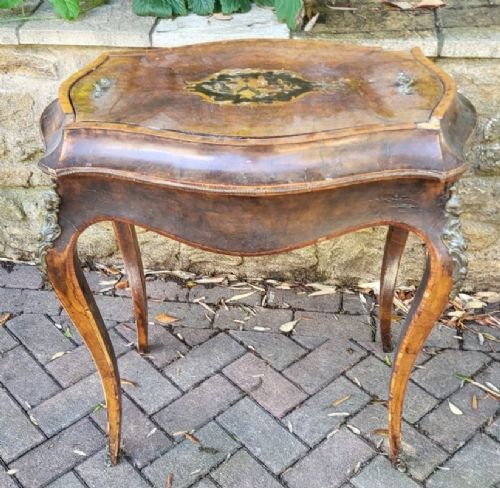
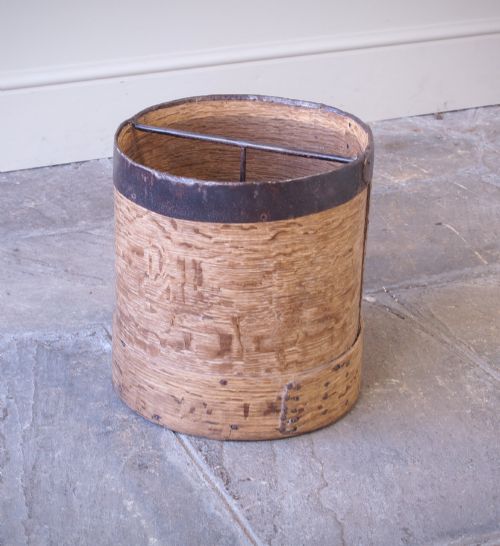
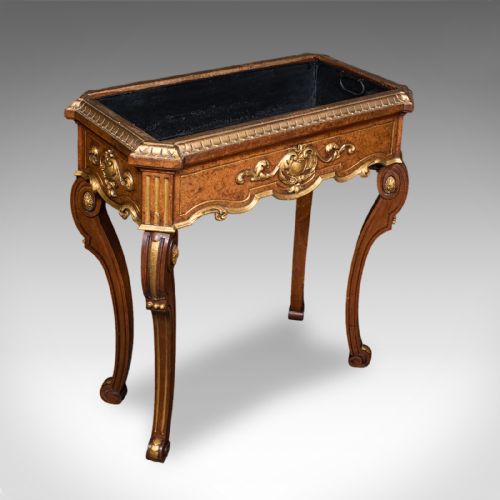
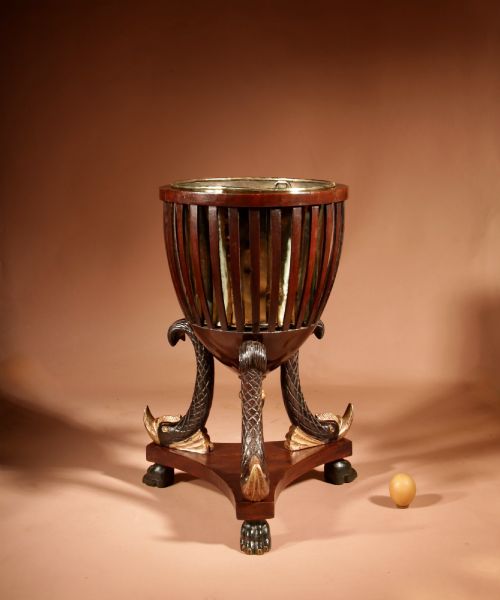
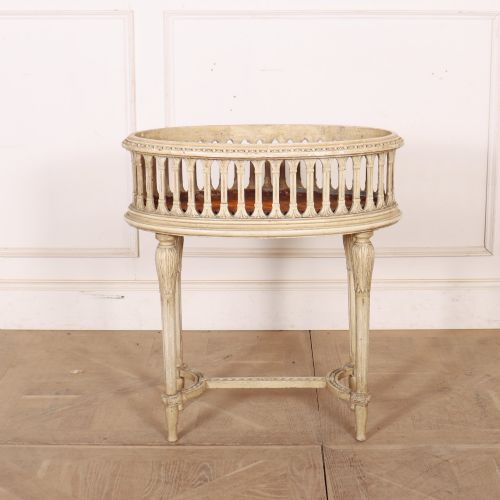
A french wooden planter takes many shapes, appearing as standing jardiniere tables, occasional side tables, wine coolers, and traditional grain measures or grape bins. These pieces span the nineteenth century and into the twentieth, drawing on diverse regional traditions from country workshops to urban cabinet makers.
Makers utilised various timber species including walnut, kingwood, burr walnut, mahogany, satinwood, and olive wood. Many examples incorporate metal linings or inserts designed to hold water and soil for live planting or ice for cooling bottles.
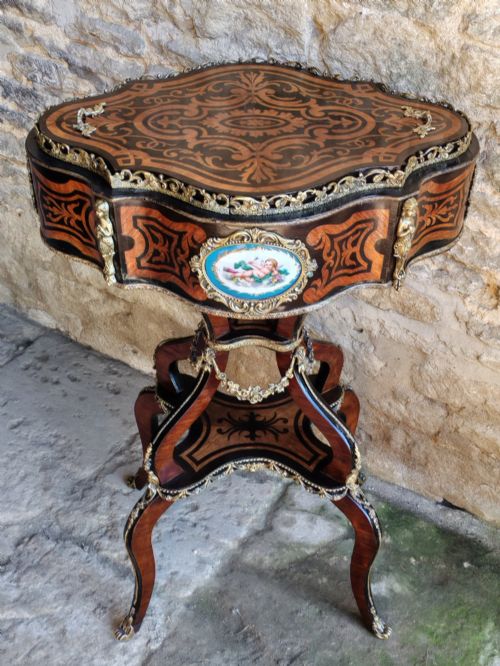
Design influences range from rustic French country styles to ornate revivals such as Louis XV, Louis XVI, Napoleon III, and French Empire. Buyers encounter everything from carved natural wood to marquetry inlaid surfaces paired with gilt metal mounts.
Materials and Technique
Cabinet makers constructed these vessels from dense hardwoods like walnut, mahogany, and exotic veneers such as kingwood and burr walnut, often applying marquetry inlay or geometric parquetry patterns. Surfaces were carefully polished to highlight the natural grain and colour of the timber.
Metal components played a structural and decorative role, featuring ormolu, brass, and bronze mounts, handles, and gallery rails. Zinc and porcelain plaques were frequently integrated to line interiors or adorn the exterior frieze.
French Wooden Planter Retail Price Guide 2026
Typical asking prices for french wooden planter among the pieces listed under this phrase on Sellingantiques today, from the lower quarter to the upper quarter. They describe what is for sale here now, not the wider market.
Materials documented across the collection include porcelain, zinc, ormolu, brass, and diverse hardwoods.
Craftsmanship and Detail
The refinement of the timber work and the crispness of the bronze or ormolu mounts set apart finer examples. Hand-carved details, precise marquetry, and heavy cast metal fittings indicate skilled workshop production.
Integrity of the original linings, whether metal, zinc, or ceramic, influences the character of the piece. Well-preserved internal vessels and original surface patination distinguish superior specimens from later adaptations.
The French Wooden Planter Glossary
- Jardiniere
- An ornamental pot or stand for holding plants or flowers. These items often feature decorative metal or ceramic liners.
- Ormolu
- Gilt bronze mounts applied to furniture and decorative objects. This technique adds metallic highlight and architectural structure to wooden bodies.
- Marquetry
- Decorative veneer work arranged in pictorial or geometric patterns. Craftsmen cut thin slices of contrasting woods to create detailed surface designs.
- Kingwood
- A dense, richly grained exotic timber used extensively in high-end cabinet making. It displays dark violet-brown tones with lighter streaks.
- Cellarette
- A lockable container or stand used for holding bottles of wine or spirits. Many period planters served this dual purpose as wine coolers.
French Wooden Planter: Frequently Asked Questions
How do I use a french wooden planter today?
These vessels suit contemporary interiors as display stands for potted houseplants or dried botanicals. Placing a protective plastic liner inside helps protect the historic timber from moisture.
Several pieces double as wine coolers or occasional side tables, making them functional additions to living spaces and dining rooms.
How can I date a wooden planter?
Dating relies on timber choices, mounting styles, and construction techniques consistent with periods like the Regency, Victorian era, or Belle Epoque. Stylistic revivals such as Louis XVI or French Empire provide clues to the design inspiration of the maker.
Wear patterns, hand-cut joinery, and the type of metal linings also help place the piece within the nineteenth or early twentieth century.
What maintenance do these wooden pieces require?
Keeping the wood conditioned with appropriate wax prevents the antique timber from drying out. Avoiding direct sunlight preserves the rich tones of veneers like kingwood and walnut.
Using removable inner pots prevents water from coming into direct contact with the antique interior surfaces.