

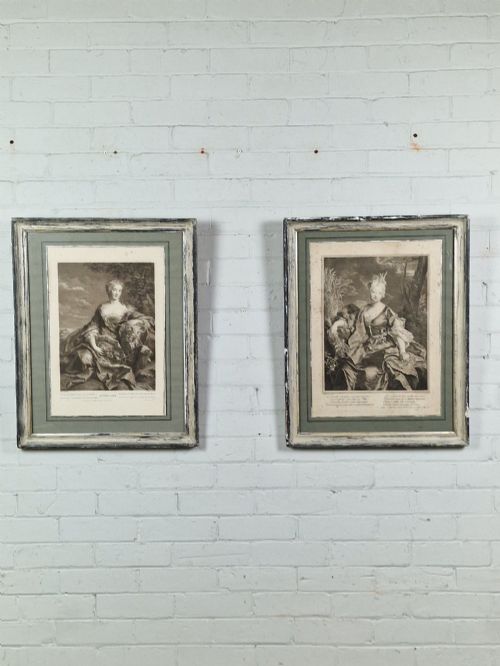






French Wooden Figure
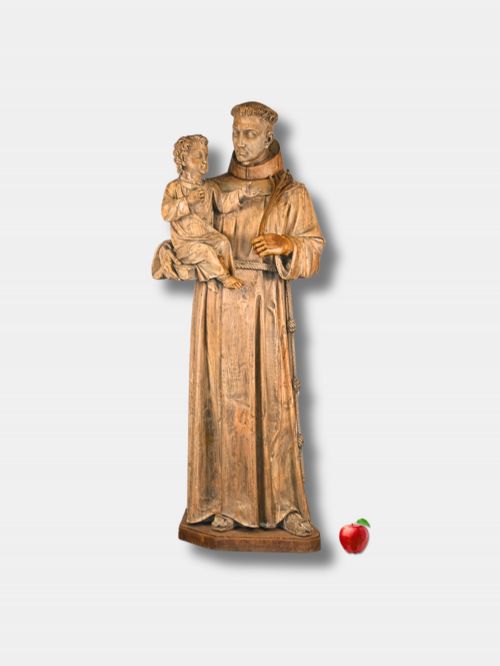
A french wooden figure brings tactile warmth and carved character into a room, spanning rustic folk carvings, religious subjects and articulated studio models.
French Wooden Figure
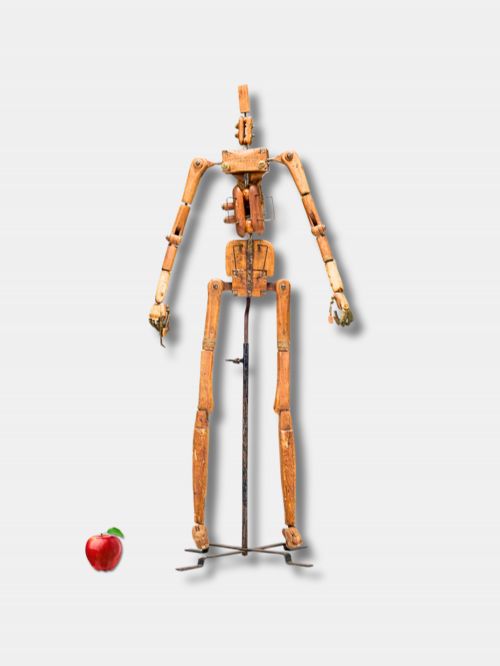
A french wooden figure encompasses everything from functional artist manikins and carousel animals to religious icons and shop displays. These objects bridge utilitarian workshop tools and decorative arts, reflecting centuries of European craftsmanship.
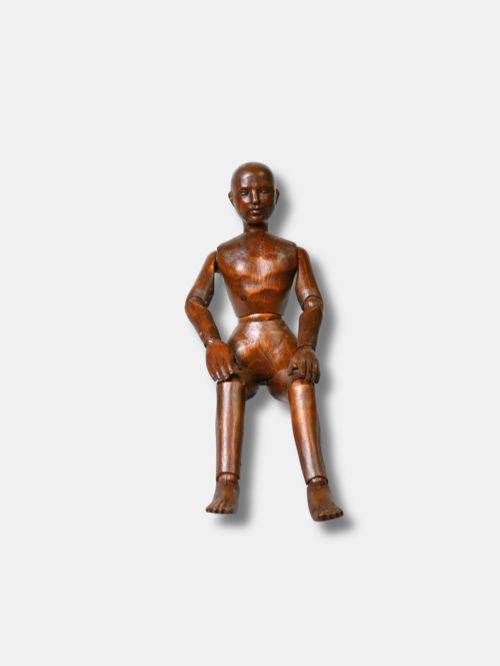
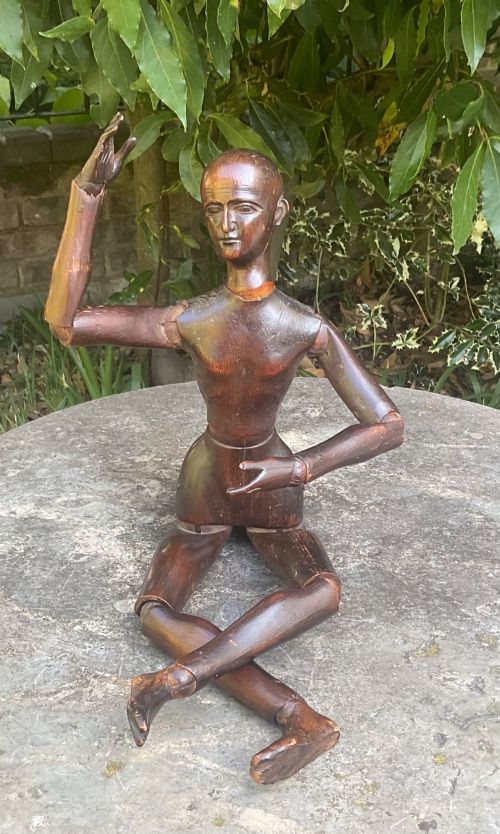
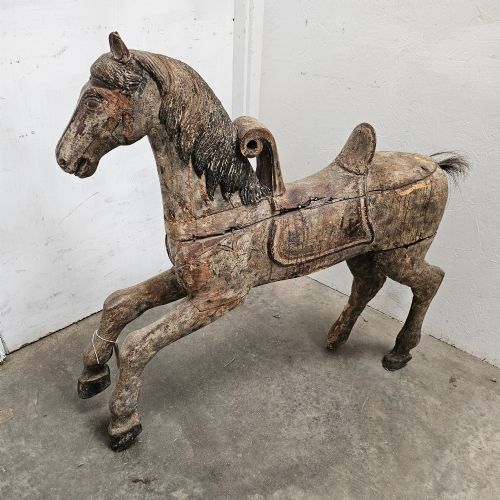
The pieces appearing most frequently range from nineteenth-century articulated lay figures used by painters to folk art animal carvings and seventeenth-century limewood putti. Each form carries distinct physical evidence of its original workshop or studio function.
Origins stretch from eighteenth-century religious carvings to early twentieth-century decorative pieces in teak, fruitwood and limewood. The variety reflects the broad definition of wooden sculpture across French domestic, religious and commercial life.
Materials and construction
Makers shaped these sculptures primarily from carved woods such as teak, fruitwood and limewood, sometimes adding gesso, paint or iron joints to articulated parts. Natural grain and hand-tooled surfaces define the visual weight of each piece.
Studio mannequins required intricate pegged wooden joints to hold human postures for painters, while carousel animals and shop displays relied on solid blocks of timber shaped with chisels and gouges. Pigment and gilding often finish the carved wooden surfaces.
French Wooden Figure Retail Price Guide 2026
Typical asking prices for french wooden figure among the pieces listed under this phrase on Sellingantiques today, from the lower quarter to the upper quarter. They describe what is for sale here now, not the wider market.
A carved wooden pig from a carousel once spun endlessly through French fairgrounds before finding a quiet home off the roundabout.
Assessing quality and survival
Quality rests in the precision of the carving, the smoothness of mechanical articulation in lay figures, and the survival of original surface finishes like polychrome paint or gilding. Pieces that retain their original stands, metal pins or structural integrity demonstrate superior craftsmanship.
The distinction between a standard decorative object and an exceptional survival lies in anatomical proportion, depth of relief in drapery or hair, and honest patina accumulated through decades of studio or shop use.
Francois-pierre Guillois·Eugene Emile Borga
The French Wooden Figure Glossary
- Lay figure
- An articulated wooden mannequin used by artists to arrange drapery and study human anatomy. These manikins feature pegged joints allowing movement at the limbs and torso.
- Putti
- Depictions of plump winged infants or cherubs carved in wood or cast in metal, frequently seen in religious and decorative architectural sculpture from the seventeenth century onward.
- Polychrome
- A painted surface decoration applied to wood, often found on religious figures, carousel animals and folk art carvings to simulate lifelike colour.
- Gesso
- A plaster-like mixture applied to wooden sculptures to provide a smooth base for gilding or fine painting. It records the age of a piece through natural fine crazing.
- Folk art
- Utilitarian or decorative objects made by self-taught or provincial carvers, including shop displays, carousel figures and animal carvings intended for everyday commercial environments.
French Wooden Figure: Frequently Asked Questions
What is an artist lay figure?
An artist lay figure is a fully articulated wooden mannequin designed to hold poses for painters studying drapery and form.
These workshop tools feature pegged wooden joints that allow limbs to move realistically.
How were carousel figures used?
Carousel figures like wooden horses and pigs were mounted on fairground rides for public entertainment during the nineteenth and early twentieth centuries.
Carvers built them from solid timber to withstand heavy outdoor use before finishing them with paint.
How do I care for carved wood?
Carved wood sculptures require stable indoor humidity away from direct heat sources to prevent timber from splitting.
Dusting gently with a dry, soft cloth preserves the original surface finish without moisture damage.
Are religious figures French?
Religious sculptures in wood originate from various European traditions, including French and Spanish workshops dating back to the sixteenth century.
Statues of saints, angels and corpus Christi figures served devotional purposes in churches and homes.
What distinguishes folk art carvings?
Folk art carvings display regional provincial styles intended for commercial shop displays or rural use rather than formal academic display.
Examples include butchers shop figures, carousel animals and animal displays carved with robust charm.