
French Wooden Dressers
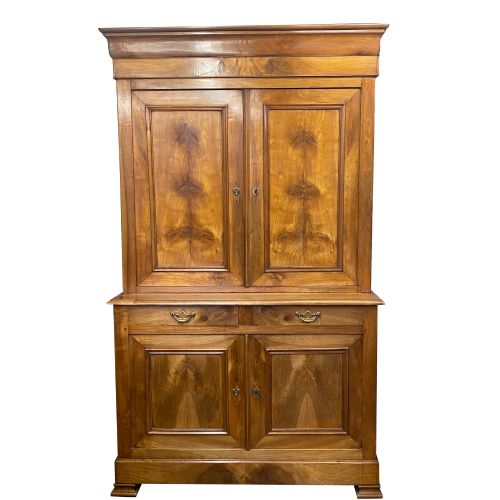
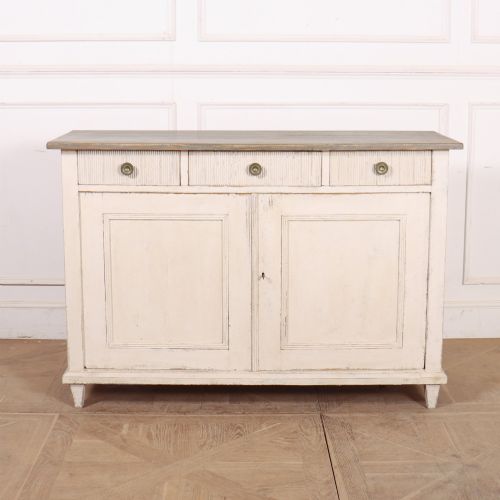
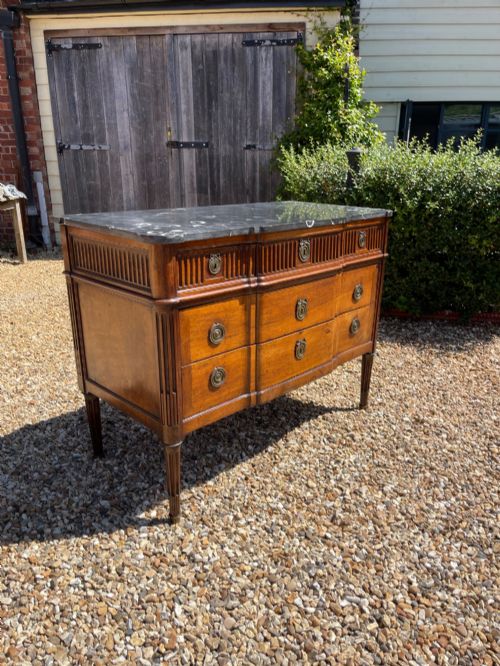
French wooden dressers encompass robust provincial sideboards, elegant commodes and tall cupboards spanning the eighteenth and nineteenth centuries.
French Wooden Dressers
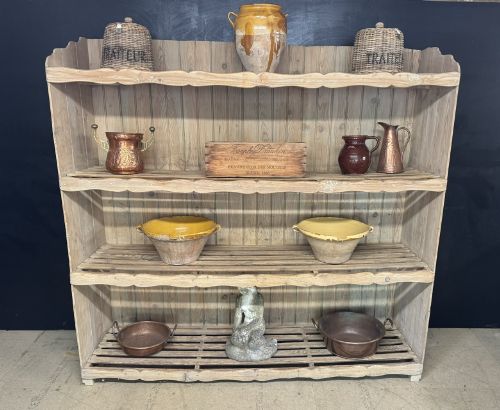
These pieces encompass a diverse group of storage furniture, primarily appearing as commodes, sideboards, buffets and cupboards. When searching for French wooden dressers, buyers frequently encounter provincial chests of drawers and serving tables rather than traditional kitchen dressers with upper plate racks.
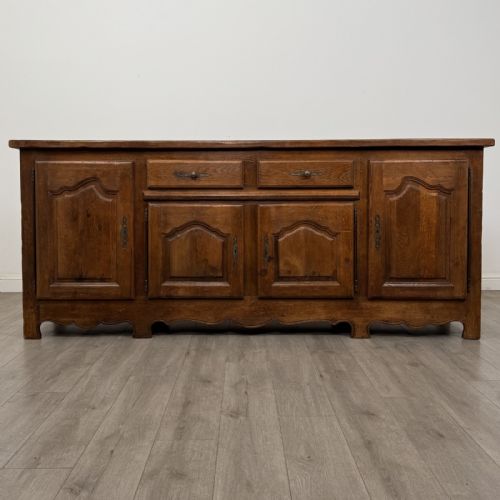
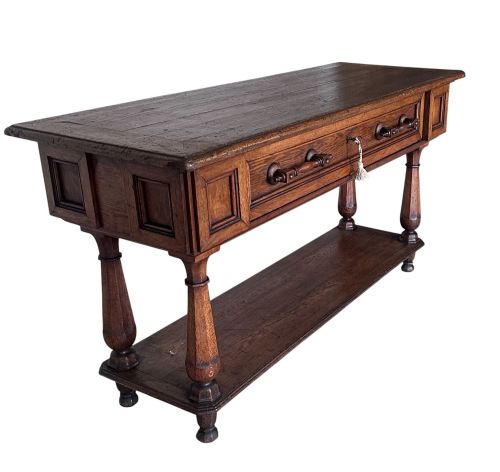
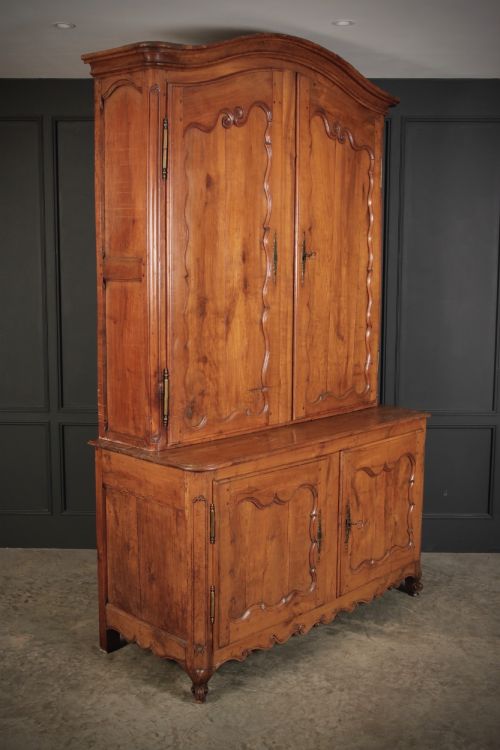
The materials and forms reflect regional traditions across France, spanning centuries of cabinet-making. Examples range from eighteenth-century walnut and cherrywood commodes to nineteenth-century oak buffets and painted storage cabinets.
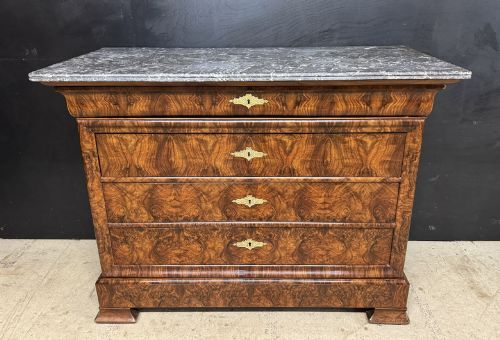
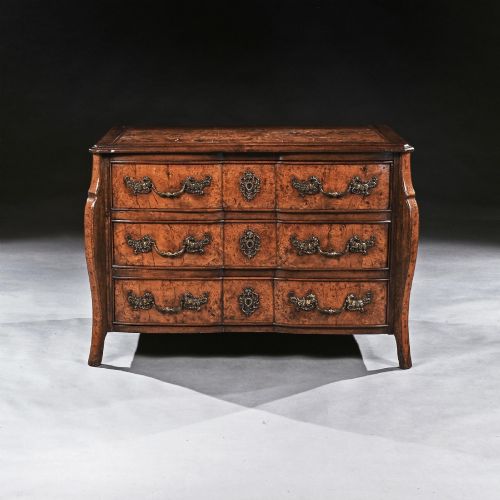
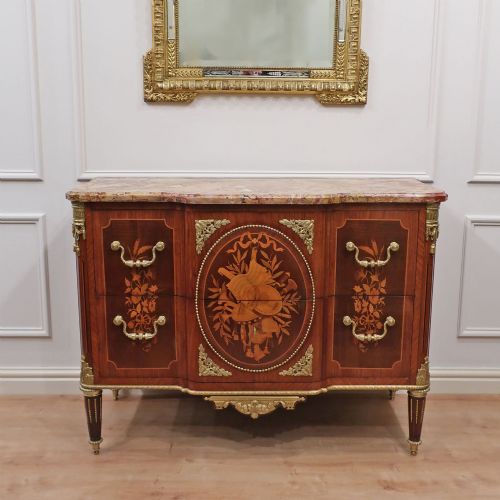
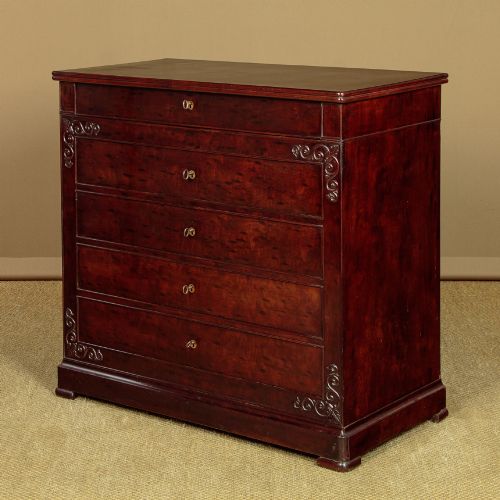
Construction styles vary from restrained Louis Philippe models to ornate Louis XV serpentine shapes and rustic country pieces. Buyers find both solid timber constructions and sophisticated parquetry or marquetry surfaces.
Materials and Construction Techniques
Timber selection defines these pieces, with craftsmen utilising native woods including oak, walnut, cherrywood, chestnut and burr elm. Artisans frequently built carcasses from solid local timber, applying finer veneers for decorative surface patterns.
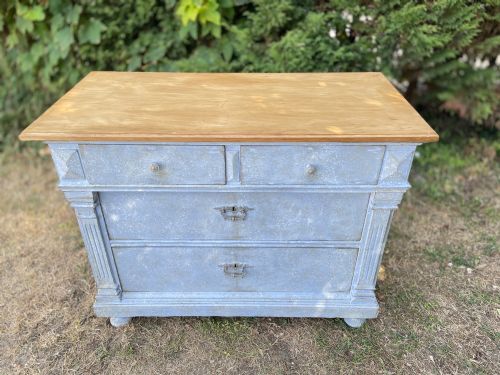
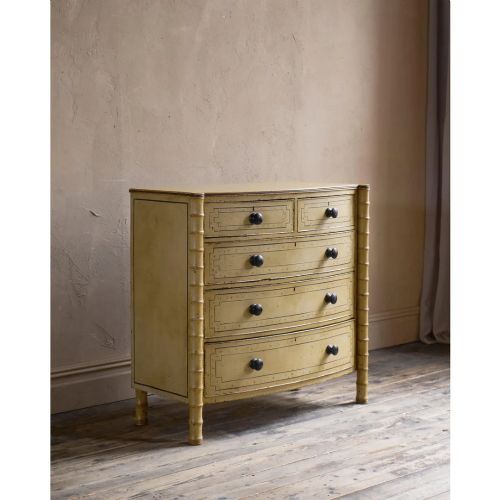
Surface detailing incorporates brass hardware, iron fittings and marble tops on commodes and sideboards. Painted finishes, ebonising and intricate marquetry or parquetry inlay demonstrate advanced joinery and decorative skill.
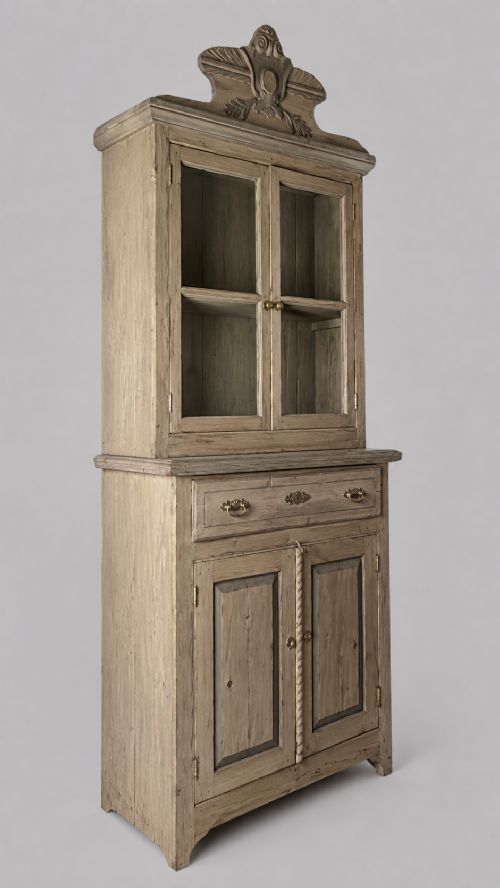
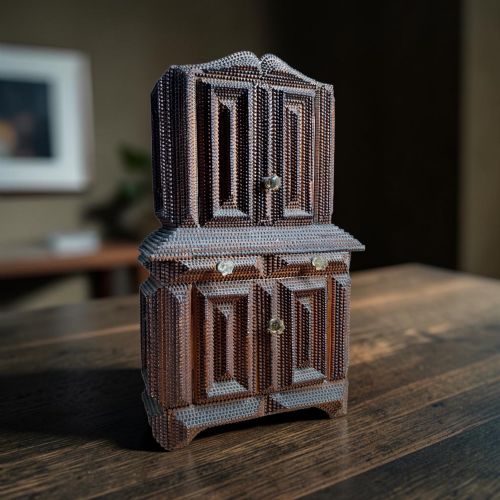
Object types include housekeeping cupboards, bakers racks, bombe commodes and diamond-point cabinets.
Gradations in Craftsmanship
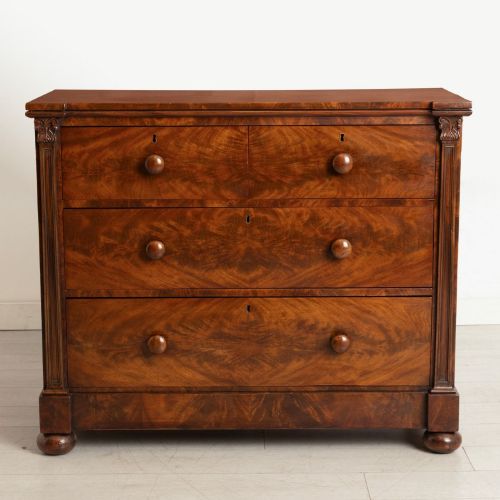
The sophistication of the joinery and the selection of timber dictate the standard of execution. Fine pieces exhibit precise dovetailing, balanced proportions and harmonious grain matching across drawers and panelled doors.
Original hardware, integrated marble slabs and sophisticated surface treatments such as diamond-point moulding or marquetry elevate the status of a piece. Simpler provincial items rely on robust construction and honest utility rather than elaborate ornamentation.
Edwards and Roberts
The French Wooden Dressers Glossary
- Commode
- A low chest of drawers or cabinet originating in France during the seventeenth century. These units typically feature two or more drawers and often incorporate marble tops.
- Bombe
- A swollen, bulging profile characteristic of certain eighteenth-century furniture forms. This curved silhouette requires advanced woodworking skill to execute successfully.
- Parquetry
- Geometric wood inlay patterns arranged to create decorative surfaces on tabletops and drawer fronts. Artisans utilise contrasting timber tones to build visual depth.
- Marquetry
- The art of applying veneer slices to form pictorial or floral designs on furniture panels. This technique contrasts with simpler parquetry through its organic motifs.
- Provincial
- Denoting furniture made in regional areas outside Paris, often displaying robust proportions and local timber choices. These pieces combine utility with distinct regional character.
French Wooden Dressers: Frequently Asked Questions
What is a French dresser base?
A dresser base typically refers to a low storage unit with drawers or cupboards, functioning similarly to a sideboard or buffet rather than a tall shelving unit.
These pieces served functional storage roles in French dining rooms and kitchens, providing sturdy surfaces for food preparation and serving.
How do I identify a provincial commode?
Provincial commodes display simpler lines, local timbers like cherrywood or chestnut, and regional construction methods distinct from urban Parisian work.
They often feature understated carving and practical proportions suited to country houses rather than grand chateaux.
Are marble tops original to these pieces?
Many commodes and sideboards incorporate fitted marble tops, particularly nineteenth-century examples designed for functional utility.
Marble provided a durable, heat-resistant surface for serving and washing within French domestic interiors.
How do I care for antique wood furniture?
Maintain timber furniture by keeping it away from direct heat sources and sudden humidity changes to prevent wood movement.
Apply traditional beeswax periodically to nourish the surface and preserve the natural patina of the wood.