

French Wooden Cupboard
When you search for a french wooden cupboard, you are looking at substantial storage pieces built from oak, walnut, pine, and cherry.
French Wooden Cupboard
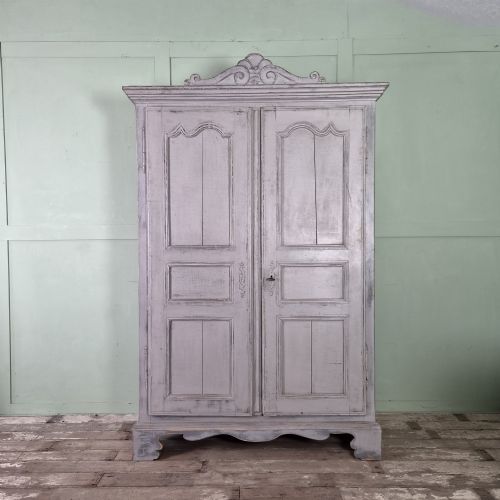
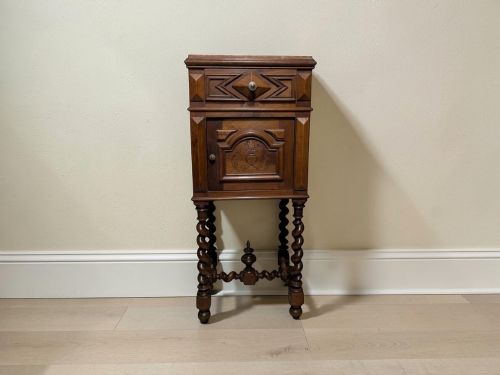
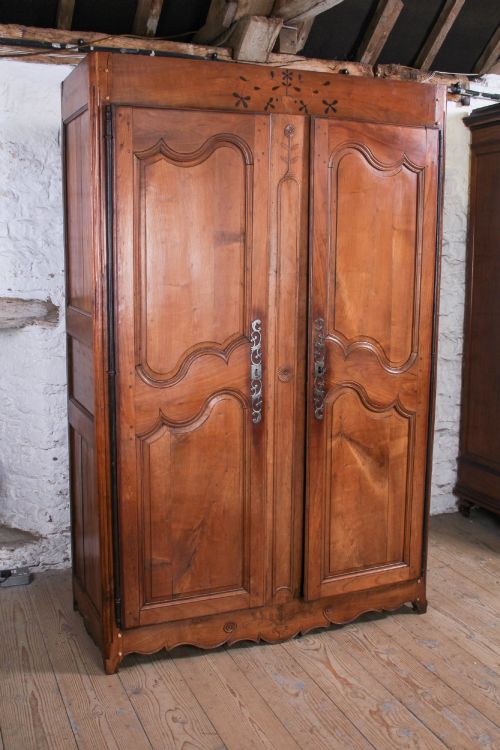
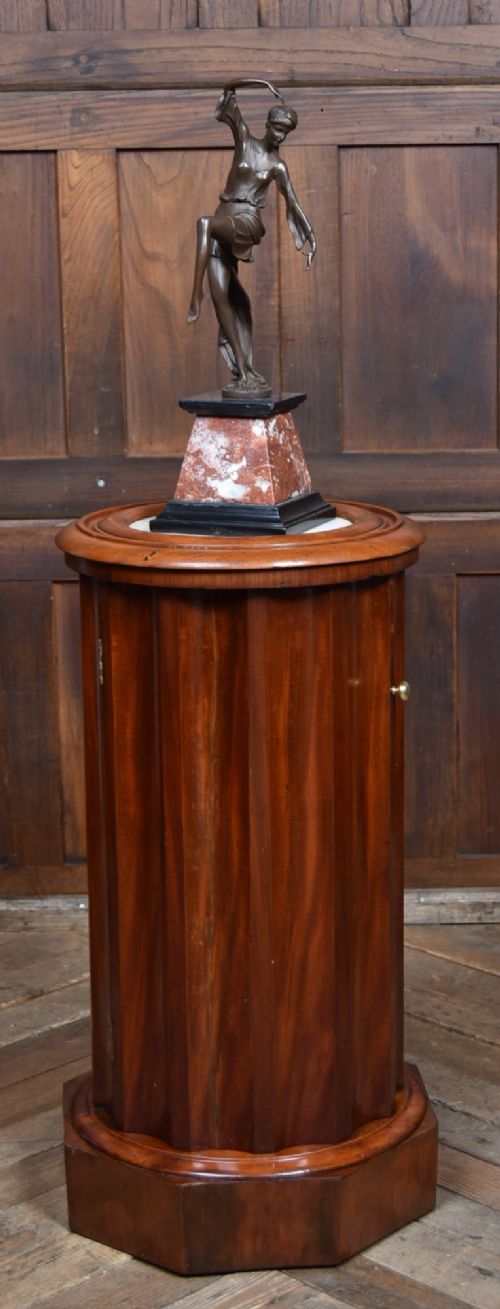
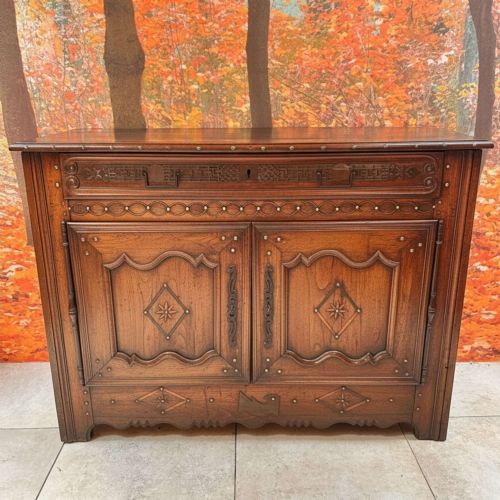
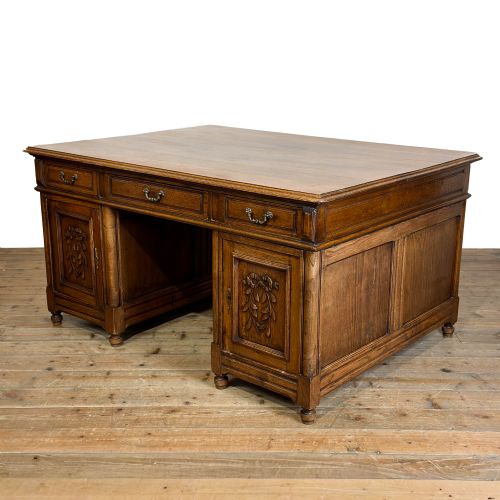
A french wooden cupboard encompasses a varied selection of antique storage furniture, ranging from tall armoires and wardrobes to compact bedside tables and jam cupboards. The pieces span multiple centuries, with significant representation from the eighteenth and nineteenth centuries alongside early twentieth-century designs.
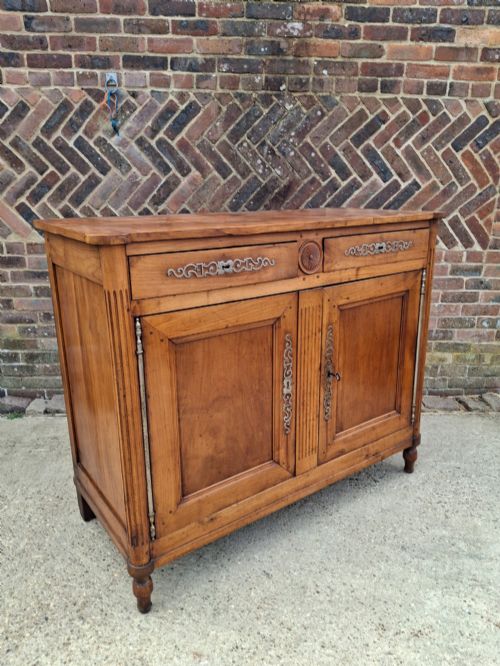
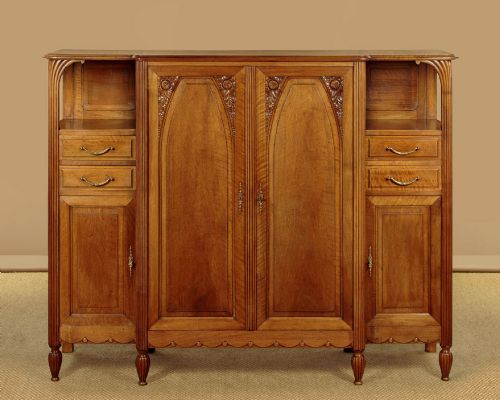
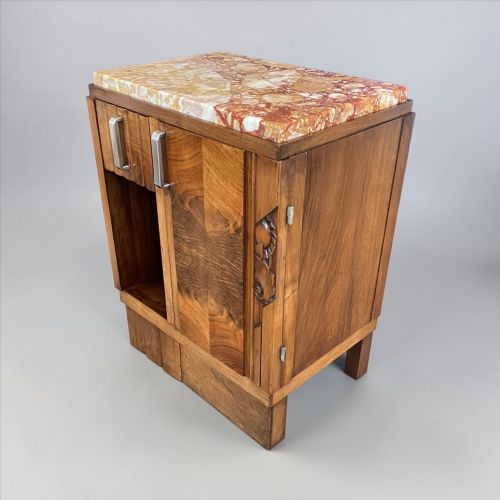
The regional and stylistic diversity is broad, featuring provincial and country pieces alongside revival styles such as Louis XV and Louis XVI, as well as Art Deco variations. Forms include sideboards, buffets, vitrines, and specialised items like confituriers and dough bins.
Buyers most frequently encounter nineteenth-century pine wardrobes, oak armoires, and walnut bedside cabinets. These items reflect the domestic storage needs of French homes across generations, utilising native timbers suited to each region's cabinet-making traditions.
How they were made
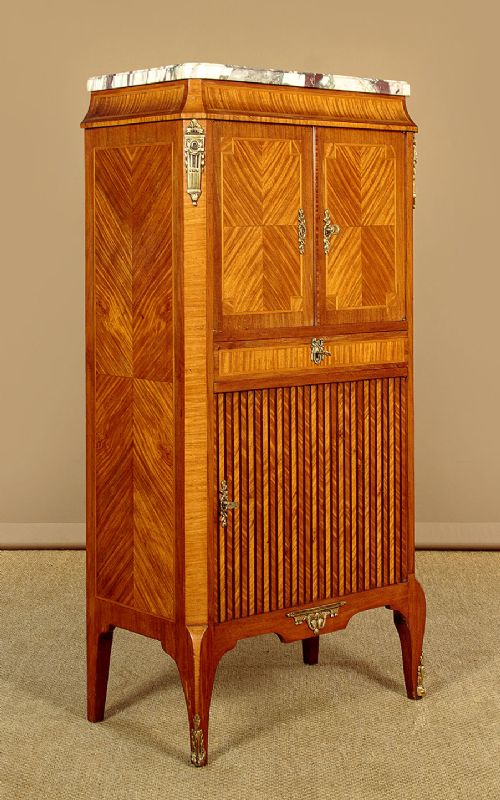
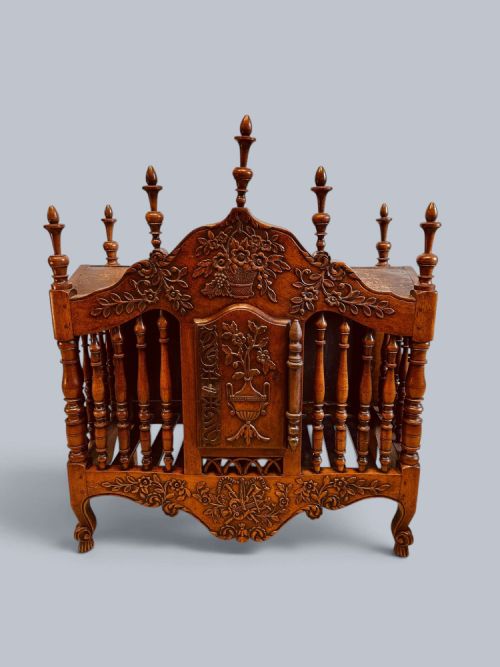
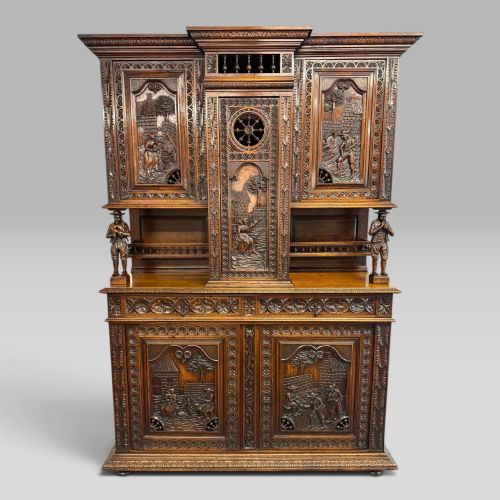
Cabinet makers constructed these cupboards using solid hardwoods and softwoods including oak, walnut, cherry, and pine, frequently enhanced by decorative veneers like kingwood, mahogany, and burr walnut. Construction methods relied on traditional joinery techniques, dovetail joints for drawers, and hand-carved panels.
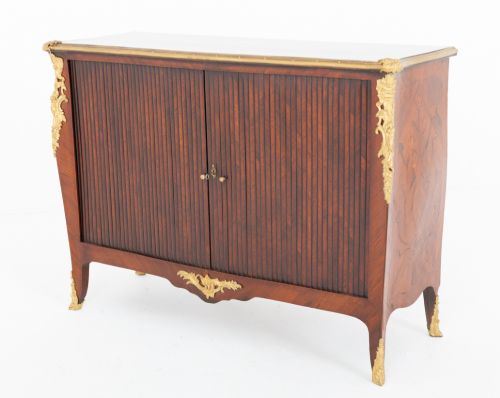
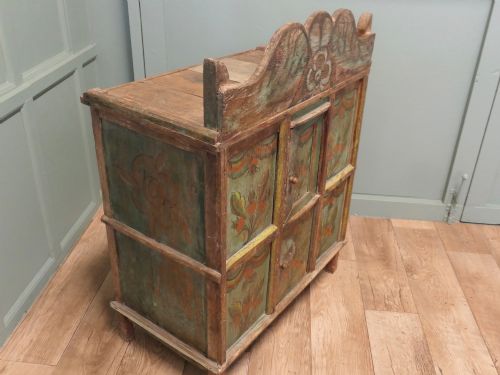
Surface finishes vary significantly from polished natural grain and waxed patinas to painted, glazed, and faux bamboo treatments. Metal elements such as brass handles, ormolu mounts, and iron hinges provide functional support and decorative contrast to the timber frames.
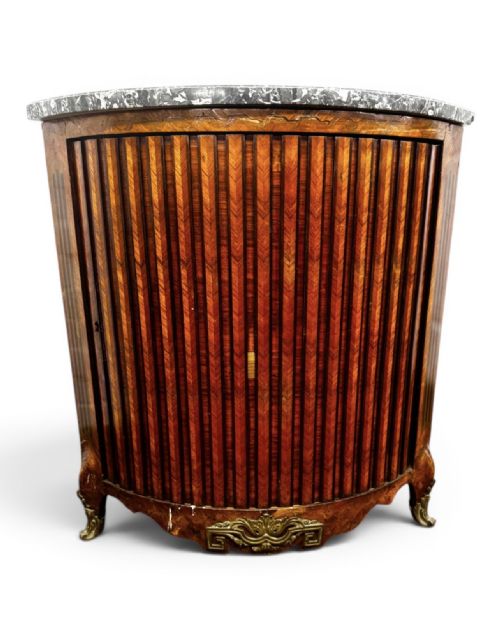
Inlaid marquetry and parquetry work appear on finer examples, incorporating contrasting woods to create geometric or floral patterns across doors and panels. Specialised hardware like tambour fronts and marble tops also feature in specific periods and revival styles.
French Wooden Cupboard Retail Price Guide 2026
Typical asking prices for french wooden cupboard among the pieces listed under this phrase on Sellingantiques today, from the lower quarter to the upper quarter. They describe what is for sale here now, not the wider market.
Several cupboards retain the faint, sweet scent of stored orchard fruits and beeswax accumulated over a century in provincial French farmhouses.
What varies in quality
The grade of timber and the ambition of the joinery set pieces apart, distinguishing simple utilitarian storage from fine cabinet-making. Dense, mature hardwoods and intricate hand-carving indicate higher workshop standards than plain structural pine.
The integrity of surface treatments and decorative details determines the visual success of a piece. Original painted finishes, well-executed marquetry, and high-grade brass or ormolu mounts elevate the status of a cupboard significantly.
Proportion and scale dictate desirability, particularly in large items like armoires and double wardrobes where balanced door panels and cornices define the silhouette.
The French Wooden Cupboard Glossary
- Armoire
- A tall wardrobe or cupboard, traditionally used for storing clothes and linens. These large pieces often feature double doors and substantial interior depth.
- Confiturier
- A small French jam cupboard or cabinet, typically standing at waist height with a single door and drawer. They were originally designed to store preserves.
- Marquetry
- Decorative veneer work where small pieces of contrasting wood are arranged to form pictorial or geometric patterns on furniture surfaces. This technique requires considerable skill from the maker.
- Ormolu
- Gilt bronze mounted onto furniture as decorative hardware or accents. The technique involves applying a mercury and gold amalgam to bronze.
- Tambour
- A flexible sliding shutter formed from narrow strips of wood glued to a canvas or leather backing. This allows doors to curve around the corners of cabinets.
French Wooden Cupboard: Frequently Asked Questions
What is a confiturier?
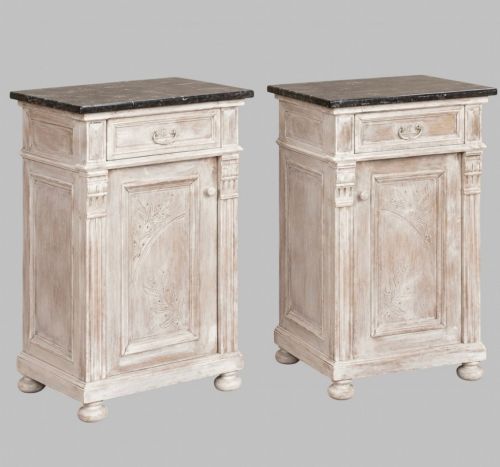
A confiturier is a traditional French jam cupboard designed for storing preserves and household provisions. These compact cabinets typically feature a single door above or below a small drawer.
They stand at a convenient height and work well in modern settings as bedside tables or small hallway cabinets. Their modest proportions make them versatile for rooms with limited space.
How do I date an antique wooden cupboard?
Dating relies on examining the timber species, construction methods, tool marks, and stylistic indicators such as carved motifs or hardware. Eighteenth-century pieces often display hand-sawn boards and pegged joinery.
Later nineteenth-century and twentieth-century items incorporate machine-cut elements and standardised fittings. Comparing the piece to documented revival styles also helps narrow down the decade of manufacture.
How do I care for antique pine and walnut?
Maintenance involves keeping wooden cupboards away from direct heat sources and dramatic humidity fluctuations that cause timber to split. Regular dusting with a soft cloth preserves the surface.
Applying a traditional beeswax polish periodically nourishes the grain and maintains the patina. Avoid modern silicone sprays, which can damage historic finishes over time.