









French Wooden Coffer
A french wooden coffer provides robust historic storage, bringing rustic warmth and solid joinery into modern rooms.
French Wooden Coffer
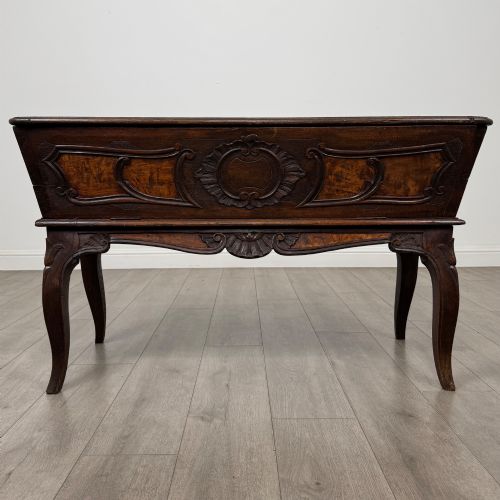
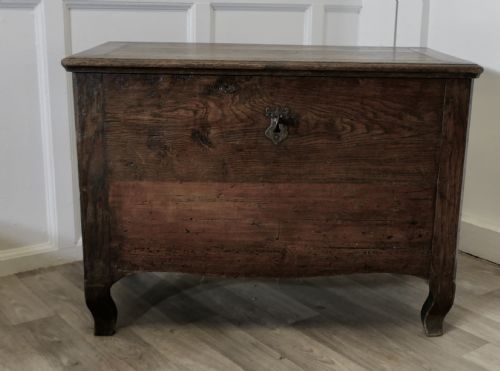
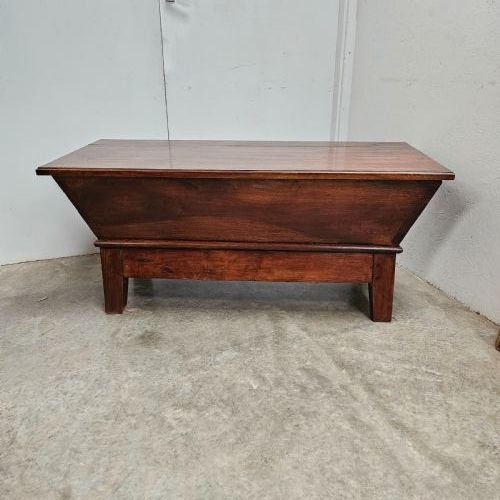
A french wooden coffer serves as a sturdy box designed for holding household goods, linens, or valuables across centuries of domestic use. Buyers seeking these items encounter robust oak examples from the seventeenth and eighteenth centuries alongside later nineteenth-century variations like dough bins and blanket boxes.
Regional pieces display simple provincial construction whilst other items show formal revival carving or iron reinforcement. Oak forms the primary material, accompanied by walnut, chestnut, elm, and cherrywood depending on the local timber traditions of the workshop.
How they were made
Joiners built these coffers using solid timbers joined with pegged mortise and tenon construction to withstand heavy daily demands. Carpenters shaped panels with hand planes and chisels, often adding wrought iron hinges, hasps, and carrying handles for structural security.
Surfaces received hand-carved decorative motifs, linenfold patterns, or simple waxed finishes that preserved the natural grain of the wood. Specialised forms like dough bins utilised tight-fitting timber lids to support bread making and proofing.
French Wooden Coffer Retail Price Guide 2026
Typical asking prices for french wooden coffer among the pieces listed under this phrase on Sellingantiques today, from the lower quarter to the upper quarter. They describe what is for sale here now, not the wider market.
What varies in quality
Quality rests in the integrity of the timber selection, the crispness of the hand-carved detail, and the retention of original iron hardware. Pieces retaining their primary baseboards, hinges, and locks command greater attention from collectors.
The sophistication of the proportions and the depth of the patination accumulated through generations of handling distinguish finer examples from standard utility boxes.
Louis Vuitton
The French Wooden Coffer Glossary
- Coffer
- A large wooden chest used for storing valuables, documents, or clothes. These heavy boxes typically feature hinged lids and sturdy construction.
- Dough bin
- A specialised wooden container with a sloping or flat lid designed for mixing and proving bread dough. They often double as low tables or cupboards.
- Mortise and tenon
- A traditional woodworking joint where a protruding tongue fits snugly into a matching cavity to lock two pieces of timber together firmly.
- Wrought iron
- Iron shaped by hammering whilst hot, frequently utilised for functional hinges, hasps, and reinforcing straps on early storage boxes.
- Patina
- The deep surface sheen and mellow colour developed on wood through age, handling, and repeated waxing over many decades.
French Wooden Coffer: Frequently Asked Questions
What was a french wooden coffer used for originally?
These boxes stored precious textiles, household documents, food provisions, and personal belongings safely away from damp floors and pests.
Over time, specific forms evolved for domestic tasks such as storing bread dough or securing legal deeds.
How do I care for antique wood furniture?
Keep wooden coffers away from direct heat sources and dramatic humidity shifts to prevent the timber from splitting or warping.
Apply a traditional beeswax polish occasionally to nourish the surface and maintain the natural lustre of the old finish.
How can I tell the age of a coffer?
Examine the construction methods, tool marks, and fixings used in the assembly of the panels and joints.
Hand-cut timbers, wrought iron hardware, and deep natural patination usually point towards seventeenth or eighteenth-century origin.
Where should I place a coffer in my home?
These versatile storage pieces function effectively as coffee tables in living areas, blanket boxes at the foot of beds, or seating benches in hallways.
Their flat lids and sturdy frames allow them to double as display surfaces for lamps or decorative objects.