





French Wooden Bureau
These french wooden bureau pieces bring writing history into a room through walnut, mahogany, and marquetry.
French Wooden Bureau
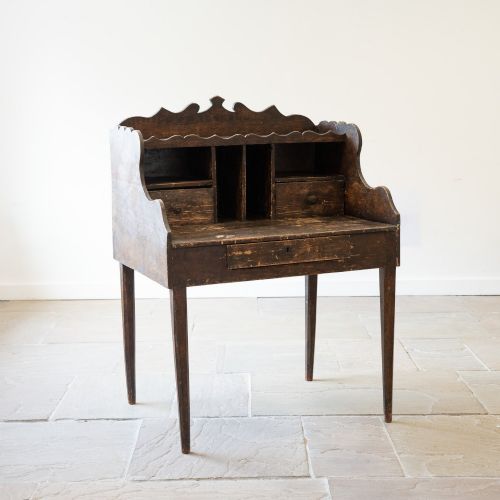
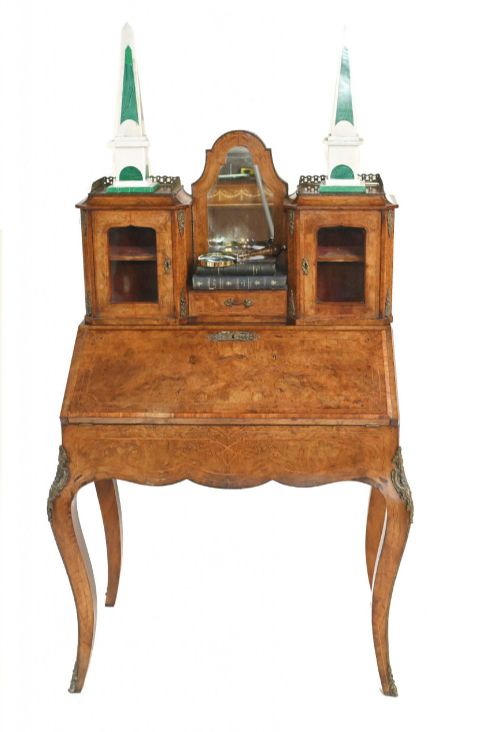
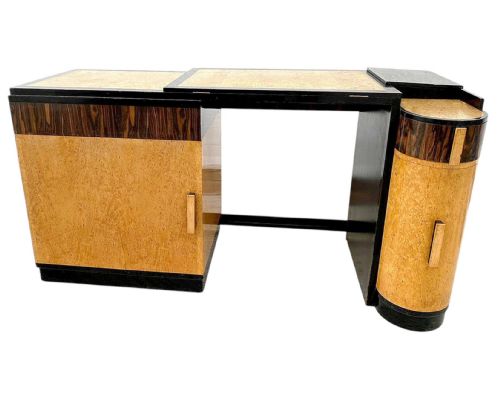
A french wooden bureau serves as a writing desk and storage piece, taking forms such as the bureau plat, bonheur du jour, and secretaire abattant. These items originate across the nineteenth and eighteenth centuries, reflecting styles from Louis XV to Art Deco.
Buyers encounter walnut, mahogany, and kingwood examples on this page, often finished with brass and ormolu mounts. The forms range from bombe shaped writing furniture to ladies desks and partners desks.
Materials and construction
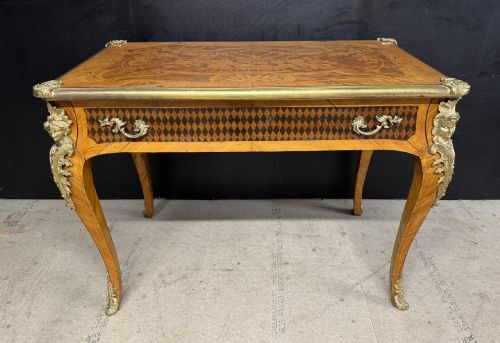
Cabinet makers utilised hardwoods including walnut, mahogany, maple, and rosewood, frequently applying parquetry and marquetry patterns across the surfaces. Timber selection governed the structural strength and visual grain of each desk.
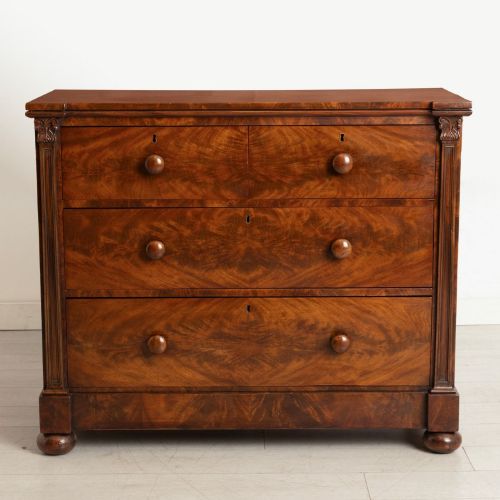
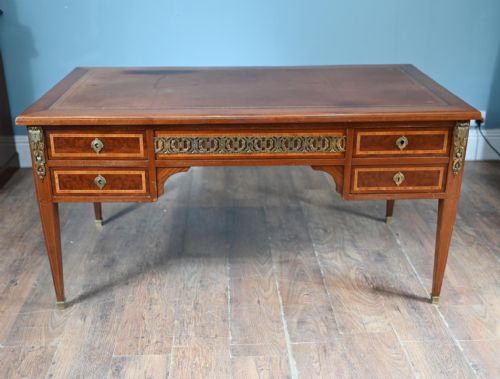
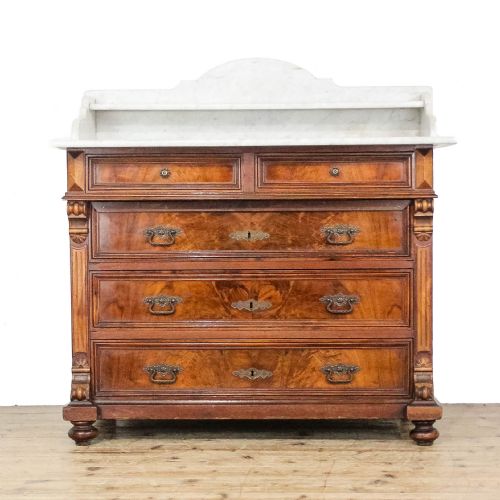
Mounts in ormolu and brass accent the wood structures, while leather inserts provide writing surfaces on bureau plat examples. Marble tops appear on specific continental chests of drawers and related forms.
French Wooden Bureau Retail Price Guide 2026
Typical asking prices for french wooden bureau among the pieces listed under this phrase on Sellingantiques today, from the lower quarter to the upper quarter. They describe what is for sale here now, not the wider market.
Secret compartments hidden behind sliding panels allowed writers to keep their letters safe from prying eyes.
Distinctions in quality
The refinement of the marquetry and parquetry inlay work separates standard examples from exceptional pieces. Precise hand-cut timber patterns require advanced cabinet making skill.
The weight and detail of the cast ormolu mounts indicate the standard of production. Superior items feature crisp chasing on the brass and bronze elements.
Étienne Kohlmann
The French Wooden Bureau Glossary
- Bonheur Du Jour
- A light ladies writing desk featuring a small cabinet or set of drawers on the upper surface. This form gained popularity during the eighteenth and nineteenth centuries.
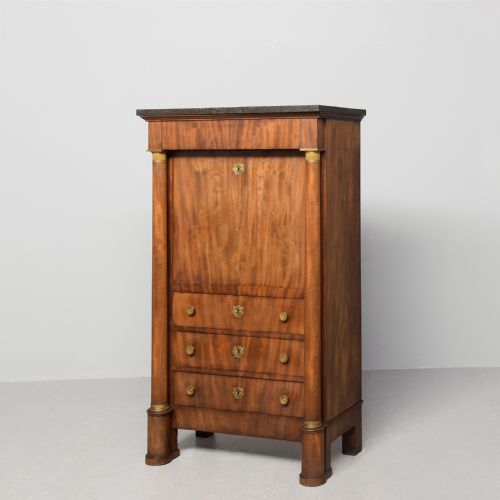
- Secretaire Abattant
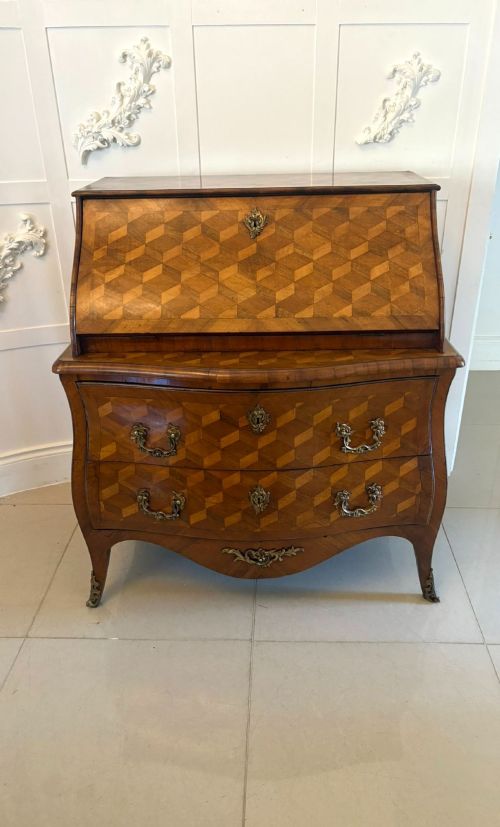
- A tall upright cabinet with a fall front writing flap that conceals inner compartments and small drawers. It combines storage with a compact writing surface.
- Parquetry
- Geometric wood inlay patterns arranged to form decorative surfaces on furniture. Craftsmen use contrasting timber veneers for this technique.
- Ormolu
- Gilt bronze mounts applied to furniture for decorative effect. The technique involves coating bronze with a mercury and gold amalgam.
French Wooden Bureau: Frequently Asked Questions
What is a french wooden bureau?
A french wooden bureau is a writing desk or cabinet designed for correspondence and document storage. These pieces encompass various forms including slope front desks and flat tables.
Craftsmen built them in woods like walnut, mahogany, and kingwood, often decorating the exteriors with intricate marquetry and metal mounts.
How do I identify an 18th century bureau?
Eighteenth century pieces typically exhibit heavier timber framing, hand-cut dovetail joints, and distinct period styles like Louis XV or early bombe curves. Walnut and early mahogany feature prominently in these items.
Examining the underside and interior secondary woods helps confirm the period of construction alongside the exterior decorative techniques.
Where were these desks placed?
Owners placed these desks in studies, libraries, and private drawing rooms for managing personal correspondence and financial records. Freestanding bureau plat designs sat away from walls in the centre of rooms.
Smaller ladies desks like the bonheur du jour functioned in intimate sitting spaces and private chambers.
What is the difference between a bureau plat and a secretaire?
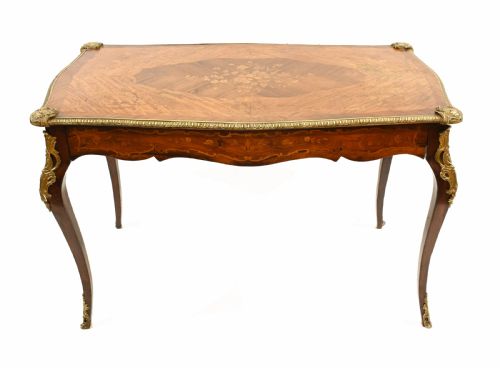
A bureau plat is a flat table with a horizontal writing surface and drawers beneath, designed to be viewed from all sides. It remains open for immediate writing use.
A secretaire abattant stands vertically as a cabinet with a drop-down flap that conceals interior pigeonholes and compartments when closed.