






French Wood Planter
A French wood planter brings botanical elegance indoors, combining rich timbers with ornate metalwork for timeless interior display.
French Wood Planter
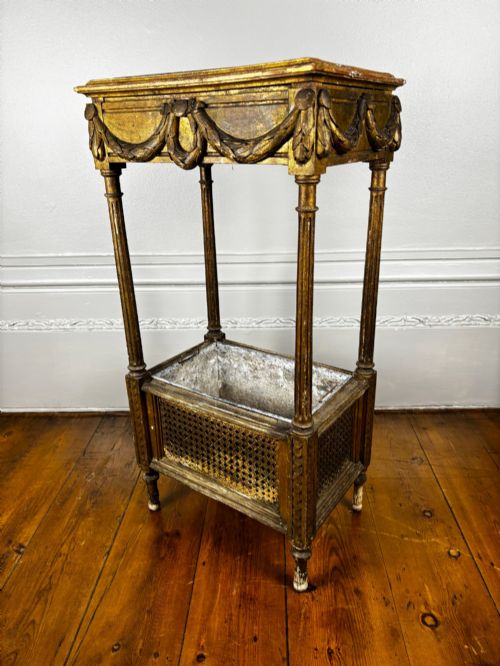
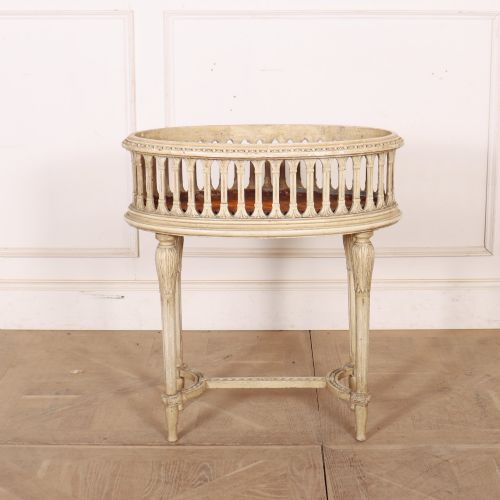
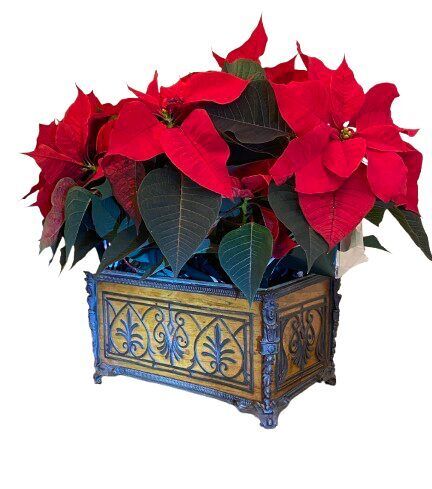
When searching for a french wood planter, collectors encounter sophisticated jardinieres and plant stands designed to showcase greenery within formal reception rooms. These pieces originate primarily from the nineteenth century, encompassing periods such as the Victorian era and the Belle Epoque.
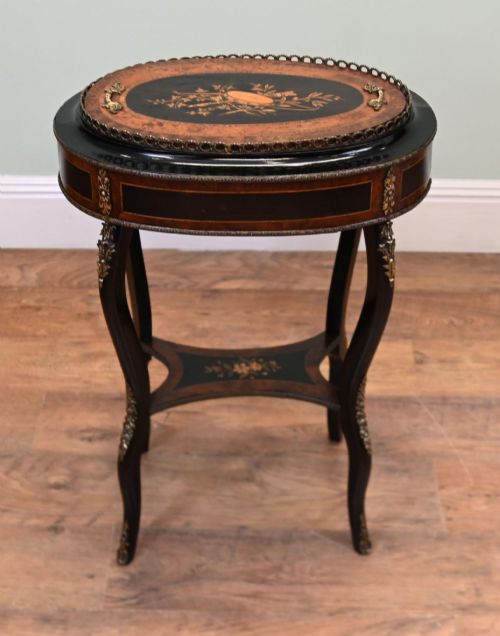
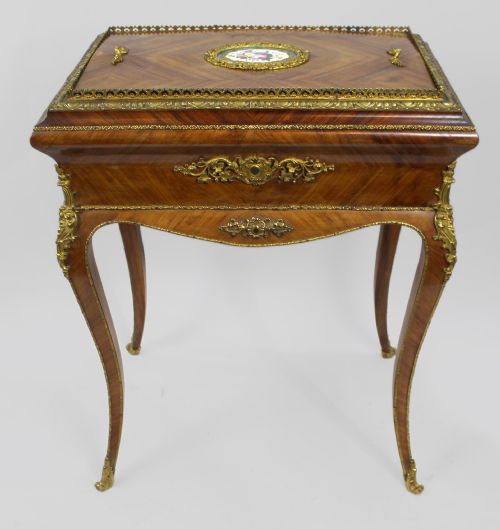
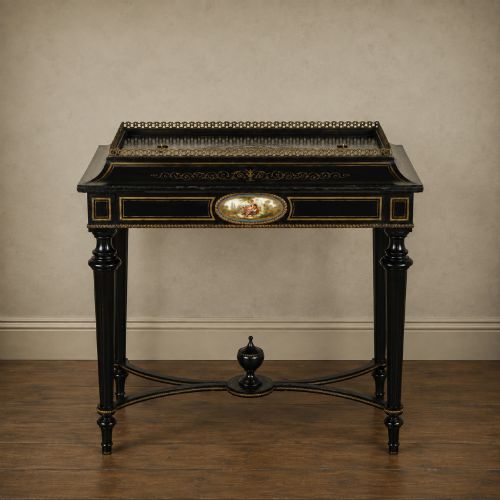
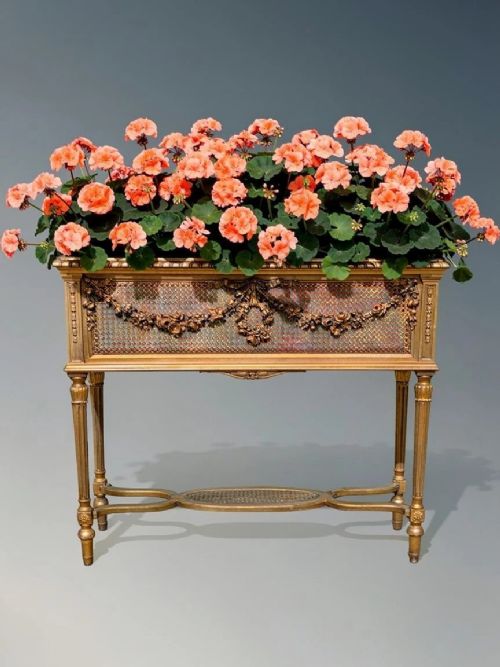
Makers drew upon classical design vocabularies, producing items styled in the manner of Louis XV, Louis XVI, and Napoleon III. Buyers frequently discover pieces enhanced by painted porcelain plaques, ormolu mounts, and delicate marquetry inlays.
Materials and construction
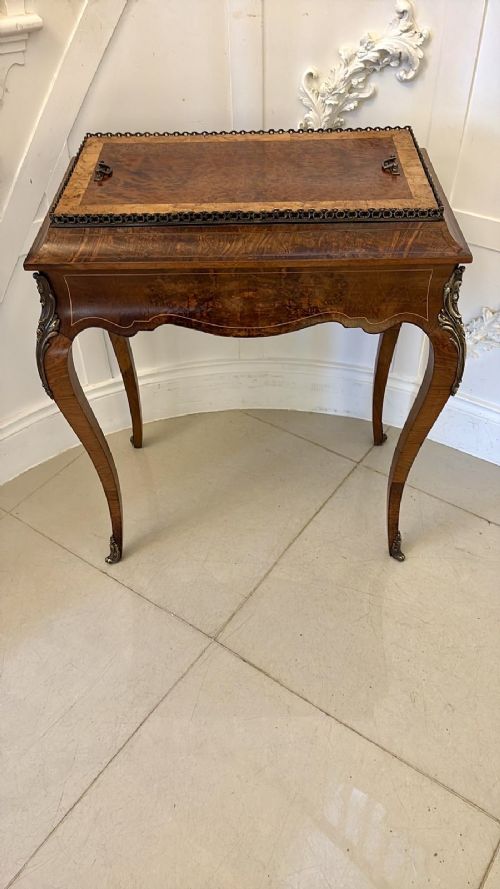
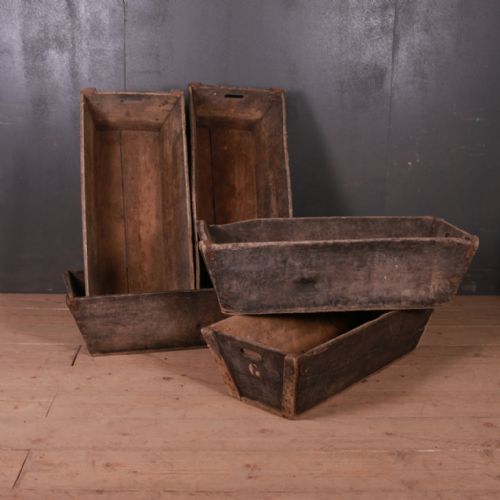
Cabinetmakers utilised dense exotic hardwoods like kingwood, amboyna, and walnut as the primary structural bodies for these planters. These timbers were often shaped with curved contours or finished with meticulous geometric inlays.
Metal embellishments played a crucial role in the fabrication, featuring cast ormolu and polished brass mounts to accentuate corners and legs. Artisans also integrated hand-painted ceramic plaques into the wooden frameworks for added visual contrast.
French Wood Planter Retail Price Guide 2026
Typical asking prices for french wood planter among the pieces listed under this phrase on Sellingantiques today, from the lower quarter to the upper quarter. They describe what is for sale here now, not the wider market.
Distinguishing quality
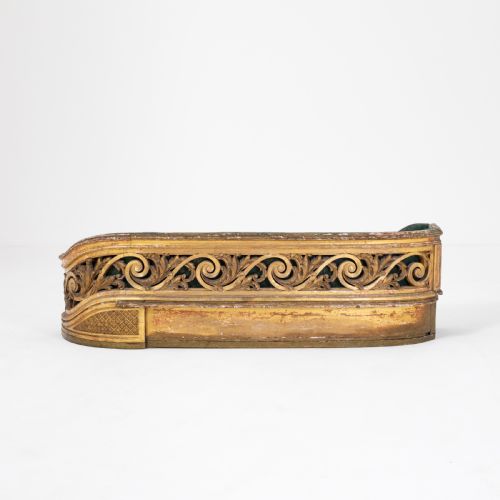
Superior examples distinguish themselves through the crispness of the giltwood carving and the precision of the timber inlay work. The integration of high-grade porcelain plaques and heavy, finely chased ormolu mounts signals superior workshop execution.
Construction methods also separate standard items from exceptional specimens, particularly the structural integrity of the internal liners and the smoothness of joint assembly. Pieces that retain their original surface patination and undamaged metalwork command greater appreciation.
The French Wood Planter Glossary
- Jardiniere
- An ornamental pot or stand designed for holding plants or flowers. These vessels often feature decorative stands or raised tables in nineteenth-century interiors.
- Ormolu
- Gilded bronze or brass applied to furniture mounts and decorative hardware. This technique provides a bright golden accent against dark ebonised or walnut timbers.
- Kingwood
- A dense, richly figured tropical wood prized in fine cabinetmaking. French artisans utilised this timber for striking veneer patterns on sophisticated planters.
- Faux Bois
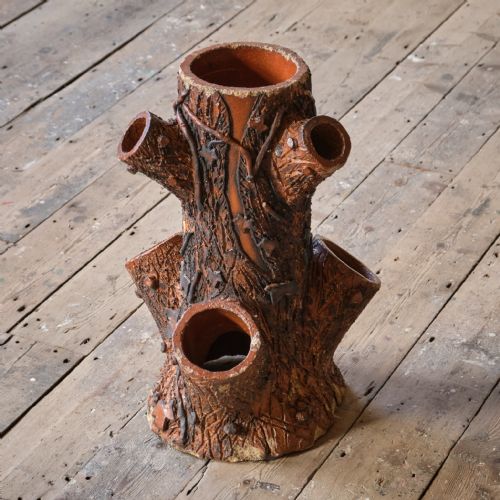
- An artistic imitation of wood or tree bark applied to various media. This rustic style appears on garden planters and specialised botanical vessels.
- Marquetry
- Decorative patterns formed by fitting small pieces of veneer into wooden panels. Craftsmen used contrasting woods to create intricate floral or geometric designs.
French Wood Planter: Frequently Asked Questions
What is a jardiniere table?
A jardiniere table combines a display surface with a waterproof well or inset trough designed for live plants. These pieces functioned as decorative room dividers or window table displays in nineteenth-century drawing rooms.
They allowed homeowners to incorporate greenery directly into formal interior schemes without risking water damage to surrounding carpets and furniture.
How were these planters used historically?
Wealthy households utilised these containers to display exotic ferns, palms, and flowering plants within domestic living spaces. They brought garden elements indoors during formal entertaining.
Many designs included removable metal liners to catch drainage water and protect the wooden structure from moisture.
How do I identify Napoleon III planters?
Napoleon III pieces typically feature ebonised wood surfaces combined with bold ormolu mounts and inset porcelain plaques. This mid-to-late nineteenth-century style drew heavy inspiration from earlier royal French courts.
Expect dark finishes, symmetrical proportions, and a high degree of decorative ornamentation across the wooden frame.
Where should I place a antique planter?
These pieces suit entrance halls, drawing rooms, or bright garden rooms where their timber grain and metal mounts catch ambient light. They function effectively as standalone sculptural objects or functional plant holders.
Protect the internal surfaces with modern waterproof liners if placing live potted plants inside antique wooden troughs.