


French Wood Mirror
A French wood mirror brings the understated elegance of continental design into a room, reflecting light through centuries of artisan heritage.
French Wood Mirror
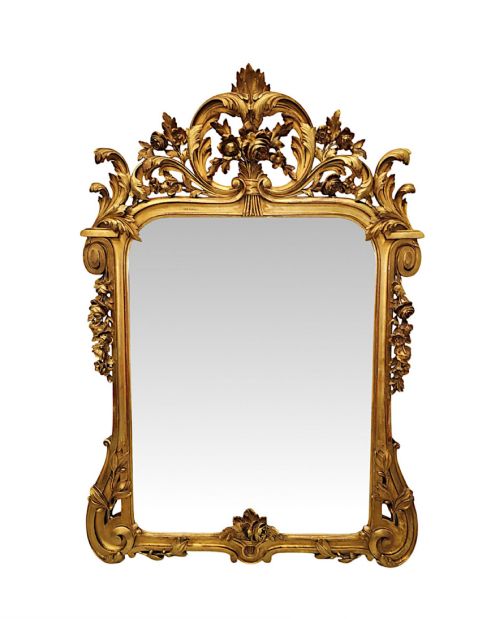
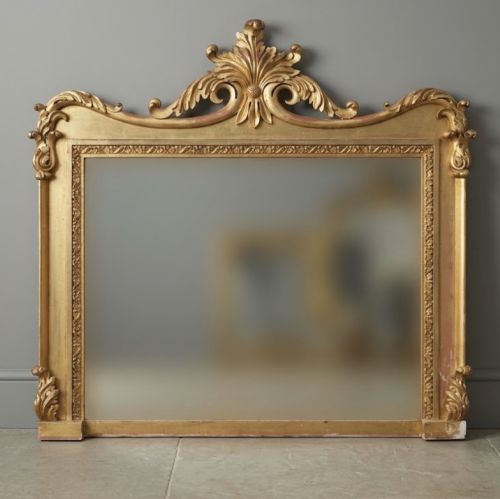
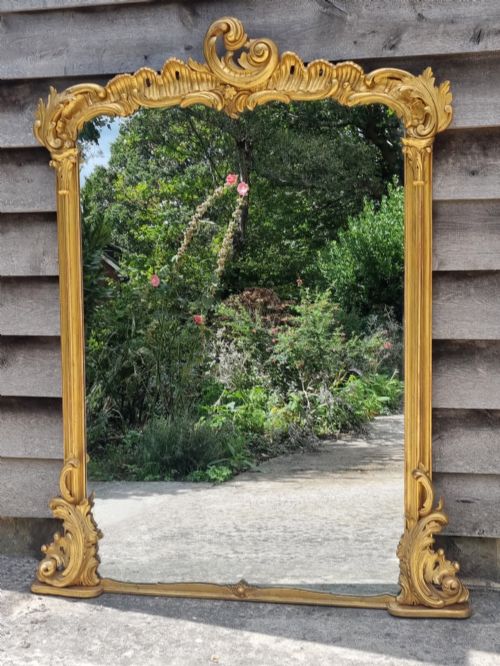
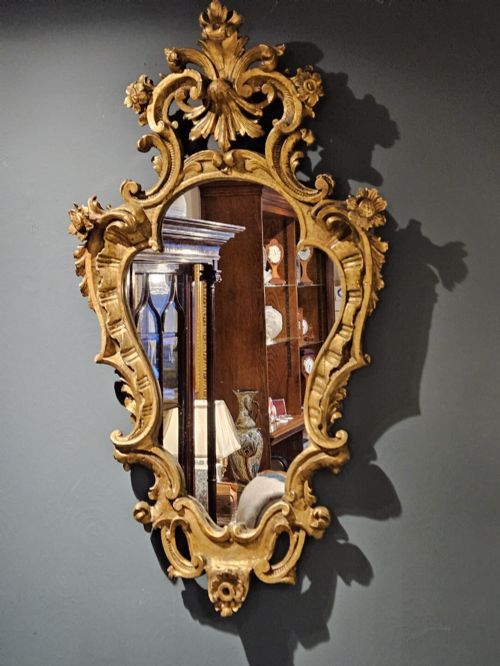
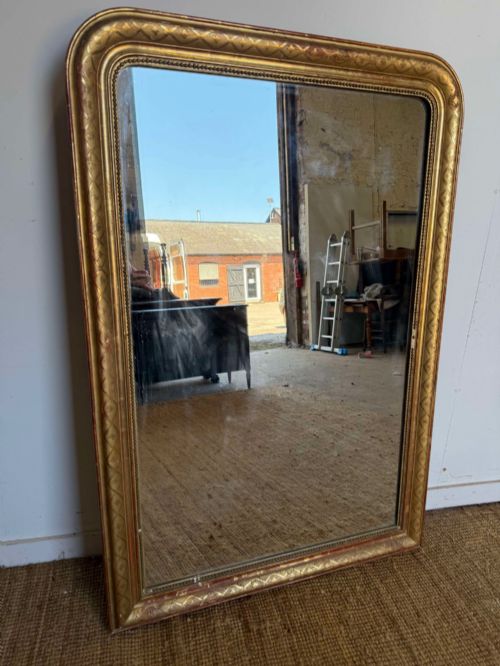
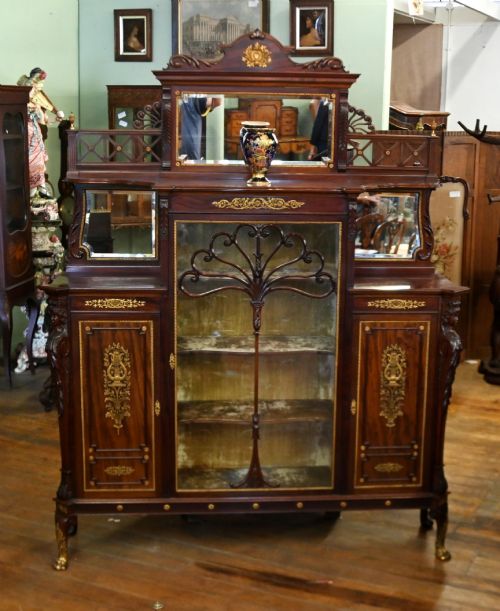
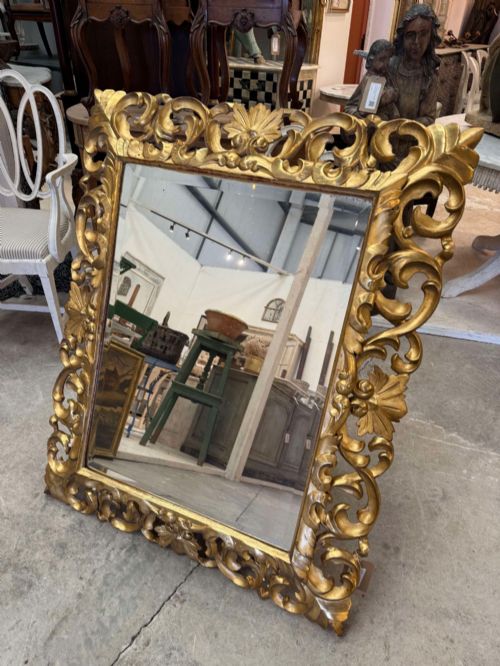
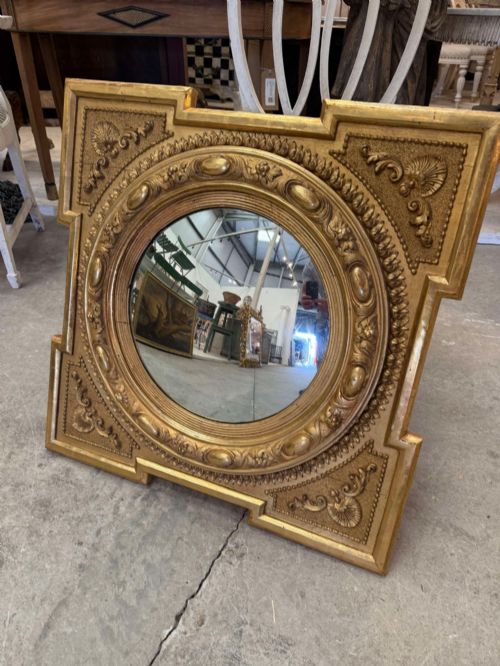
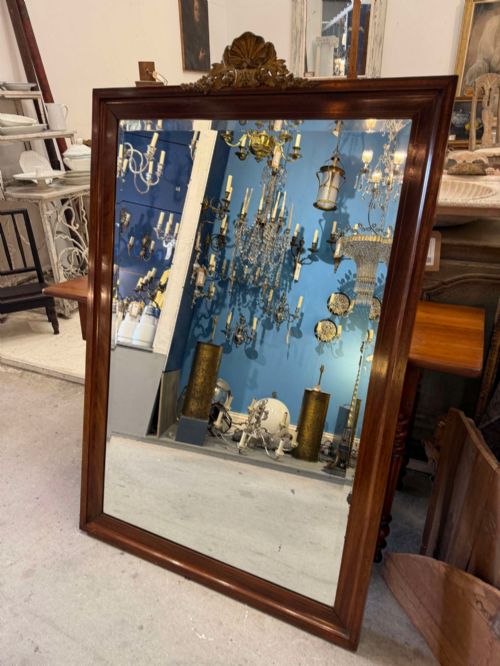
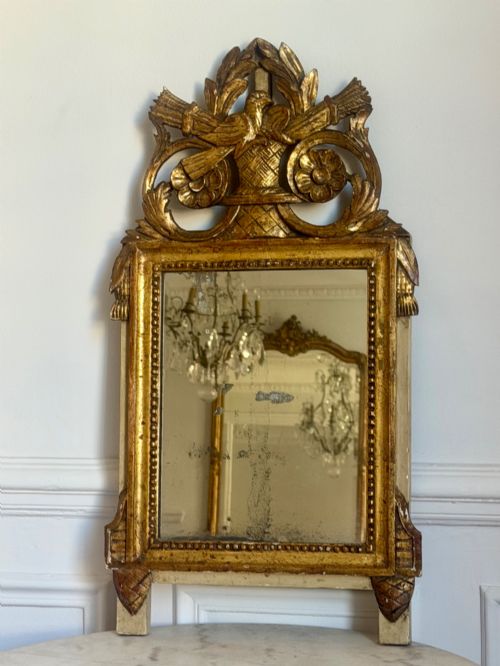
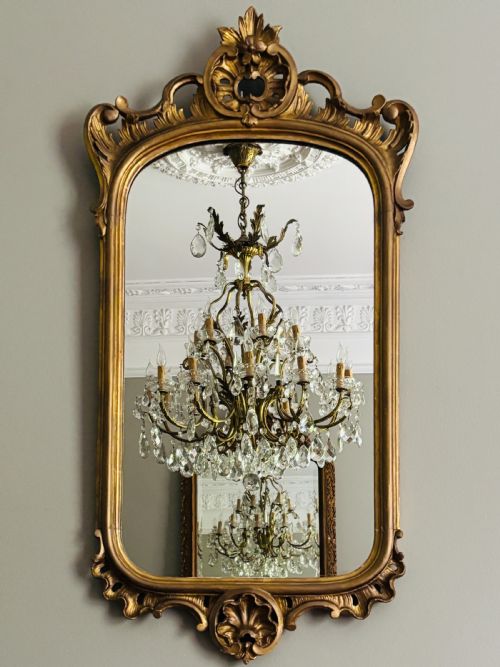
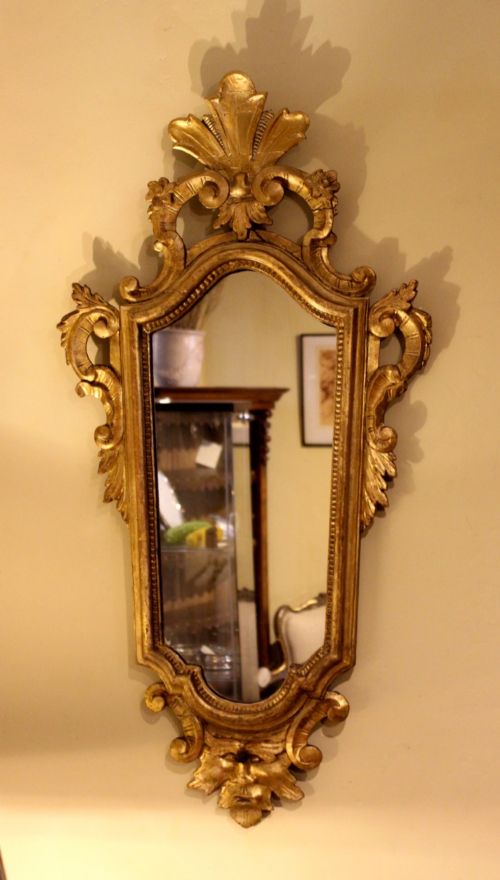
A french wood mirror is a decorative looking glass framed in timber, often finished with gesso and gold leaf to highlight intricate carved details. Buyers searching for a french wood mirror typically encounter nineteenth-century pieces bearing the restrained curves of the Louis Philippe style or the ornate flourishes of Rococo revival. These items function primarily as wall mirrors, grand overmantel mirrors, or tall leaner mirrors designed to anchor a room.
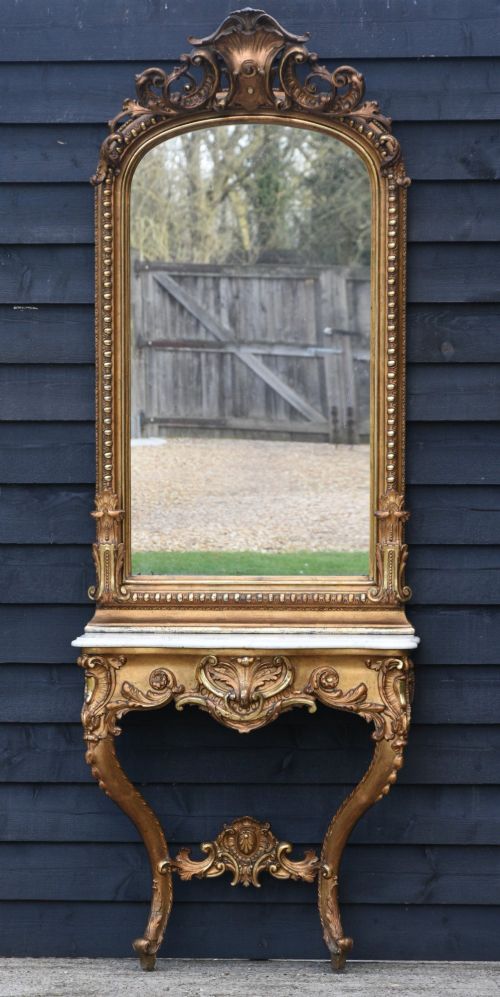
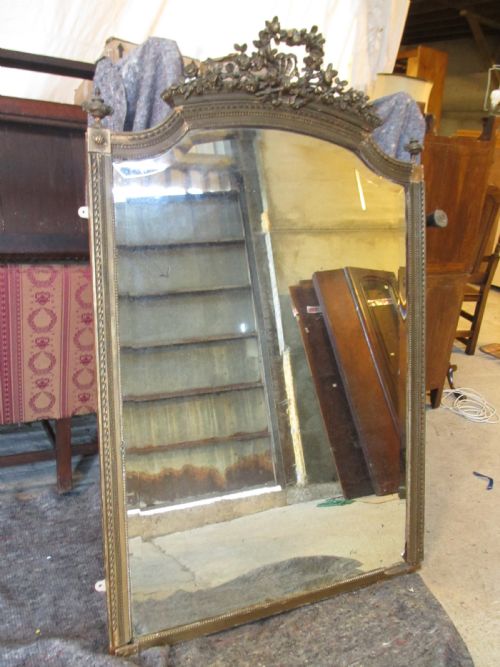
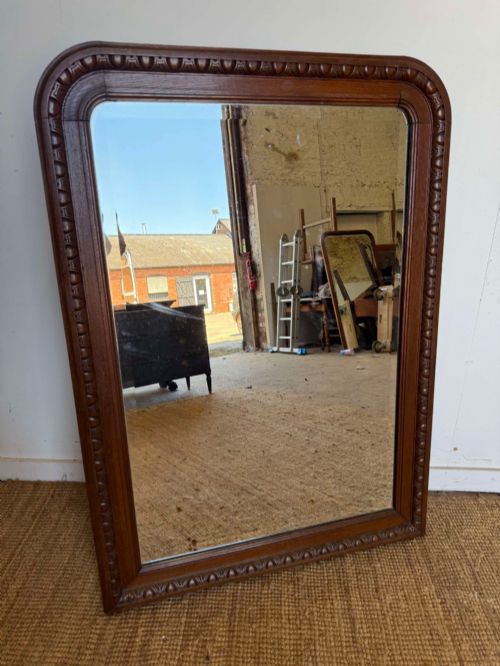
The selection ranges from simple rectangular wooden frames to large architectural pieces with crests and shaped tops. Pieces span from the eighteenth century through the late nineteenth century, including neoclassical designs and Napoléon III examples. Alongside standard wall mirrors, the category occasionally encompasses related furniture forms such as dressing tables and console tables.
Materials and construction methods
Frames are constructed from carved wood, burr walnut, or constructed timber bases built to support heavy glass panels. Artisans applied layers of gesso over the wooden substrate to create a smooth surface suitable for intricate carving and gilding. Gold leaf and water gilding techniques provided the brilliant metallic finish seen on many surviving examples.
Mirrors utilise either early mercury glass, identifiable by its mottled dark speckling and deep reflection, or later bevelled glass plates. Frames frequently incorporate carved wooden motifs such as leaves, rope twists, or neoclassical swags. Structural joinery and wooden backboards support the heavy weight of the glass.
French Wood Mirror Retail Price Guide 2026
Typical asking prices for french wood mirror among the pieces listed under this phrase on Sellingantiques today, from the lower quarter to the upper quarter. They describe what is for sale here now, not the wider market.
Materials recorded across current items include carved wood, gesso, giltwood, and original mercury mirror glass.
Assessing craftsmanship and condition
Quality rests in the crispness of the hand-carved wooden details and the delicacy of the gesso application beneath the gilt finish. Superior examples display deep, three-dimensional carvings on the crest and frame rather than shallow, moulded resin substitutes. The integrity of the original wood and the secure mounting of the heavy glass plate dictate the structural standard.
The authenticity and preservation of the reflective plate matter significantly, with original mercury glass holding distinct historical interest. Surface wear, such as bare gesso showing through worn areas of gilt, alters the visual character but can indicate genuine age and period untouched status.
Arsène Rochette of Versailles
The French Wood Mirror Glossary
- Giltwood
- Wood that has been coated with a thin layer of gold leaf or gold paint. This technique creates a luminous metallic surface that defines many antique frames.
- Gesso
- A plaster-like mixture applied to wood frames to create a smooth base for carving and gilding. It allows craftsmen to fashion sharp, intricate relief details.
- Mercury glass
- A type of double-walled silvered glass produced in the nineteenth century. It often develops characteristic dark speckles and foxing over time.
- Louis Philippe
- A mid-nineteenth-century French style characterised by clean, rounded upper corners and minimal ornamentation. It offers a softer alternative to earlier revivals.
- Overmantel mirror
- A large mirror specifically designed to hang above a fireplace mantel. These pieces often feature wide horizontal proportions and substantial architectural frames.
French Wood Mirror: Frequently Asked Questions
How do I identify a genuine period french wood mirror?
Examine the construction of the wooden frame, the backboards, and the fixings. Older pieces often show hand-cut joinery, heavy timber frames, and traditional gesso applications beneath the surface metal.
Check the glass for signs of age, such as mercury backing or bevelling techniques consistent with nineteenth-century manufacturing methods. The presence of wear and natural oxidation on the frame and mirror plate further supports period authenticity.
How do I hang a heavy antique overmantel mirror?
Secure hanging requires locating wall studs and using heavy-duty brackets or French cleats rated to support substantial weight. Because these mirrors feature solid wood frames and thick glass plates, standard picture hooks are insufficient.
Many large overmantel mirrors are designed to rest securely on a mantelpiece while being anchored to the wall for safety. Professional installation ensures the wooden frame and historic fixings remain undamaged.
How should I care for a giltwood mirror frame?
Dust the carved wooden frame gently with a soft, dry brush to prevent the accumulation of dirt within the intricate gesso details. Avoid using liquid cleaners, chemical polishes, or abrasive cloths, which can strip away the delicate gold leaf.
Keep the mirror away from direct sunlight and excessive moisture to protect the timber substrate and prevent the gesso from cracking. Professional conservation is recommended if the gilding begins to flake.