




French Wood Box
A french wood box brings warmth and tactile depth to a room while keeping small treasures neatly organised.
French Wood Box
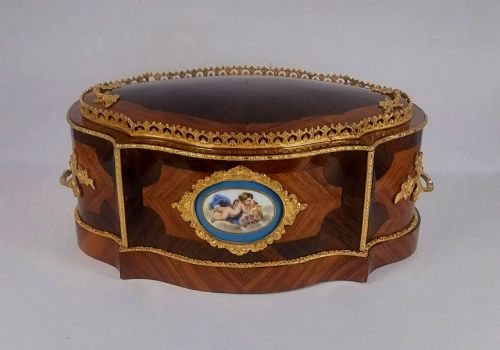
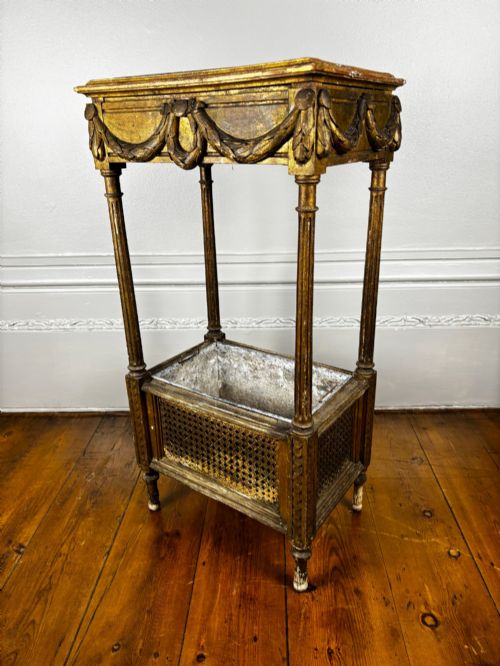
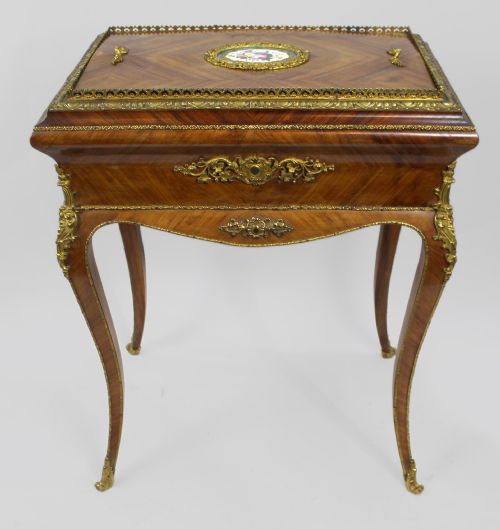
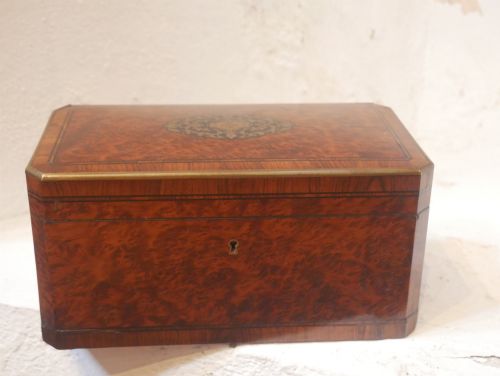
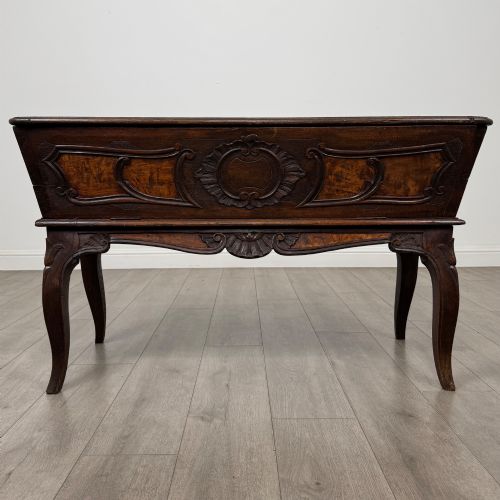
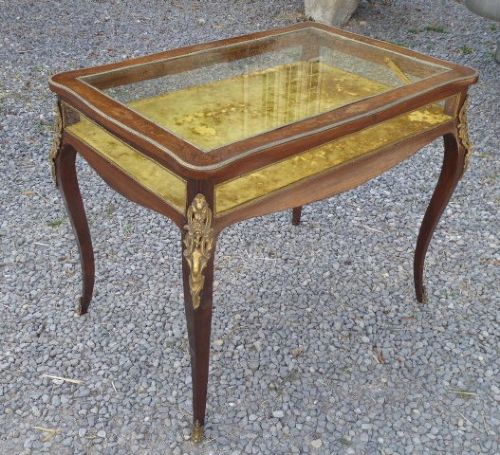
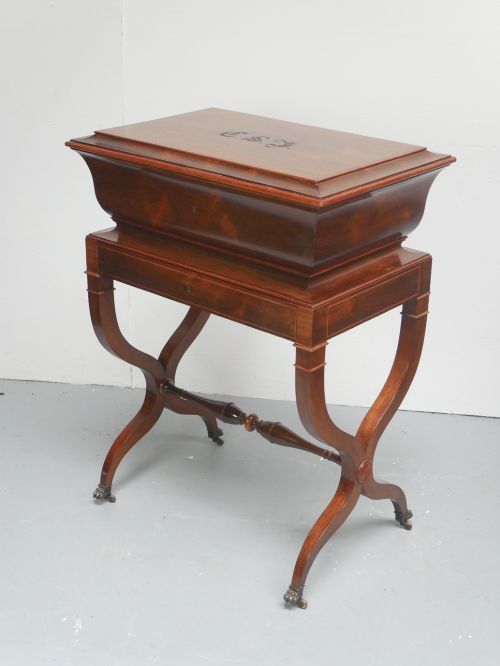
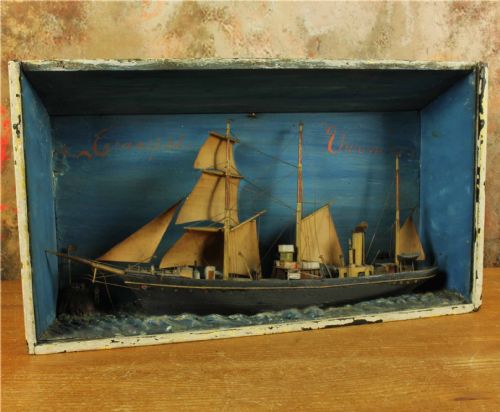
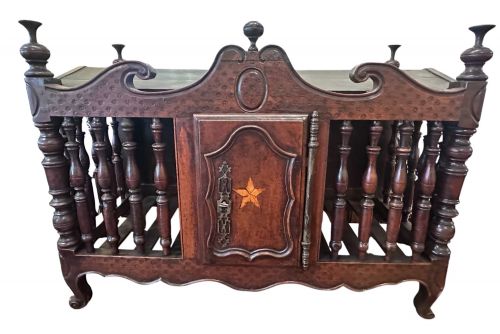
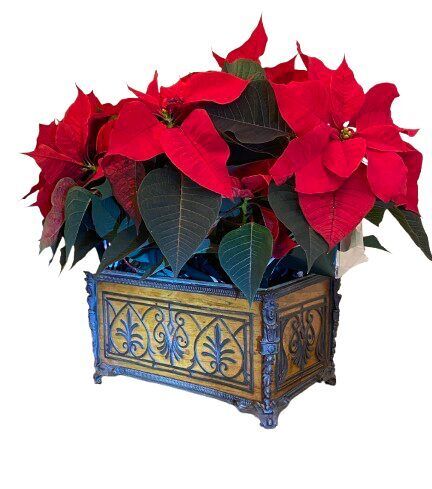
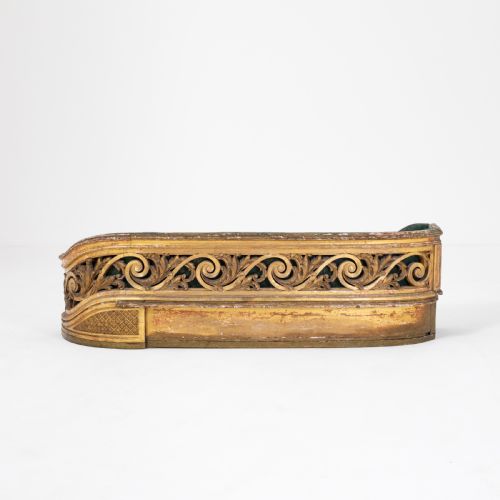
When searching for a french wood box, buyers encounter an array of containers spanning centuries of cabinet making, from delicate writing caskets to robust blanket chests. The selection here leans heavily towards nineteenth-century examples, incorporating both refined table pieces in exotic veneers and utilitarian storage boxes fashioned from native timbers.
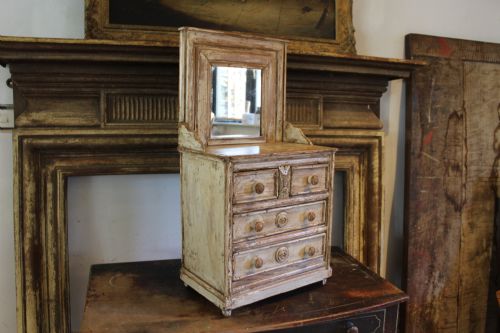
Forms range from small decorative boxes and snuff boxes to larger coffers, deed boxes, and sewing baskets. Woods such as kingwood, walnut, rosewood, and cherrywood dominate the inventory, frequently enhanced by marquetry, parquetry, or brass mounts.
Origins stretch across various regional workshops and urban ateliers in France, reflecting styles from provincial country traditions to the ornate tastes of the Napoleon III era and French Rococo Revival.
How they were made
Cabinet makers utilised a combination of solid timbers and carefully sliced veneers laid over supportive secondary woods. Marquetry and parquetry techniques involved arranging geometric or pictorial patterns using contrasting woods like kingwood, satinwood, and walnut.
Metal elements such as brass, ormolu, and bronze were cast and chased to form mounts, hinges, and lock plates that reinforced corners and added decorative weight. Many pieces relied on hand-cut dovetail joints for structural integrity, particularly on utilitarian deed boxes and blanket chests.
French Wood Box Retail Price Guide 2026
Typical asking prices for french wood box among the pieces listed under this phrase on Sellingantiques today, from the lower quarter to the upper quarter. They describe what is for sale here now, not the wider market.
The listings show wood varieties ranging from common fruitwood and pine to exotic kingwood, rosewood, and thuya wood.
What varies in quality
Quality in a french wood box rests largely on the precision of the cabinet work and the choice of materials. Finer pieces display seamless veneer matching, tight joint construction, and intricate inlay work that remains flush with the surrounding timber.
Hardware and interior fittings also dictate standing, with heavy cast bronze mounts, original working locks with keys, and fitted compartments lined in silk or velvet separating high-status boudoir pieces from simpler utilitarian containers.
Tahan·Lesage·Victor Raulin
The French Wood Box Glossary
- Kingwood
- A dense, richly figured timber native to Brazil, often utilised in decorative veneering during the eighteenth and nineteenth centuries. Its dark brown and golden streaks make it highly sought after for fine cabinet work.
- Ormolu
- Gilded bronze used for decorative mounts and feet on furniture and boxes. The process involves applying a mercury and gold amalgam to cast bronze before heating.
- Parquetry
- A geometric mosaic of wood pieces used for decorative floors and box lids. Artisans cut contrasting timbers into precise angles to form repeating patterns like cubes or chevrons.
- Marquetry
- The art of applying pieces of veneer to a structure to form decorative pictures or designs. Cabinet makers combined various exotic woods to achieve tonal shading and intricate botanical motifs.
- Cofer
- A large strong box or chest with a lid, historically used for storing valuables and documents. Earlier examples often feature heavy iron strapwork and robust locking mechanisms.
French Wood Box: Frequently Asked Questions
What were french wood boxes used for originally?
These boxes served a multitude of domestic and professional purposes, ranging from the storage of personal correspondence and legal deeds to housing sewing implements and jewellery. Table boxes often held writing materials or liqueurs for guests.
More robust oak and pine chests accommodated household linens and blankets, whilst smaller caskets functioned as decorative display pieces on parlour tables.
How do I care for an antique wood box?
Maintain the timber by keeping the box away from direct sunlight and sudden temperature fluctuations, which can cause wood to warp and veneers to lift. Apply a microcrystalline wax occasionally to nourish the surface.
Avoid using modern liquid polishes or silicone sprays, as these build up and damage antique French polish and wax finishes over time.
How can I tell the period of a box?
Dating relies on examining construction methods, timber choices, and stylistic markers such as brass mounts and inlay patterns. Earlier pieces from the seventeenth and eighteenth centuries often show hand- split boards and simpler joinery, whilst nineteenth-century boxes frequently utilise exotic veneers like kingwood and amboyna.
Hardware styles, including lock designs and hinge types, also provide reliable clues to the era of manufacture.
Are keys usually included with antique boxes?
Original keys are uncommon because locks were easily misplaced over centuries of use, though many boxes retain their original functioning brass or steel locks.
Specialist suppliers can often source or fit replacement keys if the mechanism requires operation, but many collectors display the boxes with the lids resting closed.